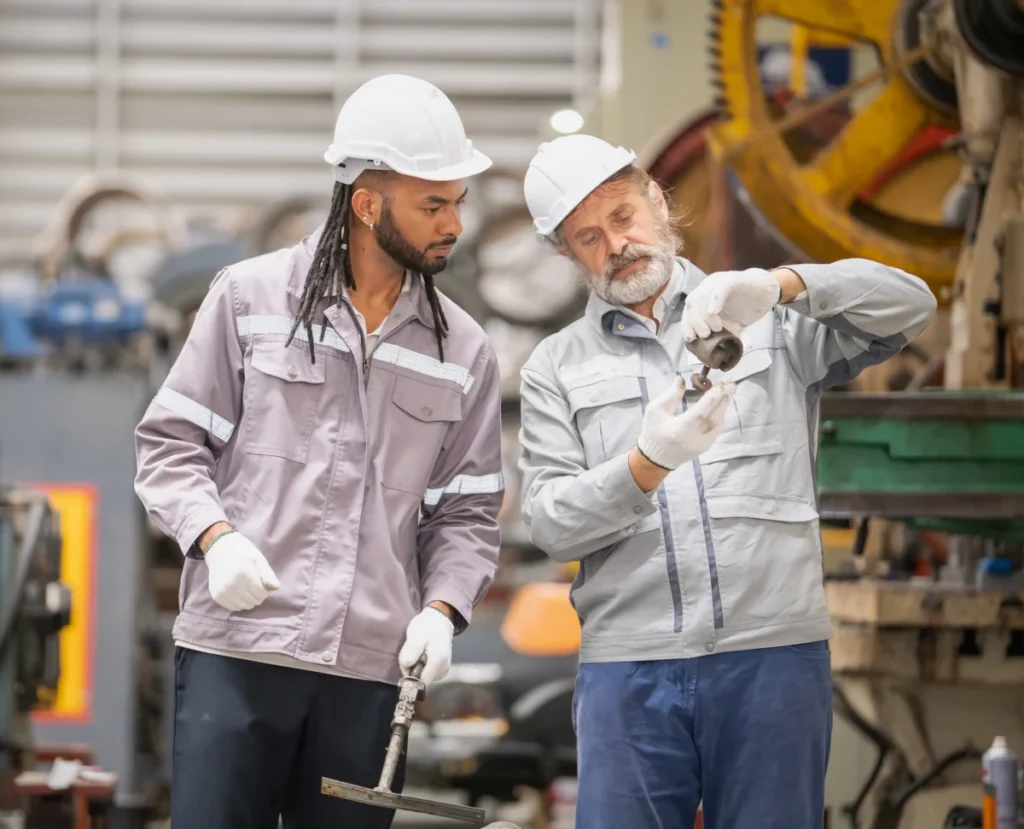
Deskless workers represent the tangible majority of the global workforce, a vast and often overlooked segment whose contributions are foundational to numerous industries, particularly manufacturing. Despite their immense impact on operational success, these employees frequently encounter engagement challenges that can significantly affect retention rates, workplace safety, overall productivity, and the very fabric of company culture. For Human Resources leaders, developing and implementing effective strategies to engage this critical demographic is no longer an optional pursuit but an absolute imperative for sustained business growth and employee well-being.
The Pivotal Role of Engagement in Manufacturing
The importance of engaging deskless manufacturing workers extends far beyond being a mere “nice-to-have.” It acts as a business-critical lever, with its influence rippling across key areas that define a company’s operational health and long-term viability. Engaged employees are not only more motivated and loyal but also demonstrably committed to upholding high standards, thereby protecting both personnel and intricate production processes.
Improved Employee Retention: When deskless workers feel genuinely valued and recognized for their contributions, their propensity to seek employment elsewhere diminishes significantly. This translates into reduced costly employee turnover, a perennial challenge in manufacturing sectors. Preserving institutional knowledge and skilled labor through enhanced retention directly contributes to maintaining consistent quality and operational efficiency on the factory floor, a benefit that compounds over time. Industry reports consistently highlight that higher employee engagement correlates with lower voluntary turnover. For instance, a Gallup study revealed that highly engaged teams show 21% greater profitability.
Enhanced Safety and Compliance Adherence: A workforce that feels connected and invested in the company’s mission is inherently more vigilant. Engaged employees are more likely to proactively adhere to safety protocols, identify potential hazards, and report them promptly. This heightened awareness directly contributes to a reduction in workplace accidents and injuries, thereby improving regulatory compliance and fostering a safer environment for all personnel. The cost of workplace injuries, encompassing medical expenses, lost workdays, and potential litigation, can be substantial, making safety a direct economic driver.

Heightened Operational Efficiency and Productivity: The direct correlation between employee engagement and operational performance is well-documented. When workers are engaged, they tend to exhibit greater focus and a willingness to contribute innovative ideas that can streamline production processes. This leads to a tangible reduction in errors, smoother workflows, and ultimately, improved plant performance metrics. Engaged employees are more likely to take initiative, troubleshoot issues proactively, and contribute to a culture of continuous improvement, all of which directly impact the bottom line.
Increased Employee Satisfaction and Morale: Engagement is intrinsically linked to job satisfaction. When employees feel a sense of purpose and belonging, their enthusiasm for their roles escalates, fostering a sense of pride in their work. Higher levels of job satisfaction contribute to stronger team morale, creating a more positive and collaborative workplace culture. This positive atmosphere can have a cascading effect, influencing customer interactions and the overall perception of the company.
Navigating the Unique Challenges of Deskless Manufacturing Engagement
Deskless manufacturing workers operate within environments that are fundamentally distinct from those of their office-bound counterparts. Their work is typically hands-on, physically demanding, and often takes place on a bustling factory floor or across multiple operational sites. Crucially, they may not have regular, consistent access to desktop computers, email, or internal company portals, presenting unique hurdles to traditional engagement methodologies.
These distinct operational conditions necessitate tailored strategies that acknowledge and address the realities of shift work, limited technological access, and the inherent physical fatigue associated with manufacturing roles. Understanding these challenges is paramount for designing engagement programs that truly resonate with this vital segment of the workforce.
Communication and Technology Gaps: The Digital Divide
The most significant barrier often lies in the communication infrastructure. Lacking consistent access to traditional digital channels like email or company intranets means that vital information can be delayed or entirely missed, leaving workers feeling disconnected and uninformed. This information gap can breed rumors, reduce trust, and hinder effective operational execution. Historically, companies relied on bulletin boards or shift huddles, which are often insufficient for timely and comprehensive communication in today’s fast-paced environment. The advent of smartphones, however, presents a powerful opportunity to bridge this divide.

Isolation and Disconnection: The Shift Work Syndrome
Manufacturing operations frequently run on staggered or around-the-clock shifts. This scheduling often results in limited direct interaction between workers and colleagues outside their immediate shift team or department. This physical and social isolation can foster feelings of disconnection from the broader organizational mission and its overarching goals. Without deliberate efforts to foster connection, employees may feel like cogs in a machine rather than integral members of a unified team.
Irregular Schedules: The Challenge of Timing
The prevalence of shift work and non-standard working hours in manufacturing poses a significant challenge to consistent communication and engagement initiatives. Workers may miss important announcements, training sessions, or feedback opportunities scheduled during their off-hours. This unpredictability makes it difficult to implement one-size-fits-all engagement strategies. Flexibility and adaptability in scheduling engagement activities are therefore crucial.
Physical Demands and Shift Work Realities: The Toll of Labor
The inherent physical intensity of manufacturing work, coupled with the disruption of shift rotations, can lead to fatigue and burnout. This exhaustion can diminish workers’ willingness or capacity to engage with company programs that fall outside their core responsibilities. Consequently, engagement activities must be designed to be simple, energy-conscious, and respectful of workers’ limited free time and energy reserves. Supporting overall well-being through practical, accessible measures is a key strategy to mitigate these challenges.
Strategic Imperatives for Engaging the Deskless Workforce
To effectively engage this critical segment, HR leaders must embrace practical, tailored approaches that are deeply rooted in the day-to-day realities of manufacturing environments. The following strategies offer a roadmap for fostering a more connected, motivated, and productive deskless workforce:
1. Implement a Mobile-First Communication Strategy
Given the ubiquity of smartphones, a mobile-first approach is indispensable. Leveraging mobile-friendly tools such as dedicated employee apps, SMS messaging, and instant messaging platforms ensures that important communications reach workers quickly, directly, and regardless of their physical location or shift. This not only facilitates timely updates, which are critical in dynamic manufacturing settings, but also ensures that information is accessible and easily digestible. Research by organizations like McKinsey indicates that digital communication tools can improve employee engagement by up to 20%.

2. Tailor Content and Segment Communication
A one-size-all communication strategy is destined to fail with a diverse deskless workforce. Customizing communications based on factors such as shift, specific role, or operational site ensures that messages are relevant and clear, minimizing information overload and maximizing engagement. Segmentation allows for targeted content delivery, ensuring that each worker receives information that directly impacts their daily work, responsibilities, and career development. This targeted approach fosters a sense of individual importance and relevance.
3. Foster Two-Way Communication and Feedback Loops
Creating robust channels for two-way communication is vital for building trust and fostering a collaborative environment. Providing accessible platforms where workers can openly share ideas, concerns, and suggestions empowers them and makes them feel heard. Regular feedback mechanisms allow leadership to proactively address issues before they escalate, demonstrating a commitment to employee well-being and operational improvement. This inclusive approach not only strengthens workplace relationships but also taps into the invaluable on-the-ground knowledge of the workforce. A 2022 study by Deloitte found that organizations with strong feedback mechanisms experience 14.4% lower turnover rates.
4. Leverage Meaningful Recognition and Rewards
Effective engagement strategies must include robust recognition and reward programs. Celebrating successes, both individual and team-based, with meaningful acknowledgments that resonate with intrinsic and extrinsic motivations can significantly boost morale and encourage continued high performance. Public acknowledgment of achievements reinforces positive behaviors and builds a culture of appreciation. When employees feel their efforts are seen and appreciated, their commitment to the organization deepens. Programs that offer tangible benefits, such as gift cards, extra time off, or professional development opportunities, can be particularly impactful.
5. Prioritize Safety and Holistic Well-being
Embedding well-being initiatives that address both the physical and mental health of deskless workers is paramount. This includes promoting ergonomic best practices, providing access to resources for managing stress and fatigue, and fostering a culture where safety is not just a policy but a shared value. When employees feel genuinely cared for and supported in their overall well-being, they are more likely to be engaged, attentive, and productive on the job. Proactive health and safety programs can lead to a significant reduction in lost workdays and associated costs. For example, companies with strong wellness programs often report lower healthcare costs and higher productivity.
6. Invest in Learning and Development Opportunities
Providing flexible and accessible learning and development opportunities demonstrates an investment in the long-term future of the workforce. Offering training that can be accessed during shifts or through mobile platforms helps employees build new skills, advance their careers, and adapt to evolving industry demands. Continuous learning not only motivates ongoing engagement but also equips employees with the knowledge and abilities needed to excel in their roles and contribute to the company’s innovation and growth. Organizations that invest in employee development typically see higher retention and increased innovation.
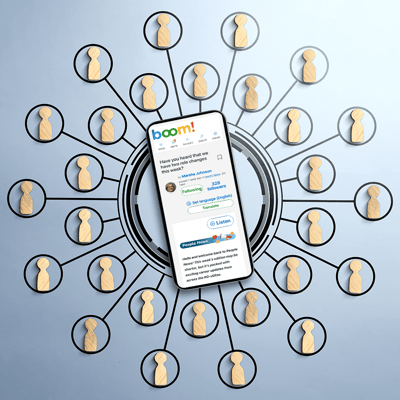
Empowering the Frontline with Reward Gateway | Edenred
At Reward Gateway | Edenred, the mission is clear: to make the world a better place to work. The understanding that deskless manufacturing workers form the backbone of many industries, and that meaningful engagement drives lasting business success, is central to this mission. By implementing integrated solutions that encompass communication, recognition, and well-being, HR leaders can empower their frontline workforce. This empowerment translates directly into tangible benefits, including boosted retention rates, enhanced workplace safety, and increased productivity, all while cultivating a stronger, more connected organizational culture.
The transformation of the manufacturing floor into a place where employees not only work but thrive every day is an achievable goal. Reward Gateway | Edenred offers a comprehensive Employee Experience platform and a suite of integrated solutions designed to support dispersed workforces, regardless of their location or operational context. By partnering with Reward Gateway | Edenred, organizations can proactively address the unique challenges of engaging their deskless employees and build a foundation for sustained success and a truly positive work environment.