The Bihar government has officially sanctioned a pioneering healthcare initiative, the Bihar Government Health Scheme (BGHS), designed to provide cashless medical treatment for State employees, pensioners, and their dependents at a network of empanelled hospitals. This significant decision, poised to revolutionize healthcare access for a substantial segment of Bihar’s population, received final approval during a crucial cabinet meeting presided over by Bihar Chief Minister Samrat Choudhary. The move marks a strategic shift from a predominantly reimbursement-based system to a proactive, direct payment model, aiming to alleviate the significant financial burden often associated with medical emergencies and hospitalizations.
A New Era in Employee Welfare: Addressing Historical Healthcare Challenges
The approval of the Bihar Government Health Scheme represents a landmark commitment by the State administration to bolster the welfare of its dedicated workforce and their families. Historically, government employees and pensioners in Bihar, like many across India, have largely relied on a system that involved out-of-pocket payments for medical treatments, followed by a lengthy and often cumbersome process of claiming reimbursement. While a monthly medical allowance, currently pegged at Rs 1,000, was provided, it often proved insufficient to cover the escalating costs of modern healthcare, particularly for serious illnesses requiring hospitalization.
This reimbursement model frequently led to considerable financial stress, delays in receiving funds, and an administrative burden involving extensive paperwork. Employees often had to exhaust personal savings or incur debt to cover upfront medical expenses, waiting months for their claims to be processed. Such a system, while offering some relief, failed to provide the immediate financial security and peace of mind crucial during health crises. The introduction of BGHS is a direct response to these long-standing challenges, aiming to simplify healthcare access and make it genuinely cashless at the point of service.
Comprehensive Coverage and Beneficiary Scope
The Bihar Government Health Scheme is designed to be inclusive, extending its benefits to a broad spectrum of individuals associated with the State administration. Covered under the scheme will be all serving Bihar government employees, including those on deputation, as well as retired employees and family pensioners. Furthermore, All India Service (AIS) officers serving in the state, legislative members (MLAs and MLCs), and their respective dependents will also fall within the ambit of the new program. This extensive coverage ensures that a vast number of individuals, estimated to be in the hundreds of thousands, will directly benefit from the scheme, fostering a sense of security and appreciation among the public service community. Dependents typically include spouses, dependent parents, and dependent children, the specific definitions of which will be detailed in the forthcoming operational guidelines.
Mechanics of the Cashless Treatment Facility
The core feature of the BGHS is its cashless treatment provision, primarily focused on indoor patient care. This means that beneficiaries will be able to receive necessary medical treatment, including surgeries, critical care, and extended hospital stays, without needing to make immediate upfront payments at empanelled hospitals. Instead, all eligible medical expenses covered under the scheme will be directly settled between the hospital and the designated scheme administration system. This mechanism eliminates the need for beneficiaries to manage large sums of cash during often stressful medical situations.
To facilitate seamless access to these services, beneficiaries will be issued unique health cards. These cards will serve as identification and verification tools at empanelled healthcare facilities, allowing hospitals to confirm eligibility and process claims directly. The direct settlement system is expected to streamline the entire process, reducing administrative overhead for both patients and healthcare providers, while ensuring timely payments to hospitals. The specifics of the direct settlement process, including pre-authorization requirements for certain procedures, will be elaborated in the detailed operational guidelines.
Financial Adjustments and Continued Support
A key financial aspect of the BGHS involves an adjustment to the existing medical allowance. Currently, Bihar government employees receive a monthly medical allowance of Rs 1,000. Under the new arrangement, a sum of Rs 900 will reportedly be deducted from this allowance and contributed towards the health scheme. This mechanism ensures a degree of beneficiary contribution, fostering shared responsibility while significantly enhancing the overall medical benefits available. It is important to note that the remaining Rs 100 from the allowance, along with existing medical reimbursement provisions for certain outpatient treatments or non-empanelled services, are expected to continue in some modified form. This dual approach aims to provide comprehensive coverage while retaining flexibility for minor medical needs that may not require hospitalization or fall under the cashless system. The exact modalities of these continuing provisions will be clarified in the detailed guidelines issued by the Health Department.
Expanding the Healthcare Network: A Pan-India Vision
A crucial component of the Bihar Government Health Scheme’s success will be the breadth and quality of its hospital network. The State government has ambitious plans to connect not only major hospitals within Bihar but also leading medical institutions outside the State to the scheme network. This pan-India vision is particularly vital for beneficiaries requiring specialized treatments or advanced surgical procedures that may not be readily available in all parts of Bihar. By empanelling hospitals in metropolitan cities known for their advanced medical infrastructure, such as Delhi, Mumbai, Chennai, and Kolkata, the scheme aims to ensure that beneficiaries have access to the best possible medical care, irrespective of geographical limitations.
The process of empanelment will involve stringent criteria to ensure quality, ethical practices, and adherence to scheme guidelines. Hospitals will need to meet certain standards regarding infrastructure, medical expertise, and patient care protocols. The Health Department will play a pivotal role in identifying, vetting, and onboarding these hospitals, creating a robust and reliable network for beneficiaries.
Timeline and Future Directives
While the cabinet has given its principal approval, the full implementation of the Bihar Government Health Scheme will unfold in phases. The immediate next step involves the Health Department formulating and issuing comprehensive operational guidelines. These guidelines will be critical in detailing various aspects of the scheme, including:
- Spending Limits: Specific caps on the total expenditure for various treatments or per beneficiary per year.
- Coverage Conditions: Clear definitions of what medical procedures, tests, medications, and hospital services are covered, and any exclusions.
- Empanelment Criteria: Detailed requirements for hospitals wishing to join the network.
- Claim Processing Protocols: The exact procedures for hospitals to submit claims and for the scheme administration to process them.
- Grievance Redressal Mechanism: A clear process for beneficiaries to address any issues or complaints related to the scheme.
- Health Card Issuance: The timeline and process for distributing health cards to all eligible beneficiaries.
The Health Department is expected to work diligently to finalize these guidelines in the coming months, followed by a phased rollout that includes hospital empanelment drives, beneficiary registration, and awareness campaigns.
Broader Context: Healthcare Landscape in Bihar and India
Bihar, one of India’s most populous states, faces significant challenges in its healthcare sector. While public health infrastructure has seen improvements, access to quality, affordable healthcare remains a concern for many. Out-of-pocket expenditure (OOPE) on health is particularly high in India, often pushing families into poverty. Government health schemes, both at the central (like Ayushman Bharat) and state levels, are crucial tools in mitigating this financial burden.
The Bihar Government Health Scheme can be viewed as an extension of the state’s broader commitment to improving healthcare access. While Ayushman Bharat primarily targets economically vulnerable sections, BGHS focuses specifically on government employees, who form a stable but often overlooked segment in terms of dedicated, cashless health coverage. Similar schemes, such as the Central Government Health Scheme (CGHS) for central government employees and various state-specific employee health schemes (e.g., in Maharashtra, Karnataka, Tamil Nadu), have demonstrated the efficacy of such models in enhancing employee welfare and improving health outcomes. The BGHS positions Bihar alongside other progressive states in providing robust healthcare benefits to its workforce.
Anticipated Impact and Implications
The implications of the Bihar Government Health Scheme are far-reaching and multi-faceted:
- For Beneficiaries: The most direct impact will be the significant reduction in financial stress during medical emergencies. The promise of cashless treatment will provide immense relief, allowing employees and their families to focus on recovery rather than monetary concerns. This will likely lead to better health-seeking behavior, as individuals may be less hesitant to seek timely medical attention. Enhanced morale and job satisfaction among government employees are also anticipated.
- For the State Government: The scheme is a strong statement of the government’s commitment to employee welfare, potentially fostering loyalty and reducing attrition. A healthier workforce is generally more productive. Furthermore, by streamlining the reimbursement process, the government stands to reduce administrative complexities and costs associated with the old system in the long run.
- For the Healthcare Sector: The empanelment of hospitals, particularly private ones, will likely lead to increased patient flow and assured revenue streams. This could incentivize hospitals to upgrade their infrastructure, invest in new technologies, and enhance service quality to meet the demands of the scheme beneficiaries. It may also encourage more private sector participation in healthcare delivery in Bihar. The direct settlement mechanism will ensure faster payments to hospitals, improving their financial liquidity.
- Economic Impact: The assured funding for medical services under the scheme could provide a boost to the healthcare economy in Bihar. It could stimulate investment in new hospitals and clinics, create job opportunities for medical professionals and support staff, and foster a more competitive and quality-driven healthcare market.
- Societal Impact: By providing a safety net to a large and influential segment of society, the BGHS sets a positive precedent. It underscores the importance of universal health access and could inspire similar initiatives in other sectors or by other employers.
Challenges and Considerations for Implementation
While the scheme holds immense promise, its successful implementation will hinge on addressing several potential challenges:
- Financial Sustainability: Ensuring adequate and continuous funding for the scheme will be paramount, especially as the number of beneficiaries and medical inflation grow.
- Network Adequacy: Building a comprehensive network of empanelled hospitals, particularly in rural and remote areas of Bihar, will be crucial to ensure equitable access.
- Quality Assurance: Maintaining high standards of care across all empanelled hospitals and preventing over-billing or unnecessary procedures will require robust monitoring and audit mechanisms.
- Awareness and Communication: Effectively communicating the scheme’s details, benefits, and procedures to all beneficiaries will be vital to maximize utilization and minimize confusion.
- Technology and Infrastructure: A robust IT infrastructure will be necessary for health card issuance, online claim processing, and real-time data management.
- Grievance Redressal: An efficient and responsive grievance redressal system will be essential to address any issues faced by beneficiaries or hospitals.
Beyond Healthcare: Other Cabinet Decisions
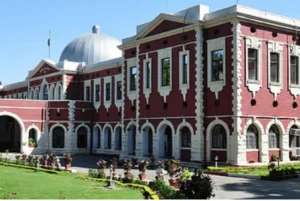
In addition to the groundbreaking healthcare initiative, the cabinet meeting chaired by Chief Minister Samrat Choudhary also cleared several other significant proposals, underscoring the government’s multi-pronged approach to governance and development. A total of 27 decisions were approved, reflecting a busy agenda aimed at administrative reforms and public welfare. These included proposals related to land-acquisition reforms, which are critical for infrastructure development projects; new urban survey rules, vital for systematic urban planning and property management; and the acquisition of electric and hybrid vehicles for Patna High Court judges, signaling a commitment to green initiatives and modernizing judicial infrastructure. These diverse approvals collectively highlight the government’s efforts to bring about comprehensive development across various sectors in Bihar.
The Bihar Government Health Scheme stands as a testament to the State government’s progressive vision for employee welfare. By offering cashless medical treatment, it promises to usher in an era of greater financial security, improved health outcomes, and enhanced morale for thousands of government employees and pensioners, setting a new benchmark for public service benefits in Bihar. The successful rollout and sustained management of this scheme will be a key indicator of the state’s commitment to its citizens’ well-being.