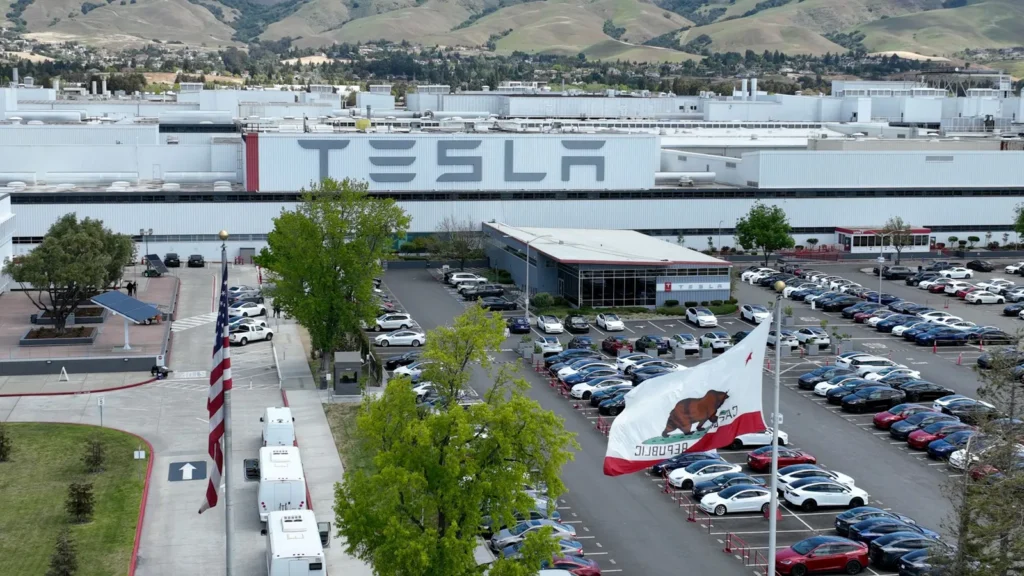
A California state judge has cleared the path for a significant lawsuit filed by the state’s Civil Rights Department (CRD) against Tesla, Inc., allowing allegations of systemic racial discrimination at the company’s Fremont, California, manufacturing facility to be heard by a jury. The lawsuit, which asserts that Tesla permitted a pervasive environment of racial slurs, segregation, and other discriminatory practices to persist, marks another critical legal challenge for the electric vehicle manufacturer concerning its workplace culture. This ruling, published on May 28, 2026, signals a pivotal moment in the ongoing scrutiny of Tesla’s employment practices, particularly regarding its human resources infrastructure and its responsiveness to employee complaints.
Background of the Allegations and the CRD’s Case
The California Civil Rights Department, formerly known as the Department of Fair Employment and Housing (DFEH), initiated this lawsuit following an extensive investigation into numerous complaints from employees at Tesla’s Fremont factory. The core of the CRD’s case revolves around claims that Black employees at the facility were subjected to widespread racial harassment, including the frequent use of derogatory slurs, racial epithets, and racist graffiti found in common areas, restrooms, and workstations. Beyond verbal and visual harassment, the lawsuit also alleges that Black employees faced discriminatory job assignments, were relegated to specific "Black areas" within the factory, and were often denied promotions or subjected to unfair disciplinary actions. These conditions, the CRD contends, created a hostile work environment that violated California’s civil rights laws.
A central point of contention highlighted in the CRD’s complaint is the alleged inadequacy of Tesla’s human resources department. The state’s civil rights department explicitly stated that Tesla’s HR function was "under-staffed and inadequately trained," leading to a failure to take reasonable and effective action in response to a multitude of employee complaints. This alleged systemic failure allowed the discriminatory environment to fester without appropriate intervention or remediation. The CRD’s investigation revealed striking figures concerning HR staffing levels: in 2016, prior to the establishment of Tesla’s employee relations department, the company reportedly had only 33 human resources professionals and managers to serve 19,916 workers across California, resulting in a ratio of approximately one HR officer for every 604 employees. By 2020, this ratio further deteriorated to about one HR member for every 740 workers.
The Stark Contrast in HR Staffing Ratios
These HR staffing figures, as presented by the CRD, stand in stark contrast to industry benchmarks, underscoring the severity of the alleged under-resourcing. According to research published by the Society for Human Resource Management (SHRM) around the time the initial Tesla lawsuit was filed (likely referring to the CRD’s filing), the average ratio across various industries was approximately 1.7 HR staff per 100 employees. This means that, on average, a company would have one HR professional for every roughly 59 employees. By the previous year (2025, relative to the May 2026 publication date), this number had slightly increased to 1.98 HR staff per 100 employees, or approximately one HR professional for every 50 employees.
When comparing Tesla’s reported ratios (1:604 in 2016 and 1:740 in 2020) with the SHRM benchmarks (1:59 or 1:50), the disparity is profound. Tesla’s HR department appears to have been staffed at a level more than ten times below the industry average. This significant understaffing, if proven, would logically hinder an HR department’s ability to effectively manage employee relations, conduct thorough investigations into discrimination claims, implement robust training programs, and ensure compliance with complex labor laws. An under-resourced HR function can struggle to provide timely responses to complaints, leading to a backlog of unresolved issues and a perception among employees that their concerns are not being taken seriously, thereby perpetuating a hostile environment.
A Pattern of Legal Challenges at the Fremont Factory
The CRD’s lawsuit, Department of Fair Employment and Housing v. Tesla, Inc. (now California Civil Rights Department v. Tesla, Inc.), is not an isolated incident but rather one in a series of legal battles centered on allegations of workplace misconduct at Tesla’s Fremont factory. The facility has become a focal point for claims of racial discrimination and harassment, drawing significant attention from both state and federal regulatory bodies, as well as private litigants.
A notable precursor to the current development occurred in March 2024, when Tesla agreed to settle a separate race discrimination lawsuit. This settlement followed two distinct jury trials, both of which ended in favor of a former factory employee who had alleged racial harassment. The fact that jury trials had already found in favor of an employee on similar grounds provides significant background context, suggesting that courts have previously recognized credible evidence of discrimination at the Fremont plant.
Furthermore, in August 2025, a group of former Tesla HR professionals filed a lawsuit alleging that they were either fired or forced to resign after attempting to report and address race discrimination complaints from workers at the Fremont factory. These former employees claimed they faced retaliation for trying to uphold ethical HR practices and investigate serious allegations. While a court subsequently granted Tesla’s request to compel arbitration for at least one of the plaintiffs in that case, the allegations themselves underscore internal challenges within Tesla’s HR and employee relations framework.
Adding to the litany of legal actions, earlier in 2026, a lawsuit filed by the U.S. Equal Employment Opportunity Commission (EEOC) alleging pervasive race-based harassment at the Fremont factory was reportedly headed for private mediation. The EEOC, a federal agency responsible for enforcing federal laws against workplace discrimination, bringing its own case further emphasizes the breadth and seriousness of the allegations against Tesla. The involvement of both state and federal agencies, alongside multiple private lawsuits, paints a consistent picture of a workplace grappling with significant and persistent issues related to racial equity.
Timeline of Key Events and Legal Actions

To provide a clearer picture of the ongoing legal saga, here is a chronological overview of key developments:
- 2016: CRD investigation data points to an HR ratio of 1 HR professional for every 604 workers in California.
- 2020: CRD investigation data shows the HR ratio further declines to 1 HR professional for every 740 workers in California.
- Early 2020s (Inferred): The California Civil Rights Department (then DFEH) likely files its comprehensive lawsuit, Department of Fair Employment and Housing v. Tesla, Inc., following its investigation.
- March 2024: Tesla settles a race discrimination lawsuit after two jury trials found in favor of a former Fremont factory employee.
- August 2025: Former Tesla HR professionals file a lawsuit alleging retaliation for reporting race bias; court compels arbitration for at least one plaintiff.
- Early 2026: A lawsuit filed by the U.S. Equal Employment Opportunity Commission (EEOC) alleging pervasive race-based harassment at the Fremont factory is directed towards mediation.
- May 28, 2026: A state judge rules that the CRD’s lawsuit, alleging systemic racism at the Fremont factory, will proceed to a jury trial.
Official Responses and Company Stance
In response to the latest judicial ruling, the director of the California Civil Rights Department issued a statement on Wednesday, affirming the state’s readiness to proceed. "California is looking forward to having its day in court," the director stated, signaling confidence in the merits of their case and their commitment to seeking justice for the affected workers. This public declaration underscores the CRD’s resolve to hold Tesla accountable for the alleged discriminatory practices and the perceived failure of its HR systems.
Tesla, on the other hand, has previously characterized the state’s efforts as "misguided." In an earlier public statement or blog post, the company vehemently denied the allegations, suggesting that the CRD’s lawsuit was based on an inaccurate or incomplete understanding of the facts and Tesla’s internal practices. This general denial implies that Tesla believes its workplace is not characterized by systemic racism and that its HR department handles complaints appropriately. However, when HR Dive specifically reached out to Tesla for comment regarding the latest ruling that the case would proceed to trial, the company did not provide a response. This silence, while not an admission of guilt, prevents immediate clarification of Tesla’s current strategy or specific reaction to the judge’s decision.
Broader Impact and Implications
The judge’s decision to send the CRD lawsuit to a jury trial carries significant implications for Tesla, the broader manufacturing industry, and the landscape of workplace civil rights.
Legal Precedent and Corporate Responsibility: A jury trial will put Tesla’s internal HR and management practices under intense public scrutiny. A verdict in favor of the CRD could establish a powerful legal precedent, emphasizing the extensive responsibility corporations have for maintaining non-discriminatory workplaces and adequately addressing employee grievances. It could also influence how other large employers structure their HR departments and handle similar complaints.

Reputational Risk and Brand Image: The ongoing stream of lawsuits and allegations of racial discrimination poses a substantial reputational risk for Tesla. As a prominent global brand, especially one championed for innovation and forward-thinking technology, these allegations can significantly tarnish its image. Negative publicity around workplace culture can deter potential employees, particularly those from diverse backgrounds, and could even impact consumer perceptions and investor confidence, potentially affecting stock performance and market valuation.
HR Best Practices and Corporate Governance: The CRD’s specific focus on Tesla’s allegedly understaffed and inadequately trained HR department highlights a critical area of corporate governance. The stark contrast between Tesla’s reported HR ratios and industry benchmarks serves as a cautionary tale. This case reinforces the vital importance of investing in robust HR infrastructure, including sufficient staffing, comprehensive training, and clear, effective complaint resolution mechanisms. Companies across sectors may face increased pressure to review and, if necessary, bolster their own HR functions to ensure compliance and foster inclusive environments.
Regulatory Scrutiny: The involvement of both state (CRD) and federal (EEOC) civil rights agencies indicates a heightened level of regulatory scrutiny on Tesla’s workplace practices. A successful outcome for the CRD could encourage further investigations and enforcement actions against companies perceived to be falling short in their commitment to diversity, equity, and inclusion. This could lead to more proactive monitoring and tougher penalties for non-compliance across various industries.
Employee Morale and Retention: For current and prospective employees, especially those at the Fremont factory, the outcome of this trial will be closely watched. A workplace where employees feel unheard or believe discrimination is tolerated can lead to low morale, decreased productivity, and high turnover rates. Conversely, a clear resolution that addresses the systemic issues could contribute to a more positive and equitable work environment, improving employee trust and loyalty.
Financial Implications: Litigation, especially a high-profile jury trial, is inherently costly. Beyond legal fees, a verdict against Tesla could result in substantial financial penalties, including compensatory and punitive damages awarded to affected employees, as well as mandated changes to workplace practices that require significant investment. The cumulative financial burden from multiple lawsuits and settlements could be considerable.
In conclusion, the judge’s decision to allow the California Civil Rights Department’s lawsuit against Tesla to proceed to a jury trial marks a critical juncture in the ongoing legal challenges facing the electric vehicle giant. The case, rooted in allegations of systemic racial discrimination and an inadequate HR response at its Fremont factory, places Tesla’s workplace culture directly under the microscope. As the legal proceedings unfold, the outcome will not only have profound implications for Tesla but will also send a clear message about corporate accountability for fostering equitable and respectful work environments across the nation.