
The U.S. Equal Employment Opportunity Commission (EEOC) is poised to cast a pivotal vote on June 4, determining whether to annul its current Biden-era Strategic Enforcement Plan (SEP) for fiscal years 2024-2028 and replace it with a new National Enforcement Plan. This anticipated move, announced by the agency on Thursday, May 29, 2026, marks the latest in a series of significant policy reversals under the leadership of Chair Andrea Lucas, signaling a notable shift in the federal government’s approach to workplace civil rights enforcement.
The Strategic Enforcement Plan (SEP) currently in effect, spanning fiscal years 2024 through 2028, meticulously outlines six key subject matter enforcement priorities intended to guide the EEOC’s investigative, conciliation, and litigation efforts. Central among these priorities is the explicit protection of "vulnerable and underserved" workers. This category notably includes immigrant workers, individuals with certain disabilities, and members of the LGBTQ+ community, among other historically marginalized groups. The SEP also emphasizes combating systemic discrimination, promoting pay equity, and addressing emerging issues in employment, such as those related to artificial intelligence in hiring practices. Its core aim is to proactively identify and remedy systemic discrimination, ensuring that the agency’s resources are strategically deployed to achieve the broadest possible impact on civil rights in the workplace.
The Role and Evolution of the EEOC’s Strategic Enforcement Plans
To fully appreciate the significance of the impending vote, it is crucial to understand the foundational role of the EEOC and the purpose of its Strategic Enforcement Plans. Established by the Civil Rights Act of 1964, the EEOC is the primary federal agency responsible for enforcing federal laws that prohibit employment discrimination. These laws protect employees and job applicants against discrimination based on race, color, religion, sex (including pregnancy, sexual orientation, and gender identity), national origin, age (40 or older), disability, or genetic information. The agency investigates charges of discrimination, conciliates disputes, and, if necessary, files lawsuits against employers on behalf of aggrieved individuals or classes of workers.
Strategic Enforcement Plans serve as the EEOC’s blueprint for fulfilling its mission. They are developed periodically, typically every four to five years, to identify specific areas of focus where the agency believes its enforcement efforts can have the greatest impact. These plans guide the allocation of resources, dictate the types of cases the agency prioritizes, and inform its public outreach and education initiatives. By clearly articulating its priorities, the EEOC aims to provide clarity to employers regarding their obligations and to empower workers to understand their rights. For instance, a previous SEP might have heavily focused on age discrimination during an economic downturn affecting older workers, while another might have emphasized equal pay issues. The Biden-era 2024-2028 SEP, with its explicit focus on "vulnerable and underserved" workers, reflected a commitment to addressing the unique challenges faced by these groups, often exacerbated by factors such as language barriers, precarious employment situations, and limited access to legal recourse. The plan aimed to ensure that these workers, who are frequently targets of exploitation or discrimination, receive robust protection under federal law.
Chair Andrea Lucas: Architect of a New Direction
The proposed rescission of the current SEP is not an isolated event but rather a continuation of a broader strategic realignment spearheaded by EEOC Chair Andrea Lucas. Since assuming leadership of the Commission, Lucas has consistently moved to recalibrate the agency’s enforcement posture, often diverging sharply from directives and priorities set during the Biden administration. Her tenure has been marked by a discernible shift toward a more conservative interpretation of employment law and a preference for enforcement mechanisms that emphasize individual claims over systemic or "disparate impact" approaches.
Lucas’s policy changes align with a broader political movement that has gained traction, particularly within conservative circles, to curtail what is perceived as overreach in civil rights enforcement and to re-evaluate diversity, equity, and inclusion (DEI) initiatives. This sentiment gained significant momentum during the Trump administration, which often expressed skepticism regarding certain DEI programs and affirmative action policies. Lucas, appointed to the EEOC by President Donald Trump in 2020 and later elevated to Chair, has effectively translated this philosophical stance into tangible policy changes within the agency.
A Chronology of Key Policy Shifts
The timeline of Lucas’s leadership at the EEOC reveals a consistent pattern of revising or withdrawing existing guidance and shifting enforcement priorities:

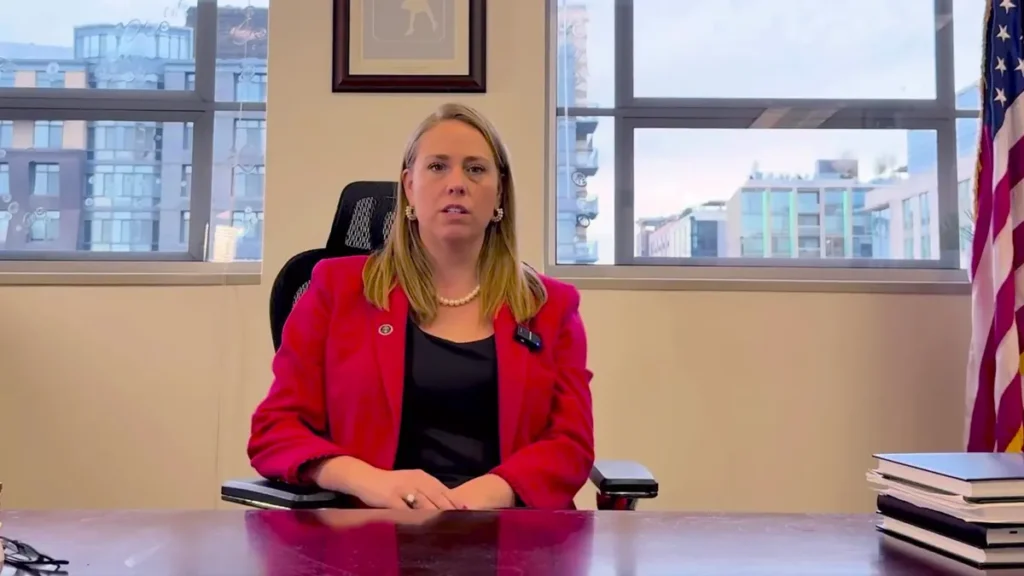
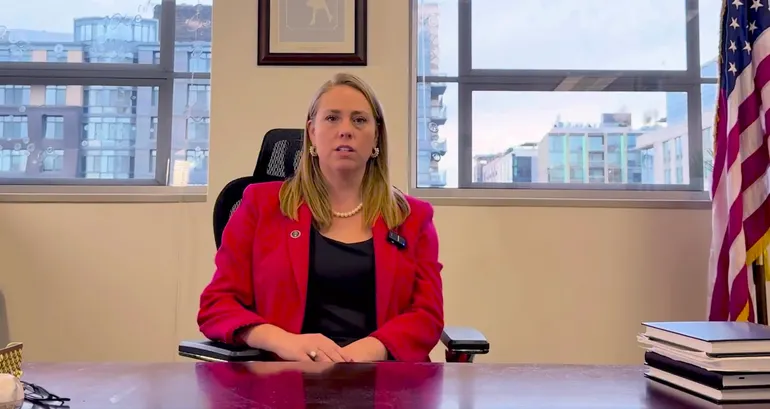
- December 17, 2025: As depicted in the provided image, Chair Lucas delivers a recorded speech from her office, signaling her ongoing commitment to reorienting the EEOC’s direction. Her public statements have frequently underscored a desire for the agency to focus on what she terms "traditional" discrimination cases and to avoid what she perceives as overly broad or prescriptive guidance.
- Early 2026 (exact date not specified): The EEOC, under Lucas’s direction, rescinded its comprehensive 2024 harassment guidance. This guidance had provided updated information and examples regarding various forms of workplace harassment, including those related to sexual orientation, gender identity, and emerging digital forms of harassment. Its withdrawal created a vacuum, leaving employers and employees with less explicit direction on the EEOC’s interpretation of harassment law in contemporary workplaces. Critics argued this move could weaken protections for workers, while supporters suggested it removed unnecessary regulatory burdens.
- Ongoing through 2025-2026: Lucas’s EEOC has demonstrably pulled back on the enforcement of "disparate impact liability." Disparate impact refers to employment practices that are fair in form but discriminatory in operation. Even if a policy appears neutral, if it disproportionately affects a protected group and is not job-related and consistent with business necessity, it can be deemed discriminatory. This legal theory is a cornerstone of civil rights enforcement, allowing challenges to systemic discrimination that may not involve overt discriminatory intent. By de-emphasizing disparate impact, the agency shifts the burden more heavily onto plaintiffs to prove intentional discrimination, a notoriously difficult standard to meet. This aligns with criticisms from some business groups who argue disparate impact claims are overly burdensome and can penalize companies for outcomes rather than intent.
- Throughout Lucas’s Tenure: The EEOC has increasingly mirrored President Trump’s stance in what has been termed a "war on DEI." While the agency has not explicitly banned DEI initiatives, its pronouncements and enforcement actions have cast a pall over certain aspects of these programs. For example, some interpretations suggest that DEI programs could inadvertently lead to reverse discrimination claims if not carefully implemented, or that a focus on group characteristics detracts from individual merit. This has led to heightened scrutiny of corporate DEI efforts, prompting many employers to re-evaluate or scale back their programs to avoid potential legal challenges.
- May 29, 2026: The EEOC officially posts notice of an open commission meeting scheduled for June 4, 2026, where the vote on rescinding the 2024-2028 SEP and replacing it will take place. This announcement formalizes the agency’s intent to reshape its fundamental enforcement strategy.
- June 4, 2026: The scheduled vote on the SEP. Given the current composition of the commission and Chair Lucas’s established trajectory, it is widely anticipated that the vote will favor rescission and replacement.
The Debate Over Enforcement Priorities: "Vulnerable Workers" vs. "Traditional" Claims
The proposed replacement of the 2024-2028 SEP with a new National Enforcement Plan (NEP) sparks a significant debate over the EEOC’s core mission and priorities. Proponents of the Biden-era SEP argue that focusing on "vulnerable and underserved" workers is not merely an optional priority but a moral and legal imperative. Groups like the National Immigration Law Center, the NAACP Legal Defense and Educational Fund, and various LGBTQ+ advocacy organizations have consistently highlighted that these communities face unique barriers to employment, disproportionate rates of discrimination, and often lack the resources to seek legal redress. They contend that a proactive, systemic approach, as outlined in the current SEP, is essential to level the playing field and ensure equal opportunity for all. Rescinding this focus, they argue, would signal a retreat from protecting those most in need of federal oversight.
Conversely, those aligned with Chair Lucas’s vision often advocate for a more "neutral" enforcement approach, focusing on individual complaints of direct discrimination rather than what they might characterize as "identity politics" or overly broad systemic investigations. Business associations, conservative legal foundations, and certain employer groups have frequently expressed concerns that SEPs that prioritize specific demographic groups can lead to enforcement overreach, create unnecessary compliance burdens, and potentially lead to claims of "reverse discrimination." They argue that the EEOC should primarily focus on clear-cut violations of law, irrespective of the "vulnerable" status of the complainant, and ensure that enforcement does not inadvertently penalize employers for attempting to foster diversity. The shift away from disparate impact liability further reinforces this preference for proving discriminatory intent over disparate outcomes.
Stakeholder Reactions and Anticipations
The announcement of the upcoming vote has undoubtedly sent ripples through various stakeholder communities:
- Civil Rights Advocates and Worker Protection Groups: These organizations are expected to voice strong opposition to the rescission. They would likely issue statements condemning the move as undermining protections for marginalized communities and weakening the EEOC’s ability to address systemic discrimination. They might highlight the potential for increased exploitation of immigrant workers, greater challenges for individuals with disabilities in securing accommodations, and a more hostile environment for LGBTQ+ individuals in the workplace. Their primary concern would be that the new NEP might reduce proactive enforcement, forcing individual workers to bear a heavier burden in challenging discrimination.
- Employer Associations and Business Community: Many employers and their representative organizations may welcome the shift. They might see the rescission of the Biden-era SEP and the move away from specific "vulnerable worker" priorities as a reduction in regulatory complexity and a move towards a more predictable enforcement environment. They could argue that the new plan might allow businesses to focus more on merit-based hiring and promotion practices without fear of being targeted for achieving certain demographic outcomes. However, responsible employers will still need to navigate federal anti-discrimination laws and remain vigilant against all forms of unlawful bias.
- Legal Experts and Attorneys: As predicted by attorneys for Duane Morris, the EEOC under Lucas is expected to continue its focus on claims related to disability, religion, and race discrimination. This suggests that while the agency may deprioritize certain categories of "vulnerable" workers or systemic disparate impact claims, it will not abandon its core mandate to address direct forms of discrimination. Legal practitioners would advise their clients to remain diligent in their compliance efforts across all protected categories, even as the emphasis shifts. The change in SEP could lead to a strategic recalibration for law firms, with some anticipating a potential decrease in systemic investigations and an increase in individual charge processing, depending on the specifics of the new plan. They might also predict an increased reliance on state-level anti-discrimination laws or private litigation to fill perceived gaps left by federal enforcement.
Implications for Employers and Employees
The proposed changes carry substantial implications for both employers and employees across the nation.

For Employers:
- Uncertainty and Adaptation: Employers will need to closely monitor the specifics of the new National Enforcement Plan once it is adopted. The shift in priorities means that what was once a high-risk area for enforcement may become less so, while others remain critical.
- DEI Initiatives Under Scrutiny: The continued "war on DEI" will likely prompt many organizations to re-evaluate their diversity, equity, and inclusion programs. Companies may face increased pressure to ensure their DEI efforts are strictly compliant with anti-discrimination laws, with a renewed focus on avoiding any perception of reverse discrimination or quota-based hiring.
- Compliance Focus: While the emphasis on disparate impact may lessen, employers cannot ignore their obligations under Title VII, the ADA, and other federal statutes. The predicted continued focus on disability, religion, and race discrimination means that robust policies, training, and complaint mechanisms related to these areas remain essential.
- Less Prescriptive Guidance: The rescission of the harassment guidance indicates a trend towards less detailed, agency-provided directives. This could mean employers have more flexibility in crafting their policies but also potentially less clear benchmarks for what constitutes compliant behavior, requiring greater reliance on internal legal counsel.
For Employees:
- Potential Shift in Protection for "Vulnerable" Groups: Workers categorized as "vulnerable and underserved" in the Biden-era SEP – such as immigrant workers, certain disabled individuals, and LGBTQ+ employees – might find federal enforcement efforts less proactively focused on their specific challenges. This could mean a reduced likelihood of large-scale, systemic investigations targeting discrimination against these groups.
- Increased Burden of Proof: With a de-emphasis on disparate impact, employees bringing discrimination claims may face a higher hurdle, needing to demonstrate intentional discriminatory conduct rather than just a discriminatory effect of a neutral policy.
- Continued Protections for Direct Discrimination: It is important to note that the EEOC’s core mandate to investigate and litigate direct discrimination based on protected characteristics remains. Employees experiencing explicit discrimination based on race, gender, religion, age, disability, or national origin will still have avenues for redress through the agency.
- Reliance on State and Local Laws: In states and localities with robust anti-discrimination laws, employees might increasingly turn to these jurisdictions for protection if federal enforcement is perceived as weakening in certain areas.
The Broader Legal and Political Landscape
The EEOC’s impending vote is more than just an internal policy adjustment; it reflects a broader national conversation about the scope and future of civil rights enforcement. The agency’s direction often mirrors the political philosophy of the presidential administration that appoints its commissioners and chair. This current shift highlights the cyclical nature of regulatory policy, where priorities can swing dramatically with changes in leadership.
The long-term implications could include a redefinition of the EEOC’s legacy. Will it be seen as an agency that robustly protected the most vulnerable, or one that prioritized a more constrained, arguably less interventionist, approach to workplace equity? The outcome of this vote and the specifics of the new National Enforcement Plan will shape not only the EEOC’s activities for the foreseeable future but also the landscape of employment law and civil rights for millions of American workers and thousands of businesses. As the nation grapples with complex issues of equity and fairness in a rapidly evolving economy, the direction taken by the EEOC will remain a critical barometer of the federal government’s commitment to equal opportunity.






