
A high-performing team is more than just a collection of individuals with the right skills; it’s a synergistic unit that leverages collective expertise, diverse perspectives, and complementary strengths to conquer ambitious objectives and deliver outstanding results. In an era defined by rapid change and increasing complexity, the ability of an organization to foster and sustain such teams is no longer a competitive advantage, but a fundamental necessity for survival and growth. This article delves into the core components that define these elite groups, the behaviors that set them apart, and actionable strategies for cultivating them within any organization.
The Imperative of High-Performing Teams
The success of any organization is intrinsically linked to the effectiveness of its people. High-performing teams are the engines that drive innovation, propel productivity, and consistently achieve organizational goals. When teams are aligned, well-supported, and empowered, they can dismantle barriers, overcome challenges, and deliver exceptional outcomes. The modern business landscape demands agility and resilience, qualities that are amplified when teams operate at their peak potential. Research consistently shows a strong correlation between team performance and overall organizational success, with highly engaged and effective teams contributing significantly to profitability, customer satisfaction, and employee retention.
Defining the High-Performing Team
At its core, a high-performing team is a cohesive unit of individuals who are deeply committed to a shared vision and purpose. They possess a profound understanding of how their collective efforts contribute to the broader organizational mission. This clarity of purpose fuels their engagement and drives them to excel. Their objectives are not only clearly defined but are meticulously aligned with overarching team and organizational priorities, ensuring that every action contributes to strategic outcomes.
Key Characteristics of Elite Teams
While each team possesses its unique dynamic, high-performing teams consistently exhibit a set of core characteristics:

-
Alignment with Organizational Mission: A fundamental trait is the deep understanding of how individual roles and team efforts contribute to the organization’s overarching mission and vision. This shared sense of purpose fosters greater engagement and a proactive approach to work. Employees who understand their "why" are more motivated and productive. Quantum Workplace research indicates that highly engaged employees are more likely to feel a strong connection to their organization’s mission.
-
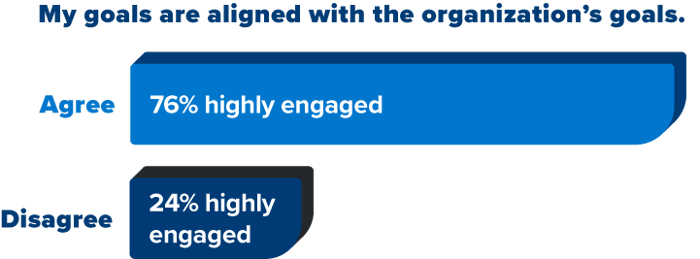
Clear, Aligned Goals: High-performing teams operate with a laser focus, setting clear, measurable goals that directly support team and organizational objectives. This alignment ensures everyone is working towards the same outcomes, minimizing wasted effort and maximizing impact. Studies reveal that employees are significantly more likely to be engaged when their individual performance goals are directly aligned with organizational objectives. For instance, Quantum Workplace data suggests employees are 3.2 times more likely to be engaged when this alignment is present.
-
Defined Roles and Responsibilities: To mitigate conflict and ensure efficiency, these teams establish clear roles and responsibilities for each member. This clarity prevents overlap, clarifies accountability, and allows individuals to focus on their specialized contributions, leading to smoother workflows and reduced friction.
-
Effective Communication Channels: Breakdown in communication is a common pitfall for many teams. High-performing teams prioritize clear, consistent, and respectful communication. They establish effective channels and norms for information sharing, ensuring that everyone is informed and connected. While conflict is inevitable, they possess the skills to navigate it constructively, turning potential obstacles into opportunities for resolution and growth.
-
Culture of Two-Way Feedback: Continuous improvement is a hallmark of high-performing teams, fostered through an environment of open and constructive two-way feedback. Team members feel safe to share ideas and concerns, and leaders actively solicit and value employee input. This feedback loop not only enhances individual performance but also strengthens team dynamics, promoting adaptability and innovation.
-
Priority-Based Work Management: These teams excel at discerning what truly matters. They understand that not all tasks carry equal weight and adeptly manage their workload based on priorities and impact. This focus ensures that efforts are consistently directed towards activities that drive organizational goals and contribute to sustainable growth.
-
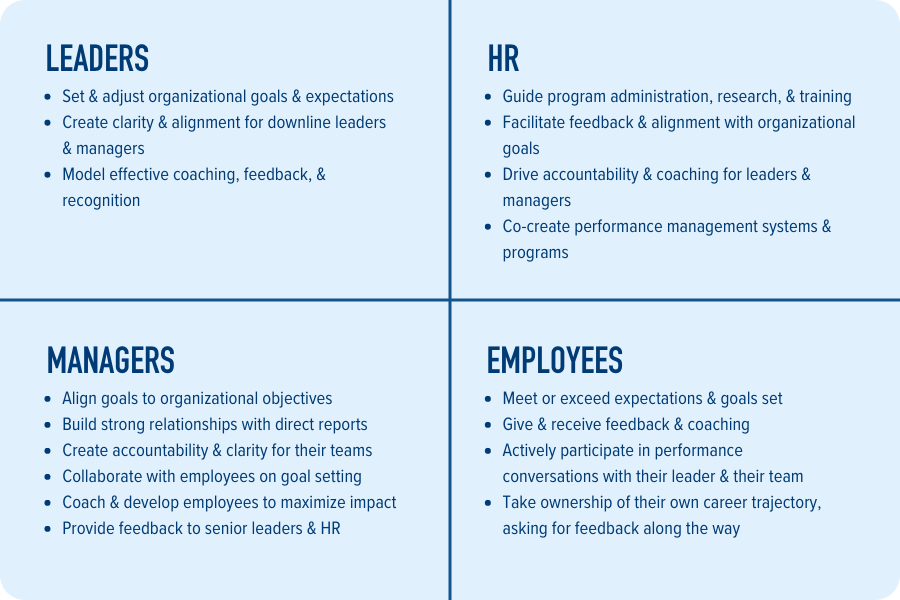
Strong Manager-Employee Alignment: The relationship between managers and employees is a critical pillar. Regular one-on-one meetings serve as vital touchpoints for discussing goals, progress, challenges, and aspirations. This consistent dialogue fosters clarity, builds trust, and ensures that employees receive the support and guidance needed to succeed.
-
Mutual Trust and Respect: The bedrock of exceptional teamwork is a foundation of trust and mutual respect. Team members value each other’s contributions, believe in each other’s capabilities, and respect diverse perspectives. This culture of trust enables open collaboration and encourages individuals to bring their best selves to work.
-
Celebration of Success and Recognition: High-performing teams acknowledge that collective effort leads to shared success. They celebrate milestones, both large and small, and make a conscious effort to recognize and appreciate each member’s contributions. This practice cultivates a positive and motivating work environment where individuals feel valued and connected. Research consistently highlights that recognition, rather than just ratings or pay-for-performance, is a significant driver of employee engagement.
-
Commitment to Continuous Learning: Even the most accomplished teams recognize the imperative of ongoing development. They embrace feedback, learn from mistakes, and actively seek opportunities for growth. This commitment to continuous learning fuels innovation, enhances adaptability, and keeps the team striving for higher levels of achievement.
-
Balancing Short-Term and Long-Term Goals: High-performing teams possess the foresight to balance immediate objectives with the strategic imperative of long-term growth. They understand that investing in employee development, career pathing, and talent management ensures sustained success and adaptability in a volatile business environment.
What Differentiates High-Performing Teams?
Beyond these core characteristics, high-performing teams actively engage in specific behaviors that elevate their performance:
-
Embracing Innovation and Adaptability: In a landscape where change is the only constant, high-performing teams do not shy away from it; they embrace it. They challenge the status quo, actively seek novel ideas, and adapt swiftly to evolving circumstances. This agility and openness to change allow them to remain resilient, seize emerging opportunities, and maintain a competitive edge. They are provided with the autonomy, resources, and psychological safety to experiment, learn, and even fail forward.
-
Cross-Functional Collaboration: These teams actively dismantle organizational silos, fostering collaboration across departments and disciplines. They create an environment where knowledge is freely shared, diverse strengths are leveraged, and common objectives are pursued with unified purpose. This collaborative spirit amplifies their collective impact and strengthens inter-departmental relationships.
-
Focus on Recognition and Achievements: High-performing teams understand that meaningful recognition can be personalized. They utilize data to track and celebrate milestones, proactively acknowledging contributions that advance the team’s objectives. This creates a powerful ripple effect of appreciation, motivating everyone to strive for excellence.
-
Leveraging Engaging Performance Processes and Technology: The effectiveness of high-performing teams is intrinsically linked to the efficiency and usability of their performance management systems. They utilize integrated tools that facilitate seamless collaboration, provide actionable insights through data-driven reporting, and automate repetitive tasks, freeing up valuable time for strategic work.
-
Mutual Accountability: Rather than pointing fingers, high-performing teams operate on a principle of collective accountability. They hold themselves and each other responsible for the team’s performance, fostering a culture where everyone is invested in shared success.
Practical Strategies for Cultivating High-Performing Teams
Building a high-performing team is a journey that requires sustained effort and investment in continuous growth. Here are actionable steps organizations can take:
-
Cultivate a Shared Sense of Purpose: Clearly define and consistently communicate the team’s mission and goals. Regularly reinforce how individual contributions align with these objectives. Utilize one-on-one meetings to check in on progress, identify priorities, and ensure alignment.
-
Streamline Communication: Establish clear communication protocols and expectations. Leverage appropriate tools for different types of communication, from instant messaging for quick updates to project management platforms for detailed task tracking. Encourage knowledge-sharing sessions and cross-functional workshops to foster collaboration and learning.
-
Empower Decision-Making: Grant team members the autonomy to make decisions and take ownership of their work. Encourage initiative and provide a supportive environment where new ideas are welcomed. Recognize and reward proactive contributions to the broader team.
-
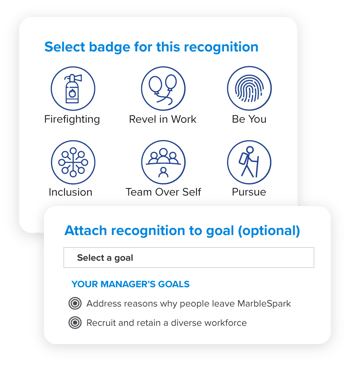
Recognize and Reward Achievements: Implement a robust recognition program that acknowledges both individual and team accomplishments. This can range from formal awards to informal shout-outs. Tailor recognition to individual preferences to maximize its impact. Encourage peer-to-peer recognition to foster a collaborative culture.
-
Invest in Employee Development: Foster a culture of continuous learning by identifying and providing relevant development opportunities. This includes training programs, mentorship, and opportunities to learn from mistakes. Investing in employee growth not only enhances individual capabilities but also strengthens the team’s overall effectiveness and adaptability.
The Role of Performance Management Software
Modern performance management software plays a pivotal role in facilitating the development and maintenance of high-performing teams. Tools designed for goal setting, feedback, performance reviews, recognition, and talent management can streamline processes, enhance communication, and provide valuable data insights.
-
Clear and Aligned Goals: Software solutions enable the cascading of organizational goals down to individual team members, ensuring everyone is working towards a common objective. Features for goal tracking and progress monitoring keep teams focused and accountable.
-
Boost Trust and Performance with Feedback: Platforms that support 360-degree, peer, and upward feedback create a continuous loop of communication and development. This fosters transparency and helps build trust within teams.
-
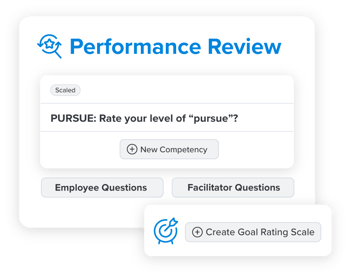
Streamlined Performance Reviews: Effective performance review tools move beyond annual check-ins to facilitate more frequent, meaningful conversations. These tools can help standardize the process, gather comprehensive feedback, and ensure that performance discussions are productive.
-
Real-Time Recognition: Recognition features within performance management systems allow for immediate acknowledgment of achievements, reinforcing positive behaviors and boosting morale. This can include peer-to-peer recognition, badges, and public shout-outs.
-
Enhanced Clarity and Connection with 1-on-1s: Dedicated modules for one-on-one meetings ensure that managers and employees have structured time for dialogue, goal alignment, and personal development discussions, strengthening their working relationship.
-
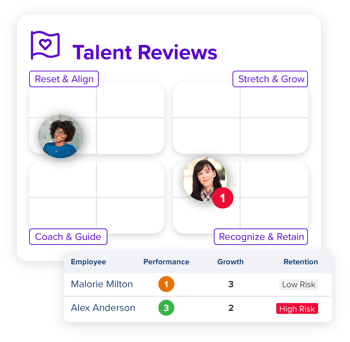
Talent Identification and Development: Talent review tools provide objective frameworks for assessing performance and potential, enabling organizations to identify high-potential employees and create targeted development plans.
-
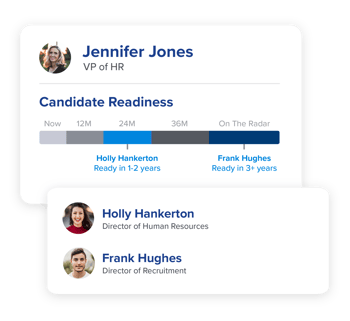
Sustained High Performance with Succession Planning: Succession planning tools help organizations proactively identify and develop future leaders, ensuring business continuity and a pipeline of talent ready to step into critical roles.
Conclusion
Building and sustaining high-performing teams is not a singular event but an ongoing commitment. It requires a strategic approach that integrates clear objectives, open communication, mutual trust, continuous learning, and effective leadership at all levels. By fostering these characteristics and implementing practical strategies, organizations can cultivate teams that are not only productive but also innovative, resilient, and capable of achieving exceptional results in the ever-evolving business landscape. The investment in developing high-performing teams is an investment in the future success and sustainability of the organization itself.