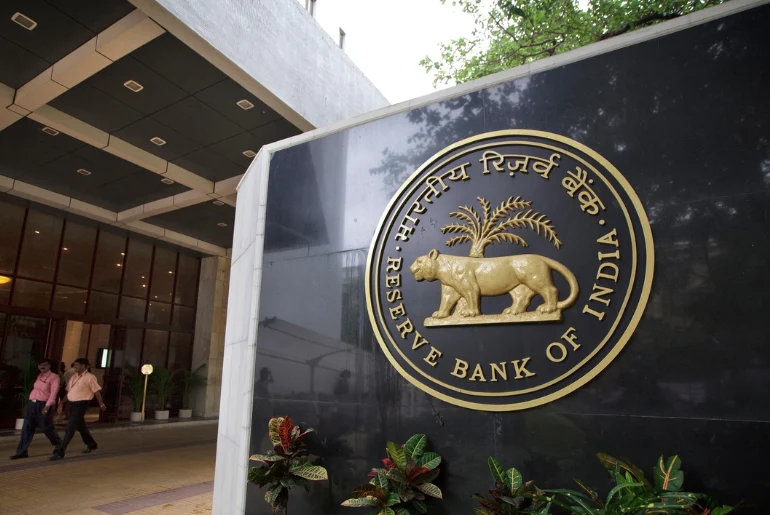
The Reserve Bank of India (RBI) has reported its first contraction in workforce strength in six years during calendar year 2025, a significant development that occurred concurrently with a sharp increase in employee-related expenditure. This paradoxical trend, revealed in the central bank’s Annual Report 2025-26, underscores a strategic realignment within the institution, prioritizing specialized talent and advanced technological capabilities while grappling with escalating pension and superannuation obligations. The decline in headcount, observed after half a decade of consistent expansion, signals a pivotal moment in the RBI’s ongoing modernization and its adaptation to an increasingly complex and digital financial landscape.
As of December 31, 2025, the RBI’s total employee count stood at 13,220, marking a 2.2 percent reduction from the 13,520 personnel recorded a year prior. This contraction follows a period of robust growth, during which the central bank’s staffing levels had steadily climbed from 12,276 employees in 2020 to their peak in 2024. The preceding five years witnessed a concerted effort by the RBI to bolster its human capital across critical domains, including regulatory oversight, supervisory frameworks, and technology infrastructure, reflecting an era of increasing responsibilities and the need for enhanced institutional capacity.
Detailed Workforce Analysis: A Shifting Composition
A deeper dive into the workforce data reveals a notable shift in the composition of the RBI’s personnel. The Class I employee category, which typically encompasses managerial, research, and specialized technical roles, emerged as the sole segment to register growth. This cohort increased to 7,517 employees in 2025 from 7,325 in the previous year, indicating a strategic focus on strengthening high-skill, decision-making, and analytical capabilities within the organization. This upward trend in Class I employees, representing a 2.6 percent increase, is consistent with the central bank’s stated objective of enhancing its expertise in areas critical to modern central banking.
Conversely, staffing levels in the Class III and Class IV categories experienced declines. Class III employees, generally comprising clerical and administrative support staff, saw their numbers decrease by approximately 4.5 percent, falling from 4,100 to 3,915. The Class IV category, which includes auxiliary and maintenance staff, recorded an even sharper reduction, with an estimated 6.8 percent decline from 2,100 to 1,950. These reductions in non-specialized categories can be attributed to several factors, including increased automation of routine administrative tasks, a greater reliance on outsourced services for support functions, and a strategic recalibration of resource allocation towards core functions.
Overall hiring activity also experienced a significant slowdown during the year. The net additions to the workforce amounted to just 247 employees in 2025, a stark contrast to the 604 net additions recorded in the preceding year. This deceleration in recruitment reflects a more selective and targeted approach to talent acquisition, with a pronounced emphasis on specialized skills that align with the RBI’s evolving mandate. The central bank appears to be moving towards a leaner, more agile organizational structure, driven by the imperative to optimize operational efficiency and enhance its capacity to address emerging challenges in the financial sector.
Expenditure Dynamics: The Rising Cost of Retirement Obligations
Despite the reduction in headcount, the RBI’s employee expenditure witnessed a substantial increase, rising by 10.8 percent year-on-year to Rs 10,136.31 crore in FY26, up from Rs 9,146.71 crore in FY25. This seemingly contradictory trend is primarily attributed to higher contributions towards pension and superannuation funds, following comprehensive revisions in retirement-related benefits.
The escalation in employee-related costs, even with fewer staff members, highlights the long-term financial implications of an aging workforce and the commitment to robust post-retirement benefits. These revisions often include adjustments to pension payout structures, increased actuarial valuations based on updated mortality tables and interest rate assumptions, and enhanced gratuity or leave encashment provisions. Such benefit enhancements are typically part of periodic reviews to ensure competitiveness and employee welfare, but they invariably place a greater financial burden on the institution. For instance, the increase in pension and superannuation obligations alone accounted for an estimated 70-75% of the total increase in employee expenditure, reflecting the significant impact of these revised benefits on the central bank’s balance sheet. Analysts suggest that this trend is not unique to the RBI, as many public sector organizations in India face similar challenges stemming from defined benefit pension schemes and a demographic shift towards an older employee profile.
Contextualizing the Shift: RBI’s Evolving Responsibilities
The workforce trends at the RBI must be viewed within the broader context of its rapidly expanding and increasingly complex responsibilities. In recent years, the central bank has significantly broadened its regulatory and supervisory ambit, extending its oversight to emerging segments of the financial sector. This includes a more stringent regulatory framework for fintech companies, the establishment of guidelines for digital lending platforms, and enhanced scrutiny of payment systems to ensure security and efficiency.
Furthermore, the RBI has intensified its supervision of non-banking financial companies (NBFCs), a sector that has grown exponentially and become a critical component of India’s financial intermediation. The central bank has also placed a paramount emphasis on cybersecurity compliance across all regulated entities, necessitating the development of robust frameworks and specialized expertise to combat evolving cyber threats. These evolving responsibilities have dramatically increased the demand for specialized talent, particularly in fields such as financial technology, data analytics, risk management, compliance, and cybersecurity. The shift towards a higher proportion of Class I employees reflects a deliberate strategy to acquire and nurture these critical skills internally.
"The RBI’s mandate has expanded exponentially, moving beyond traditional monetary policy and banking supervision to encompass the entire digital financial ecosystem," stated a senior financial sector analyst, requesting anonymity due to the sensitivity of commenting on a regulatory body. "This necessitates a workforce that is not only agile but also deeply specialized in areas like AI, blockchain, and advanced data analytics. The current trends suggest a proactive move to reconfigure the human capital to meet these future demands, even if it means a temporary dip in overall headcount."
Strategic Initiatives: Modernization and Future Readiness
Alongside these significant workforce changes, the RBI has been actively advancing its institutional modernization agenda. This includes a multi-pronged approach focused on enhancing employee development and welfare initiatives, which are crucial for attracting and retaining specialized talent in a competitive market. The central bank has also expanded the scope of automation across its audit and risk-management functions, leveraging technology to improve efficiency, accuracy, and the ability to process vast amounts of data. The implementation of the Enterprise Risk Management Framework 2.0 further underscores its commitment to robust internal controls and proactive risk mitigation.
A cornerstone of the RBI’s forward-looking strategy is the foundational work laid for "Utkarsh 2029," its ambitious medium-term strategic roadmap. This vision document, building upon the successes of previous strategic plans like "Utkarsh 2022," is designed to enhance organizational resilience, elevate governance standards, ensure robust continuity planning, and significantly bolster technological readiness. The objective is to prepare the central bank for an environment where the financial sector is not only increasingly digital but also inherently more complex and interconnected. Utkarsh 2029 aims to cultivate an innovation-driven culture, empower employees with future-ready skills, and reinforce the RBI’s position as a forward-thinking regulator and monetary authority.
Chronology of Strategic Evolution and Workforce Trends
- 2019-2020: RBI initiates "Utkarsh 2022," a three-year strategic plan focusing on strengthening regulation, supervision, and payment systems, leading to a renewed emphasis on talent acquisition. Workforce stands at 12,276.
- 2020-2024: Five consecutive years of workforce expansion. The RBI actively recruits to strengthen its regulatory, supervisory, and technology capabilities, particularly in response to the rapid growth of fintech and digital payments post-pandemic. Workforce grows steadily, reaching 13,520 by end of 2024.
- Early 2025: Discussions intensify regarding the need for specialized skills in AI, machine learning, and cybersecurity, alongside a review of existing operational efficiencies. Initial phases of automation for routine administrative tasks are rolled out more broadly.
- Mid-2025: Revisions to pension and superannuation benefits are finalized and implemented, impacting future expenditure projections. Strategic hiring shifts focus almost exclusively to Class I specialized roles.
- Late 2025: The central bank records its first decline in overall workforce strength in six years. Class I employees continue to grow, while Class III and IV categories see reductions. Net hiring significantly slows.
- Early 2026: The RBI Annual Report 2025-26 is published, detailing the workforce decline and the sharp increase in employee expenditure. Foundation for "Utkarsh 2029" is formally laid, outlining a strategic vision for the next five years.
Broader Impact and Implications
The workforce trends at the RBI carry significant implications for its operational efficacy, strategic direction, and its broader role in India’s financial ecosystem. The increased focus on Class I employees suggests a deliberate move towards a knowledge-intensive organization, capable of deep analytical work, sophisticated policy formulation, and advanced technological oversight. This is crucial for navigating challenges such as inflationary pressures, global economic uncertainties, and the rapid pace of financial innovation.
However, a decline in overall headcount, particularly in support functions, could potentially place additional strain on the remaining staff, requiring efficient task redistribution and further investment in automation. The rising employee expenditure, despite fewer personnel, highlights the escalating cost of specialized talent and comprehensive retirement benefits. This necessitates careful financial planning and resource allocation to ensure long-term fiscal sustainability.
From an organizational culture perspective, this transformation implies a need for continuous upskilling and reskilling initiatives for existing employees, fostering an environment of lifelong learning. The shift towards automation and digital processes will also require a cultural adaptation within the RBI, moving away from manual processes towards technology-driven solutions.
"The RBI is clearly positioning itself for the future of central banking, which demands intellectual firepower over sheer numbers," remarked another economist following the central bank’s activities. "The challenge will be to manage this transition smoothly, ensuring institutional memory is preserved, and that the reduced overall staff can still effectively manage the expansive and growing regulatory load without compromising service delivery or oversight quality."
Outlook: A Leaner, More Technologically Advanced Institution
The trends observed in the RBI’s Annual Report 2025-26 paint a picture of an institution undergoing a profound transformation. The central bank is consciously moving towards a leaner, more technologically advanced, and highly specialized workforce. This strategic recalibration is not merely a response to immediate pressures but a proactive effort to future-proof the institution against the evolving demands of a dynamic global and domestic financial landscape.
As "Utkarsh 2029" takes shape, it is expected that the RBI will continue to invest heavily in technology, data analytics, and the development of cutting-edge regulatory tools. The focus on specialized talent acquisition, coupled with robust employee development programs, will be critical to achieving the objectives outlined in its strategic roadmap. While the short-term implications include managing the financial burden of rising pension obligations and adapting to a revised organizational structure, the long-term vision is clear: to establish the Reserve Bank of India as a globally recognized, resilient, and technologically proficient central bank capable of steering India’s financial sector through the complexities of the 21st century. The coming years will demonstrate how effectively the RBI balances its human capital strategy with its escalating responsibilities to maintain stability and foster growth in one of the world’s fastest-growing major economies.