
The modern workplace is a dynamic ecosystem, constantly reshaped by technological advancements, evolving employee expectations, and shifting business strategies. Within this landscape, the traditional annual performance review, once a cornerstone of talent management, is increasingly being scrutinized for its shortcomings. A growing body of research and anecdotal evidence suggests that the once-a-year evaluation, often laden with anxiety and uncertainty, is falling short of its intended purpose, leaving employees disengaged and organizations missing opportunities for continuous improvement.
The criticism leveled against the traditional model is multifaceted. For years, employees have reported feeling anxious leading up to their annual reviews, fearing criticism or potential negative repercussions. This sentiment is often amplified by the inherent recency bias in a year-end assessment, where recent successes or failures can disproportionately overshadow months of consistent effort. Furthermore, the rigid, often one-way communication structure of traditional reviews fails to capture the agile nature of contemporary work, which demands real-time feedback and ongoing dialogue.
Research from Quantum Workplace underscores this sentiment, revealing that a significant percentage of employees find their organization’s performance management approach inefficient (52%), ineffective (51%), and unmotivating (52%). These figures highlight a critical disconnect between existing practices and employee needs, suggesting a pressing need for HR leaders to reimagine their performance review systems.

The Purpose of Performance Reviews: Beyond Evaluation
At its core, the purpose of an employee performance review has always been to foster growth and alignment. However, the execution has often diverged from this ideal. A truly effective performance review transcends mere evaluation; it serves as a catalyst for a two-way conversation that clarifies expectations, assesses progress, and actively supports employee development. It’s a strategic opportunity to align individual aspirations with organizational goals, transforming a potentially dreaded ritual into a powerful engine for continuous improvement and engagement. When performance criteria, expectations, and standards are clearly defined and intrinsically linked to company values and overarching strategy, reviews become foundational pillars for growth, retention, and a shared sense of purpose.
Challenges of the Traditional Annual Review
The limitations of the traditional annual performance review are well-documented.
- Recency Bias: The tendency to overemphasize recent events, both positive and negative, at the expense of an employee’s entire year of performance. This can lead to skewed evaluations and a sense of unfairness.
- Infrequent Feedback: A once-a-year assessment means employees may go extended periods without constructive feedback, hindering their ability to course-correct or capitalize on strengths. This delay can also stifle innovation and problem-solving.
- Anxiety and Demoralization: The high-stakes nature of annual reviews can create significant stress and anxiety for employees, potentially impacting their morale and motivation leading up to and following the evaluation.
- One-Way Communication: Many traditional reviews are perceived as top-down directives rather than collaborative dialogues, limiting employee input and ownership of their development.
- Lack of Agility: The rigid structure of annual reviews often fails to accommodate the rapid pace of change in today’s business environment, making it difficult to address emergent challenges or evolving responsibilities effectively.
Quantum Workplace research further emphasizes the disconnect, indicating that ongoing feedback and regular one-on-one conversations with managers are significantly more effective in improving employee performance than formal review processes or ratings alone.
The Imperative for a Modern Performance Review System
The shortcomings of the traditional model necessitate a paradigm shift. HR leaders are increasingly recognizing the need for performance review systems that are not only efficient and effective but also deeply engaging for employees. A modern performance management cycle should embrace continuous evaluation, consistent feedback, and ongoing coaching. Such an approach can significantly enhance employee engagement, elevate overall performance, and drive sustainable organizational growth.

Efficiency: Streamlining the Process
In today’s fast-paced work environment, both managers and employees are pressed for time. Cumbersome tools and excessive paperwork are significant deterrents to participation. HR departments must prioritize simplifying and standardizing the review process, making each step as accessible and straightforward as possible. A user-friendly performance management platform is no longer a luxury but a necessity. This technology should facilitate the aggregation of performance data and streamline the conversation itself. Currently, only an estimated 48% of employees perceive their organization’s performance management approach as efficient, underscoring the room for improvement in process design and technological integration.
Effectiveness: Driving Real Performance Improvement
The ultimate measure of any performance review system is its ability to demonstrably improve employee performance. Every review conversation should be anchored by clear, measurable goals and actionable feedback that directly supports individual growth. However, current data suggests a gap in this area, with only about 49% of employees finding their organization’s performance management approach effective in this regard. This highlights a critical need for a more results-oriented approach to performance discussions.
Engagement: Fostering a Culture of Value
The impact of performance reviews on employee engagement is profound, ranging from positive to negative. To cultivate a positive impact, organizations must prioritize transparency and foster a genuine two-way dialogue where employees feel valued and heard. Conversations should consistently focus on growth and development, with employees actively participating in goal setting, performance assessment, identifying development opportunities, and discussing career pathing options. Sadly, only around 48% of employees report that their organization’s performance management approach is motivating, indicating a significant opportunity to enhance employee buy-in and enthusiasm.
Pillars of an Effective Performance Review Process
A performance review system that is efficient, effective, and engaging requires a thoughtful integration of several key elements. When executed correctly, these reviews can serve as powerful motivators, aligning efforts and maximizing potential. Conversely, poorly managed reviews can lead to disengagement and even decreased performance.

Frequent Touchpoints: The Power of Ongoing Dialogue
Moving beyond the confines of the annual review is essential for cultivating sustained employee success. The rapid pace of organizational and individual change necessitates consistent communication. Quarterly or monthly performance conversations, supplemented by a year-end summary of overarching themes, progress, and future plans, are highly recommended. This cadence ensures continuous alignment on goals, progress, and performance.
Research indicates that more frequent performance conversations, such as monthly ones, correlate with a 21% increase in review effectiveness, an 11% boost in engagement, an 8% increase in perceived fairness, and a 5% improvement in performance. While the prospect of monthly reviews might seem daunting, these conversations need not be lengthy or exhaustive to be impactful. Frequent, focused discussions equip teams to navigate unexpected changes more adeptly.
Two-Way Conversations: Empowering Employee Voice
Performance conversations should not only be frequent but also highly engaging. Both managers and employees should be active contributors, with employees invested in the preparation process. Constructive criticism, delivered thoughtfully, empowers team members to identify areas for improvement and pursue personal and professional growth. While a universal template for performance discussions doesn’t exist, every conversation should be designed to foster trust, reduce anxiety, ensure clarity, and promote alignment. These dialogues can extend beyond performance to encompass career aspirations, skill development, and personal well-being.
Future-Focused Orientation: Guiding What’s Next
Traditionally, performance reviews have been retrospective, focusing on past achievements and shortcomings. However, employees cannot alter the past, making an exclusive focus on it disengaging. The true power of a performance review lies in its ability to shape the future. While reflection on past performance is valuable, the bulk of the conversation should pivot towards forward-looking objectives and development plans for the upcoming year.
Transparency: Reducing Anxiety and Building Trust
Performance reviews can be a source of significant anxiety. Proactive transparency, involving employees early in the process, is a potent antidote. Managers should collaborate with employees to establish a clear, shared agenda with key discussion points. This ensures both parties understand expectations, eliminating unwelcome surprises. Transparent reviews, coupled with genuine employee feedback, are crucial for fostering professional growth and building trust.
Objectivity: Data-Driven Assessments
In an era rich with data, subjective performance reviews are increasingly unacceptable. Managers should leverage data from multiple sources to inform evaluations, including recognition received, peer feedback, talent review ratings, notes from one-on-one meetings, and progress toward goals. Every statement made during a performance review should be substantiated by concrete data, rather than personal opinion. This data-driven approach lends credibility and fairness to the assessment process.
Technology Enablement: Modernizing the Experience
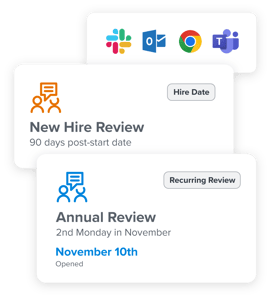
A clunky, outdated review process will inevitably deter participation. Performance review software is instrumental in simplifying the process and enhancing its effectiveness for all stakeholders. Moving performance reviews from spreadsheets to a dedicated digital platform allows for seamless agenda sharing, note-taking, and year-round performance documentation. Such software empowers managers with diverse data sources, enabling them to act as more effective coaches, conduct more insightful reviews, and minimize subjectivity. Research indicates that employees perceive managers who effectively utilize technology as 3.4 times more effective at management.
Conducting Performance Reviews: Roles and Best Practices
The responsibility for conducting effective performance reviews typically falls to HR professionals and direct managers, who must collaborate to create a system that is efficient, effective, and engaging.
Preparation is Key
- Sync Criteria and Goals: Managers and employees need a shared understanding of performance standards. This begins with clear communication of performance criteria from the organization. Managers act as interpreters, adding qualitative context (e.g., goal progress, 360-feedback) to quantitative data. A coaching mindset is crucial, distilling information to make it digestible for employees.
- Gather Employee Data: Move beyond subjective opinions by collecting rich data from various sources, including previous one-on-one notes, goal progress, role competencies, 360-feedback, and recent recognition. This data provides context for discussions and fosters more authentic relationships.
- Prepare Notes and Agenda: A shared agenda, developed collaboratively, reduces anxiety and allows employees to contribute their perspectives. This ensures a more balanced and productive conversation.
- Align on Expectations: Clearly define the purpose and expectations of the review meeting itself. This upfront alignment helps prevent misunderstandings and ensures both parties approach the discussion with a shared understanding of what constitutes good performance.
During the Review: Facilitating Meaningful Dialogue
- Reflect on the Past, Focus on the Future: While acknowledging past performance is important, the primary focus should be on future development and goal setting. This forward-looking approach aligns with employee desires for ongoing feedback and development opportunities.
- Ask Insightful Questions: Employing effective performance review questions is critical for keeping discussions focused on what truly matters for employee and organizational success. Using performance review templates that encourage honest feedback can uncover actionable insights for improvement. The goal is to shift from an evaluative mindset to a coaching one.
- Choose Words Carefully: The language used in performance reviews carries significant weight. Thoughtful, considerate phrasing can be motivating, while careless words can be demotivating. Understanding what not to say is as important as knowing what to say.
- Practice Active Listening: Performance conversations are dialogues, not monologues. Active listening involves more than just allowing equal speaking time; it requires understanding, seeking clarification through follow-up questions, and repeating back what has been heard to ensure accurate comprehension.
- Conclude with Next Steps: The review process should not end with the meeting. Clearly defined next steps, documented agreements, and actionable plans are vital for ensuring that insights translate into tangible progress.
Types of Performance Reviews: A Multi-Faceted Approach
A diverse range of performance review types can be strategically employed to meet evolving organizational needs and enhance employee engagement and development.
- Annual Performance Review: A crucial time for comprehensive reflection on the past year, acknowledging achievements, addressing concerns, and setting the stage for future growth and alignment.
- Mid-Year Performance Appraisal: An opportunity to assess goal progress, adjust strategies, and address any emerging obstacles or opportunities.
- Quarterly Performance Conversation: Milestone reviews focused on continuous improvement, tracking progress, and adapting to change, ensuring employees receive timely training and support.
- Monthly 1-on-1 Meetings: Regular touchpoints for providing consistent, actionable feedback, fostering a sense of being heard and valued, and delving into specific work challenges.
- Weekly Check-Ins: The bedrock of a strong feedback culture, offering timely and constructive input as work progresses, recognizing accomplishments, and nurturing continuous improvement.
- 360-Degree and Self-Performance Reviews: Comprehensive assessments gathering feedback from peers, subordinates, and supervisors, offering a holistic view of performance and identifying areas for development.
Performance Review Templates: Structuring for Success
Well-crafted performance review templates are instrumental in transforming reviews from administrative tasks into strategic initiatives that foster a culture of continuous development.
- Streamline and Customize: Templates provide a foundational structure, ensuring key areas are consistently addressed. They can be tailored to specific teams, roles, and organizational cultures, maintaining relevance and efficiency.
- Align to Employee Goals: Templates should facilitate the alignment of individual employee goals with broader company and team objectives. This fosters a sense of ownership and commitment.
- Weave in Performance Competencies: Integrating performance competencies helps employees focus on job-specific skills and growth areas, providing clear benchmarks for proficiency and career advancement.
Performance Review Software: Enhancing Efficiency, Effectiveness, and Engagement
Modern performance review software offers a robust solution for creating more effective, efficient, and engaging performance conversations. These platforms empower managers and employees by providing reliable context, facilitating objective discussions, and ensuring consistent follow-through. Key features often include:
- Customizable review modules tailored to organizational needs.
- Tools to help managers build positive performance habits through integrated workflows.
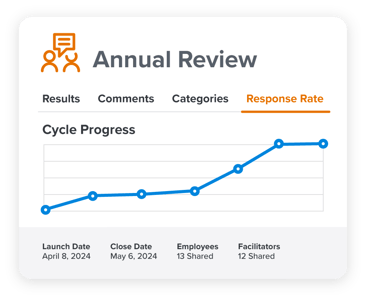
- Real-time tracking of review response rates and performance data.
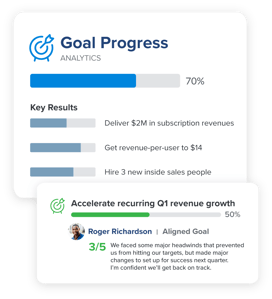
- The ability to embed performance goals directly into review processes.
- Support for multi-rater feedback to provide comprehensive insights.
- Dashboards for visualizing and aligning performance data across teams.
Preparing for, Conducting, and Following Up on Performance Reviews
A structured approach, encompassing preparation, the review itself, and diligent follow-up, is critical for maximizing the impact of performance reviews.
Preparation: Laying the Groundwork
- Review Goals and Past Notes: Revisit established goals, expectations, and previous performance discussions to ensure continuity and context.
- Collect Supporting Data: Gather objective evidence from various sources to substantiate performance discussions.
- Identify Growth Areas Proactively: Anticipate areas for development and prepare constructive suggestions.
- HR’s Role in Preparation: HR can provide training to managers, ensure consistency in the process, and offer guidance on best practices.
During the Review: Facilitating Dialogue
- Create a Supportive Environment: Ensure a private, distraction-free setting conducive to open communication.
- Lead with Strengths, Then Growth: Begin by acknowledging achievements and positive contributions before addressing areas for development.
- Foster Two-Way Communication: Encourage active participation and listen attentively to the employee’s perspective.
- Set Future-Focused Goals Together: Collaboratively define clear, actionable goals for the upcoming period.
- HR’s Role During the Review: HR can act as a resource for managers, offering support and ensuring fairness.
Follow-Up: Translating Insights into Action
- Document Agreements and Next Steps: Clearly record agreed-upon actions, timelines, and responsibilities.
- Maintain Ongoing Check-ins: Schedule regular follow-up meetings to monitor progress and provide continued support.
- Track Progress with Clear Metrics: Utilize defined metrics to measure the impact of development plans and performance improvements.
- HR’s Role After the Review: HR can help track follow-up actions, identify organizational trends, and refine the review process based on feedback.
Breaking Down Performance Reviews: Tips for Employees and Managers
A transparent and equitable process benefits both parties.
Tips for Employees:
- Prepare by reflecting on accomplishments and challenges.
- Be open to feedback and ask clarifying questions.
- Actively participate in goal setting and development planning.
- Seek feedback proactively throughout the year.
Tips for Managers:
- Prepare thoroughly with data and examples.
- Create a safe and encouraging environment for dialogue.
- Focus on development and growth, not just evaluation.
- Provide timely and specific feedback.
- Follow through on commitments and action plans.
Conclusion
Modernizing performance reviews is no longer an option but a necessity for organizations aiming to foster an engaged, high-performing workforce. By moving beyond the limitations of traditional annual appraisals and embracing a dynamic approach centered on continuous feedback, clear goals, and collaborative dialogue, companies can significantly enhance employee motivation and productivity. The strategic implementation of performance review best practices, supported by appropriate technology, can transform the review process from a stressful obligation into a meaningful, growth-focused conversation that strengthens workplace connections and drives sustainable success.