
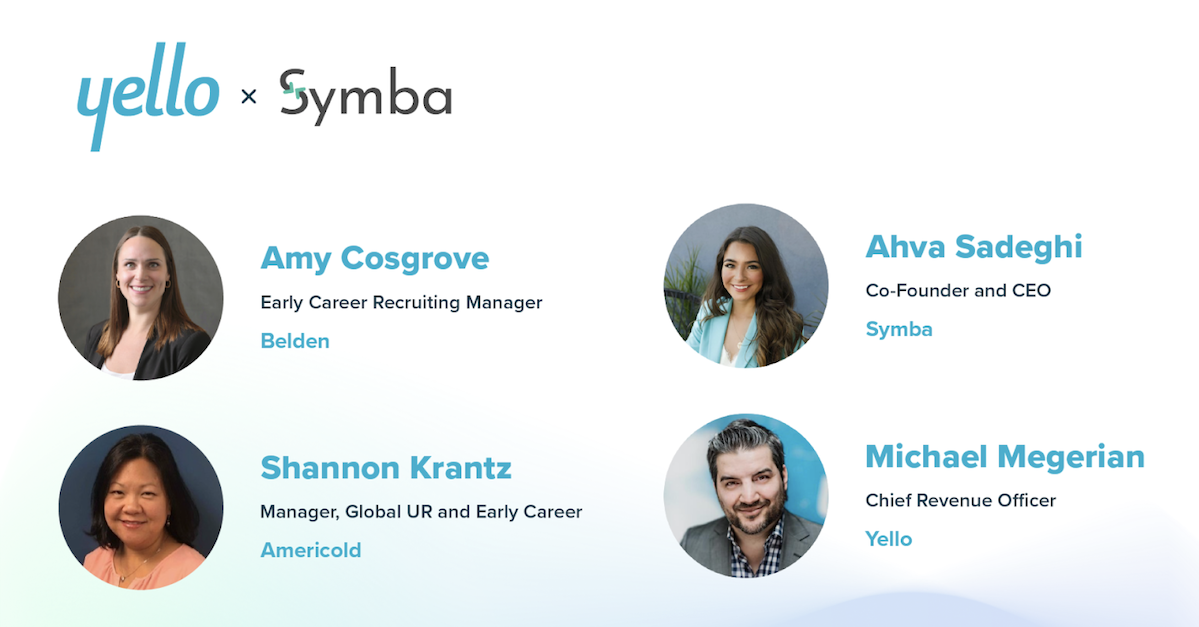
The global landscape of early talent acquisition has experienced a seismic shift, making the engagement and retention of entry-level professionals more challenging than ever before. In response to this evolving environment, Yello, a leading provider of early talent acquisition software, has announced its strategic acquisition of Symba, an innovative internship management platform. This pivotal move aims to forge a comprehensive, end-to-end solution designed to cultivate stronger connections with early talent, spanning from their initial interaction to their crucial first day on the job and beyond. The acquisition addresses a critical need within the recruitment sector, particularly concerning the significant "candidate engagement gap" that frequently leads to costly reneged offers and diminished talent pipelines.
The Evolving Dynamics of Early Talent Acquisition
For many organizations, the traditional rhythms of talent acquisition, especially for early career roles, no longer suffice. Recruiters and hiring managers across industries report a palpable shift in candidate behavior and market conditions. A "rollercoaster job market" characterized by rapid fluctuations, coupled with an "uncertain economy," has rendered today’s talent pool more cautious and discerning during their job search. This heightened wariness translates into increased competition among employers vying for top-tier candidates, alongside a notable decline in candidate engagement throughout the hiring process.
Employers are contending with a new array of challenges, including:
- Intensified Competition: The battle for skilled early talent is fiercer, as candidates often field multiple offers.
- Decreased Engagement: The period between offer acceptance and start date sees a significant drop-off in candidate interaction.
- Higher Candidate Expectations: Modern candidates, particularly Gen Z, demand more from their prospective employers—not just competitive compensation, but also a clear career path, strong company culture, emphasis on diversity, equity, and inclusion (DEI), and continuous communication.
- Administrative Burden: Managing the logistics of large-scale internship and new grad programs manually is increasingly unsustainable and prone to error.
These factors collectively contribute to a situation where engaging and retaining entry-level talent has become an arduous task. The Yello-Symba acquisition is positioned as a direct response to these pressures, promising to streamline operations and enhance the candidate experience.
Mapping the Early Career Journey: Uncovering Critical Gaps
A common misconception in early recruiting is that "it only happens in the fall." While the autumn recruitment season is undoubtedly a period of intense activity, successful talent acquisition and retention is, in reality, a year-round endeavor. Building robust talent pools, nurturing meaningful candidate relationships, and securing high offer acceptance rates require sustained effort. To understand where candidates often "fall through the cracks," it’s essential to examine the early career hiring journey in its entirety.
Consider a typical internship hiring timeline, which can be broken down into four distinct phases:
Phase 1: Fall Recruiting – The Initial Spark
This phase is the traditional "bread and butter" of early talent acquisition. Organizations actively engage with potential hires at career fairs, university events, and online platforms. It’s a period of high excitement and momentum, where companies showcase their brand, share information about open roles, and aim to secure a strong class of talent for the upcoming year. Recruiters extend offers, and many candidates enthusiastically accept, marking what might seem like the culmination of the recruiting effort.

Phase 2: The Candidate Engagement Gap – The Silent Period
This is where the process often falters, posing the greatest risk. Imagine an early talent hire: they’ve navigated a rigorous recruiting process, weighed multiple internship opportunities, and finally accepted an exciting offer. Then, a prolonged silence ensues. For the many months that often separate the fall recruiting season from the summer internship start date (typically November to May), new hires often hear nothing from their future employer.
As Ahva Sadeghi, Co-Founder and CEO of Symba, aptly observed, reflecting on her own career start, "At the beginning of my career, I had six different internships. For most, I didn’t get any emails from my employer until the week before my internship started. That’s a lot of silence.” This "candidate engagement gap" is a critical vulnerability. During this extended period, top talent remains active in the job market, potentially exploring or even accepting alternative opportunities. Without a structured and proactive communication plan, organizations risk losing the very hires they worked so diligently to attract.
Phase 3: Summer Internship Season – The Fruits of Labor
Assuming candidates successfully navigate the engagement gap, this phase marks the full swing of the internship program. New hires are onboarded, managers and leadership actively participate, and organizations begin to see the tangible benefits of their recruiting efforts. It is a period of productivity and learning, where interns gain valuable experience and companies assess potential future full-time employees.
Phase 4: Post-Internship Keep-Warm – Nurturing Future Leaders
The primary objective of most internship programs extends beyond immediate productivity; it is to identify and cultivate a pipeline of qualified early talent for future full-time roles. Consequently, many early recruiting teams have developed robust post-internship communication strategies. This typically involves following up with high-performing interns, staying connected about relevant open roles, and extending full-time offers to a significant portion of the cohort. However, even in this phase, there remain opportunities for refinement, such as enhancing the structure and frequency of outreach and consistently reinforcing the organization’s value proposition.
The Alarming Cost of Post-Offer Disengagement

The phase between an offer being accepted and the internship or start date has historically been perceived as a quiet period, where recruiting teams might assume their work is complete. However, this assumption is now critically outdated. The reality is that there can be as much as eight full months between an accepted offer and the commencement of employment. During this extended hiatus, the risk of losing new hires significantly escalates.
Current data paints a stark picture:
- 52% of candidates are still actively applying for jobs even after accepting a role. This statistic, highlighted in the 2024 State of Campus Recruiting Report, underscores a pervasive lack of commitment driven by market uncertainty and a desire for optimal opportunities. This behavior reflects a candidate-driven market where individuals prioritize securing the best possible fit, even after an initial commitment.
- There has been a +100% increase in renege rates since 2021. This dramatic surge indicates a profound shift in candidate behavior and market dynamics, likely influenced by the post-pandemic economic recovery and heightened demand for talent. Candidates feel empowered to withdraw acceptances if more attractive offers emerge or if their initial enthusiasm wanes due to lack of engagement.
- Specifically, there has been a 10% increase in intern reneges. This figure is particularly concerning for early talent programs, as interns represent a crucial feeder pool for future full-time employees. Losing an intern before they even start disrupts project plans and diminishes the potential return on investment in recruiting.
The financial repercussions of these reneged offers are substantial. Research indicates that organizations incur an average loss of $4,700 or more per reneged offer. This cost is multifaceted, encompassing:
- Recruiter Time: The hours spent sourcing, interviewing, and extending offers must be repeated.
- Advertising and Marketing: Costs associated with job postings, career fair attendance, and employer branding initiatives are effectively wasted.
- Administrative Overhead: Processing paperwork, background checks, and onboarding preparations for a candidate who never arrives.
- Productivity Delays: Projects may be delayed or understaffed due to unexpected vacancies, impacting team performance and business objectives.
- Reputational Damage: A high renege rate can signal internal issues to candidates and competitors, potentially making future recruitment even harder.
Amy Cosgrove, Early Career Recruiting Manager at Belden, highlighted this challenge, stating, “I noticed a lot of reneges from new hires throughout the process up until the start date. With that occasional but consistent drip of losing talent, we couldn’t track where folks were falling off in our old Excel spreadsheets.” This emphasizes the need for systematic tracking and intervention. Shannon Krantz, Manager, Global UR and Early Career at Americold, further detailed their proactive approach: "I’ll send out a communication every month up until a new hire’s start date, and track how quickly they respond. When folks respond immediately, we know that they’re very on board and are excited to start working with us. If it’s taken five days and we still haven’t heard back, we know it’s time to pick up the phone or dig a bit deeper about why they’re not engaging with us.” This proactive monitoring is precisely what Yello and Symba aim to automate and scale.
Yello Acquires Symba: A Unified Vision for Early Career Success

Recognizing the escalating complexity and disjointed nature of early talent recruiting, Yello’s acquisition of Symba represents a strategic move to offer a holistic solution. The combined entity aims to strengthen the entire early career hiring journey, from initial candidate conversation to their first day at work, and beyond.
The synergy between Yello and Symba is designed to:
- Automate Manual Processes: Symba’s platform specializes in automating the intricate aspects of running internship and new graduate programs, freeing up recruiting teams from administrative burdens.
- Maximize Candidate Engagement: By providing structured communication tools and personalized outreach capabilities, the integrated solution ensures consistent interaction with candidates during the critical post-offer gap.
- Boost Conversion Rates: Enhanced engagement directly correlates with higher offer acceptance and lower renege rates, ensuring that hard-earned talent makes it to day one.
- Centralize Data and Insights: A unified platform allows for comprehensive tracking of candidate interactions, sentiment, and program effectiveness, enabling data-driven optimization.
Ahva Sadeghi expressed enthusiasm for the acquisition, noting, “Yello’s leadership is incredibly visionary. They’re thinking many steps ahead about what the market needs. This partnership introduces the first end-to-end early career solution in the market, and I’m excited for what’s to come.” This sentiment underscores the forward-thinking approach of Yello in addressing a significant market void. Amy Cosgrove of Belden further validated the practical benefits, asserting, “Using Symba to automate our communication strategy post-offer has made our strategy so much more structured. We’ve been on a constant journey of improvement since we started.” This real-world impact highlights the transformative potential of such integrated solutions.
Strategies for Building a Consistent New Hire Communication Plan
The Yello-Symba integration offers the technological backbone, but successful implementation also relies on strategic human-centric approaches. Employers can leverage this combined power by:

-
Mapping Out Every Touchpoint: Begin by meticulously outlining every point of contact a new hire has from the moment they accept an offer until their start date. This visual representation helps identify gaps and redundancies. As Amy Cosgrove noted, "We were using several different tools during hiring and onboarding, so it’s a gamechanger to have Symba which is a one-stop-shop throughout the entire process. It’s also a more sophisticated and consistent approach to our communications strategy, instead of sending candidates emails through Outlook or our personal phone numbers.”
-
Flagging Silent Periods: Once the communication map is complete, pinpoint extended periods of silence where new hires are left without interaction. These "holes" are prime opportunities to insert intentional touchpoints.
-
Gathering Feedback: Actively solicit feedback from both candidates (current and past) and hiring managers. Surveys and anecdotal conversations can reveal critical insights into where engagement is lacking or where improvements can be made.
-
Diagnosing the Impact: Analyze recruitment metrics to understand the tangible consequences of engagement gaps. Is it leading to higher renege rates, lower acceptance rates, or decreased new hire satisfaction? Understanding the specific problems allows for targeted solutions.
-
Prioritizing Gaps and Focus Areas: Define what a "5-star new hire experience" looks like for your organization. Identify key messages about your employer brand (e.g., company culture, growth opportunities, DEI initiatives) that you want to reinforce consistently.

-
Adding Intentional Touchpoints: Instead of sporadic communication, implement a structured cadence of outreach. These touchpoints don’t need to be daily or weekly but should be purposeful. Focus on reinforcing those 3-5 core employer brand messages. Shannon Krantz explained the necessity of automation: "We’re sending out 40 emails every week for months on end. It’s impossible to manage without a tool like Symba, which can personalize our messaging and automate those activities so that we have more time to focus on strategic planning and reform our overall hiring structure.”
-
Building Human Connections: Foster genuine relationships before day one. This could involve pairing incoming interns with current team members based on shared interests or alma maters, creating social media groups for the intern class to connect, or scheduling pre-start Zoom calls with managers. Shannon Krantz described a creative approach: "We keep the conversation going by asking interns fun questions via email that make them excited to respond, and so that they can get to know other interns. It can be something silly like ‘Who’s your favorite superhero,’ which is light but drives engagement and helps us gauge response rates.”
-
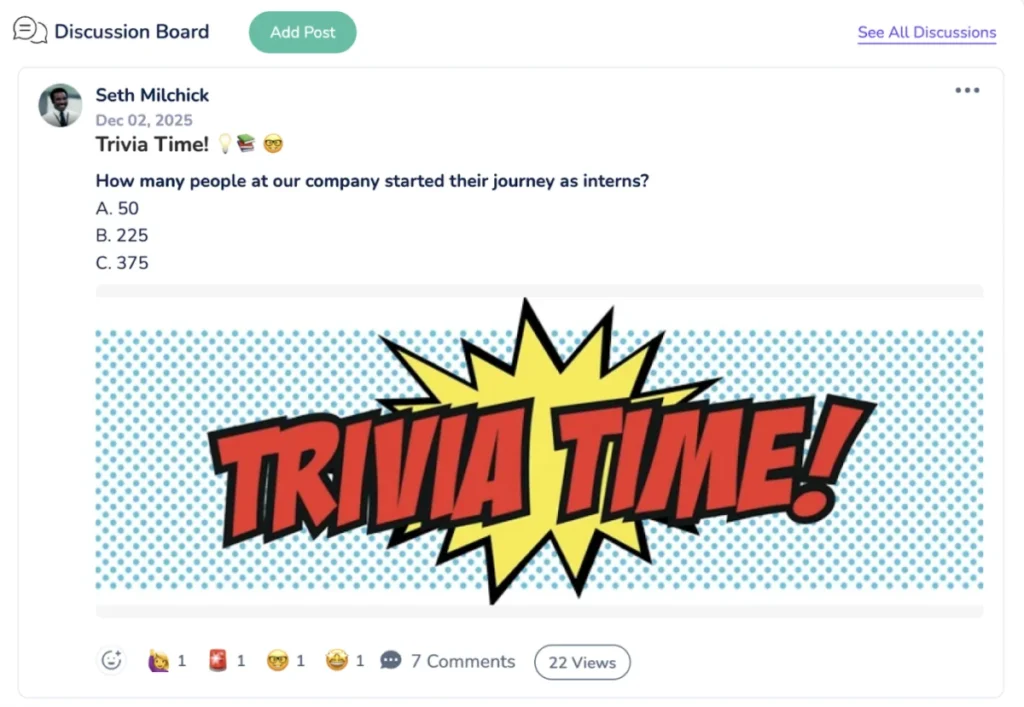
Adding Value Before Day One: Go beyond transactional communication. Send company swag to express appreciation, or organize virtual events like panel discussions or networking sessions that offer valuable career insights to early talent. Amy Cosgrove shared, "We post ongoing discussion starters in Symba, like trivia questions where folks can enter for a raffle prize. It’s low-stakes and fun, so that it’s easy to participate and drive engagement.”
-
Leaning on Integrated Technology: Ultimately, scaling these strategies effectively requires robust technology. The Yello-Symba partnership provides the integrated platform to automate, personalize, and track these communications, ensuring efficiency and impact.
Broader Implications and the Future of Early Talent

The Yello-Symba acquisition signals a broader trend in the recruitment technology space: a move towards more integrated, intelligent, and candidate-centric solutions. The era of piecemeal tools and siloed processes is drawing to a close, replaced by platforms that offer a seamless experience for both recruiters and candidates.
For employers, this means a significant opportunity to gain a competitive edge. Organizations that proactively address the engagement gap, leverage data to understand candidate sentiment, and deploy technology to nurture relationships will be better positioned to attract, convert, and retain the best early talent. This shift transforms early talent acquisition from a transactional process into a strategic, relational one.
The bottom line is clear: strong connections with early talent begin long before day one. It’s no longer sufficient to merely attract candidates in the fall. Organizations must actively keep them connected, excited, and confident in their decision every step of the way. The data unequivocally demonstrates that silence carries a significant cost—in lost talent, wasted time, and substantial financial expenditures. However, with a thoughtfully constructed engagement strategy, intentional and personalized communication, and the right technological infrastructure, organizations can transform today’s disengagement challenges into tomorrow’s decisive competitive advantage.
Yello and Symba’s combined offering empowers companies to simplify candidate management and reinforce critical touchpoints, thereby building meaningful connections from the moment an offer is extended through to successful onboarding and beyond. In this new era of talent acquisition, the organizations that truly excel will not merely recruit early talent; they will proactively nurture, support, and consistently demonstrate why their company is the ideal place for these promising individuals to launch and grow their careers.
(For a deeper dive into these strategies and the Yello-Symba solution, interested parties can access the full conversation and resources like the pre-internship onboarding checklist provided by Yello.)






