Creating a robust leadership development plan is no longer a discretionary initiative but a fundamental imperative for organizations navigating an era defined by rapid change, evolving talent expectations, and the constant pressure to innovate. The absence of a clear, strategic framework for cultivating leadership capability often leads to a disconnect between behavioral change efforts and overarching business objectives, leaving critical leadership gaps unaddressed and hindering organizational progress.
Recent industry surveys underscore this growing concern. A poll of senior talent leaders, detailed in FranklinCovey Institute’s insight report, The Leadership Imperative, revealed that a mere 51% of respondents felt their organization’s behavior change initiatives were "very well" or "extremely well" aligned with their strategic goals. This significant misalignment suggests that many organizations are investing in development without a clear line of sight to desired business outcomes. Further corroborating these findings, recent research from Boston Consulting Group (BCG) confirms that a substantial number of organizations are grappling with the challenge of bridging the gap between their current leadership competencies and those essential for future competitiveness. This disparity highlights a systemic issue in how leadership potential is nurtured and deployed.
Organizations that proactively and deliberately invest in leadership development consistently outperform their peers. They tend to experience faster growth, achieve higher talent retention rates, and demonstrate greater agility in adapting to market disruptions. Conversely, those lacking a structured approach often find themselves in a perpetual state of reactive hiring, filling critical roles as vacancies arise, and losing valuable high-potential employees who perceive a lack of clear career progression pathways.
A strategic leadership development plan serves as a written framework designed to pinpoint the specific competencies a leader requires, articulate the goals they will pursue, outline the learning experiences and developmental opportunities necessary to bridge skill gaps, and establish clear timelines and metrics for measuring progress. The most impactful leadership development plans forge a powerful connection between an individual leader’s professional growth and the organization’s strategic outcomes. When these two trajectories are aligned, both the leader and the organization can advance towards their objectives collaboratively and proactively. As Stephen Covey famously stated, "Leadership is the highest of the arts, simply because it enables all the other arts and professions to work." Developing leaders with intentionality necessitates that both the individual and the organization clearly define success in advance and hold themselves accountable for its achievement.
Why a Leadership Development Plan Matters for Organizations and Individuals
The value of a well-constructed leadership development plan extends to both the organization and the individual leader, creating a symbiotic relationship that drives mutual benefit.
Organizational Benefits
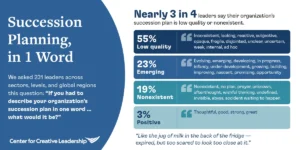
One of the most significant advantages of a robust leadership development plan is the enhancement of succession planning. By intentionally mapping leadership capabilities across the organization, companies can identify potential gaps before a critical vacancy triggers a crisis. This proactive approach minimizes the risk associated with single points of failure in key leadership roles.
Furthermore, when employees perceive a clear and defined path for professional growth, it directly translates into higher retention rates, not only for emerging leaders but for individual contributors as well. Research conducted by PwC indicates that employees who feel aligned with their organization’s leadership goals report being 78% more motivated than those who feel least aligned. Similarly, data from Deloitte highlights that engaged employees with a clear growth trajectory are significantly more likely to remain with their current employers. This suggests that investing in leadership development is also an investment in overall workforce stability and engagement.
Organizations that cultivate leadership capability proactively also demonstrate superior adaptability to organizational change and market disruption. They possess a deeper bench of leaders who are prepared to make and take ownership of difficult decisions, thereby navigating turbulent times with greater resilience.
When leadership development is directly tied to tangible business goals, organizations can generate a measurable return on their learning investments. This reframes leadership development from a mere cost center to a strategic driver of business value, influencing how leaders, managers, and executives engage with the development process at every level.
Individual Benefits
The impact of leadership development on individuals is equally profound. A recent study indicated that 86% of leaders reported significant improvements in their overall leadership effectiveness after completing a dedicated leadership development program. Data from FranklinCovey further reveals that managers participating in the 6 Critical Practices for Leading a Team® course reported a 15% increase in their satisfaction with leadership development opportunities. This underscores that providing leaders with the tools to bridge skill gaps and invest in continuous growth not only enhances their effectiveness but also fosters greater engagement, commitment, and job satisfaction.
A written leadership development plan instills a sense of consistency and intentionality in a leader’s growth journey. It facilitates capability building through deliberate practice rather than relying on inconsistent experiences. This structured approach enhances self-awareness regarding leadership strengths, areas for improvement, and behavioral patterns that influence team performance and decision-making.
By focusing development efforts on specific leadership capabilities, individuals gain clearer priorities for improvement and a more straightforward way to evaluate their progress over time. A well-defined long-term leadership vision also empowers individuals to make more purposeful decisions about skill acquisition, the assumption of expanded responsibilities, and their overall career direction.
A personal leadership development plan elevates this investment by integrating individual values, motivators, and career aspirations alongside organizational expectations. When leaders "own" their development plan rather than viewing it as a directive from above, they become more deeply invested in its execution and are more likely to sustain their engagement, even amidst competing demands.

As the FranklinCovey insight report, Where Are All the Great Leaders? highlights, understanding the forces impacting today’s leaders is crucial for organizations aiming to build the capability needed for long-term success.
The 5 Core Elements of an Effective Leadership Development Plan
The most effective leadership development plans are built upon five interconnected core elements that function as a cohesive system. The sequential order of these elements is crucial for their efficacy: Assessment, Competency Identification, Goal Setting, Relationship-Based Learning, and ongoing Accountability and Review. Neglecting any one of these components can weaken the overall impact of the plan. Leaders can revisit this framework repeatedly as their roles and organizational priorities evolve.
1. Self-Assessment and Feedback
No leadership development plan should commence without a candid assessment of the leader’s current standing. This involves gathering data from multiple sources, including 360-degree feedback, validated strengths assessments, manager and peer reviews, and structured self-reflection on recent leadership decisions. Each of these inputs offers a unique perspective: 360-degree feedback reveals patterns across various relationships, strengths assessments identify underlying capabilities, and peer feedback highlights real-time impact.
Feedback is most impactful when leaders approach it as a starting point for inquiry. While the instinct to defend past decisions is natural, a more productive response is to engage with the data with curiosity, exploring its implications before deciding on a course of action. Leaders who embrace feedback openly are more likely to design plans that address genuine developmental gaps rather than perceived ones.
2. Leadership Competency Identification
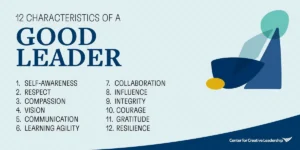
Key leadership competencies consistently cited across organizations include communication, agility, integrity, innovation, conflict management, and team building. The most effective approach involves identifying a select few core competencies that will exert the greatest influence on the leader’s current role and their desired next-level position. Attempting to develop every competency simultaneously often results in superficial progress across the board. Leaders who concentrate on one to three "Wildly Important Goals"® (WIGs) tend to achieve deeper behavioral change in a shorter timeframe.
Competency selection is most robust when it triangulates data from three key sources: the insights derived from assessment data, the greatest needs identified by the leader’s manager and key stakeholders, and the strategic demands the organization anticipates in the next two to three years. The intersection of these three points indicates the competencies that warrant prioritization in the development plan.
3. Goal Setting
While frameworks like SMART (Specific, Measurable, Achievable, Relevant, Time-Bound) goals provide a solid foundation for structuring growth targets within a leadership development plan, they often fall short in the execution phase. SMART goals excel at defining destinations and setting expectations, but they don’t inherently provide the systems leaders need to navigate the daily pressures of operations. Without consistent accountability, even well-defined goals can lose momentum within weeks.
Supplementing standard goal-setting with a single, focused initiative and an effective execution framework empowers leaders to direct their energy toward the Wildly Important Goal (WIG®) that requires deliberate attention. This level of focus distinguishes plans that yield measurable behavioral change from those that remain mere documents. Leaders who "begin with the end in mind" are better equipped to identify goals that remain anchored to a long-term vision, facilitating easier course correction when short-term demands create competing pressures.
4. Mentorship and Coaching
Relationship-based development accelerates progress in ways that self-directed study alone cannot replicate. Research indicates that leaders are 95% more likely to achieve a goal when they engage in ongoing accountability meetings with a partner, compared to only 65% when they make a commitment independently.
Leadership coaching offers structured support, guiding leaders through real challenges in real time. Mentorship, on the other hand, provides access to individuals who have navigated similar transitions, offering unique insights and surfacing blind spots that a formal curriculum might miss. Integrating both mentorship and coaching into a leadership development plan creates a robust support system that bridges the gap between aspirational goals and daily behavior. The plan outlines the destination, while the coach or mentor helps navigate the terrain as conditions evolve.
5. Progress Tracking
A leadership development plan should be viewed as a living document, requiring consistent review and adaptation. A regular review cadence, incorporating three key checkpoints, ensures its continued relevance: progress against stated goals, discussions with a coach or peer mentor, and any shifts in role or organizational priorities that may necessitate a redirection of the plan.
Each review provides an opportunity to retire outdated goals and introduce stretch goals as a leader’s capabilities advance. Plans that remain static quickly become irrelevant. Leaders who actively "use feedback as fuel" approach each review as an opportunity for valuable insight rather than a performance judgment, ensuring the sustainability of the review process over time.
The Path Forward for Proactive Leaders
Leaders who diligently follow a structured leadership development plan not only build skills more rapidly but also transition into larger roles sooner and create enduring value for their organizations. However, the plan itself is merely a roadmap; consistent execution is what ultimately drives results. The most effective leadership development plans integrate self-assessment, focused competencies, measurable goals, coaching and mentorship, and disciplined review. No single element operates in isolation. When all five elements are revisited with unwavering consistency, they foster lasting and transformative change.
FranklinCovey’s leadership and organizational partnerships are dedicated to cultivating exceptional leaders through proven frameworks, effectively closing critical capability gaps and ensuring that future leaders are equipped with the essential skills to navigate an ever-evolving professional landscape. The investment in strategic leadership development is an investment in the future resilience and success of the organization.