The 2025 Enforcement Landscape: A Year of Aggressive Expansion
The fiscal and calendar year of 2025 marked a period of heightened activity for the EEOC, characterized by a significant increase in merits lawsuits and a sharpened focus on systemic discrimination. According to the data compiled in the report, the EEOC moved away from smaller, individual-focused claims toward large-scale litigations designed to impact entire industries. This strategic pivot was facilitated by the full implementation of the agency’s Strategic Enforcement Plan (SEP) for 2024-2028, which prioritized emerging issues such as AI-driven bias and the protection of vulnerable worker populations.
In 2025, the EEOC reported a notable surge in filings during the final quarter of the fiscal year, a traditional "midnight" rush that saw dozens of lawsuits filed in September alone. The report notes that the total number of merits lawsuits filed in 2025 exceeded the counts from the previous three years, signaling a robust return to aggressive litigation after several years of pandemic-related fluctuations and administrative restructuring.
Chronology of Key Events and Regulatory Milestones
The trajectory of EEOC activity in 2025 was defined by several pivotal moments that reshaped the compliance requirements for American employers.
First Quarter 2025: Emphasis on AI and Algorithmic Fairness
The year began with the EEOC issuing updated guidance on the use of Automated Employment Decision Tools (AEDT). Following several high-profile settlements in late 2024, the commission dedicated significant resources to investigating "algorithmic bias," where software used for resume screening or performance evaluation was found to have a disparate impact on protected groups.
Second Quarter 2025: The Pregnant Workers Fairness Act (PWFA) in Full Effect
By the spring of 2025, the EEOC had established a steady rhythm of enforcement regarding the PWFA. The agency moved from educational outreach to active litigation, filing several landmark cases against major retailers and healthcare providers for failing to provide "reasonable accommodations" to pregnant employees. This period also saw the first major appellate court interpretations of the act’s specific requirements.
Third Quarter 2025: Systemic Discrimination Initiatives
As the federal fiscal year approached its end in September, the EEOC’s Office of General Counsel authorized a wave of systemic suits. These cases did not just target single incidents of discrimination but alleged "pattern or practice" violations across multiple corporate locations. The focus was heavily weighted toward the manufacturing and technology sectors, specifically regarding hiring barriers and "glass ceiling" promotions.
Fourth Quarter 2025: Focus on Retaliation and Intersectionality
The final months of the year were dominated by cases involving retaliation—a perennial leader in EEOC charge statistics. However, 2025 saw a rise in "intersectional" claims, where the agency alleged discrimination based on a combination of factors, such as race plus age or disability plus gender, reflecting a more nuanced approach to civil rights enforcement.
Supporting Data: Quantifying the Shift
The 2026 Edition provides granular data that illustrates the scale of the EEOC’s 2025 operations. Key statistics highlighted in the report include:
- Total Merits Lawsuits: The agency filed approximately 165 merits lawsuits in FY 2025, a 15% increase over the previous fiscal year.
- Systemic Litigation: Systemic suits accounted for nearly 35% of the total litigation docket, the highest percentage in the agency’s history.
- Monetary Recovery: Total monetary relief obtained for victims of discrimination through litigation exceeded $600 million, driven by several multi-million dollar settlements in the tech and logistics industries.
- Top Charge Categories: Retaliation remained the most frequently cited basis for a charge (56%), followed by disability discrimination (34%) and race (29%).
- Regional Hotspots: The EEOC’s Chicago, Philadelphia, and San Francisco District Offices were identified as the most litigious, together accounting for nearly 40% of all new filings in 2025.
Emerging Trends: AI, Remote Work, and the "Digital Guardrails"
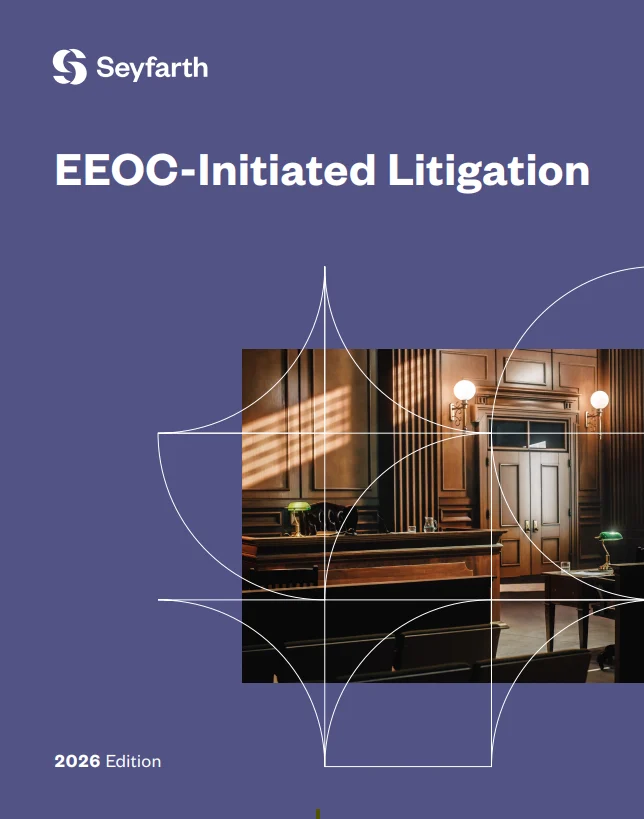
A significant portion of the EEOC-Initiated Litigation: 2026 Edition is dedicated to the intersection of technology and employment law. The report identifies "Digital Guardrails" as a primary theme for 2026. As more companies integrate generative AI into their recruitment and management processes, the EEOC has signaled that it will hold employers strictly liable for the "black box" decisions made by third-party software.
The report also analyzes the evolution of remote work disputes. By 2025, the "return to office" mandates of previous years had settled into a new equilibrium, but they left behind a trail of litigation regarding the Americans with Disabilities Act (ADA). The EEOC has consistently argued that for many roles, remote work is a viable and required reasonable accommodation, leading to a surge in ADA-related filings against firms that implemented rigid, non-negotiable in-person requirements.
Official Responses and Stakeholder Reactions
The aggressive stance taken by the EEOC in 2025 has drawn varied reactions from the legal and business communities.
Legal analysts at Seyfarth Shaw observe that the agency’s willingness to push the boundaries of existing statutes has created a climate of uncertainty for some employers. "The changes we witnessed in 2025 represent a fundamental shift in how the EEOC views its role," the report states. "It is no longer just a reactive body responding to charges; it is an active market regulator seeking to set social policy through the courts."
Conversely, advocacy groups for employee rights have praised the commission’s focus on systemic issues. In statements following major 2025 settlements, civil rights leaders argued that the EEOC’s focus on AI and systemic bias is essential to preventing "high-tech discrimination" from becoming entrenched in the modern economy.
Business advocacy groups, including the U.S. Chamber of Commerce, have expressed concerns over what they characterize as "regulation by litigation." Throughout 2025, these groups argued that the EEOC’s enforcement actions often bypassed the formal rulemaking process, leaving companies to guess at compliance standards based on the outcomes of specific court cases.
Impact and Implications for 2026
Looking ahead, the EEOC-Initiated Litigation: 2026 Edition predicts that the momentum of 2025 will carry into a transformative 2026. Several factors are expected to influence the landscape:
1. Judicial Scrutiny of Agency Deference
With the legal landscape regarding "Chevron deference" having shifted in recent years, 2026 is expected to see more employers challenging the EEOC’s interpretations of statutes in federal court. The report suggests that the agency may face tougher scrutiny from conservative-leaning appellate circuits regarding its expanded definitions of "harassment" and "accommodation."
2. The Impact of Political Cycles
As 2026 is a significant year in the U.S. political calendar, the composition of the Commission and its budgetary outlook may face shifts. The report advises employers to monitor potential leadership changes that could pivot the agency’s priorities from social issues back to traditional workplace disputes.
3. Enhanced Focus on Pay Equity
Following the trend of several states passing salary transparency laws, the report predicts that the EEOC will increase its focus on the Equal Pay Act in 2026. The agency is expected to utilize more sophisticated data analytics to identify pay disparities within large organizations, even in the absence of individual complaints.
4. Corporate Governance and ESG
The report notes that EEOC enforcement is increasingly intersecting with Environmental, Social, and Governance (ESG) criteria. Shareholders and boards are now viewing EEOC litigation not just as a legal cost, but as a reputational risk. Consequently, the 2026 edition emphasizes the need for "preventative lawyering"—using the data from 2025 to audit internal processes before the EEOC initiates an investigation.
Conclusion for Employers
The EEOC-Initiated Litigation: 2026 Edition concludes that the era of passive compliance is over. The data from 2025 demonstrates that the EEOC has become more sophisticated, more data-driven, and more willing to engage in high-stakes litigation. For corporate counsel and HR professionals, the report serves as a warning that the "dramatic changes" of the past year are likely the new baseline for federal enforcement.
Employers are encouraged to use the findings in the report to conduct comprehensive risk assessments, particularly in the areas of AI implementation, disability accommodations, and pay structures. As the EEOC continues to expand its reach, the insights provided in this annual analysis remain an essential tool for navigating the complex and ever-changing world of workplace law. The 2026 edition stands as a testament to a year of transition, pointing toward a future where the definition of workplace equality continues to be redefined by the courts and the commission alike.