

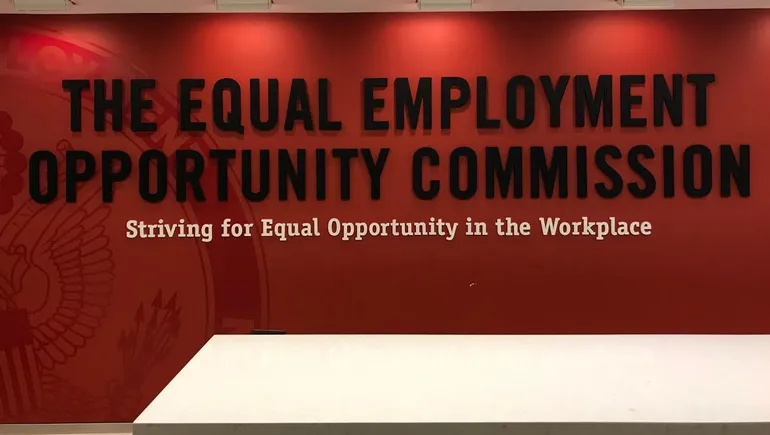
Operators of the prominent Washington, D.C., restaurant Proper 21, under the entities Proper Ventures and WSRZ, are currently embroiled in a federal lawsuit filed by the U.S. Equal Employment Opportunity Commission (EEOC), alleging that they pressured a floor manager to take early maternity leave and subsequently fired her after she requested two additional weeks off following childbirth. This legal action, brought under Title VII of the Civil Rights Act of 1964, as amended by the Pregnancy Discrimination Act (PDA), highlights the ongoing vigilance of federal agencies in combating workplace discrimination against pregnant individuals and new mothers. The case, published on June 5, 2026, by Laurel Kalser, a contributor to HR Dive, underscores critical protections for employees under federal law and serves as a stark reminder to employers of their obligations regarding pregnancy and parental leave.
Detailed Allegations of Discriminatory Practices
According to the EEOC’s complaint, the floor manager, whose identity has not been publicly disclosed in the initial reports, faced alleged discriminatory treatment stemming from her pregnancy and subsequent request for extended maternity leave. The core of the EEOC’s accusation is that Proper 21 management exerted undue pressure on the employee to commence her maternity leave prematurely. Following the birth of her child, the manager reportedly sought a modest extension of two weeks beyond her initial leave period. Rather than accommodating this request, the lawsuit contends that Proper 21 terminated her employment on the very day she made the request. Adding to the gravity of the allegations, the EEOC claims that a male replacement was hired for her position just a few weeks after her termination, further suggesting a pattern of sex and pregnancy-based discrimination.
Debra Lawrence, Regional Attorney for the EEOC’s Philadelphia District, articulated the agency’s strong stance in a media release, stating, "Under federal law, employers may not discriminate on the basis of sex, including pregnancy and childbirth. Firing an employee because she’d recently given birth is unconscionable." This statement encapsulates the ethical and legal principles at stake, emphasizing that employers have a non-negotiable duty to protect pregnant workers and new mothers from adverse employment actions rooted in their reproductive status. Proper 21 has not publicly responded to requests for comment regarding the lawsuit, as is often the case with ongoing legal proceedings.
The Legal Framework: Safeguarding Pregnant Workers in the United States
This lawsuit against Proper 21 is not an isolated incident but rather fits into a broader national effort to enforce comprehensive federal laws designed to protect pregnant workers. The legal landscape in the U.S. offers several layers of protection:
-
Title VII of the Civil Rights Act of 1964 and the Pregnancy Discrimination Act (PDA): Title VII prohibits discrimination based on sex, and the PDA, enacted in 1978, explicitly clarified that "sex" discrimination includes discrimination based on pregnancy, childbirth, or related medical conditions. This means employers cannot discriminate against an employee because of her potential pregnancy, current pregnancy, or past pregnancy. Key provisions dictate that a woman affected by pregnancy or related conditions must be treated the same for all employment-related purposes, including receipt of benefits under fringe benefit programs, as other persons not so affected but similar in their ability or inability to work. This includes hiring, firing, pay, job assignments, promotions, layoffs, training, fringe benefits (like leave and health insurance), and any other term or condition of employment. The PDA specifically prohibits firing a woman because of her pregnancy during or at the end of her maternity leave.
-
The Family and Medical Leave Act (FMLA): While not the primary focus of the Proper 21 lawsuit, the FMLA grants eligible employees up to 12 weeks of unpaid, job-protected leave per year for specific family and medical reasons, including the birth of a child and to care for the newborn. It also covers leave for an employee’s own serious health condition, which can include pregnancy complications. Crucially, the FMLA ensures that an employee’s health benefits are maintained during the leave, and they are guaranteed to return to the same or an equivalent position. The interplay between PDA and FMLA is significant; while PDA focuses on non-discrimination, FMLA provides the right to take leave.
-
The Pregnant Workers Fairness Act (PWFA): Enacted more recently in June 2023, the PWFA mandates that employers provide reasonable accommodations to pregnant workers for known limitations related to pregnancy, childbirth, or related medical conditions, unless doing so would cause an undue hardship to the employer. This could include modifications like light duty, breaks for hydration, closer parking, or, critically, leave for medical appointments or recovery. The PWFA addresses a gap where pregnant workers might not qualify for ADA accommodations but still need adjustments to perform their jobs safely. The Proper 21 case, occurring in the timeframe after the PWFA’s enactment, would naturally be scrutinized under its provisions, particularly concerning the manager’s request for additional leave.
The EEOC’s guidance consistently emphasizes that employers cannot remove a pregnant worker from her job or place her on leave because they believe working would pose a risk to her or her pregnancy. Decisions about a pregnant employee’s ability to work or the need for accommodations must be made by the employee in consultation with her healthcare provider, not unilaterally by the employer.
Chronology of Alleged Events and Legal Action
While the precise dates of the alleged incidents leading up to the lawsuit are not fully detailed in the provided brief, a chronological inference can be made:
- Period Leading Up to Maternity Leave: The floor manager was allegedly pressured by Proper 21 operators to take early maternity leave. This period would precede the birth of her child.
- Childbirth and Initial Maternity Leave: The manager then took her initial period of maternity leave following childbirth.
- Request for Extended Leave: At or near the end of her initial maternity leave, the manager requested an additional two weeks off.
- Termination: On the same day she made the request for additional leave, Proper 21 allegedly terminated her employment.
- Replacement Hiring: A few weeks after her termination, Proper 21 reportedly hired a male individual to fill her former position.
- EEOC Investigation and Lawsuit Filing: Following these events, the EEOC would have received a charge of discrimination, conducted an investigation, and, finding reasonable cause to believe discrimination occurred, subsequently filed a lawsuit against Proper Ventures and WSRZ, the operators of Proper 21. The publication date of June 5, 2026, indicates the lawsuit would have been filed sometime prior to this date, suggesting a period of investigation and legal preparation by the EEOC.
This sequence of events forms the core of the EEOC’s case, presenting a clear narrative of alleged discrimination that directly contravenes federal protections for pregnant workers.
Broader Context: The Pervasiveness of Pregnancy Discrimination
Despite robust legal protections, pregnancy discrimination remains a persistent issue in the American workplace. Statistics from the EEOC consistently show thousands of charges filed annually alleging pregnancy discrimination. For instance, in fiscal year 2023, the EEOC received 2,900 charges alleging pregnancy discrimination. While this number has fluctuated, it underscores a continuing challenge for many working women. These numbers represent only a fraction of actual incidents, as many instances of discrimination go unreported due to fear of retaliation, lack of awareness of rights, or the emotional and financial burden of pursuing legal action.
Common forms of pregnancy discrimination include:
- Refusal to hire pregnant applicants.
- Firing or laying off pregnant employees.
- Denying promotions or favorable assignments.
- Forcing pregnant employees onto unwanted leave.
- Denying reasonable accommodations for pregnancy-related conditions.
- Retaliation for asserting pregnancy discrimination rights.
The restaurant industry, in particular, has historically been a challenging environment for workers seeking fair treatment, often characterized by high turnover, demanding schedules, and sometimes less formal HR structures than corporate environments. This context can make workers, especially those in vulnerable positions like new mothers, more susceptible to discriminatory practices.
Precedents and Parallel Cases: Reinforcing Legal Obligations
The Proper 21 lawsuit is not an anomaly; it aligns with a pattern of enforcement actions taken by the EEOC against employers nationwide. The article highlights two other significant cases:
-
Deloitte Consulting’s Proposed Class-Action Lawsuit: Deloitte Consulting faces a proposed class-action lawsuit alleging violations of the Family and Medical Leave Act (FMLA) and the Pregnant Workers Fairness Act (PWFA). The lawsuit claims that Deloitte penalized exempt employees in its performance assessment and compensation practices for taking protected pregnancy-related, parental, or family leave. This case broadens the scope of discrimination beyond outright termination to include subtle yet damaging impacts on career progression and earnings. It argues that such practices render an employee’s PWFA right to reasonable accommodation (like leave) ineffective by penalizing them for utilizing it. This illustrates that discrimination can manifest not just in explicit firing but also in systemic policies that disadvantage those who take protected leave.
-
Oklahoma Medical Clinic Settlement: Earlier this year, operators of an Oklahoma medical clinic agreed to pay $90,000 to settle an EEOC lawsuit. This case involved a medical assistant with a high-risk pregnancy who was allegedly forced to take unpaid leave and subsequently fired when she stated she could not return to work without an accommodation. This settlement demonstrates the EEOC’s resolve in enforcing both the PWFA and the Americans with Disabilities Act (ADA) for pregnancy-related conditions that qualify as disabilities. The fact that the clinic’s HR director allegedly knew nothing about the PWFA underscores a critical need for comprehensive HR training and awareness regarding evolving federal labor laws.

These cases, alongside the Proper 21 lawsuit, send a clear message: employers face significant legal and financial consequences for failing to comply with laws protecting pregnant workers. The penalties can include back pay, compensatory damages, punitive damages, and injunctive relief, compelling employers to change discriminatory practices.
Implications for Employers and Human Resources Professionals
The Proper 21 case serves as a critical learning point for businesses, particularly those in the hospitality sector, and for human resources professionals across all industries. The implications are far-reaching:
- Robust Policy Development and Communication: Employers must establish clear, compliant, and consistently enforced policies regarding pregnancy leave, accommodations, and non-discrimination. These policies must reflect the latest federal and state laws, including the PDA, FMLA, and PWFA. Crucially, these policies must be effectively communicated to all employees and management staff.
- Comprehensive Management Training: Managers, especially those in direct supervisory roles, must receive thorough training on federal and state anti-discrimination laws. This training should cover what constitutes pregnancy discrimination, how to handle requests for accommodation or leave from pregnant employees, and the severe consequences of non-compliance. Ignorance of the law, as seen in the Oklahoma clinic case, is not a defense.
- Proactive Accommodation Practices: Employers should adopt a proactive approach to reasonable accommodations for pregnant workers. Rather than viewing accommodations as burdens, they should be seen as necessary steps to ensure a safe and inclusive workplace, consistent with the PWFA. Engage in an interactive process with employees to understand their needs and explore viable accommodations.
- Documentation and Consistency: All decisions related to an employee’s leave, performance, or termination must be well-documented, objective, and consistent with established company policies and legal requirements. Subjective decisions or those based on assumptions about a pregnant worker’s capabilities or commitment are highly risky.
- Legal Review: Companies should regularly review their employment practices and policies with legal counsel to ensure compliance with evolving labor laws and to mitigate potential legal risks.
The financial and reputational costs of a discrimination lawsuit can be substantial. Beyond monetary settlements or judgments, companies face damage to their brand, difficulty attracting talent, and lowered employee morale.
Impact on Workers: The Human Element of Discrimination
For the floor manager in the Proper 21 case, and for countless others who experience pregnancy discrimination, the impact extends far beyond the immediate loss of a job. Such experiences can lead to significant financial hardship, including lost wages, benefits, and career progression. The emotional and psychological toll can be profound, fostering feelings of injustice, stress, anxiety, and a diminished sense of self-worth. Navigating a legal battle while also caring for a newborn can be an overwhelming burden.
These cases underscore the importance of workers knowing their rights, documenting any potential discriminatory incidents, and seeking advice from legal professionals or agencies like the EEOC if they believe they have been subjected to unlawful discrimination.
Conclusion and Outlook
The lawsuit filed by the EEOC against Proper Ventures and WSRZ operating Proper 21 serves as a critical reminder of the unwavering commitment to protecting pregnant workers’ rights. It reiterates that federal law prohibits discrimination based on pregnancy, childbirth, or related medical conditions, requiring employers to treat pregnant employees fairly and provide reasonable accommodations. As the legal proceedings unfold, the outcome of this case will undoubtedly contribute to the broader discourse on workplace equity and accountability. It emphasizes that businesses, regardless of size or industry, must prioritize compliance with anti-discrimination laws, foster inclusive work environments, and ensure that new parents are supported rather than penalized for their family responsibilities. The ongoing enforcement efforts by the EEOC, coupled with the strengthening of laws like the PWFA, signal a future where workplace pregnancy discrimination is increasingly challenged and penalized, striving for a more equitable professional landscape for all.






