The latest digital edition of Works magazine, issue 20, is now accessible, offering a comprehensive exploration of a dynamic workplace sector poised for future growth despite navigating a landscape of rapid technological, social, and economic transformation. This edition meticulously curates significant workplace projects, engages in critical design debates, and presents industry commentary that collectively underscores a pervasive theme: the indispensable and enduring value of connection, community, and shared experience in an increasingly uncertain world.
A New Era of Workplace Design: Beyond Traditional Offices
The issue delves into the innovative design of LinkedIn’s new Munich headquarters, a project that signifies a pivotal shift in workplace planning. Moving beyond conventional office layouts, the design prioritizes environments that actively foster learning, cultivate a strong organizational culture, and promote a sense of belonging among employees. Spearheaded by Gensler, the Munich office is deeply inspired by the unique character of the city itself, a deliberate choice to create what LinkedIn articulates as a "village for a million people." This approach serves as a compelling model for how global corporations can establish workplaces that are not only functional but also deeply rooted in local identity, reflecting the communities they inhabit. This localization strategy aligns with a growing trend in corporate real estate, where companies are seeking to imbue their physical spaces with a sense of place, thereby enhancing employee engagement and brand resonance.
Urban Regeneration and Workplace Innovation: Deutsche Bank’s Strategic Location
Further highlighting the interconnectedness of urban development and corporate strategy, the magazine features Deutsche Bank’s new headquarters at 21 Moorfields in London’s City. This project exemplifies how strategic positioning within robust transport infrastructure can act as a catalyst for urban regeneration, attract significant investment, and drive workplace innovation. The development underscores the escalating importance of seamless connectivity, environmental sustainability, and employee well-being in the design of major corporate facilities. Its prime location, directly above the Elizabeth Line, a major public transport artery, allows the bank to fully leverage the benefits of enhanced accessibility and reduced commuter stress, a key consideration in modern employee attraction and retention strategies. The integration of transport hubs with commercial development is a growing phenomenon, with cities worldwide recognizing its potential to revitalize urban centers and create vibrant business districts.
The Human Element in the Age of AI: PolyAI’s Approach to Workplace Culture
Predictably, artificial intelligence (AI) emerges as a recurring and significant theme throughout the publication. A detailed examination of PolyAI’s London headquarters offers insights into how a company at the forefront of AI development has consciously designed its workspace to remain fundamentally centered on human interaction. This approach acknowledges a critical realization: while technology is undeniably transforming the nature of work, true innovation and progress remain intrinsically linked to collaboration, a robust company culture, and the invaluable dynamics of face-to-face engagement. As AI technologies become more integrated into daily operations, there is a concurrent and growing emphasis on ensuring that workplaces foster the human qualities that AI cannot replicate, such as creativity, empathy, and complex problem-solving through collective intelligence.
Global Perspectives on Workplace Design: Industry Leaders Convene
Industry luminary Theresa Dowling contributes a significant discussion, bringing together a distinguished panel of the world’s leading architects and designers. Their dialogue confronts the practical realities of operating within an increasingly international marketplace. The conversation spans a wide array of critical topics, including the nuances of cultural identity in design, the complexities of diverse planning systems across different regions, ethical considerations in global projects, and the burgeoning opportunities present in emerging markets, particularly in the Middle East. This exchange provides invaluable perspectives on the challenges and strategic approaches required for successful international workplace design initiatives. The globalization of business necessitates a sophisticated understanding of local contexts, client needs, and regulatory frameworks, making such discussions vital for industry professionals.
The Psychology of Distraction: Reclaiming Focus in the Modern Office
Addressing a pervasive challenge in contemporary work environments, a compelling feature revisits the renowned "cocktail party effect" to explore the psychology of distraction. The article delves into why sustained attention has become one of the most precious and sought-after resources in today’s workplaces. By connecting recent advancements in neuroscience with the practical difficulties of designing office spaces that effectively support concentration, facilitate collaboration, and enhance overall well-being, the piece offers actionable insights for creating more productive and less disruptive work settings. The increasing prevalence of open-plan offices and the constant influx of digital notifications have created an environment where maintaining focus is a significant hurdle, making research into attention and its environmental influences critically important.
Showcasing Innovation: Products, Materials, and Future-Forward Thinking
The issue dedicates substantial space to celebrating the products, materials, and innovative ideas that are actively shaping the future of the workplace sector. A comprehensive showroom section shines a spotlight on cutting-edge innovations from prominent manufacturers including Bisley, Flokk, KI, Sedus, and Herman Miller. This showcase highlights how these companies are responding to evolving workplace demands with sophisticated and user-centric solutions. Furthermore, a dedicated focus on materials explores advancements in sustainable design practices and the principles of the circular economy, reflecting a growing industry commitment to environmental responsibility. Complementing these visual and product-focused sections, commentary pieces offer forward-looking perspectives on diverse topics, ranging from the evolving landscape of social media’s influence on work to the accelerating momentum behind furniture reuse and remanufacturing initiatives. These discussions underscore the industry’s proactive engagement with sustainability and resource efficiency.
Clerkenwell Design Week: A Thriving Hub for Industry Exchange
The magazine provides a thorough review of Clerkenwell Design Week, an event that has now reached its 15th year and continues to demonstrate remarkable growth and vitality. The article posits that the enduring success of this annual event stems not solely from the impressive array of products and designs on display, but crucially from its role as a vital platform for designers, manufacturers, and workplace professionals to convene, exchange ideas, and forge meaningful relationships in a tangible, real-world setting. Clerkenwell Design Week has established itself as a cornerstone of the design calendar, offering a unique blend of product exhibition, thought leadership, and networking opportunities, fostering a collaborative spirit within the design community. The event’s consistent attendance and positive feedback from participants year after year attest to its significance in the industry.
A Holistic Vision for Workplace Futures
Beyond these specific features, readers will discover in-depth discussions on a range of critical topics, including the multifaceted dimensions of sustainability in the built environment, the cultivation of positive workplace cultures, the imperative of designing for neurodiversity, the growing influence of hospitality-inspired design principles, and the increasingly vital relationship between physical space and the overall human experience. Collectively, the diverse articles and features presented in Works magazine issue 20 paint a compelling portrait of an industry that is not merely focused on constructing better physical workplaces, but is fundamentally committed to creating environments that foster improved conditions for people to connect, collaborate, innovate, and ultimately, to thrive. This holistic approach to workplace design recognizes that the most successful outcomes are achieved when human well-being and operational efficiency are considered in tandem.
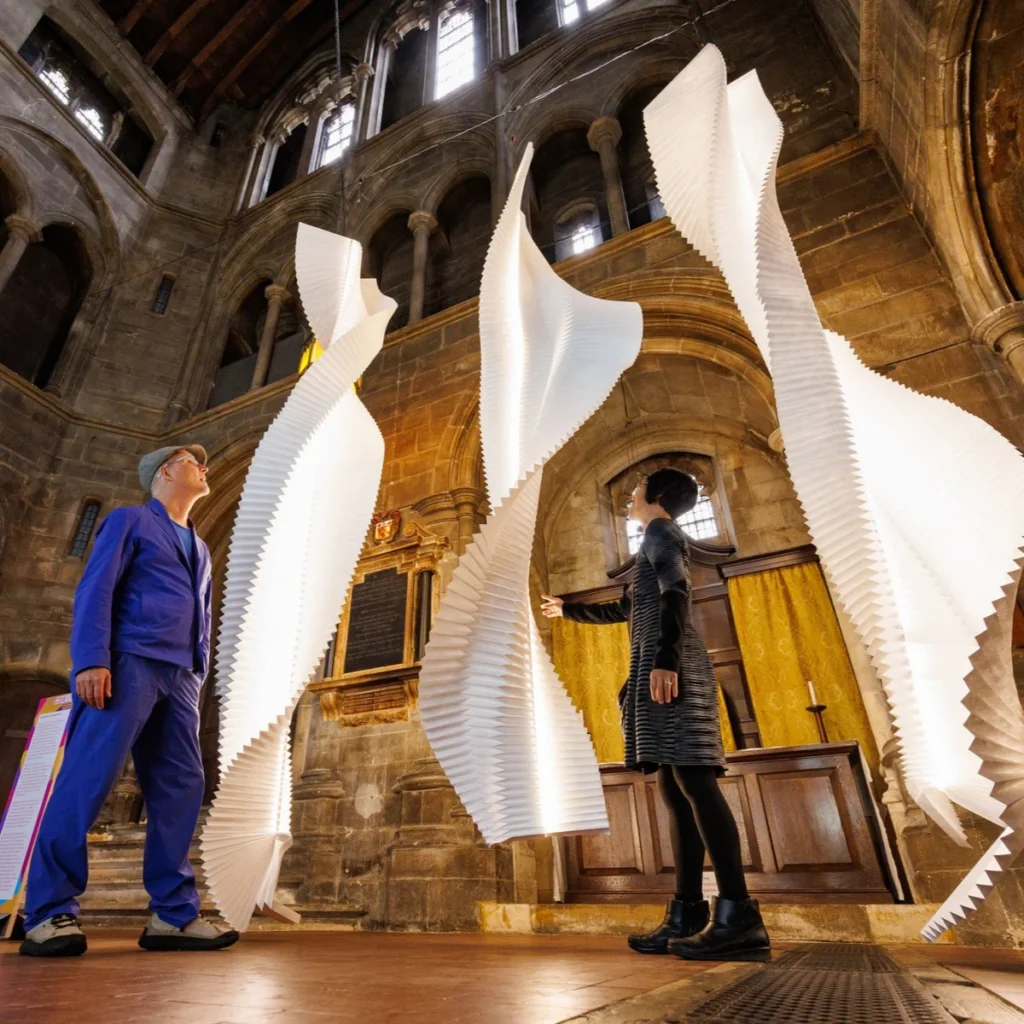
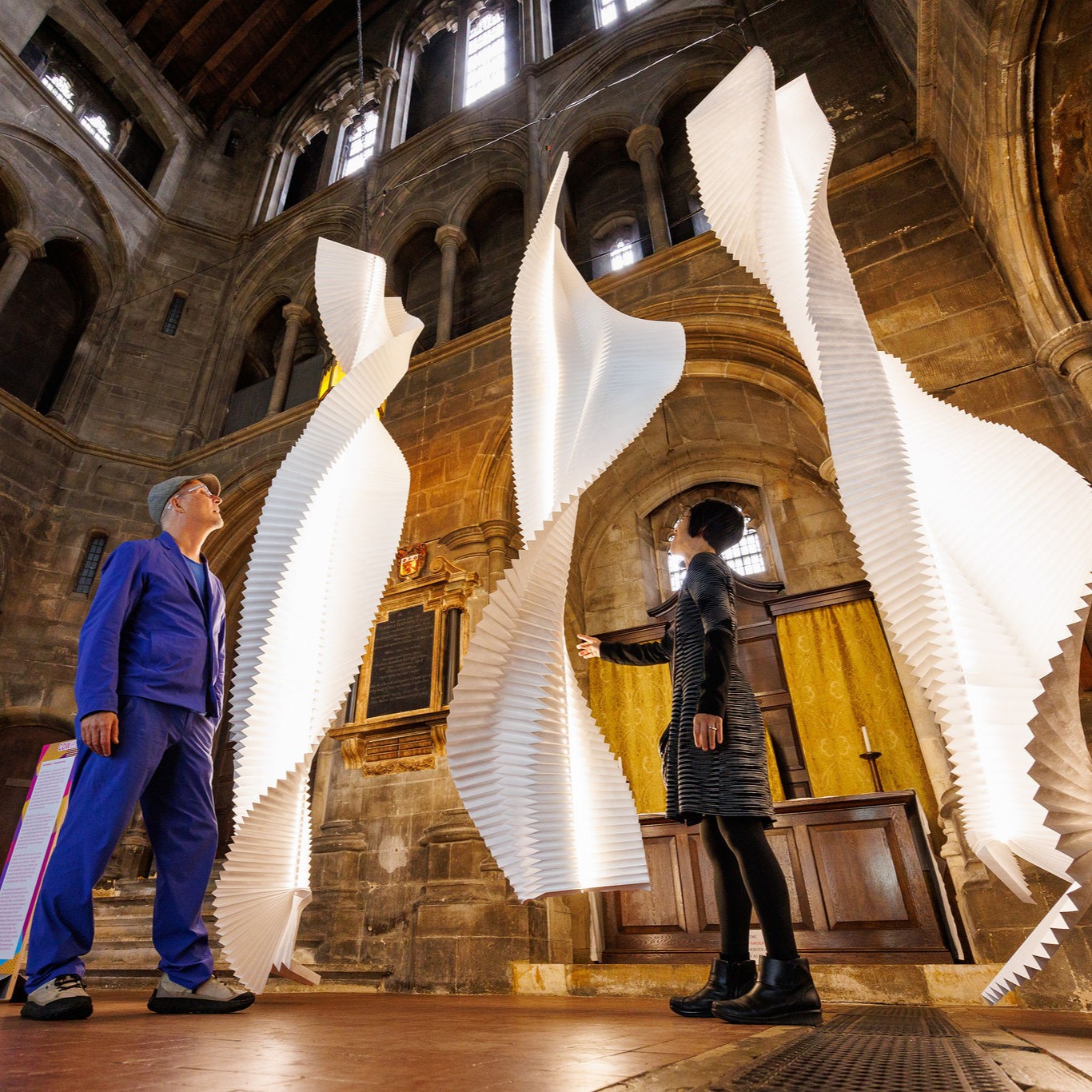
The main image accompanying this article features the Fung+Bedford Resonance installation at Clerkenwell Design Week, captured by photographer Sam Frost.