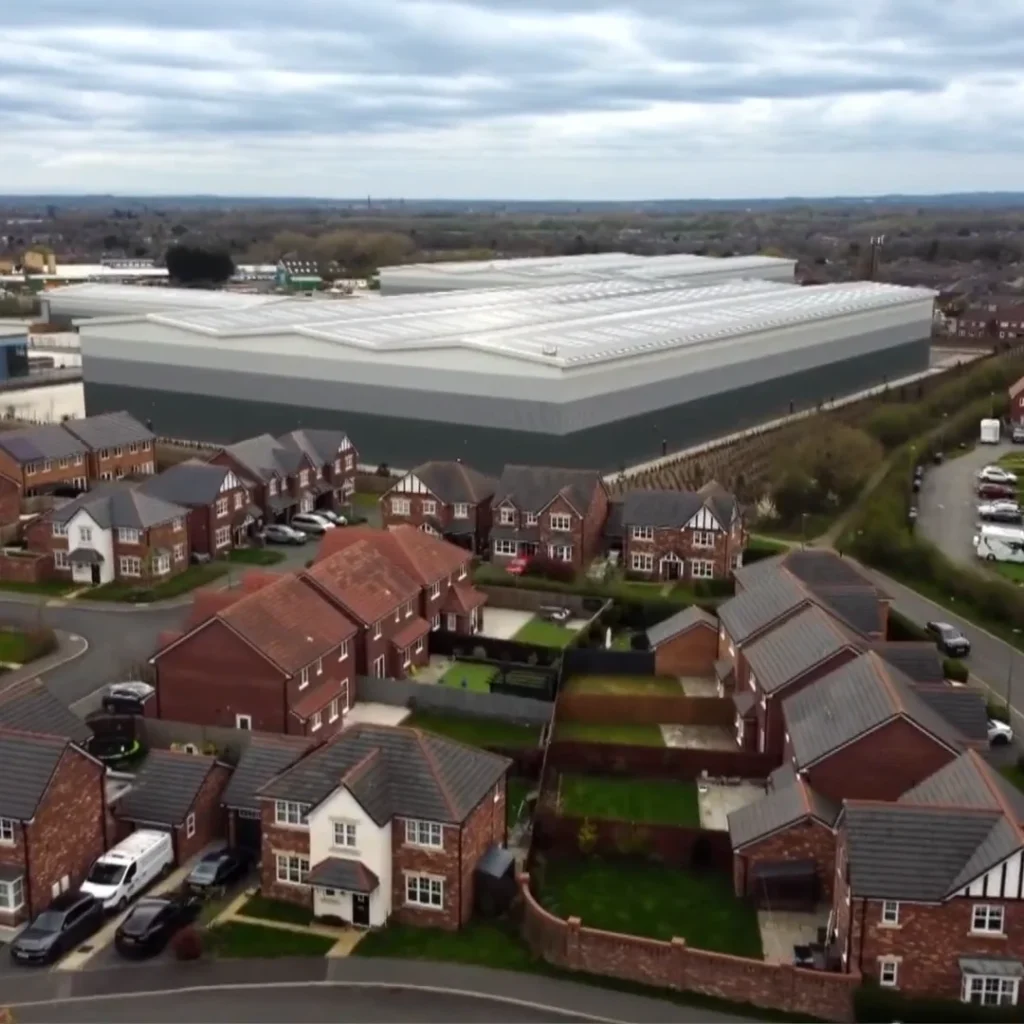
A satirical architecture award, The Carbuncle Cup 2026, has ignited a robust debate across the United Kingdom by highlighting what its organizers deem to be the nation’s most egregious recent property developments. The accolades, bestowed by cultural magazine The Fence, serve not merely as an aesthetic critique but as a pointed commentary on the systemic issues plaguing procurement processes, construction standards, and the very priorities guiding development in the UK. This year’s iteration saw two joint winners emerge from a shortlist of nine projects, all completed within the last two years, underscoring a broader dissatisfaction with the quality and impact of new buildings.
The prestigious, albeit contentious, award’s panel, which included esteemed figures like former Architectural Review editor Cath Slessor, based its decision on public nominations and rigorous assessment. The overarching sentiment from the judges was that concerns regarding design quality are increasingly intertwined with fundamental challenges in how buildings are conceived, commissioned, and ultimately delivered.
Joint Winners: A Tale of Two Problematic Projects
The 2026 Carbuncle Cup bestowed its dubious honor jointly upon two distinct, yet equally criticized, developments: Astley Warehouses, a colossal logistics facility situated in Wigan, and Filigree, a residential development in Lewisham, South London. While the award ostensibly focuses on architectural merit, the judges emphasized that their selection transcended mere aesthetics, reflecting deeper anxieties about the trajectory of the built environment.
Astley Warehouses: The Shadow of Logistics
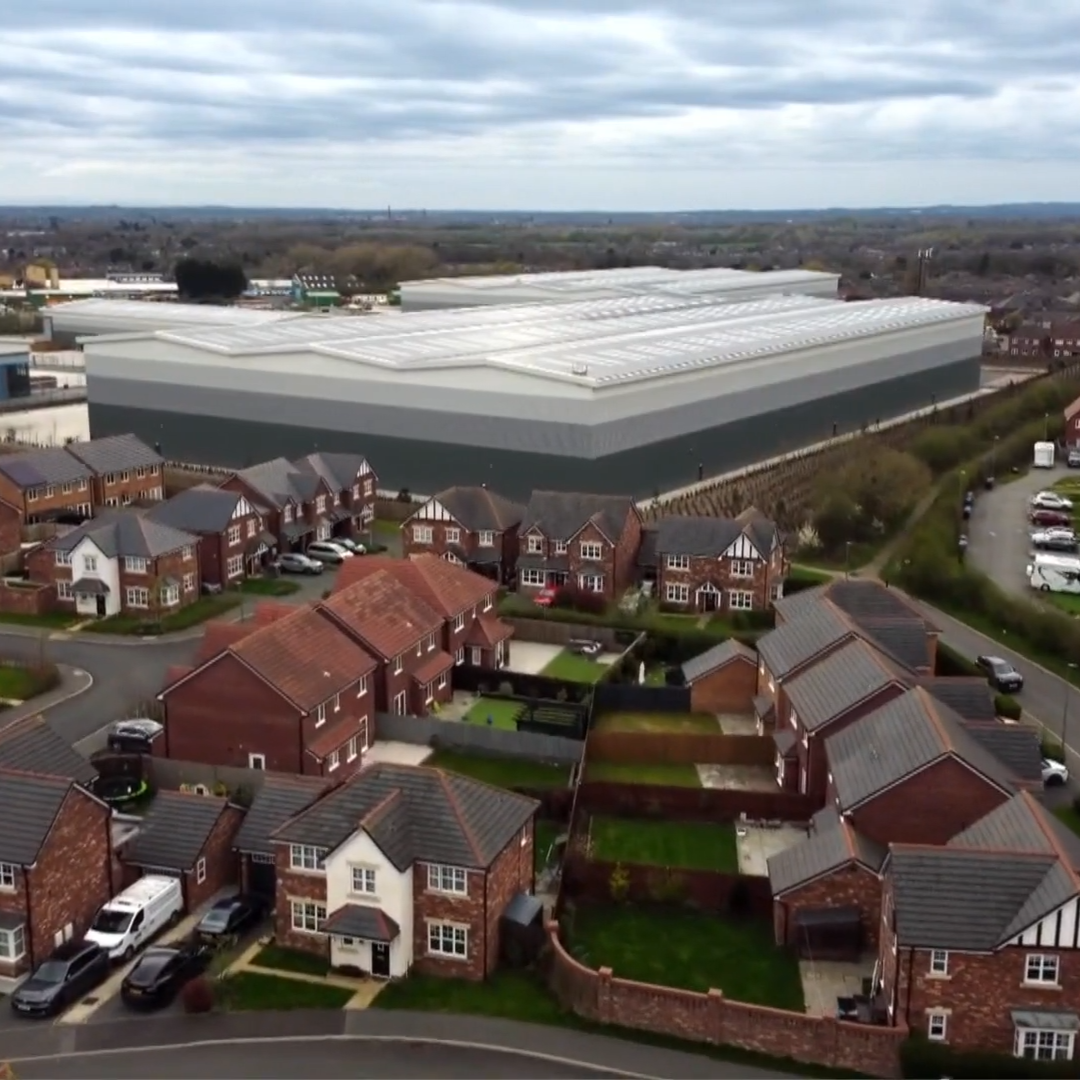
Astley Warehouses, a sprawling logistics hub, became a focal point of local discontent and consequently, one of the most frequently nominated projects for the award. Judges condemned its sheer scale and perceived lack of quality, arguing that it epitomizes the declining design standards being applied to industrial and logistics facilities across the UK. This criticism arrives at a critical juncture for the logistics sector, which has witnessed unprecedented expansion driven by the surge in e-commerce and the insatiable demand for distribution and warehousing space. While this sector has become a cornerstone of the UK’s commercial real estate market, the environmental and visual impact of these immense fulfilment centres on surrounding communities has increasingly drawn the ire of critics and residents alike.
The growth of online retail, accelerated by global events such as the COVID-19 pandemic, has placed immense pressure on supply chains, necessitating the construction of large-scale warehousing. Data from property consultants indicates a significant increase in demand for logistics space, with vacancy rates reaching historic lows in recent years. However, this economic imperative often clashes with the aspirations for sensitive urban planning and community integration. The visual blight and traffic congestion associated with these facilities are frequently cited as major drawbacks, raising questions about whether the economic benefits adequately offset the detrimental impacts on local quality of life and the character of the landscape.
Filigree: Residential Woes in Lewisham
The second joint winner, Filigree, part of the Lewisham Gateway regeneration scheme, faced a barrage of criticism for its reported construction and operational failings. A particularly damaging incident involved a flood that inundated a central plant room, forcing the evacuation of residents from multiple buildings. This event amplified existing concerns surrounding the development’s affordability, a perennial issue in London’s housing market, and the documented defects that residents have publicly shared. Reports of persistent leaks and pervasive mould have further tarnished its reputation, painting a grim picture of the living conditions within this supposedly modern residential complex.
The Lewisham Gateway project, intended as a flagship regeneration initiative, aimed to revitalize a key area of South London. However, the experience of residents at Filigree suggests a significant disconnect between the project’s aspirations and its lived reality. The issues reported, from structural defects to flooding, raise critical questions about the oversight and quality assurance mechanisms in place during the construction phase. The separation of affordable housing from private residential units within the broader development also drew criticism, echoing concerns about social equity and the creation of inclusive communities.
A Shortlist of Disappointment: Beyond the Winners
The Carbuncle Cup’s shortlist was not limited to the two joint winners, featuring a range of developments that, according to the judges, exemplify the broader challenges facing the UK’s built environment. Each project on the shortlist, while diverse in its typology, shared a common thread of significant criticism.
-
Cardiff Central Quay: This ambitious mixed-use development, intended to incorporate offices, hotels, and residential accommodation, also faced scrutiny. While details on specific criticisms were not elaborated upon in the initial announcement, its inclusion suggests concerns regarding its scale, integration with the existing urban fabric, or the quality of its design and execution.
-
Belgrove House (King’s Cross, London): Described by judges as "oversized and unsympathetic to its surroundings," Belgrove House exemplifies a common complaint in urban development: the imposition of structures that disrupt the established character and scale of a neighborhood. The pressure to maximize development potential in prime urban locations can often lead to buildings that feel out of place and disregard local context.
-
Aspen Tower (Canary Wharf, London): This residential tower was criticized for failing to live up to the promises made in its original marketing materials. The disparity between the aspirational renders and the finished product is a frequent source of public disappointment. Furthermore, specific criticism was leveled at the segregation of affordable housing units from those designated for private sale, a practice that many argue exacerbates social divisions within developments.
-
Art’otel (Hoxton, London): A hotel development on a former industrial site, the Art’otel’s inclusion suggests that even in areas undergoing regeneration, the quality of new builds can fall short of expectations. The potential for innovative design on such sites is often contrasted with the reality of generic or poorly executed schemes.
-
Robeson House (London School of Economics): This student accommodation, commissioned by a prestigious academic institution, also found itself on the notorious shortlist. The fact that even purpose-built student housing, often a significant investment for universities, can attract such criticism points to systemic issues in procurement and quality control across various development sectors.
The Deeper Issues: Procurement, Standards, and Priorities
The Carbuncle Cup, despite its deliberately provocative nature, aims to shed light on profound issues within the property development industry. The judges’ comments consistently steered the conversation beyond superficial aesthetics to delve into the underlying causes of poor building quality. Terms like "value engineering," "development economics," and the relentless "pressure to maximise returns" were frequently cited as primary drivers behind compromised building standards.
This focus on economic pressures is critical. The drive for profit maximization can lead to corners being cut at various stages of the development process. This might involve using cheaper materials, reducing the quality of construction, or simplifying designs to reduce costs. While efficiency is a legitimate business objective, when it comes at the expense of longevity, inhabitability, and community integration, the long-term consequences can be severe. The impact of such decisions can manifest as increased maintenance costs for residents and building owners, a diminished lifespan for structures, and a negative impact on the well-being of those who live or work within them.
Furthermore, the procurement process itself, from the initial selection of developers and contractors to the oversight during construction, is a crucial area of concern. Complex contractual arrangements, a lack of robust independent oversight, and insufficient penalties for poor performance can all contribute to a system where quality is sacrificed for expediency and cost-saving.
Timeline of Discontent and Growing Scrutiny
The Carbuncle Cup has been an annual fixture since its inception in 2006, originally known as the "Carbuncle Award" and administered by Building Design magazine before its revival by The Fence. Its history is marked by a consistent critique of architectural mediocrity and a call for higher standards. The award’s revival by The Fence signifies a renewed urgency to address these issues, reflecting a broader societal awakening to the impacts of development.
The current context for this award is one of heightened public and governmental scrutiny of the built environment. There is a growing recognition that buildings are not merely commodities but are integral to the social, environmental, and economic fabric of the nation. This scrutiny is driven by several interconnected factors:
-
Housing Crisis: The persistent shortage of affordable and high-quality housing in the UK has brought the effectiveness and equity of development practices into sharp focus. Projects that fail to deliver on their promises, or exacerbate existing inequalities, are increasingly met with public disapproval.
-
Climate Emergency: The environmental impact of construction and the long-term sustainability of buildings are now paramount concerns. Developments that are energy-inefficient, contribute to urban sprawl, or fail to incorporate green infrastructure face mounting criticism.
-
Quality of Life: There is an increasing demand for well-designed, functional, and aesthetically pleasing spaces that contribute positively to communities. The "nimbyism" phenomenon, while often portrayed negatively, can sometimes stem from legitimate concerns about developments that are perceived to degrade local environments or strain infrastructure.
-
Post-Grenfell Scrutiny: The tragic Grenfell Tower fire in 2017, and the subsequent inquiries, have cast a long shadow over the construction industry, leading to increased demand for transparency, robust safety standards, and accountability in building practices. This has undoubtedly contributed to the heightened awareness of construction quality and the materials used in new developments.
Reactions and the Path Forward
While direct statements from the developers of the winning projects were not immediately available, it is reasonable to infer a range of potential reactions, from defensive justifications to a grudging acknowledgment of criticism. Developers often operate under tight financial constraints and market pressures, and they may argue that the awarded projects represent the best possible outcomes given these realities.
However, the judges of The Carbuncle Cup, and indeed a growing segment of the public, are advocating for a paradigm shift. Their critique is not simply about complaining about bad buildings; it’s about demanding better development. This entails:
- Enhanced Design Standards: A more rigorous approach to design quality, encouraging innovation and context-sensitive solutions rather than generic, cost-driven architecture.
- Improved Procurement Processes: Greater transparency and accountability in how projects are commissioned, with a stronger emphasis on long-term value and social impact, not just upfront cost.
- Stricter Construction Oversight: More effective regulation and independent monitoring to ensure that buildings are constructed to the highest standards, using appropriate materials and techniques.
- Community Engagement: A more meaningful and inclusive approach to consulting with local communities, ensuring that development plans genuinely reflect the needs and aspirations of those who will be most affected.
- Prioritizing Sustainability and Social Value: Shifting the focus from pure profit maximization to creating developments that are environmentally responsible, socially equitable, and contribute positively to the well-being of occupants and the wider community.
The Carbuncle Cup 2026, by spotlighting Astley Warehouses and Filigree, has served as a potent reminder that the built environment is a shared asset. The ongoing conversation it sparks is crucial for fostering a future where new developments are not just functional and profitable, but also beautiful, sustainable, and genuinely beneficial to the people and places they serve. The implications of these ongoing debates extend far beyond architectural circles, shaping the future of our towns and cities, and ultimately, the quality of life for millions.