As the excitement builds for major international sporting events, particularly with the FIFA World Cup set to grace North American shores in 2026, human resources experts are once again sounding the alarm regarding potential workplace disruption stemming from increased employee absences and the complex issue of "banter." These recurring challenges underscore the need for proactive strategies and clear communication from employers to maintain productivity, uphold workplace standards, and foster an inclusive environment.
The Specter of Absenteeism: A Persistent HR Headache
Major sporting tournaments, especially those featuring national teams, invariably lead to shifts in employee behaviour. Lisa Patmore, an employment partner at Dorsey & Whitney, highlights that many employees tend to reconfigure their schedules around match timings rather than adhering strictly to their standard working hours. While some matches might fall at "relatively civilised" times, such as a 9 PM kick-off, the subsequent celebrations, often involving alcohol consumption, frequently result in decreased attendance or punctuality the following morning.
This scenario presents a "difficult mix for employers," Patmore notes, particularly when absenteeism or tardiness directly impacts productivity, service delivery, or burdens colleagues who are left to shoulder additional responsibilities. Compounding this challenge are recent changes to statutory sick pay (SSP regulations in some jurisdictions), which now entitle workers to SSP from the first day of absence. This adjustment, in contrast to previous policies where a waiting period might have acted as a deterrent, could potentially encourage more employees to call in sick after late-night matches.
The Social Media Dilemma: Navigating Privacy and Suspicion
In the modern era, the lines between an employee’s personal life and their professional obligations are increasingly blurred, especially with the pervasive nature of social media. An employee calling in sick after a night of enthusiastic online posting about a match might appear suspicious to an employer. Patmore advises caution, however, against "knee-jerk reactions." Employers must treat any reported sickness as genuine unless there is concrete evidence to suggest otherwise. Failure to do so could expose organisations to claims of unfair dismissal or discrimination, carrying significant legal and reputational risks.
While social media activity might raise questions, it does not automatically grant employers a free pass for disciplinary action. Posts must be considered within their full context; timestamps can be misleading, and intrusive monitoring of private accounts can lead to its own set of privacy issues, potentially backfiring on the employer. The legal landscape surrounding employee social media use is complex and constantly evolving, requiring employers to act with due diligence and respect for privacy rights. Any investigation must be conducted fairly, transparently, and in accordance with established company policies and legal guidelines. This delicate balance demands that HR professionals are well-versed in both employment law and digital ethics.
The Banter Battlefield: Generational Divides and Evolving Norms
Beyond absenteeism, the workplace atmosphere during major sporting events often brings the issue of "football banter" to the forefront. Stephanie Davies, CEO of L&D company Laughology and a behaviour psychologist, points to research indicating a growing apprehension among employees regarding workplace humour. Her firm’s findings suggest that over half of UK workers perceive workplace banter as riskier than in the past, with more than four in ten specifically identifying football-related banter as a heightened risk.
The core difficulty, Davies explains, lies in the fact that contemporary workplaces often comprise up to five generations, each with distinct views on what constitutes acceptable humour. What one generation perceives as harmless jest, another might find offensive or exclusionary. This generational chasm means that jokes or comments that might have been commonplace decades ago are now widely considered inappropriate.
From "Calling Out" to "Calling In": Fostering Understanding

Rather than immediately "calling people out" and reprimanding them when a misstep occurs, Davies advocates for a more constructive approach: "calling people in." This involves helping individuals understand why certain comments or jokes might be considered offensive in today’s diverse workplace. It’s crucial to remember that workplace rules have fundamentally changed. Even if two individuals are comfortable with a particular joke, a third party overhearing it might be offended and has the right to raise a complaint, placing the onus on the organisation to address the issue.
Davies cites examples where football banter escalated into serious complaints. One firm received a complaint from an employee who overheard a colleague disparaging supporters of his team as "manky-mob and knuckledraggers." In another instance, an employee was directly subjected to the term "manky-mob" upon entering a room. These terms, commonly used by rival football supporters (e.g., Celtic and Rangers fans), were deemed highly offensive due to the intense political and religious tensions historically associated with those clubs. Similarly, Davies has worked with clients where employees took offence at seemingly "jokey" football memes sent by colleagues supporting rival teams. These incidents highlight the subjective nature of humour and the potential for even lighthearted exchanges to cause genuine distress.
The Line Between Banter and Bullying: Clear Boundaries
While Davies is a strong proponent of humour as "the social glue that brings people together," she stresses the existence of clear, non-negotiable rules. The most fundamental rule is that if someone asks for a joke or comment to stop, it must cease immediately, and the person making the comment must endeavour to understand why it caused offence. If the behaviour continues, it transcends banter and becomes bullying. This distinction is critical for employers to enforce.
Furthermore, humour crosses the line into unacceptable behaviour if it involves "punching down" (targeting someone with less power), exploiting a power imbalance, targeting a protected characteristic (such as race, gender, religion, sexual orientation, disability), or focusing on an individual’s personal traits. Employers have a legal and ethical responsibility to ensure that their workplaces are free from harassment and discrimination, and that includes ensuring that humour does not inadvertently create a hostile environment.
Chronology of Evolving Workplace Standards
The concerns raised by HR experts are not new but have intensified with societal shifts and legal developments:
- Pre-20th Century: Workplace conduct often unregulated, ‘banter’ largely unchecked, and ‘sick leave’ primarily informal.
- Early 20th Century: Rise of organised labour, some early protections for workers, but formal HR functions still nascent.
- Mid-20th Century: Introduction of basic employment laws, early anti-discrimination statutes (e.g., race, sex in some countries). Concept of ‘sick pay’ begins to formalise.
- Late 20th Century (1970s-1990s): Significant expansion of anti-discrimination and harassment laws. Awareness grows regarding sexual harassment and racial discrimination. The "reasonable person" standard begins to apply to workplace conduct. Statutory Sick Pay (SSP) schemes become more widespread.
- Early 21st Century (2000s-Present): Further strengthening of equality legislation (e.g., UK Equality Act 2010 consolidating protected characteristics). Rise of social media complicates employee conduct monitoring and privacy. Generational diversity in the workforce becomes a prominent topic. Increased focus on mental health in the workplace and inclusive culture. Changes to SSP rules (e.g., removal of waiting days) influence absence management.
This timeline illustrates a clear trajectory towards more regulated and inclusive workplaces, where the onus is increasingly on employers to proactively manage conduct and mitigate risks.
Broader Implications for Employers and Proactive Strategies
The confluence of major sporting events, evolving legal frameworks, and changing social norms presents several critical implications for employers:
- Legal Risks: The potential for claims of unfair dismissal (if sick leave is mishandled), discrimination, and harassment (if banter crosses the line) is significant. Employment tribunals and courts increasingly scrutinise employer responses to such incidents.
- Productivity and Service Delivery: Unmanaged absences can lead to significant dips in productivity, missed deadlines, and compromised service quality, directly impacting business performance and customer satisfaction.
- Employee Morale and Culture: A workplace where some employees feel burdened by others’ absences, or where humour is perceived as offensive, can quickly suffer from declining morale, increased tension, and a damaged company culture.
- Reputational Damage: Mishandling workplace issues during high-profile events can lead to negative publicity, damaging an organisation’s reputation as an employer of choice.
To mitigate these risks, employers should implement comprehensive and proactive strategies:
- Clear Communication of Expectations: Prior to and during major sporting events, organisations should clearly communicate their expectations regarding attendance, punctuality, and appropriate workplace conduct. This can include reminders about existing policies on sick leave, harassment, and social media use.
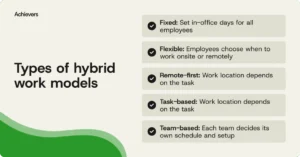
- Flexible Working Policies (Where Feasible): Where operational requirements allow, offering flexible working arrangements (e.g., adjusted start/end times, remote work options for early/late matches) can help employees manage their schedules without resorting to unauthorised absence. This demonstrates employer understanding and can foster goodwill.
- Robust Absence Management: Employers need clear, consistently applied absence reporting procedures. While treating sickness as genuine, they also need to be equipped to investigate suspicious patterns or evidence (e.g., social media posts) in a fair and legally compliant manner. Return-to-work interviews are a valuable tool for monitoring absence and identifying underlying issues.
- Comprehensive Anti-Harassment and Bullying Policies: These policies must explicitly cover all forms of inappropriate conduct, including ‘banter’ that could be perceived as offensive. They should outline clear reporting mechanisms and disciplinary procedures.
- Training and Awareness Programs: Regular training for all employees on diversity, inclusion, unconscious bias, and appropriate workplace behaviour is crucial. This should include specific guidance on acceptable humour and the impact of seemingly harmless comments. Managers, in particular, need training on how to identify and address issues promptly and effectively.
- Promoting Positive Engagement: Instead of fearing the impact of major events, employers can embrace them as opportunities for team building. Organising sanctioned, inclusive activities (e.g., viewing parties outside work hours, sweepstakes, charity challenges) can channel enthusiasm positively and foster connection, as suggested by Stephanie Davies.
- Reviewing Social Media Policies: Ensure social media policies are up-to-date, clear, and communicate expectations regarding online conduct, both inside and outside work, particularly where it might impact the employer’s reputation or demonstrate malingering.
- Fostering an Inclusive Culture: Ultimately, the most effective defence against issues arising from ‘banter’ is a strong, inclusive workplace culture where employees feel respected, safe, and empowered to speak up without fear of reprisal.
The challenges posed by major sporting events are a microcosm of broader trends in modern HR: the increasing complexity of managing a diverse workforce, the omnipresence of digital communication, and the ever-evolving legal landscape. By adopting a proactive, communicative, and empathetic approach, employers can navigate these currents, ensuring that the spirit of competition remains confined to the field and does not undermine the integrity and productivity of the workplace. The upcoming World Cup in North America serves as a timely reminder for organisations to review and reinforce their strategies, transforming potential disruptions into opportunities for stronger workplace bonds and clearer communication.