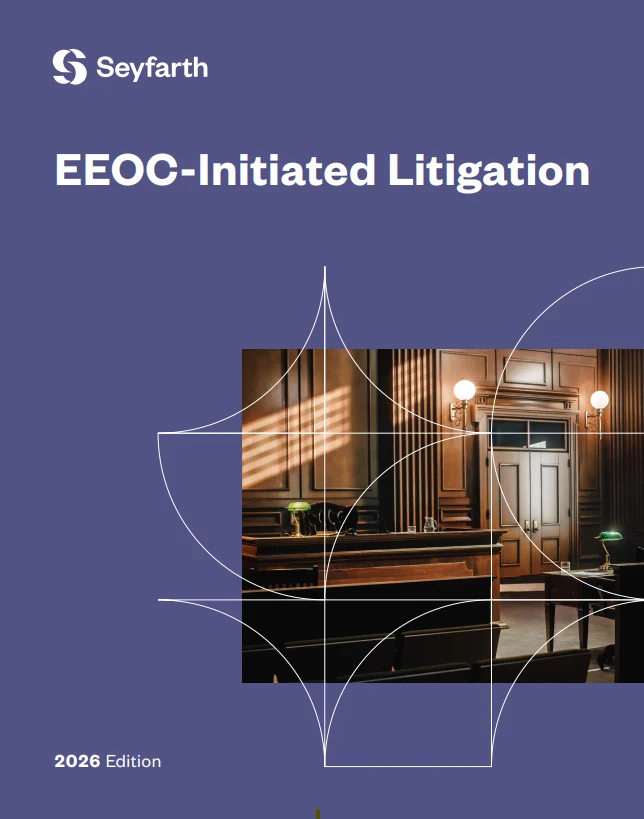
The release of the 2026 edition of Seyfarth Shaw’s annual desk reference marks a pivotal moment for legal departments and human resources professionals across the United States. This comprehensive analysis, which compiles and categorizes every major case filing and judicial decision involving the U.S. Equal Employment Opportunity Commission (EEOC) throughout 2025, reveals a landscape defined by what the firm describes as the most dramatic changes witnessed in decades. As the agency navigates a complex intersection of new legislative mandates, evolving technology, and a shifting political climate, the report serves as an essential roadmap for navigating the increasingly litigious environment of federal workplace oversight.
The 2025 Enforcement Landscape: A Year of Transformation
The 2025 calendar year was characterized by a fundamental realignment of the EEOC’s enforcement priorities, driven largely by the implementation of the Strategic Enforcement Plan (SEP) for Fiscal Years 2024-2028. This plan, which emphasizes the protection of vulnerable workers and the regulation of emerging technologies, saw its first full year of mature implementation in 2025. Seyfarth Shaw’s analysis indicates that the agency has moved away from high-volume, low-impact administrative resolutions in favor of high-stakes, systemic litigation aimed at entire industries rather than single employers.
One of the most significant factors contributing to the "dramatic" nature of the past year was the agency’s aggressive posture regarding the Pregnant Workers Fairness Act (PWFA). After a period of initial education and grace, 2025 saw the EEOC launch a series of lawsuits aimed at defining the boundaries of "reasonable accommodation" for pregnant employees. These cases have already begun to reshape how corporate counsel approach leave policies and temporary job modifications. Furthermore, the agency continued to grapple with the fallout of Supreme Court decisions regarding affirmative action and diversity initiatives, leading to a surge in "reverse discrimination" inquiries and a heightened focus on ensuring that Diversity, Equity, and Inclusion (DEI) programs remain within the bounds of Title VII of the Civil Rights Act.
Statistical Breakdown: A Deep Dive into the 2025 Filings
The data compiled in the 2026 Edition reveals a steady increase in the total number of merit lawsuits filed by the Commission. While the agency has historically focused on individual charges, 2025 saw a nearly 20% increase in systemic lawsuits—those involving multiple victims or an allegedly discriminatory policy.
Litigation Volume and Focus Areas
In 2025, the EEOC filed a total of 168 merit lawsuits, a notable rise from the 143 filed in 2024. Of these, 35 were systemic filings, representing the highest concentration of such cases in the last five years. The breakdown of these filings by statute highlights the agency’s current areas of concern:
- Title VII (General Discrimination): 92 filings, with a heavy focus on sexual harassment and retaliation.
- Americans with Disabilities Act (ADA): 48 filings, predominantly involving failures to accommodate and "qualification standards" that screen out disabled applicants.
- Age Discrimination in Employment Act (ADEA): 12 filings, many targeting "digital native" hiring preferences and automated screening tools.
- Equal Pay Act (EPA): 10 filings, reflecting the agency’s ongoing commitment to closing the gender wage gap.
- Pregnant Workers Fairness Act (PWFA): 6 standalone filings, marking the first major wave of litigation under this specific statute.
The September Surge
A recurring trend identified by Seyfarth Shaw is the "September Surge," where the EEOC files a disproportionate number of lawsuits in the final month of the federal fiscal year. In 2025, nearly 45% of all annual filings occurred in September. This phenomenon creates a significant administrative burden for employers and their legal counsel, as the agency rushes to meet internal enforcement quotas before the fiscal calendar resets.
Chronology of EEOC Activity in 2025
The progression of the EEOC’s activity in 2025 followed a strategic arc that moved from policy clarification to aggressive courtroom advocacy.
First Quarter (January – March): The agency focused on the integration of Artificial Intelligence (AI) guidance. Following the release of several technical assistance documents, the EEOC began issuing "Requests for Information" to large tech firms and recruitment platforms, signaling that algorithmic bias would be a primary target for the year.
Second Quarter (April – June): This period was marked by the release of the final enforcement guidance on workplace harassment, the first major update since the 1990s. The guidance expanded the definition of harassment to include remote work environments and clarified protections for LGBTQ+ employees in light of recent appellate court rulings.
Third Quarter (July – September): The aforementioned "September Surge" dominated this quarter. The EEOC initiated several landmark systemic cases against national retailers and healthcare providers, alleging that their automated attendance policies unfairly penalized workers with disabilities and those seeking religious exemptions.
Fourth Quarter (October – December): The end of the year was defined by a series of high-profile settlements. The agency secured over $500 million in total monetary relief for victims of discrimination through both litigation and administrative conciliation, a record high that underscores the financial risks facing non-compliant organizations.
The Impact of Political and Policy Shifts
The report emphasizes that the "dramatic changes" of 2025 were not merely legal but also political. As the composition of the Commission shifted, a more assertive majority pushed for expansive interpretations of existing laws. This has led to a notable "circuit split" on several key issues, particularly regarding the standard for "adverse employment actions."
Legal experts noted that the EEOC has become increasingly willing to challenge long-standing judicial precedents. For instance, in several 2025 filings, the Commission argued that a lateral transfer or a change in shift—even without a loss of pay or benefits—could constitute an adverse action if it materially altered the terms and conditions of employment. This aggressive stance has forced many employers to re-evaluate their internal promotion and transfer protocols.
Artificial Intelligence and the New Frontier of Bias
A major portion of the EEOC-Initiated Litigation: 2026 Edition is dedicated to the role of technology in recruitment and management. The report identifies 2025 as the year "Algorithmic Accountability" moved from a theoretical concern to a litigation reality.
The EEOC initiated several "test cases" involving employers who utilized third-party AI software for resume screening. The agency’s position is clear: employers are liable for the discriminatory impact of the tools they use, regardless of whether the software was developed in-house or by a vendor. These cases focus on "disparate impact," where neutral algorithms inadvertently filter out candidates based on age, race, or disability-related gaps in employment history.
Broader Impact and Implications for 2026
The findings within the Seyfarth Shaw report suggest that the "litigation-first" mentality of the EEOC is unlikely to abate in 2026. For corporate counsel and HR professionals, the implications are profound. The report identifies several key areas where employers should focus their compliance efforts in the coming year:
- Audit of Automated Systems: Companies must conduct rigorous bias audits of any AI or algorithmic tools used in hiring, performance management, or termination decisions.
- PWFA Compliance: With the first wave of PWFA litigation now in the courts, employers must ensure their accommodation processes are interactive, documented, and flexible.
- Systemic Risk Assessment: The EEOC’s focus on systemic litigation means that a single localized complaint can quickly escalate into a company-wide investigation. Centralizing HR data and monitoring for statistical disparities is now a necessity rather than a luxury.
- Harassment Training Updates: In light of the 2025 guidance, training programs must be updated to address the nuances of the modern, hybrid workplace, including "virtual" harassment and conduct on private messaging platforms.
As Seyfarth Shaw concludes in its analysis, the EEOC has entered a new era of enforcement characterized by sophisticated data analytics and a broad mandate to redefine workplace equity. The EEOC-Initiated Litigation: 2026 Edition provides the necessary data and context for employers to anticipate these moves and adapt their strategies accordingly. By understanding the trends of 2025, organizations can better position themselves to withstand the scrutiny of a Commission that is more active, more funded, and more legally ambitious than at any point in recent history. The upcoming year promises to be equally transformative as the cases initiated in 2025 begin to reach trial, setting the stage for the next decade of American employment law.