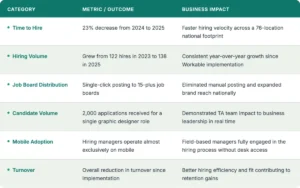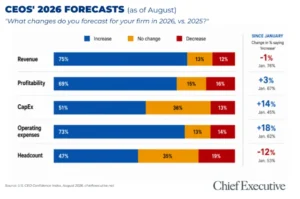
The opening quarter of 2026 has brought a complex array of challenges and shifts to the global labor market and corporate operational strategies, as evidenced by recent data indicating significant workforce reductions, a continued surge in U.S. healthcare expenditures, and the surprisingly limited "transformational" impact of artificial intelligence in key HR functions. While early career workers grapple with real earnings dipping below pre-pandemic levels, companies are facing a delicate balancing act between cost containment, talent management, and the strategic integration of emerging technologies. This period highlights a dynamic tension between economic pressures, evolving employee expectations, and the promise, yet nascent reality, of technological innovation in the workplace.
The Evolving Employment Landscape: Workforce Reductions and Early Career Economic Strain
The first quarter of 2026 has signaled a cautious turn in the U.S. labor market, with a significant portion of the workforce reporting active downsizing within their organizations. According to a recent Gallup poll, approximately 21% of U.S. workers indicated that their companies were engaged in workforce reduction activities during this period. This statistic offers a stark glimpse into the corporate response to a prevailing economic climate characterized by persistent inflationary pressures, fluctuating interest rates, and a broader global economic slowdown that has tempered growth expectations. Workforce reductions, which can encompass outright layoffs, hiring freezes, and reductions through attrition, are often a primary lever for companies seeking to optimize operational costs and maintain profitability in uncertain times.
The implications of such widespread reductions extend beyond immediate job losses, creating a ripple effect across the labor market. For those remaining, increased workloads, heightened job insecurity, and a potential dip in morale can affect productivity and overall organizational health. For job seekers, particularly early career professionals, the environment becomes increasingly competitive. This tightening labor market coincides with another concerning trend: early career workers’ real earnings have reportedly dipped below the levels observed at the onset of the COVID-19 pandemic. This decline in purchasing power for a crucial demographic can be attributed to a confluence of factors, including persistent inflation eroding wage gains, increased competition for entry-level roles, and potentially a shift in the types of available jobs or the compensation structures within those roles.
Historically, periods of economic uncertainty often see employers adopting more conservative hiring practices and a focus on essential roles, which can disproportionately affect those new to the workforce or seeking to transition careers. The challenges faced by early career workers are not merely financial; they also impact long-term career trajectories, wealth accumulation, and overall economic stability for a generation. Economists and labor market analysts suggest that these trends reflect a broader recalibration following the post-pandemic hiring boom, where companies are now prioritizing efficiency and strategic resource allocation. HR leaders are increasingly tasked with navigating this complex environment, balancing the need for cost control with the imperative to retain critical talent and maintain a resilient organizational culture amidst change. The focus shifts towards strategic workforce planning, talent redeployment, and enhancing employee value propositions that extend beyond mere compensation to include development opportunities and a supportive work environment.
Healthcare Spending Soars: A Burden on National Accounts and Corporate Benefits
The financial burden of healthcare in the United States continues its relentless ascent, reaching an unprecedented $5.7 trillion in 2025, marking a substantial 7.3% increase from the previous year. This staggering figure, released through government data, underscores a systemic challenge that impacts not only national budgets but also corporate balance sheets and individual household finances. The escalation in spending can be attributed to a multifaceted array of factors, including the rising cost of medical services, advancements in expensive new technologies and treatments, an aging population requiring more intensive care, and the persistent inflation within the healthcare sector itself.
A significant portion of this expenditure is shouldered by employers through sponsored health insurance plans, making healthcare benefits one of the largest and most complex line items in corporate budgets. The year-over-year increase translates directly into higher premiums, increased deductibles, and greater out-of-pocket costs for employees, creating a considerable strain on both parties. This escalating cost pressure forces HR and benefits professionals to constantly re-evaluate their offerings, seeking innovative ways to manage costs without compromising employee access to quality care, which remains a critical component of talent attraction and retention strategies.
Within this landscape, the emergence of GLP-1 (glucagon-like peptide-1) receptor agonists, medications primarily used for managing Type 2 diabetes but increasingly prescribed for weight management, has introduced a new dimension to the employer benefits discussion. A recent survey conducted by the Society for Human Resource Management (SHRM) revealed that only 15% of employers currently cover GLP-1s specifically for weight management. These medications, while highly effective for many, come with a significant price tag, often costing over $1,000 per month without insurance. The decision to cover GLP-1s presents a dilemma for employers: on one hand, these drugs can lead to substantial health improvements, potentially reducing future healthcare costs associated with obesity-related conditions. On the other hand, widespread coverage could dramatically inflate current benefits expenditures, especially given the prevalence of obesity in the U.S. population.
The 85% of employers not covering GLP-1s for weight management are likely weighing these high costs against the potential benefits, alongside concerns about long-term efficacy, the potential for off-label use, and the equitable distribution of high-cost treatments. Many organizations are exploring alternative strategies, such as comprehensive wellness programs focusing on nutrition and exercise, or more targeted coverage for individuals with specific medical indications. Industry analysts predict that the debate around GLP-1 coverage will intensify, with more employers evaluating pilot programs or tiered benefit structures to manage this evolving and costly therapeutic area. Policy experts continue to advocate for broader healthcare reforms that address the root causes of rising costs, from drug pricing transparency to systemic efficiency improvements, emphasizing that the current trajectory is unsustainable for the nation’s economic health.
Artificial Intelligence in HR: Promise Versus Reality
The pervasive discourse surrounding artificial intelligence (AI) has positioned it as a transformative force across all industries, and human resources is no exception. From streamlining recruitment processes to enhancing employee experience and automating administrative tasks, the potential applications of AI in HR have been widely lauded. However, recent findings from a survey by ManpowerGroup and research firm Everest Group present a more nuanced picture, indicating that fewer than 5% of companies have achieved "transformational" outcomes on key metrics thanks to AI, particularly in recruiting. This statistic challenges the prevalent hype, suggesting a significant gap between the anticipated revolutionary impact of AI and its current practical realization within organizations.

"Transformational outcomes" in the context of AI in recruiting typically refer to significant, measurable improvements that fundamentally alter the way talent acquisition is conducted. This could include dramatically reducing time-to-hire, substantially improving the quality of candidates, significantly cutting recruitment costs, or creating a demonstrably superior candidate experience through AI-powered personalization. The low percentage suggests that while many companies are experimenting with AI tools, few are truly harnessing their power to achieve a paradigm shift in their HR operations.
Several factors contribute to this disparity between promise and reality. One primary impediment identified by industry experts is the issue of "broken recruiting processes" that pre-exist AI implementation. If underlying processes are inefficient, poorly defined, or riddled with biases, simply layering AI on top will not fix them; it may even amplify existing flaws. AI requires clean, structured data to function effectively, and many organizations struggle with data quality, integration across disparate systems, and a lack of clear data governance strategies. Without a solid data foundation, AI algorithms cannot learn effectively or provide reliable insights.
Furthermore, the successful implementation of AI in HR demands a blend of technological expertise and deep domain knowledge. Many companies lack the internal talent to effectively deploy, manage, and continuously optimize AI tools, leading to underutilized technology or misaligned applications. Ethical concerns, particularly regarding algorithmic bias in hiring, data privacy, and the transparency of AI decision-making, also contribute to cautious adoption and slower transformative impact. Organizations are increasingly aware of the need for human oversight and ethical guidelines to ensure fair and equitable treatment of candidates and employees.
Despite the limited transformational outcomes, companies are not entirely neglecting AI. Many are likely achieving incremental gains through AI applications, such as automating resume screening, using chatbots for candidate inquiries, or leveraging predictive analytics for workforce planning. These applications, while not "transformational," contribute to efficiency gains and can free up HR professionals to focus on more strategic, human-centric tasks. The ManpowerGroup/Everest Group survey underscores the critical need for organizations to move beyond mere adoption of AI tools to a more strategic, holistic approach that addresses foundational process improvements, invests in data infrastructure, and develops the necessary human capabilities to unlock AI’s full potential. HR tech vendors are also responding by developing more integrated, user-friendly platforms that emphasize ethical AI and transparent functionalities, aiming to bridge the gap between technological capability and real-world business impact.
Broader Implications and Outlook for the Remainder of 2026
The confluence of these trends – workforce adjustments, spiraling healthcare costs, and the challenging integration of AI – paints a complex picture for organizations and the global workforce as 2026 progresses. The prevailing economic headwinds necessitate a strategic re-evaluation of operational efficiencies and talent management, pushing companies to make difficult decisions regarding headcount and resource allocation. This environment places increased pressure on HR departments to act as strategic partners, guiding organizations through periods of change while safeguarding employee well-being and maintaining a competitive edge in talent acquisition and retention.

The relentless rise in healthcare spending will continue to be a dominant concern, forcing employers to innovate in their benefits strategies. This could manifest in a greater emphasis on preventive care, wellness programs, and a more data-driven approach to benefit design that optimizes value for both the company and its employees. The GLP-1 debate is a microcosm of this larger challenge, highlighting the difficult choices organizations face when balancing cutting-edge medical advancements with sustainable cost management. The long-term implications for national health policy and the role of employer-sponsored health coverage will undoubtedly remain a focal point of discussion and reform efforts.
Meanwhile, the journey of AI integration into HR is clearly in its early stages of maturity, despite the initial hype. The findings suggest that a more pragmatic and strategic approach is required, moving beyond simply acquiring AI tools to fundamentally re-engineering processes, investing in data quality, and upskilling the workforce to leverage these technologies effectively. The future success of AI in HR will hinge not just on technological advancement, but on organizational readiness, ethical implementation, and a clear understanding of where AI can truly augment human capabilities rather than merely automate existing inefficiencies.
Collectively, these insights underscore a period of significant adaptation for businesses worldwide. The ability to navigate workforce dynamics, control escalating costs, and strategically harness technological innovations will differentiate resilient organizations. For the remainder of 2026 and beyond, successful enterprises will likely be those that adopt agile HR strategies, prioritize employee support amidst change, and invest thoughtfully in technologies that genuinely drive efficiency and enhance the human element of work, rather than simply chasing every new trend. The emphasis will shift towards sustainable growth, empathetic leadership, and a commitment to continuous learning and adaptation in an increasingly complex global environment.