
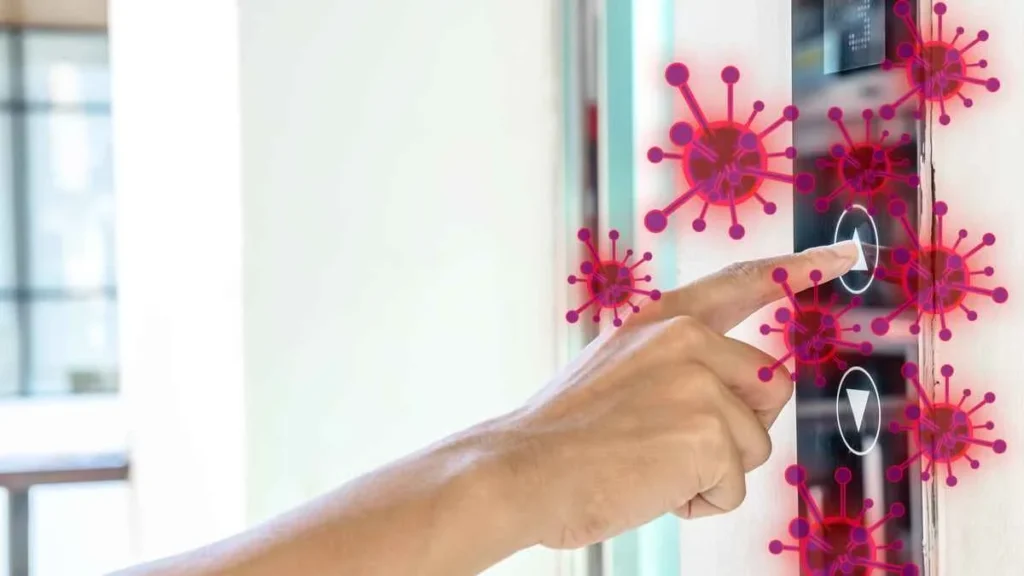
As summer temperatures soar, bringing with them a host of well-documented challenges for human resources departments—from managing heat stress and World Cup-related distractions to navigating evolving employment laws and combating offensive workplace banter—an unseen, insidious threat is silently gaining strength. This microscopic enemy, thriving in the warmth and humidity, poses a direct risk to employee health and productivity, often striking without immediate warning in the very spaces designed for work. This growing bacterial menace, particularly prevalent on frequently touched office items, demands immediate attention and a re-evaluation of conventional workplace hygiene practices.
The findings from a recent scientifically controlled experiment, conducted by digital workspace solutions provider DTP Group in collaboration with Dr. Primrose Freestone, an associate professor in clinical microbiology at the University of Leicester, have brought this silent threat into sharp focus. The study revealed that despite regular cleaning attention often directed towards communal areas like office kitchens and bathrooms, the individual workspaces where employees spend the majority of their day are frequently overlooked, becoming veritable breeding grounds for microorganisms.
Unveiling the Bacterial Hotbeds: The DTP Group Study
The DTP Group’s experiment sought to identify which office items harbored the highest bacterial loads. The results were startling, pinpointing the humble office desk as the primary culprit. Counterintuitively, the desk—an item one might assume receives regular cleaning—exhibited a bacterial load 4.5 times higher than that found on a computer mouse. This discovery underscores a significant gap in routine cleaning protocols, where individual workstations often fall outside the scope of daily sanitization efforts.
Dr. Primrose Freestone, commenting on the research, elucidated the scientific basis for these findings. "The bacterial counts of desk, keyboard, and laptop were the highest of the swabs and are not surprising as they involve hand contact, and hands, palm and fingers are known to be very well colonised by both their endogenous microbiome and whatever the hands encounter," Dr. Freestone explained. She further elaborated, "It is what we pick up microbiologically that explains why we need to wash our hands so often. The screen has fewer microbes as it is touched less, and the mouse is used by only one hand, so again this explains the fewer counts." This highlights the direct correlation between frequent hand contact and bacterial accumulation, emphasizing the critical role of hand hygiene in mitigating transmission.
The Science of Summer and Microbial Proliferation
The increased prevalence of bacteria during warmer months is not coincidental. Scientific consensus confirms that warm, humid conditions are ideal for bacterial multiplication. Many common bacteria, including Staphylococcus aureus, Escherichia coli, and various strep strains, flourish in temperatures between 20°C and 40°C, with optimal growth often observed around body temperature. Elevated humidity levels further contribute to their survival and growth by preventing desiccation. This means that the microorganisms already present on office surfaces, introduced through human contact, air circulation, and even food particles, become significantly more active and numerous during sustained hot weather.
Consider the typical office environment: shared keyboards, communal printers, door handles, elevator buttons, and, crucially, individual desks where many employees also consume meals. Each interaction deposits a microscopic ecosystem, which then benefits from the summer heat to expand rapidly. The study implicitly reinforced the long-standing advice against eating at one’s desk, as food particles provide an additional nutrient source, accelerating bacterial growth and increasing the risk of contamination. Public health organizations consistently advocate for designated eating areas to minimize this particular risk.
Beyond the Desk: The Chemical Conundrum of Cleaning
In response to these findings, the natural inclination might be to intensify cleaning efforts, perhaps by arming every employee with a powerful antibacterial spray. However, this seemingly straightforward solution introduces another layer of complexity and potential hazard. The indiscriminate use of broad-spectrum antibacterial agents carries significant risks, primarily contributing to the development of "superbugs." When bacteria are consistently exposed to antibacterial chemicals, the weaker strains are eliminated, while resilient strains survive, mutate, and develop defenses, becoming resistant to common disinfectants and, more alarmingly, to medical antibiotics. This phenomenon lessens the effectiveness of vital medical remedies, posing a long-term public health crisis. The World Health Organization (WHO) and other global health bodies have repeatedly warned about the escalating threat of antimicrobial resistance (AMR), identifying it as one of the top ten global public health threats facing humanity.
Furthermore, many conventional household and office cleaning sprays, disinfectants, detergents, and polishes contain Volatile Organic Compounds (VOCs). These carbon-containing chemicals easily evaporate at room temperature, releasing toxic gases into the indoor air. Prolonged exposure to VOCs can lead to a range of adverse health conditions, from acute symptoms like headaches, dizziness, and respiratory irritation to more severe, chronic issues such as liver damage, kidney damage, central nervous system damage, and even certain types of cancer. The U.S. Environmental Protection Agency (EPA) consistently lists indoor air pollution, often exacerbated by VOCs, as a significant environmental health concern. The pursuit of a sterile environment, therefore, must be balanced against the imperative to maintain healthy indoor air quality.
This presents a paradoxical challenge for HR and facilities management: how to effectively combat microbial threats without inadvertently creating "superbugs" or polluting the indoor environment with harmful chemicals. The answer, experts suggest, may lie in a strategic shift towards eco-friendly cleaning products that are free of VOCs and designed to clean effectively without promoting bacterial resistance. This approach, while perhaps requiring a re-evaluation of traditional cleaning protocols and product choices, offers a path out of the "petri dish and into the fire" dilemma.

The Broader Spectrum of Summer Hazards: Legionella and Hot Tubs
While office desks might be a primary source of bacterial contamination, summer also brings heightened awareness of other, potentially more severe, microbial threats. A firm named Hydrosense recently issued a warning concerning the "urgent" risk of Legionella bacteria in hot tubs, particularly as temperatures surpassed 35°C. Legionella pneumophila, the bacterium responsible for Legionnaires’ disease, thrives in warm, stagnant water and can be inhaled as aerosols from contaminated water sources. Symptoms of Legionnaires’ disease, a severe form of pneumonia, include cough, shortness of breath, high fever, muscle aches, and headaches, and it can be fatal, especially for the elderly or immunocompromised individuals.
While the immediate reaction within a typical office setting might be perplexity—few companies maintain a corporate hot tub—the underlying message is critical. The incident serves as a stark reminder that water systems in any building, not just hot tubs, can become breeding grounds for Legionella if not properly maintained. This includes cooling towers, evaporative condensers, humidifiers, and even large plumbing systems. The anecdote of the HR colleague, suddenly anxious and clutching cleaning materials, highlights the subconscious realization that these broader environmental risks, though seemingly distant, can profoundly impact perceptions of safety and well-being, even leading to unexpected personal concerns about one’s own home environment. HR professionals must be aware of such risks, not only within the confines of the workplace but also as they might impact employee peace of mind and, potentially, even personal health decisions.
Implications for Employers and Employees: Health, Productivity, and Compliance
The cumulative effect of these microbial and chemical threats has significant implications for both employers and employees. For employees, increased exposure to bacteria translates to a higher risk of common illnesses like colds, flu, and gastrointestinal infections, leading to discomfort, reduced quality of life, and potential health complications. The presence of VOCs further compromises respiratory health and overall well-being.
For employers, the consequences are multifaceted. A sick workforce is a less productive workforce. Absenteeism due to illness incurs direct costs in terms of sick pay and lost output. Furthermore, "presenteeism"—employees coming to work while ill—can be equally detrimental, as sick employees are less effective, spread germs to colleagues, and prolong their own recovery. Studies from organizations like the Centers for Disease Control and Prevention (CDC) frequently highlight the economic burden of workplace illness, estimating billions of dollars in lost productivity annually.
Beyond productivity, there are legal and ethical obligations. Employers have a duty of care to provide a safe and healthy working environment. Neglecting basic hygiene protocols or exposing employees to harmful chemicals could lead to legal liabilities, worker’s compensation claims, and reputational damage. HR departments play a crucial role in developing and implementing policies that address these concerns, from promoting robust hand hygiene practices to ensuring appropriate cleaning protocols and product selections.
Best Practices and Mitigation Strategies for a Healthier Workplace
Addressing these multifaceted summer hazards requires a comprehensive and proactive approach.
- Enhanced Hand Hygiene: This remains the cornerstone of infection control. Employers should ensure readily available handwashing facilities with soap and water, and provide alcohol-based hand sanitizers (at least 60% alcohol) in common areas and at individual workstations. Regular communication campaigns reinforcing the importance of frequent and thorough handwashing are essential.
- Targeted Cleaning Protocols: Focus cleaning efforts beyond communal areas to individual workstations. Desks, keyboards, mice, and phones should be wiped down regularly (daily or several times a week) with appropriate disinfectants. Providing employees with individual cleaning wipes can empower them to maintain their own space.
- Strategic Product Selection: Prioritize cleaning products that are effective against bacteria and viruses but are also eco-friendly and VOC-free. Look for certifications from recognized environmental agencies. This mitigates the risk of "superbug" development and improves indoor air quality.
- Promoting Desk-Free Eating: Encourage employees to eat meals in designated kitchen or breakroom areas, minimizing food debris at workstations and reducing bacterial nourishment.
- Optimized Ventilation and Air Quality: Ensure HVAC systems are well-maintained, filters are changed regularly, and fresh air circulation is maximized. Good ventilation helps dilute airborne contaminants, including VOCs and some microbes. Air quality monitoring can provide valuable data for intervention.
- Water System Management: For facilities with water features, cooling towers, or complex plumbing, regular Legionella risk assessments and water treatment plans are paramount. This involves routine testing, disinfection, and maintenance to prevent the conditions that allow Legionella to thrive.
- Employee Education: HR departments should regularly educate employees on best practices for personal hygiene, workstation cleanliness, and the rationale behind these measures. Understanding the "why" can significantly increase compliance.
- Flexible Work Arrangements: In extreme heat conditions, consider flexible work options like remote work to reduce exposure to potential heat-related risks and crowded office environments, indirectly reducing pathogen transmission.
The Evolving Landscape of Workplace Hygiene
The COVID-19 pandemic significantly elevated public awareness of workplace hygiene, yet as the immediate crisis recedes, there’s a risk of complacency. The DTP Group study serves as a timely reminder that microbial threats are constant and evolve with environmental conditions. HR professionals and facilities managers must view workplace hygiene not as a reactive measure, but as an ongoing, strategic component of occupational health and safety.
The challenge lies in integrating sustainable and effective hygiene practices into the daily fabric of organizational culture, moving beyond superficial cleaning to a deeper understanding of microbial ecology and environmental health. As Dr. Freestone’s insights suggest, our hands are primary vectors for microbial transfer. Therefore, empowering employees with knowledge and tools for personal responsibility, alongside robust institutional cleaning protocols, is key. The future of workplace health hinges on a holistic approach that considers not just the visible dirt but also the unseen dangers, ensuring that the summer months, while enjoyable, do not become a season of silent microbial proliferation and compromised well-being.







