In an era of dynamic labor markets and an increasing focus on diverse talent acquisition, the recruitment of veterans and transitioning service members stands as both a significant opportunity and a persistent challenge for U.S. employers. With over 2 million individuals currently serving in the U.S. Armed Forces and approximately 250,000 transitioning to civilian life each year, this demographic represents a vast pool of highly skilled, disciplined, and dedicated professionals. However, a fundamental disconnect—primarily a "language barrier" concerning job descriptions and skill translation—has historically impeded seamless integration into the civilian workforce. New technological advancements, particularly in Artificial Intelligence (AI), combined with targeted recruitment strategies, are now emerging as critical tools to bridge this gap, promising a more efficient and equitable pathway for veterans seeking post-service careers.
The Scale of the Opportunity: A Nation’s Untapped Talent
The U.S. military comprises roughly 1.3 million active-duty personnel and approximately 800,000 in the Reserve and National Guard, contributing to a total veteran population of nearly 19 million. These individuals bring an unparalleled array of experiences, including leadership, adaptability, problem-solving under pressure, teamwork, technical proficiency, and a strong work ethic—qualities highly sought after in any industry. Despite these valuable attributes, veterans often face significant hurdles in their job search. Reports from organizations like the Department of Labor and various veteran advocacy groups frequently highlight issues such as underemployment, difficulty translating military skills into civilian résumés, and a lack of understanding from civilian hiring managers regarding military roles and responsibilities. This contributes to a substantial economic cost, both in terms of lost productivity and the personal toll on veterans and their families.
The Language Barrier: Deciphering Military Job Codes
At the heart of the recruitment challenge lies the distinct lexicon of military occupations. Unlike the standardized civilian job titles, the U.S. Military utilizes specific "military job codes" to classify roles, skills, and specializations. These codes are branch-specific and typically range from two to six characters.
- Army: Military Occupational Specialty (MOS) codes (e.g., 42B for Human Resource Officer, 92Y for Unit Supply Specialist).
- Navy/Coast Guard: Ratings (e.g., ET for Electronics Technician, HM for Hospital Corpsman).
- Air Force: Air Force Specialty Codes (AFSC) (e.g., 26B for Information Systems Engineer, 25A for Signal Officer).
- Marine Corps: Military Occupational Specialty (MOS) codes, similar to the Army but with their own specific numbering system.
For instance, a veteran with an Army MOS of "42B" (Human Resource Officer) would typically search for "42B jobs" rather than the civilian equivalent "HR jobs." This discrepancy often leads to frustration, as traditional Applicant Tracking Systems (ATS) and company career sites are not designed to interpret these codes, resulting in "zero results" or irrelevant matches for highly qualified candidates. The inability to effectively search for jobs using their familiar terminology creates a significant barrier, pushing veterans away from company career portals and towards platforms that understand their unique language.
Historical Challenges and the Evolution of Recruitment Tools
For decades, the transition from military to civilian employment was largely a manual and often bewildering process. Veterans relied heavily on personal networks, government-sponsored transition assistance programs, and often, their own efforts to "translate" their military experience into civilian-understandable terms. Many found themselves in jobs that underutilized their extensive training and leadership capabilities.
The advent of the internet and digital job boards brought some relief, but the core issue of skill translation persisted. Recognizing this gap, some leading national job boards began to integrate support for military job codes into their search functionalities. Platforms such as [mention specific job boards if available in original or infer common ones like Indeed, LinkedIn, Military.com] allow users to search using MOS, AFSC, or Rating codes, providing a crucial bridge between military terminology and civilian opportunities. For example, a search for "42B" on these platforms might yield a list of senior HR positions, effectively matching military experience with corporate needs. This was an important first step, but it still left many corporate career sites as "black holes" for veteran applicants.
The AI Breakthrough: Google Cloud Talent Solutions and Beyond
A significant leap forward in veteran recruitment has emerged with the integration of Artificial Intelligence into job search technologies. Google’s Cloud Talent Solutions, leveraging advanced natural language processing (NLP) and machine learning, now includes robust support for military job codes. This AI-powered search capability enables company career sites to understand and interpret military terminology, automatically mapping it to relevant civilian job descriptions, even if the exact code isn’t explicitly listed in the job posting.
This technological innovation means that when a veteran searches a participating company’s career site for "42B," the AI can intelligently identify and present relevant Human Resources roles. This capability is transformative, as it allows companies to directly engage with veteran talent on their own platforms, providing a much more intuitive and effective candidate experience.
Case Studies: Leading Companies Paving the Way
Several forward-thinking companies have already adopted AI-powered veteran job search capabilities, demonstrating tangible improvements in their recruitment efforts:
- FedEx: A search for "42B" (Human Resource Officer) on FedEx’s career site yields multiple relevant HR positions, showcasing the AI’s ability to translate military roles into corporate equivalents.
- BAE Systems: This defense and aerospace company, which frequently hires veterans, sees substantial results. A search for "92Y" (Unit Supply Specialist) on their site can generate over a hundred supply chain-related job postings, directly connecting veterans with roles aligned with their logistical expertise.
- Johnson & Johnson (J&J): For a "66B" (Community Health Nurse), J&J’s career site provides specific nursing and healthcare roles, demonstrating the AI’s utility in specialized fields.
- Westrock: This packaging company, searching for "42B" (Human Resources), also successfully returns HR-related positions, indicating broad applicability across industries.
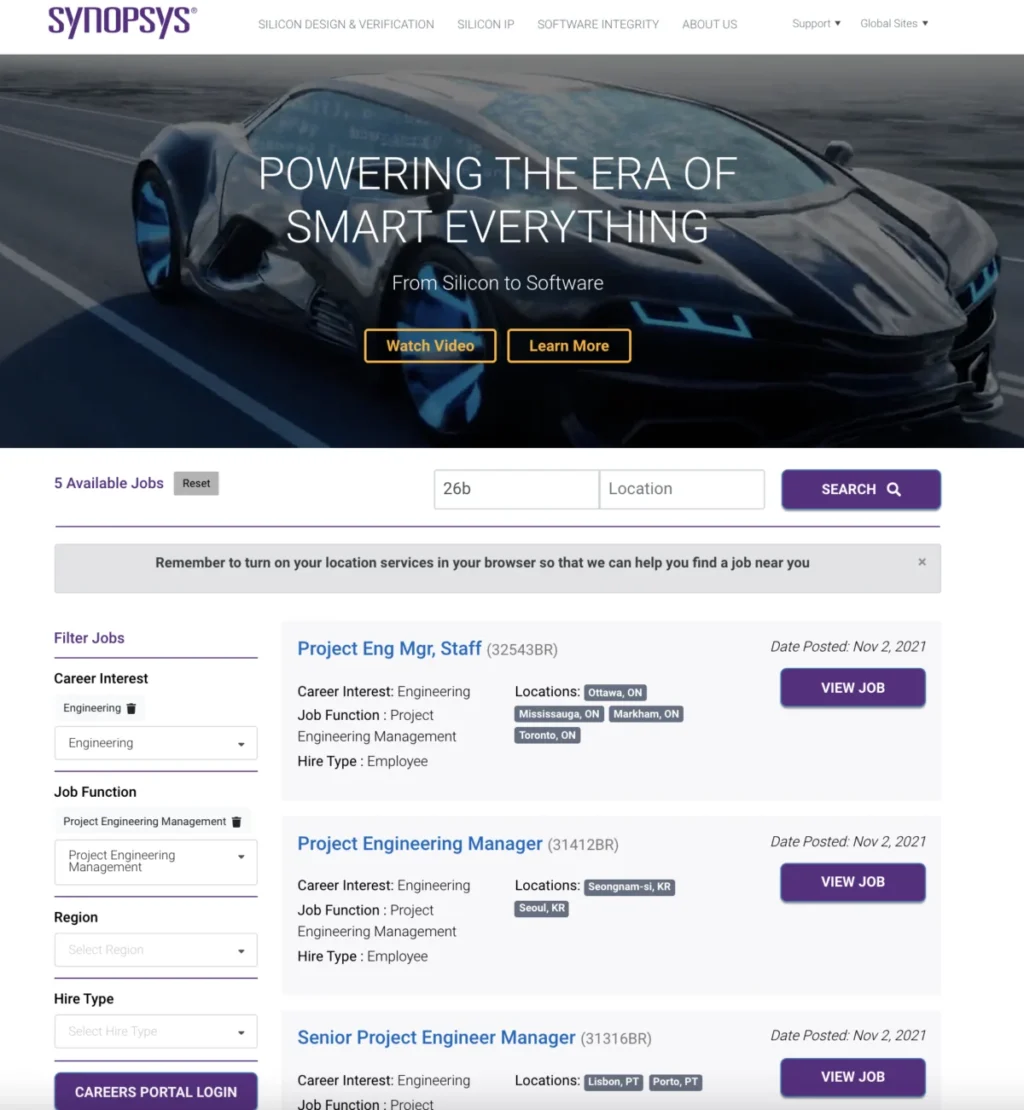
- Synopsys: Caitlin Perez, Talent Programs Manager at Synopsys, affirmed their commitment: "We were really excited when we learned that Ongig’s AI job search extends to and supports Veterans. Synopsys is focused and committed to recruiting Veterans and this functionality supports our commitment and is a step in the right direction for us and our job seekers." A search for "26B" (Information Systems Engineer) on their site yields relevant engineering roles, highlighting the precision of the AI in technical fields.
- Anixter and Peak6: Both companies illustrate how a search for "25A" (Signal Officer/Operations) generates jobs closely related to operations and management, showcasing the AI’s ability to interpret broader operational skills.
These examples underscore the practical impact of AI in making corporate career sites genuinely veteran-friendly, turning a previous recruitment bottleneck into a streamlined pathway.
Strategic Approaches for Employers: Beyond AI Integration
While AI job search is a powerful tool, a comprehensive strategy for attracting veteran candidates extends beyond technology. Employers serious about veteran hiring should consider a multi-faceted approach:
-
Leverage AI Job Search Solutions:
- Custom Development: Companies with significant resources can hire developers to integrate Google Cloud Talent Solutions directly, involving API work with their ATS and ongoing maintenance. This offers maximum customization.
- Career Site Builder Software: Many vendors, including Google partners like iCIMS (via Jibe) and Ongig, offer complete career site solutions with built-in veteran job search capabilities. These range in price but provide a full-service approach.
- AI Job Search Embeds: For those not ready for a full career site overhaul, solutions like Ongig’s AI Job Search Embed offer a plug-and-play option. A few lines of code can integrate an AI-powered search box into an existing career site, pulling jobs from any ATS and directing candidates to current job posting pages. This minimizes disruption while maximizing veteran engagement.
-
Craft Veteran-Friendly Job Descriptions:
Tailoring job adverts to resonate with veterans’ skills and experiences is paramount. This improves the candidate experience by making it easier for ex-military personnel to identify and apply for suitable positions and positions the company as a veteran-friendly employer.- Tips: Use inclusive language, highlight transferable skills (leadership, project management, technical proficiency, problem-solving, resilience), include a "military skills translator" section, list military job codes if applicable, and explicitly state commitment to veteran hiring in the EEO statement.
- Example: A "Project Manager" job description could emphasize "leadership and organizational skills, honed in the military," and explicitly list "experience managing complex projects in high-pressure environments" as a key responsibility.
-
Utilize Veteran Job Boards:
Integrating job listings from popular veteran-specific job boards (e.g., Military.com, RecruitMilitary, VetJobs) into a broader recruitment strategy significantly expands reach. This not only reaches a dedicated audience but also enhances the company’s reputation as an employer of choice for veterans.- Tips: Post directly on these boards, integrate their listings into your career site’s aggregator, and participate in their virtual career fairs.
-
Create Veteran-Specific Content and Resources:
Building a library of content—articles, videos, guides—that provides actionable advice and addresses common challenges faced by veterans seeking civilian employment positions the company as a trusted resource. This can include tips on résumé translation, interview preparation, and navigating civilian workplace culture.- Tips: Develop a dedicated "Veterans" section on the career site, feature success stories, offer FAQs, and provide links to external veteran support organizations.
-
Organize Virtual Career Fairs and Job Events:
Hosting targeted virtual events allows veteran applicants to connect directly with recruiters and hiring managers. This facilitates real-time engagement, networking, and often leads to more meaningful interactions than traditional application processes.- Tips: Partner with veteran organizations, use accessible virtual platforms, train recruiters on military culture, and follow up promptly with candidates.
-
Build Dedicated Veteran Hiring Programs:
Launching apprenticeships, internships, or fellowships specifically designed for ex-military personnel demonstrates a profound commitment to veteran integration. These programs offer hands-on training, skill development, and a structured transition pathway, fostering inclusivity and leveraging diverse perspectives.- Tips: Design programs that align military skills with specific industry needs, offer mentorship, provide ongoing support, and clearly outline career progression opportunities.
-
Map Veteran Skills to the Civilian Workforce:
Implementing a military-to-civilian skill mapping feature on the career site can empower veterans to confidently identify roles that match their competencies. This tool can translate an applicant’s profile based on their core military skills, helping them bypass unfamiliar civilian job titles or industry jargon.- Tips: Provide interactive tools that allow veterans to input their MOS/AFSC/Rating and receive suggested civilian job matches, offer guidance on translating "soft skills," and highlight how military leadership translates to corporate management.
-
Foster Engagement with Veteran-to-Civilian Success Stories:
Social proof is a powerful motivator. Featuring candid videos and written testimonials from current employees who are veterans and have successfully transitioned can significantly boost site traffic and engagement. These stories offer relatable experiences and demonstrate the company’s supportive culture.- Tips: Highlight diverse roles and backgrounds, focus on personal growth and impact, and ensure stories are authentic and inspiring.
Broader Implications: A Win-Win for Workforce and Veterans
The adoption of AI-powered recruitment tools and comprehensive veteran hiring strategies represents a crucial evolution in talent acquisition. For companies, it means access to a highly motivated, skilled, and diverse talent pool, enriching corporate culture and enhancing overall performance. Veterans, in turn, gain a smoother, more respectful, and more effective pathway to meaningful civilian employment, honoring their service and leveraging their unique capabilities.
The Department of Labor, through initiatives like the Veterans’ Employment and Training Service (VETS), continually emphasizes the economic and societal benefits of employing veterans. An HR industry analyst recently remarked, "AI’s capability to bridge the military-civilian language gap is not just a technological convenience; it’s a strategic imperative for workforce development and a moral obligation to those who served. Companies that embrace these tools will not only gain a competitive edge but also contribute significantly to national economic stability."
The Future of Veteran Recruitment
As AI technologies continue to advance, the precision and effectiveness of veteran job matching will only improve. Further integration with skill validation platforms, personalized career coaching, and advanced analytics will likely shape the next generation of veteran recruitment tools. The goal remains clear: to ensure that every transitioning service member and veteran can seamlessly translate their invaluable service into a thriving civilian career. By embracing these innovations, employers can unlock a wealth of talent, fostering a more inclusive and robust workforce for the future.