
As organizations navigate the dynamic landscape of employee engagement and cultural enrichment, a proactive approach to recognizing significant dates and celebrations is paramount. Following May’s events and with June’s calendar already mapped, the focus now shifts to July, presenting a diverse array of opportunities to foster connection, inclusivity, and a sense of belonging within the workforce. This July, by categorizing these observances, companies can strategically plan initiatives that resonate with their employees, enhance internal communication, and ultimately strengthen the organizational fabric.
Professional Celebrations and Inclusivity
July offers a crucial opportunity for organizations to reaffirm their commitment to diversity and inclusion through the observance of LGBTQIA+ Pride Month. While Pride Month is celebrated in June in many parts of the world, its echoes and continued importance extend throughout the summer. This observance is not merely a symbolic gesture; it is a vital affirmation that all employees are valued, respected, and belong. The significance of Pride Month lies in its multifaceted nature, encompassing not only visibility and acceptance but, most importantly, the celebration of joy and the diverse identities within the LGBTQIA+ community.
In the United States, the ongoing dialogue and persistent societal challenges underscore the enduring importance of this month. Companies have a responsibility to ensure their workplace is a sanctuary where every individual feels safe, supported, and empowered to be their authentic self. This can translate into various internal communications, educational sessions, or partnerships with LGBTQIA+ advocacy groups. The goal is to cultivate an environment where diversity is not just tolerated but actively celebrated, contributing to a more vibrant and innovative organizational culture.
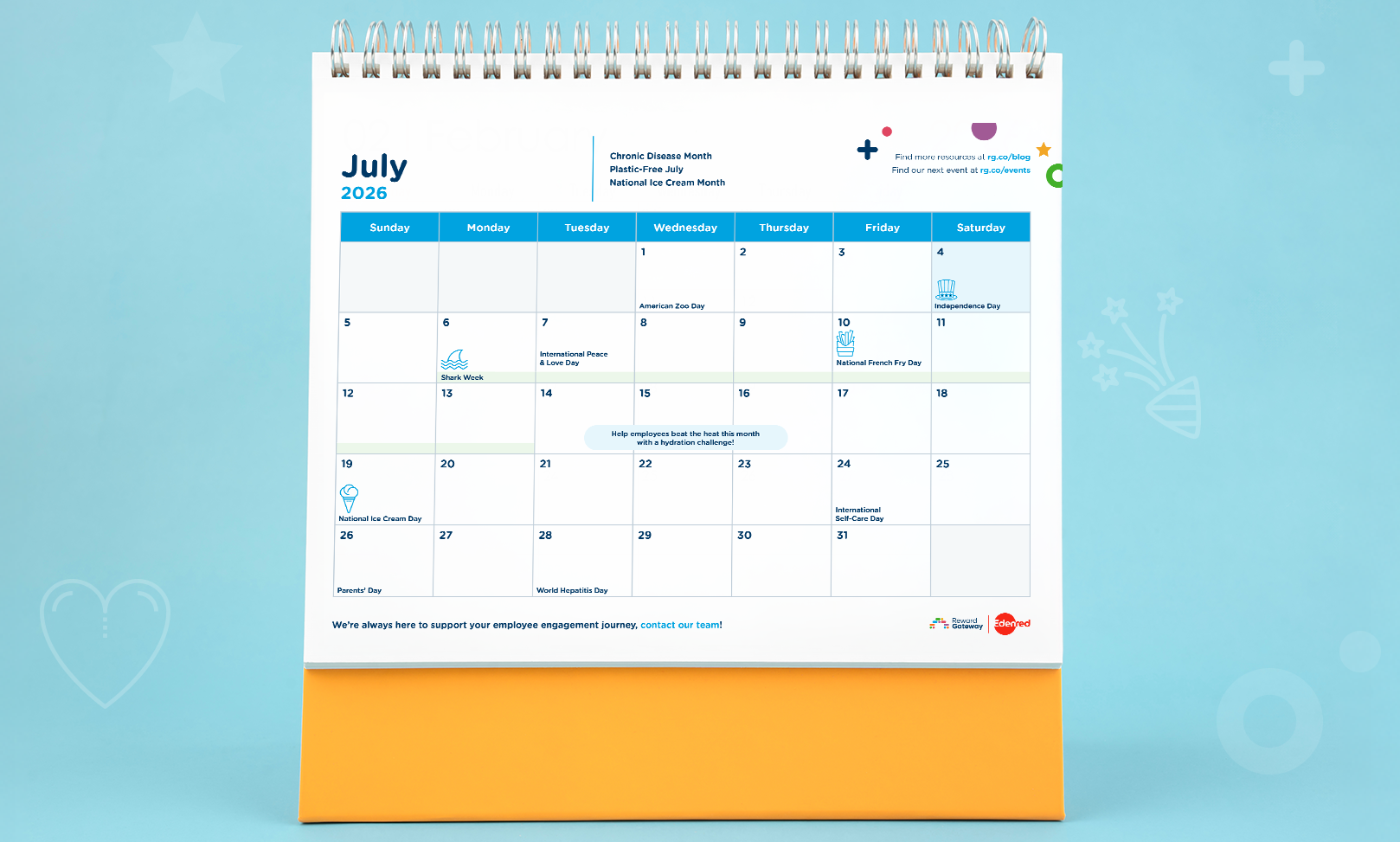
Beyond the overarching theme of inclusivity, July presents several specific dates that warrant recognition and can serve as focal points for targeted engagement initiatives:
- July 1: National Postal Worker Day & National Postage Stamp Day: The evolution of postal services, dating back to ancient Egypt, highlights a fundamental aspect of human connection and commerce. Recognizing this day is particularly relevant for businesses that rely on shipping and logistics. Acknowledging the dedication of postal workers and the historical significance of postage stamps can foster an appreciation for the infrastructure that supports global communication and trade. This can be a simple yet effective way to connect with employees who may have personal ties to this profession or to acknowledge the broader societal reliance on these services.
- July 4: Independence Day: This widely recognized national holiday serves as a moment for reflection on national values and historical significance. For many organizations, it’s a day of closure, allowing employees to celebrate with family and friends. The observance provides a natural pause, encouraging a broader societal connection to shared history and civic pride.
- July 17: World Day for International Justice: Established in commemoration of the 1998 Rome Statute, which led to the creation of the International Criminal Court (ICC), this day serves as a powerful reminder of the global pursuit of accountability and the rule of law. The Rome Statute represents a significant step towards ensuring that individuals are held responsible for egregious international crimes, including genocide, war crimes, and crimes against humanity. Its establishment marked a pivotal moment in the development of international criminal justice, aiming to end impunity and prevent future atrocities. By acknowledging this day, organizations can underscore their commitment to ethical conduct, global citizenship, and the principles of justice that extend beyond national borders. This observance can spark conversations about corporate social responsibility and the role of businesses in supporting international legal frameworks.
- July 26: Disability Independence Day: This day commemorates the signing of the Americans with Disabilities Act (ADA) in 1990. The ADA is landmark legislation that prohibits discrimination based on disability and mandates equal opportunity in all aspects of public life, including employment, transportation, and accommodations. The signing of the ADA was a monumental victory for disability rights, transforming the landscape for millions of Americans. It enshrined the principle that individuals with disabilities have the right to full participation in society and to live independently. Recognizing Disability Independence Day is an opportunity for organizations to reinforce their commitment to accessibility, inclusivity, and the employment of individuals with disabilities. It is a chance to review and enhance internal policies and practices to ensure a truly equitable environment where all employees can thrive. This date provides a concrete anchor for discussions and actions aimed at fostering a workplace that champions the rights and potential of all its members.
- July 28: World Nature Conservation Day: In an era of increasing environmental awareness, this day offers a platform for organizations to highlight their commitment to sustainability and ecological preservation. It encourages a collective reflection on the importance of protecting natural resources and the planet’s biodiversity. Companies can use this day to promote eco-friendly practices within the workplace, educate employees on conservation efforts, or even organize volunteer activities related to environmental protection. The growing urgency of climate change and biodiversity loss makes this an increasingly relevant and impactful observance for fostering a sense of shared responsibility.
- July 30: National Intern Day: This day is dedicated to celebrating and appreciating the contributions of interns within an organization. Internships are crucial for developing emerging talent and providing valuable learning experiences. Recognizing National Intern Day is a way to acknowledge the hard work, fresh perspectives, and dedication that interns bring. It’s an opportunity for management to express gratitude, offer mentorship, and potentially pave the way for future full-time opportunities, thereby investing in the next generation of professionals.
- July 31: National System Administrators Appreciation Day: This day honors the often-unseen work of IT professionals, specifically system administrators, who are the backbone of any organization’s technological infrastructure. Their expertise ensures that systems run smoothly, data is secure, and employees have the tools they need to perform their jobs effectively. Acknowledging their critical role through appreciation and recognition can significantly boost morale and highlight the importance of their technical contributions.
Culinary Delights and Community Building
July is a month that invites a more relaxed and communal atmosphere, particularly through its association with food-centric celebrations. Three month-long observances stand out as prime opportunities for company-wide social events and culture-building activities:
- Picnic Month: The concept of the company picnic has long been a staple of employee appreciation, offering a casual setting for team members to connect outside of the typical work environment. July’s designation as Picnic Month provides the perfect impetus to organize such an event. These gatherings are invaluable for fostering camaraderie, breaking down departmental silos, and allowing employees to interact on a more personal level. The relaxed nature of a picnic allows for a variety of activities, from organized games and team-building exercises to simply enjoying good food and conversation.
- National Hot Dog Month: This popular observance offers a fun and accessible theme for company events. Hot dogs are a universally recognized and enjoyed food, making them an easy choice for a company barbecue or catered lunch. The informal nature of enjoying hot dogs can contribute to a lighthearted and enjoyable atmosphere, encouraging spontaneous interactions and a sense of shared enjoyment. The celebration of National Hot Dog Month, with its specific day often falling around July 15th, provides a focal point for culinary-themed engagement.
- Berry Month: July’s recognition as Berry Month adds a healthy and vibrant element to the month’s culinary celebrations. Berries are known for their nutritional benefits and delicious taste, offering a versatile ingredient for various treats and dishes. Incorporating berries into company events, whether through a fruit salad bar, a dessert station, or even a berry-picking outing (if geographically feasible), can add a fresh and wholesome dimension to employee gatherings.
These month-long food celebrations are more than just excuses for a meal; they are strategic tools for enhancing organizational culture. They provide a low-pressure environment where employees can engage in informal networking, build stronger relationships with colleagues across different teams, and experience a sense of shared community. The benefits extend beyond immediate enjoyment, contributing to improved collaboration, increased job satisfaction, and a more positive overall work experience. These events can be customized to incorporate elements of corporate social responsibility, such as donating a portion of proceeds to a local charity or organizing a volunteer component, further embedding a sense of purpose and community impact.
Spotlight on Special Interests and Personalized Appreciation
Beyond broad professional and culinary themes, July offers numerous smaller, more niche observances that can be leveraged for creative and impactful employee engagement. These "special interests" provide accessible and often inexpensive ways to celebrate the diverse passions and personalities within an organization. The key to effectively utilizing these dates lies in tailoring communications and activities to resonate with specific employee groups or to tap into broader cultural trends.

The power of these smaller observances lies in their ability to make employees feel seen and appreciated for their individuality. By acknowledging a quirky holiday or a specific interest, organizations demonstrate a genuine understanding of their workforce beyond their professional roles. This can foster a sense of loyalty and create memorable moments that strengthen the employee-company bond. Leaning into a playful or punny approach can make these communications more engaging and memorable.
Examples of such niche observances, though not exhaustively listed in the original text, could include:
- National Tell a Joke Day (August 16th – though often cited for July): While the exact date can vary, the spirit of humor is universal. A day dedicated to sharing jokes can lighten the mood and encourage laughter, a powerful stress reliever and team builder.
- National Book Lovers Day (August 9th – again, date variations exist, but the sentiment applies): For organizations with a significant number of bibliophiles, recognizing this day can involve book club discussions, recommendations, or even a small donation to a local library.
- National Relaxation Day (August 15th – flexible application): Encouraging a day of mindfulness, breaks, or even a brief "digital detox" can promote employee well-being and highlight the importance of mental health.
The strategy here is to connect these smaller observances to the company’s values or to specific employee interests that are known within the organization. This personalized approach makes the recognition feel authentic and impactful. When employees feel that their employer understands and celebrates their unique qualities and interests, it cultivates a deeper sense of belonging and strengthens their connection to the organization. This form of appreciation, even in small gestures, can significantly contribute to a positive and supportive workplace culture, reminding individuals that they are valued not just for their output, but for who they are.
The Broader Impact of Strategic Engagement
The consistent and thoughtful recognition of various observances throughout the year, as exemplified by the July calendar, plays a critical role in shaping an organization’s culture and enhancing employee engagement. In today’s competitive talent market, companies that prioritize employee experience are more likely to attract and retain top performers. By actively participating in these celebrations, organizations can:

- Foster a Sense of Belonging and Inclusivity: Observances like Pride Month and Disability Independence Day send a clear message that diversity is valued and that all employees are welcome and respected. This creates a more inclusive environment where individuals feel safe to be themselves, leading to increased psychological safety and higher levels of engagement.
- Boost Morale and Reduce Stress: Fun and engaging events, such as picnics or culinary celebrations, provide opportunities for employees to de-stress, connect with colleagues, and experience positive emotions. This can lead to improved job satisfaction and a more positive overall work atmosphere.
- Enhance Collaboration and Teamwork: Events that bring employees together in informal settings can break down departmental barriers and foster stronger working relationships. This improved collaboration can lead to increased innovation and productivity.
- Strengthen Employer Brand: Organizations that are known for their vibrant culture and commitment to employee well-being are more attractive to potential hires. Proactively engaging in meaningful observances contributes to a positive employer brand.
- Reinforce Company Values: Aligning celebrations with core company values, such as a commitment to social justice, environmental responsibility, or diversity, can reinforce these principles and ensure they are not just abstract concepts but lived experiences within the organization.
The strategic implementation of a calendar of events is not merely about marking dates on a calendar; it is about investing in the human capital that drives an organization’s success. By embracing the opportunities presented in July, companies can cultivate a more engaged, inclusive, and thriving workforce, ultimately contributing to a more positive and productive work environment for all. The long-term implications of such consistent effort are a more resilient, innovative, and loyal employee base, which is invaluable in navigating the complexities of the modern business landscape.
The commitment to employee experience is an ongoing journey, and leveraging monthly observances is a proven strategy for continuous improvement. As organizations look towards the latter half of the year, a well-planned engagement calendar can serve as a roadmap for building a truly exceptional workplace.