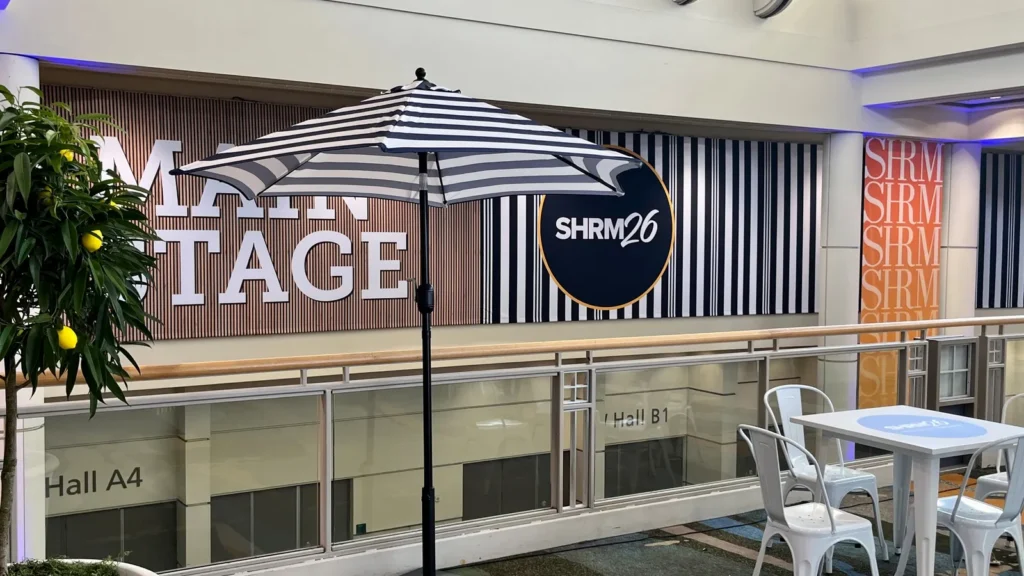
The vibrant, often whimsical, facade of Orlando, Florida’s theme parks and vacation resorts belied the serious, even urgent, discussions unfolding inside the Orange County Convention Center. At SHRM26, the annual conference of the Society for Human Resource Management, speakers painted a stark, sometimes dire, picture of the challenges facing the HR world, with artificial intelligence (AI) emerging as the central, most disruptive force. Published on July 1, 2026, this report details the key takeaways from the conference, which concluded its main sessions on June 17, 2026.
The Annual Conclave: A Pivotal Gathering for HR
The SHRM Annual Conference & Expo is globally recognized as the largest and most influential gathering of HR professionals. Annually attracting tens of thousands of practitioners, business leaders, and solution providers, it serves as a critical barometer for the industry’s health, challenges, and future direction. The 2026 iteration, SHRM26, was no exception, drawing an assembled crowd of some 20,000 attendees eager to navigate an increasingly complex global talent landscape. For decades, SHRM has been at the forefront of shaping HR practices, advocating for the profession, and providing essential resources for its members. The themes explored at its annual conferences often dictate the strategic priorities for HR departments worldwide in the subsequent years. This year, the overarching narrative was unequivocally dominated by the rapid advancements and pervasive influence of artificial intelligence, alongside other persistent workplace complexities.
The AI Ultimatum: Extinction or Evolution?
The gravity of the AI discussion was perhaps most powerfully encapsulated in the keynote address delivered by SHRM President and CEO, Johnny C. Taylor Jr. Addressing the vast audience, Taylor issued a sobering warning: HR faces "extinction" in the age of artificial intelligence. This provocative statement was not a literal prediction of the profession’s disappearance but rather a stark metaphor for the potential irrelevance or radical transformation of HR if it fails to proactively adapt and integrate AI into its core functions. Taylor’s message underscored a critical juncture for the industry, suggesting that the traditional paradigms of HR are insufficient to meet the demands of an AI-driven future.

His address highlighted the dual nature of AI. On one hand, it presents unprecedented opportunities for efficiency, data-driven insights, and enhanced employee experiences. AI tools can automate routine administrative tasks, streamline recruitment processes through intelligent screening, personalize learning and development paths, and provide sophisticated analytics for workforce planning. On the other hand, the very capabilities that make AI so powerful also pose a threat to roles historically defined by these tasks. If HR professionals do not evolve beyond transactional responsibilities, the risk is that technology will absorb these functions, diminishing the need for human intervention and potentially marginalizing the HR function within organizations. The "extinction" Taylor spoke of is thus an extinction of outdated practices and mindsets, urging a redefinition of the HR professional’s value proposition.
This sentiment echoed broader concerns within the business community about the impact of generative AI and machine learning across various sectors. Reports from leading consulting firms and research institutions frequently project significant job displacement in roles susceptible to automation, while simultaneously highlighting the creation of new roles requiring human-AI collaboration. For HR, this means a shift from being administrators to strategic partners, architects of human-AI ecosystems, and custodians of ethical technology use.
Reinventing HR: Leading the AI Revolution
Despite the initial dire warning, Taylor’s keynote ultimately pivoted to a powerful call to action: to reshape the profession and take back ownership of HR. This was a rallying cry for HR professionals to move beyond passive observation or reactive implementation of AI and instead to proactively lead its integration. Taking ownership, in this context, means several things. It involves understanding AI’s capabilities and limitations, identifying ethical considerations in its deployment, and ensuring that AI tools enhance, rather than diminish, the human experience at work.
The imperative for HR to lead the AI charge stems from its unique position within an organization. HR professionals are inherently focused on people, culture, and organizational effectiveness. This perspective is crucial for ensuring that AI is implemented in a way that aligns with company values, promotes fairness, and supports employee well-being. For instance, in recruitment, AI algorithms can inadvertently perpetuate biases present in historical data; HR’s role is to scrutinize these algorithms, ensure fairness, and champion inclusive design. Similarly, in performance management, AI can provide objective data, but HR must ensure that human judgment and empathy remain central to feedback and development processes.
Several concurrent sessions at SHRM26 provided practical insights into how this reinvention could unfold. CHROs from various organizations shared their experiences in adopting AI, emphasizing the need for a strategic roadmap. Discussions revolved around leveraging AI for predictive analytics to anticipate talent needs, using AI-powered chatbots for instant employee support, and employing machine learning to analyze employee engagement data for targeted interventions. The consensus was clear: HR must become fluent in AI, not as developers, but as informed strategists who can articulate its business value, manage its risks, and champion its ethical deployment. This includes upskilling the existing HR workforce, fostering a culture of continuous learning, and collaborating closely with IT and data science teams.

The Human Element: A Counterpoint to Automation
Amidst the discussions on technological disruption, there were also powerful affirmations of the enduring importance of human connection and leadership. Author and motivational speaker Simon Sinek delivered a memorable address on the critical need for humanity in an increasingly automated business world. Sinek’s philosophy, often centered on the "why" of leadership and organizational purpose, resonated deeply with an audience grappling with the implications of AI. He argued that while AI can optimize processes and analyze data, it cannot replicate empathy, creativity, intuition, or the capacity for genuine human connection – qualities that are becoming even more valuable in a technology-saturated environment.
Sinek’s message served as a vital counterpoint, reminding attendees that the essence of HR lies in its human-centric mission. In a world where routine tasks are automated, the strategic role of HR shifts towards fostering a positive culture, developing empathetic leaders, promoting employee well-being, and nurturing complex problem-solving skills that AI cannot replicate. This includes designing work environments that encourage collaboration, psychological safety, and a sense of belonging. HR professionals, therefore, are uniquely positioned to ensure that technology serves humanity, rather than the other way around. They must champion policies and practices that balance technological advancement with human flourishing, ensuring that employees feel valued, heard, and supported even as their roles evolve.
Navigating a Multifaceted HR Landscape
While AI commanded significant attention, SHRM26 also provided comprehensive guidance on navigating a spectrum of other critical workplace challenges, underscoring the multifaceted nature of the HR profession. These concurrent discussions highlighted that even as technology reshapes the future, foundational HR responsibilities remain paramount and continue to evolve.
One significant area of focus was creating cultures of inclusion. Sessions delved into strategies for advancing Diversity, Equity, and Inclusion (DEI) initiatives beyond mere compliance, focusing on fostering genuinely equitable workplaces where all employees feel valued and have opportunities to thrive. This included discussions on mitigating unconscious bias in hiring and promotion, developing inclusive leadership competencies, and establishing robust psychological safety protocols. The emphasis was on building sustainable DEI frameworks that are integrated into the organizational fabric rather than treated as standalone programs.

Another pressing concern was managing rising employee benefits costs. With healthcare expenses continuing to climb and employees expecting comprehensive wellness offerings, HR departments are under increasing pressure to design cost-effective yet competitive benefits packages. Sessions explored innovative approaches to benefits administration, including leveraging data analytics to optimize plan designs, exploring self-funded options, integrating mental health support, and promoting financial well-being programs. The goal was to provide attendees with strategies to balance organizational fiscal responsibility with employee attraction and retention.
Furthermore, the conference addressed the critical issue of developing policies for addressing workplace violence. In an era of heightened awareness regarding employee safety and security, HR plays a crucial role in preventing, preparing for, and responding to incidents of workplace violence. Discussions covered threat assessment protocols, de-escalation techniques, crisis communication plans, and the importance of fostering a culture where employees feel safe reporting concerns without fear of reprisal. Experts provided guidance on legal obligations, best practices for training, and the psychological impact of violence on the workforce.
These diverse topics collectively illustrated that the HR profession’s mandate extends far beyond technological adoption. It encompasses creating safe, equitable, and supportive work environments that enable both individuals and organizations to flourish. The challenge, and indeed the opportunity, for HR professionals is to integrate these traditional responsibilities with the demands of the digital age, creating a holistic strategy for workforce management.
The Road Ahead: Implications for the HR Profession
The SHRM26 conference served as a powerful inflection point for the HR profession. The overwhelming sentiment was that the future of HR is not about resisting AI but about intelligently embracing it. The implications are profound:
- Strategic Imperative: HR must elevate its strategic role, moving beyond administrative tasks to become a critical driver of business strategy, leveraging AI for predictive insights and organizational design.
- Skill Transformation: HR professionals need to acquire new skills in data literacy, ethical AI deployment, change management, and human-AI collaboration. Continuous learning will be non-negotiable.
- Ethical Leadership: HR is uniquely positioned to champion the ethical use of AI, ensuring fairness, transparency, and accountability in algorithmic decision-making, particularly in areas like recruitment, performance, and compensation.
- Human-Centric Design: As technology automates more tasks, HR’s focus on culture, employee experience, well-being, and leadership development will become even more critical in differentiating organizations and fostering human potential.
- Collaboration: Increased collaboration with IT, legal, and data science teams will be essential for successful AI integration and management.
The shift heralded at SHRM26 suggests that the HR department of tomorrow will be a dynamic, data-savvy, and deeply human-focused function, instrumental in navigating the complexities of a rapidly evolving world of work. The "extinction" warning, therefore, is less about an end and more about a forceful call to a new beginning – a transformation that promises to elevate HR’s influence and impact within organizations worldwide. The road ahead demands courage, foresight, and a renewed commitment to the human element at the heart of all enterprise.