
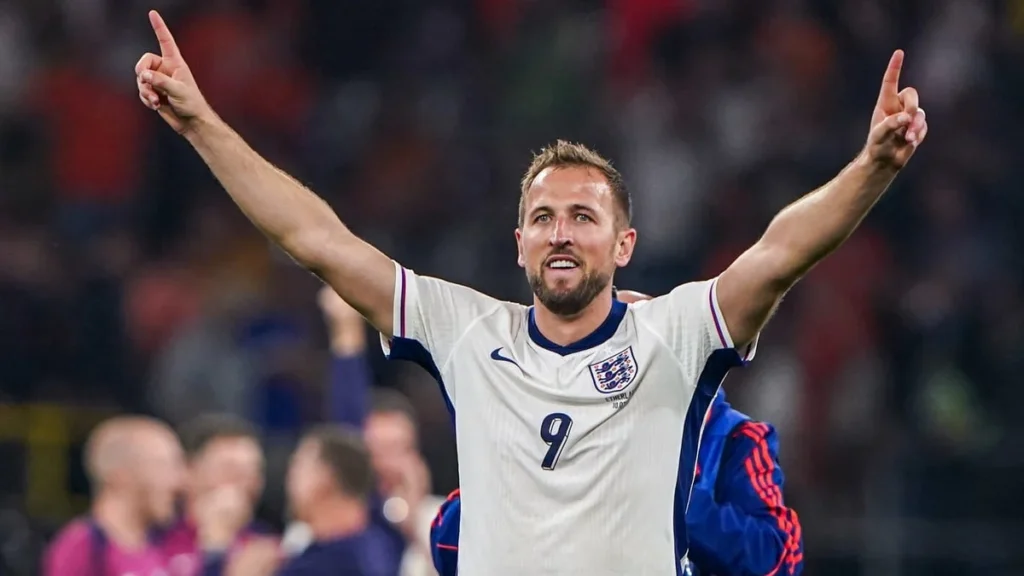
England’s progression in the FIFA World Cup, marked by a recent late victory over the Democratic Republic of Congo, has set the stage for a critical Round of 16 match against Mexico. Scheduled for 1:00 AM BST on Monday, July 6th, in Mexico City’s iconic Azteca Stadium, the early morning kick-off presents significant challenges for the British workforce, compounded by a concurrent heatwave gripping the UK. Employment experts are issuing stark warnings about potential widespread absenteeism, while government action on pub licensing hours aims to mitigate some of the economic impact and boost national morale. This domestic scenario unfolds against a backdrop of starkly contrasting employment trends in the hospitality sectors of the UK and the United States, highlighting the varied economic ripple effects of the colossal tournament.
England’s World Cup Journey and the Midnight Kick-off Dilemma
The 2026 FIFA World Cup, co-hosted by the United States, Canada, and Mexico, has captivated audiences worldwide. England, a perennial contender, has navigated the group stages with a blend of tactical prowess and last-minute heroics, culminating in a decisive win over the Democratic Republic of Congo – a match that saw captain Harry Kane secure victory in the dying minutes. This hard-fought progression has galvanized national support, but also created a unique logistical dilemma for fans in the UK.
The upcoming Round of 16 clash against Mexico is not merely a significant sporting fixture but a cultural event that commands national attention. However, its scheduling in Mexico City translates to a 1:00 AM BST start time. This inconvenient hour means the match is unlikely to conclude before 3:00 AM, and could extend to 4:00 AM if extra time and penalties are required. For millions of English fans, the allure of watching their national team on such a momentous occasion is undeniable, yet it directly conflicts with the demands of the working week. This late-night viewing experience is further complicated by a prevailing heatwave across the UK, which already strains sleep patterns and reduces overall energy levels, potentially exacerbating the desire for a "lie-in" following a night of football and celebration. The confluence of these factors creates a perfect storm for employers bracing for a Monday morning workforce potentially depleted by fatigue or outright absence.
Government Intervention: A U-Turn on Licensing Laws
Recognizing the immense public interest and the economic opportunities for the hospitality sector, the UK government made a significant policy reversal regarding licensing hours. Initially ruling out extended hours, intense lobbying and public pressure led to an announcement that pubs in England and Wales would be permitted to remain open until 5:00 AM on Monday morning. This decision was met with widespread relief and approval from various stakeholders.
Liberal Democrat MP Max Wilkinson had earlier voiced strong concerns in the House of Commons, arguing that pubs would "miss out on a real opportunity to get money in the till if ministers do not make a blanket extension for licensing hours." His position garnered support from influential bodies including the British Beer and Pub Association, several local councils, and the Mayor of London, Sadiq Khan, all of whom highlighted the potential economic windfall and community spirit that extended hours could foster. The British Beer and Pub Association, for instance, had projected that extended opening hours for major sporting events could generate millions in additional revenue for struggling pubs, offering a vital boost to local economies and employment within the sector.
Labour Party leader Sir Keir Starmer also weighed in, encapsulating the national mood with his statement: "Football might be coming home, but we’re making sure fans don’t have to. Pubs staying open til the final whistle is good news for supporters and good news for the pubs and venues that bring our communities together. The whole country will be backing the team. Come on England!" This bipartisan support underscored the cultural significance of the event and the government’s eventual acknowledgment of the need to balance regulatory concerns with national sentiment and economic benefit. The extended licensing hours are expected to allow thousands of establishments to fully capitalize on the heightened demand, serving as community hubs for shared viewing experiences and potentially offsetting some of the productivity losses elsewhere in the economy.
The Looming Threat of Absenteeism and Employer Preparedness
Despite the celebratory atmosphere surrounding the World Cup, the practical implications for employers are considerable. Employment experts are unanimous in their warnings about the likelihood of increased staff absenteeism or lateness on Monday, July 6th. Jeremy Berg, an employment partner at the law firm Spencer West, articulated these concerns clearly to Personnel Today: "Employers are no doubt nervous about Monday morning’s 1:00 AM clash against Mexico, but likely also nervous of Monday’s inevitable staff absenteeism following it."
Berg emphasized a critical legal distinction: "While the spirit of the game is infectious, it’s vital to remember that ‘World Cup fever’ is not a recognised reason for leave." This statement serves as a crucial reminder for both employees and employers. Contractually, all annual leave remains subject to employer approval, and unauthorized absences, even for a national event, can constitute a breach of contract, potentially triggering disciplinary action. The risk extends beyond simple absence; attempting to "pull a sickie" is a high-risk strategy. As Berg cautioned, if discovered—perhaps through social media posts showing an employee celebrating a last-minute winner—such an act could be classified as gross misconduct, carrying the severe consequence of summary dismissal.
To navigate this challenging period, Berg advised that transparency remains the best policy for football-loving employees. Proactive communication with management about a desire to watch specific matches is often "better received than a dubious last-minute illness." Employees are encouraged to thoroughly understand their company’s specific policies on annual leave and flexible working. Discussions with managers well in advance to explore potential shift swaps, temporary flexible working arrangements, or even the possibility of taking a pre-approved annual leave day could avert disciplinary issues.

For employers, the period surrounding major sporting events like the World Cup demands a balanced and consistent approach. While some flexibility might be considered to foster goodwill and boost morale, it is crucial to communicate expectations clearly and fairly. Companies should remind staff of their attendance policies, the procedure for requesting leave, and the consequences of unauthorized absence. Implementing temporary flexible working policies, such as allowing later starts for those who attended the game, or offering a dedicated viewing space in the workplace, could be strategies to minimize disruption while acknowledging the cultural importance of the event. However, any such arrangements must be applied consistently to avoid accusations of discrimination. The potential economic impact of widespread absenteeism could be substantial, affecting productivity, service delivery, and operational efficiency across various sectors. While specific figures for World Cup-related absenteeism are hard to quantify in advance, historical data from major sporting events suggests a noticeable dip in productivity and an uptick in unscheduled leave requests.
Contrasting Economic Impacts: UK vs. US Hospitality Employment
The economic ramifications of the World Cup are proving to be markedly different across the Atlantic, particularly within the hospitality sector. In the UK, new analysis points to a significant boost for the employment services sector, primarily driven by increased demand for temporary, seasonal, and event-based staffing. Business banking experts at money.co.uk project that the sector will generate an additional £1.6 billion in revenue over the wider May-July 2026 period. This represents a substantial 5.4% increase compared with a typical non-World Cup year.
This optimistic forecast is based on robust data, including Office for National Statistics (ONS) turnover figures and historical labour market trends observed during previous World Cup tournaments. The model accounts for how large-scale events typically influence short-term hiring demand across the UK economy. A key driver of this uplift is unequivocally the hospitality sector, where increased footfall during match days, especially with extended licensing hours, is expected to skyrocket demand for various roles: bar staff, kitchen workers, waiting staff, and venue operations personnel. Furthermore, event venues, dedicated fan zones, and public screening locations are anticipated to require substantial additional staffing to manage the surge in visitor numbers during peak fixtures. Recruitment agencies specializing in temporary and flexible labour are therefore poised to experience significant spikes in placement activity throughout the tournament window.
Joe Phelan, a business bank accounts expert at money.co.uk, affirmed this outlook: "The World Cup will create a clear short-term boost in demand for temporary and flexible staffing across the UK, particularly in hospitality and events. Late kick-offs and concentrated match-day activity increase pressure on venues during peak evening hours, which in turn drives demand for additional staff at short notice. For small and independent businesses, access to temporary labour can be critical in managing these spikes in demand and ensuring they are able to fully capitalise on busy trading periods." This demonstrates a resilient and adaptable UK labour market, capable of leveraging major events for economic gain, particularly in sectors that benefit from flexible staffing solutions.
However, the picture is strikingly different in the United States, one of the tournament’s co-hosts. Despite analysts’ initial expectations that the World Cup, shared with Canada and Mexico, would lead to a boom in leisure and hospitality jobs, the sector experienced an unexpected decline. The Bureau of Labor Statistics (BLS) reported a fall of 61,000 jobs in restaurants, bars, and hotels during June. This contraction starkly contradicts the anticipated positive impact, raising questions about the differing dynamics between the two economies and their engagement with the global sporting event.
Several factors could contribute to this disparity. The sheer passion for football in the UK, particularly for the national team, translates directly into public gatherings and increased patronage of hospitality venues. While football is growing in popularity in the US, it does not yet command the same level of pervasive national interest as it does in European countries. Furthermore, the timing of matches relative to US time zones might not be as conducive to widespread communal viewing in bars and restaurants as the late-night, early morning fixtures are for UK pubs. Existing labour market conditions in the US, including challenges with staffing retention and wage pressures, could also play a role, making it harder for the sector to capitalize on short-term demand spikes compared to the more agile temporary staffing market in the UK. The US market may also be experiencing broader economic shifts or a re-evaluation of post-pandemic employment patterns that are overshadowing any World Cup-related benefits.
Broader Socio-Economic Implications
The confluence of England’s World Cup campaign, a domestic heatwave, governmental policy shifts, and contrasting global employment trends paints a complex socio-economic picture. The delicate balance between fostering national enthusiasm and maintaining economic productivity is a recurring challenge for governments and businesses during major sporting events. While the World Cup undoubtedly boosts national morale and offers significant economic opportunities for specific sectors like hospitality, it also presents operational hurdles for others.
The UK’s proactive approach to licensing hours demonstrates a governmental understanding of the event’s cultural weight and its potential to inject vitality into local economies. However, this must be carefully managed alongside employer responsibilities and the need to maintain workplace efficiency. The expert advice for transparency and proactive communication highlights the evolving relationship between employers and employees, where flexibility and mutual understanding can mitigate potential conflicts.
Globally, the contrasting employment figures in the UK and US underscore the diverse ways in which large-scale international events integrate with local economies and labour markets. The UK’s ability to leverage temporary staffing solutions points to an agile and responsive employment services sector, whereas the US experience suggests that other, perhaps deeper, labour market dynamics might be at play, making it less susceptible to immediate event-driven booms.
As England prepares for its pivotal Round of 16 match, the nation holds its breath, not just for the outcome on the pitch, but for the ripple effects that will undoubtedly be felt across workplaces and high streets alike. The 2026 FIFA World Cup serves as a potent reminder of how global sporting spectacles intersect with national policies, economic realities, and the daily lives of citizens, creating both challenges and unique opportunities on a grand scale.







