
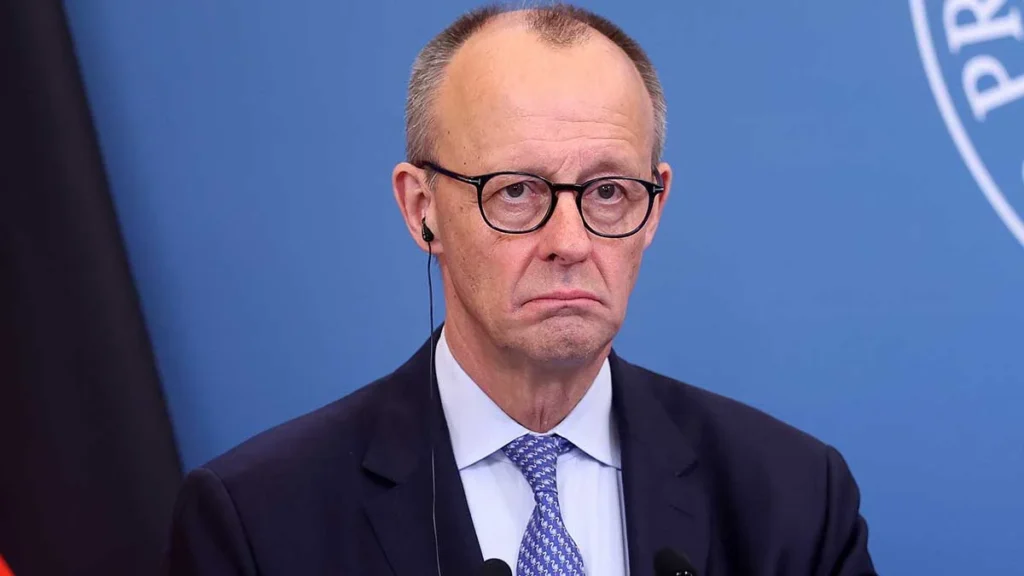
Germany is embarking on a significant overhaul of its labor laws and economic policies, with Chancellor Friedrich Merz yesterday announcing a comprehensive package of reforms aimed at revitalizing the nation’s economic competitiveness and productivity. The ambitious proposals touch upon critical areas including sick leave regulations, the duration and flexibility of fixed-term contracts, executive dismissals, and a recalibration of the national tax structure. These changes, set to roll out over the coming years, signal a determined effort by the German government to address persistent economic challenges and position the country for future growth.
Context and Rationale for the Reforms
The reforms arrive at a critical juncture for Germany, Europe’s largest economy. For several years, the nation has grappled with stagnant growth, inflation, an ongoing energy crisis exacerbated by geopolitical shifts, and a looming demographic challenge that has tightened its labor market. Historically known for its robust social market economy, strong worker protections, and generous social benefits, Germany has faced increasing pressure to adapt its framework to a rapidly evolving global economic landscape. Concerns about declining industrial output, bureaucratic hurdles, and a perceived "competitive disadvantage" due to certain labor regulations have been central to the political discourse.
Chancellor Merz, in his announcement, underscored the urgency of these measures. "We want to get Germany back on track," he declared, emphasizing that the reforms are not merely incremental adjustments but a strategic reorientation. The government’s narrative frames these changes as essential to reducing absenteeism, fostering business agility, attracting investment, and ultimately, safeguarding Germany’s long-term prosperity. The package represents a delicate balancing act between stimulating economic activity and maintaining the core tenets of Germany’s social model.
Overhauling Sick Leave Regulations
One of the most immediate and impactful changes concerns sick leave. Under the new regulations, workers in Germany will be required to obtain a medical certificate, commonly known as a "sick note" (Arbeitsunfähigkeitsbescheinigung or AU-Bescheinigung), from the very first day of illness. This marks a significant departure from the current system, which typically only mandates a sick note if an illness extends beyond three calendar days. Furthermore, Merz confirmed that the practice of issuing sick leave certificates over the phone will no longer be permitted, necessitating an in-person or digital consultation with a medical professional to obtain documentation.
Chancellor Merz acknowledged the potential unpopularity of this decision, stating, "This is a tough decision, we know that. But we can no longer afford this competitive disadvantage caused by long absences from work." This sentiment reflects a growing concern among employers and policymakers regarding the economic cost of absenteeism. According to recent data, Germany has seen a gradual increase in sick leave days per employee in recent years, with average absences nearing 19-20 days per worker annually across various sectors. While much of this is attributable to legitimate health issues, the government appears to believe that tightening certification requirements will curb potential abuses and encourage a quicker return to work, thereby boosting productivity. Critics, however, are already raising concerns about increased pressure on employees to work while unwell, potential delays in accessing medical appointments, and an added administrative burden on the healthcare system.
Revamping Fixed-Term Contracts (FTCs)
Another cornerstone of the reform package is a substantial liberalization of rules governing fixed-term contracts. For employees hired until December 31, 2030, the maximum duration for fixed-term contracts without "objective grounds" – such as project-specific work or temporary replacement – will be extended from two years to four years. This change aims to provide businesses, particularly startups and those in growth phases, with greater flexibility in workforce planning and talent acquisition.
In addition to extending the maximum duration, the reforms will also permit up to six extensions for FTCs, a significant increase from the current limit of three. Crucially, the new rules will allow for the first time the rehiring of an employee to the same employer under a new fixed-term contract after a previous one has expired. Previously, such practices were heavily restricted to prevent a cycle of temporary employment that could circumvent permanent contracts. Merz highlighted the strategic importance of these changes: "This is a particularly important opportunity for young companies, for start-ups, but also for companies that want to expand, to create new jobs."
The relaxation of FTC rules is expected to stimulate job creation by lowering the perceived risk for employers when taking on new staff. Germany’s labor market has historically been characterized by high job security for permanent employees, with strict dismissal protections. While beneficial for workers, this framework has sometimes been cited by businesses as a barrier to agile growth and rapid scaling. By offering more flexible temporary arrangements, the government hopes to encourage investment and employment, especially in nascent and innovative sectors. However, trade unions and worker advocacy groups are likely to voice strong opposition, arguing that these changes could lead to increased job precarity, reduced social security contributions, and a weakening of workers’ rights, potentially creating a two-tiered labor market.
Streamlining Executive Dismissals for "High Earners"
From January 2027, the German government plans to introduce new regulations specifically targeting the termination of employment relationships for "high earners." Modelled on existing rules within the German financial sector, these provisions will allow employers to petition a labor court to dissolve an employment relationship in exchange for a severance payment, even if a court deems the initial termination unlawful. This mechanism empowers the labor court to terminate employment at the employer’s request, with the employee receiving a court-determined severance package. The reforms are expected to apply to individuals earning approximately €180,000 or more annually.

This measure seeks to provide greater clarity and flexibility for companies in managing their senior leadership and executive teams. In Germany, the general dismissal protection law (Kündigungsschutzgesetz) makes it challenging to terminate employment without substantial justification, particularly for long-serving employees. For high-level executives, prolonged legal battles over dismissals can be costly and disruptive for businesses. By creating a specific framework for severance-based dismissals, the government aims to facilitate corporate restructuring and leadership changes, which proponents argue are essential for maintaining competitive agility in a globalized economy. While potentially streamlining corporate governance, this aspect of the reforms may also draw scrutiny regarding its fairness and potential implications for the protection of high-level employees.
Fiscal Measures and Federal Streamlining
Beyond labor market adjustments, the reform package also encompasses significant fiscal measures and public sector streamlining. The government plans to implement €10 billion in annual tax relief specifically targeted at lower-income earners. This initiative aims to boost disposable income, stimulate consumer spending, and address concerns about the cost of living. To help fund this tax relief and ensure fiscal responsibility, individuals with annual incomes of €280,000 or more will see the top rate of income tax rise from 45% to 47%. This redistributive measure underscores a commitment to social equity alongside economic liberalization.
Furthermore, the government intends to cut 8% of jobs in federal ministries, primarily through digitalization initiatives. This move reflects a broader push to modernize public administration, enhance efficiency, and reduce bureaucratic overhead. The digitalization drive is envisioned to create a leaner, more effective government, thereby freeing up resources that can be redirected towards priority areas or contribute to overall fiscal consolidation.
Reactions and Stakeholder Perspectives
The announcement has elicited a range of reactions from key stakeholders across Germany’s political and economic landscape.
Employers’ Associations: Dr. Rainer Dulger, President of the German Employers’ Association (BDA), was effusive in his praise. He stated, "With its reform package, the coalition has embarked on a long-overdue change of course. The shift towards growth and employment is an important message of the package – and it builds confidence. This change of direction must now develop into a genuine economic turnaround." Dulger specifically lauded the increased flexibility in fixed-term employment as a historic development and commended the abolition of telephone-based sick notes, affirming that the coalition is "rightly responding to the comparatively high level of absenteeism due to illness." The BDA sees these reforms as crucial for strengthening Germany’s competitiveness, stabilizing social security systems, reducing red tape, and modernizing the state.
Trade Unions: As anticipated, Germany’s powerful trade unions have voiced strong opposition to aspects of the package. The German Trade Union Confederation (DGB) issued a statement expressing profound concern, particularly regarding the changes to sick leave and fixed-term contracts. A spokesperson for the DGB commented, "These reforms represent a clear attack on workers’ rights and social protections. Forcing employees to seek a doctor’s note from day one will create unnecessary burdens on the healthcare system and pressure individuals to attend work while sick, jeopardizing public health and safety. Extending fixed-term contracts without objective reason only serves to increase job insecurity and create a precarious workforce, undermining the very stability that has long been a hallmark of the German labor market." The DGB emphasized that true economic growth should not come at the expense of fair working conditions and employee well-being.
Economic Analysts: Independent economic analysts offer a more nuanced perspective. Dr. Lena Schmidt, a labor market expert at the German Institute for Economic Research (DIW), noted, "The government’s intent to boost productivity and flexibility is understandable given Germany’s current economic climate. The liberalization of fixed-term contracts could indeed provide a short-to-medium term stimulus for job creation, especially for smaller businesses and startups. However, the long-term impact on wage growth and social cohesion needs careful monitoring. The sick leave reforms, while potentially reducing absenteeism, risk increasing the administrative load on doctors and could lead to ‘presenteeism,’ where employees come to work unwell, which can have its own negative productivity and health implications." She added that the executive severance changes, while potentially streamlining corporate management, might be perceived as favoring capital over labor.
Opposition Parties: Opposition lawmakers have largely condemned the reforms as a departure from Germany’s social market principles. A spokesperson for a leading opposition party stated, "Chancellor Merz’s government is dismantling essential worker protections under the guise of economic necessity. These reforms will create a more insecure and unequal society, benefiting big business at the expense of ordinary working people. The tax relief for lower earners is a welcome, albeit minor, gesture, but it cannot mask the deeper erosion of social safety nets and labor rights that these sweeping changes represent." Critics argue that the reforms fail to address the root causes of Germany’s economic slowdown and instead target symptoms by weakening worker protections.
Broader Economic and Social Implications
The cumulative effect of these reforms could reshape Germany’s economic and social landscape. Proponents envision a more dynamic, agile economy capable of responding swiftly to global challenges and fostering innovation. They argue that enhanced labor market flexibility will encourage investment, facilitate business expansion, and ultimately lead to sustainable job growth. The tax relief for lower earners and public sector streamlining are also seen as vital components of a comprehensive strategy to improve living standards and governmental efficiency.
However, the reforms carry significant social implications. The increased flexibility of fixed-term contracts, while benefiting employers, could lead to a substantial increase in temporary employment, potentially affecting workers’ long-term financial security, access to credit, and overall quality of life. The shift in sick leave policy may place additional stress on employees and the healthcare system, while the executive severance rules could raise questions about corporate accountability and ethical governance.
Ultimately, the success of these reforms will depend on their implementation and the ability of the German government to mitigate potential negative social consequences while achieving its economic objectives. The coming years will be crucial in observing whether Germany truly gets "back on track" through these bold and controversial changes, or if the reforms inadvertently exacerbate existing social and economic divides. The package represents a profound statement about the future direction of Germany’s economic policy, signaling a readiness to challenge established norms in pursuit of renewed prosperity.







