
The artificial intelligence industry is currently captivated by the potential public offerings of AI pioneers OpenAI and Anthropic. These two entities, led by prominent figures in the field, represent a significant dramatic arc in the current AI narrative. As details emerge regarding their prospective initial public offerings (IPOs), the market is keenly observing how these companies will navigate their competitive landscape. This intense focus on the underlying AI models, however, may be overshadowing a more significant strategic play by Microsoft, a company poised to become a dominant force by focusing on the application layer and the broader ecosystem.
The enterprise market for AI solutions can be broadly segmented into three critical components: the foundational models, the user-facing application surfaces (often referred to as the "AI Harness"), and the expansive ecosystem that supports integration and extensibility. While much of the current discourse centers on the comparative strengths and weaknesses of various AI models, the true differentiator in enterprise adoption is likely to be the seamless integration and user experience provided by the application layer, coupled with a robust partner network.
The Evolving Landscape of AI Models: Beyond a One-Size-Fits-All Approach
The initial phase of AI development was characterized by the pursuit of general-purpose models capable of handling a wide array of tasks. However, the industry is rapidly realizing that a singular model cannot effectively address the diverse and specialized needs of the enterprise. Different applications are proving to be more adept with specific AI models. For instance, coding and analytical tasks might leverage models from Anthropic, while narrative and document generation could be better served by OpenAI’s offerings. Google’s Gemini models are being explored for analytical and scientific applications, and companies like Nvidia are developing specialized world models, particularly for areas like robotics and physical simulations.

This specialization extends beyond algorithmic optimization. The training of AI models is a complex process that involves not only vast computational resources but also meticulous data curation, labeling, and refinement. Enterprises with specific domain needs, such as a pharmaceutical company requiring a model with deep understanding of protein folding or advanced genetics, will seek platforms trained on relevant datasets. This necessity for domain-specific AI means that a broad claim of "doing everything" is becoming increasingly untenable for any single AI provider.
The evolution of specialized AI solutions, exemplified by platforms like Galileo, which has become highly proficient in human capital management by focusing on HR, labor markets, and skills, demonstrates the power of vertical specialization. These systems learn and improve over time by concentrating on a particular domain, offering expert-level insights and consultation. This trend suggests that businesses will likely adopt a multi-model strategy, integrating various specialized AI solutions tailored to their unique operational requirements.
The "AI Harness": Defining the Enterprise Application Experience
Beyond the foundational models lies the crucial layer of the "AI Harness," or the application experience that surrounds and enables the use of AI. This encompasses the user interface, development tools, integration capabilities, and overall usability that allow businesses to effectively deploy and manage AI-powered solutions. The success of an AI product hinges not just on the intelligence of its underlying model, but on how easily and effectively it can be integrated into existing workflows and systems.
The historical trajectory of technological adoption provides a compelling parallel. Microsoft’s dominance in the personal computer market was not solely due to its pioneering software but also its relentless focus on the application experience. While early competitors like Lotus 1-2-3 and Multiplan offered innovative functionalities, Microsoft’s integrated suite of applications—Excel, PowerPoint, Outlook, and Windows—provided a polished and cohesive user experience that ultimately won over a massive user base, evidenced by its 450 million paying subscribers.
For enterprise developers and IT departments, the "AI Harness" is paramount. They require tools that are not only powerful but also intuitive, secure, and capable of seamless integration with their existing technology stack. This includes robust application programming interfaces (APIs), comprehensive development kits, and the ability to personalize AI interactions based on user roles and data access privileges. The critical questions revolve around the AI’s memory, its capacity for personalization, the fluidity of its user experience, and its ability to interact intelligently with external data sources and legacy systems.
The integration with existing enterprise resource planning (ERP) systems like SAP, Oracle, and Workday, as well as customer relationship management (CRM) platforms such as Salesforce and financial software like QuickBooks and HubSpot, is a non-negotiable requirement. A failure to provide these integration points renders even the most advanced AI model impractical for widespread business adoption. The effectiveness of an AI solution is therefore measured by its ability to become an extension of existing business processes, not a disruptive replacement that requires a complete overhaul of IT infrastructure.
The Power of Ecosystems in Enterprise AI Adoption
The third pillar of enterprise AI success is the ecosystem. Businesses are not looking for isolated AI solutions; they seek comprehensive platforms that offer a wide array of integrated applications, tools, and third-party support. The development of platforms like Galileo, which facilitates customer requests for integration with various policy databases, leadership models, and compliance training systems, underscores the critical need for extensibility.
In the competitive enterprise AI market, vendors that foster vibrant ecosystems of partners who can build and innovate on their platforms are poised for significant growth. These ecosystems provide the necessary infrastructure for specialized AI applications to flourish, creating a network effect that benefits both the platform provider and its partners. The ultimate goal for businesses is to leverage AI to complement and, in some cases, replace existing systems, a transition that requires flexibility and a resistance to vendor lock-in, especially in a rapidly evolving technological landscape.
The Shifting Focus: From Model to Surface
The industry’s terminology is evolving to reflect this shift in focus. While "models" remain foundational, the term "AI surfaces" is gaining prominence. A "surface" refers to the application experience—the user interface, the speed of interaction, the availability of historical data, and the effectiveness of the semantic connectivity layer. It is the combination of the underlying AI model and the application layer that truly defines the user experience.
A practical illustration of this concept can be seen in the challenges of integrating AI with existing business data. For example, an attempt to use Claude’s integration with HubSpot to retrieve a list of the largest clients and their recent marketing interactions failed due to limitations in the "context layer," which is responsible for enabling the AI to formulate accurate queries. This failure was not a reflection of Claude’s underlying model but rather a deficiency in the application surface and its ability to connect meaningfully with external data.
OpenAI and Anthropic, recognizing this reality, are increasingly relying on third-party partners like ServiceNow, Microsoft, and Accenture to build these critical application surfaces. The success of their platforms will, therefore, be heavily influenced by the quality of these integrations. A poorly executed integration can detract from the perceived value of the underlying AI, hindering adoption.
Microsoft’s Strategic Maneuver: Capitalizing on the "Surface"
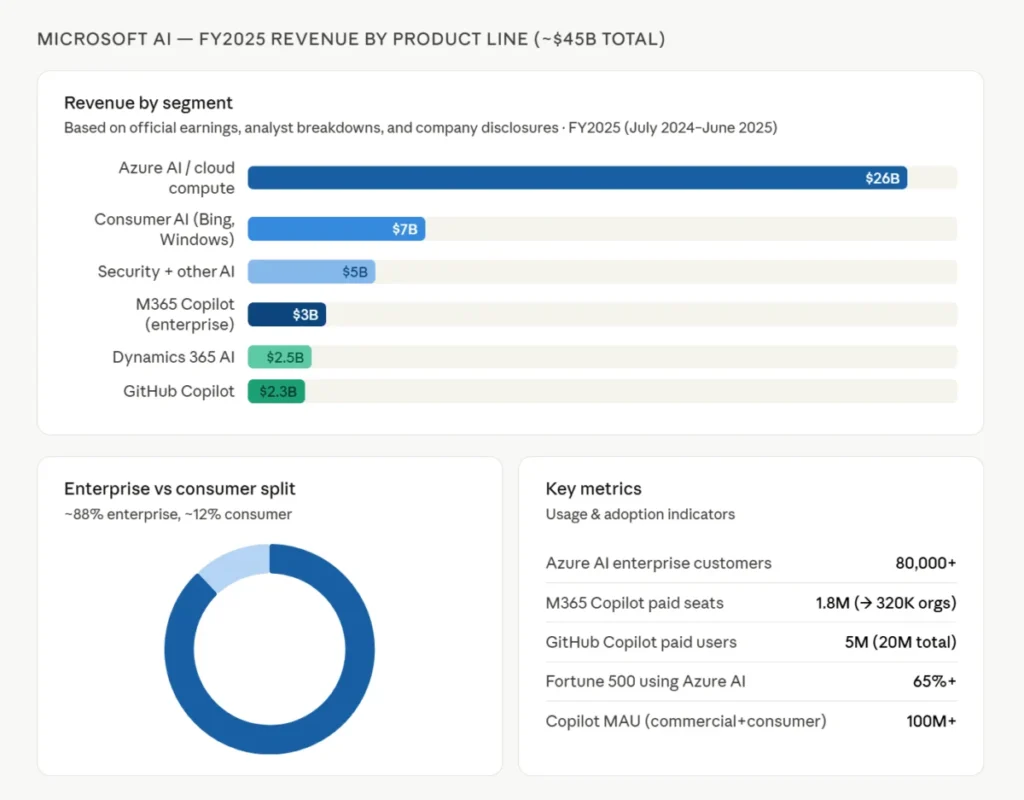
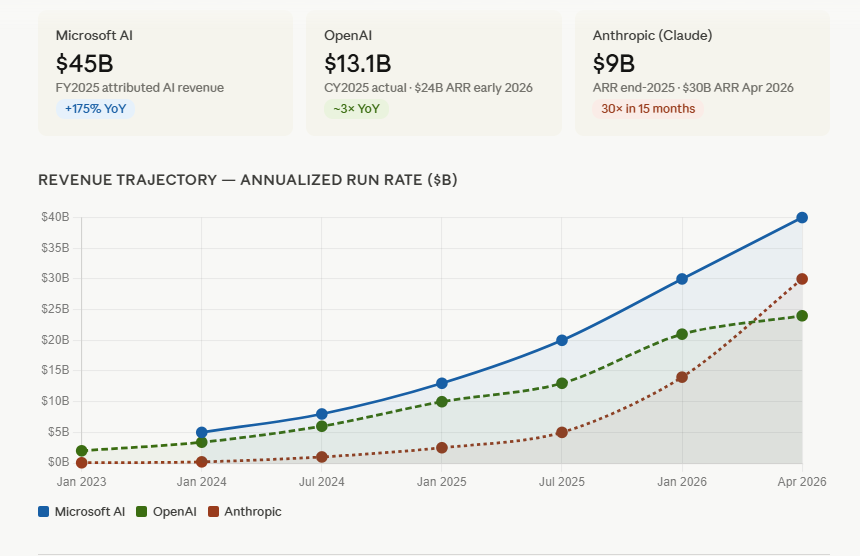
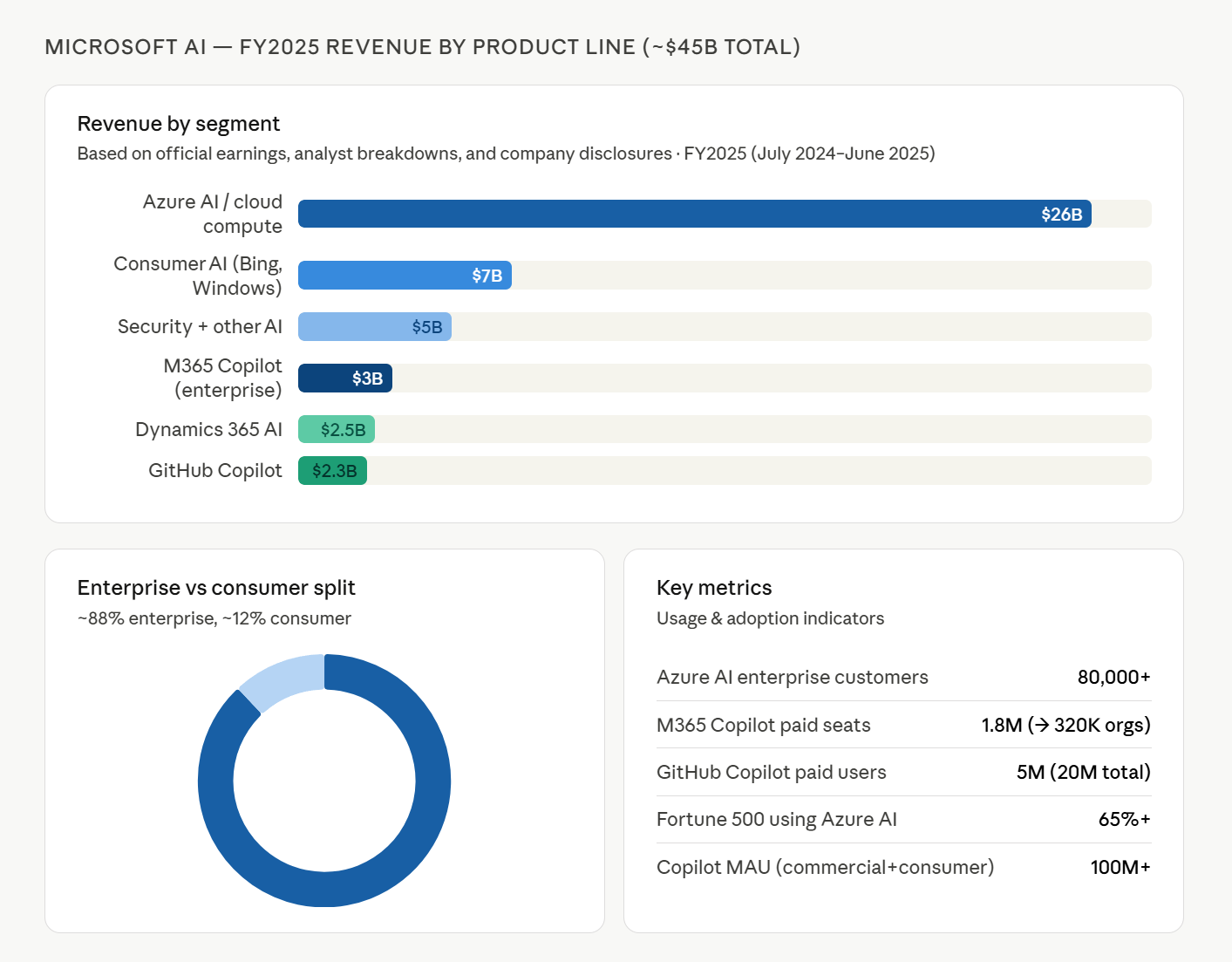
Amidst this dynamic, Microsoft is emerging as a significant contender, not necessarily by developing the most advanced foundational models, but by excelling at building the crucial "surface" and fostering a comprehensive ecosystem. While OpenAI and Anthropic are reportedly exploring public offerings with valuations in the tens of billions of dollars, Microsoft is quietly accumulating substantial AI-driven revenue through its existing enterprise and consumer products.
Estimates suggest that OpenAI’s potential $30 billion in revenue could be largely derived from consumer subscriptions, while Anthropic’s projected $30 billion might stem from selling AI compute to other providers. In contrast, Microsoft’s AI revenue appears to be generated primarily from its strategic investments in the application layer and its deep integration into its vast product suite.
Microsoft’s Copilot initiative, initially seen as a mere plugin, has evolved into an integrated platform that leverages various AI models, including those from OpenAI and Anthropic, alongside proprietary Microsoft technologies. This platform seamlessly incorporates corporate data, offering a unified experience for end-users. The company claims to have 15 million licensed users of Copilot, which, at an average price of $25 per month, could generate approximately $4.5 to $5 billion annually. When combined with fees for Azure API services and its overall AI revenue growth, Microsoft’s AI-related earnings are estimated to exceed $25 billion.
The Evolution of Microsoft Copilot: From Component to Platform
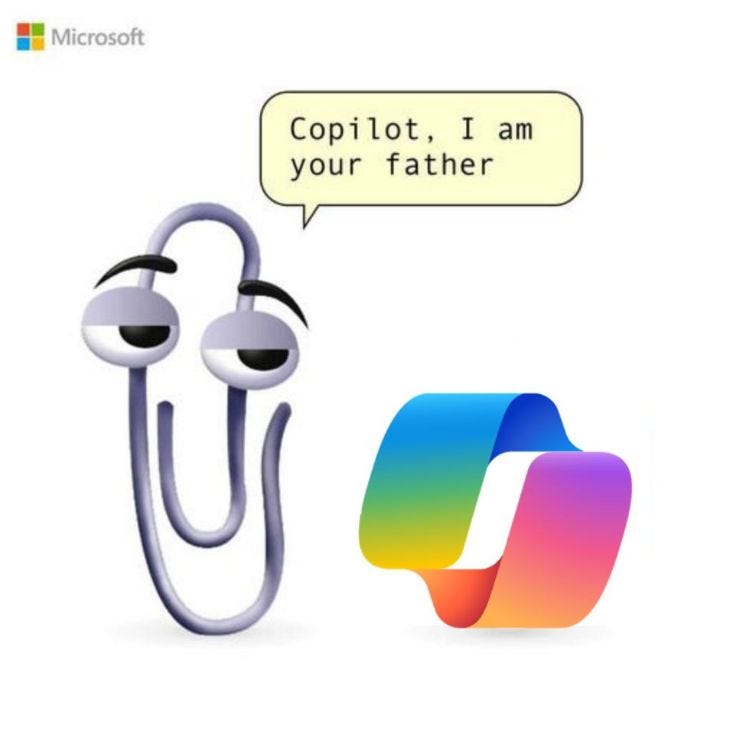
Microsoft’s AI journey began with a strategic licensing agreement with OpenAI, integrating ChatGPT into its Bing search engine. This initial step was quickly followed by the broader vision of Microsoft Copilot, which, in its early stages, was perceived as an advanced iteration of helpful assistants like Clippy. However, the company’s product development accelerated rapidly, leading to the introduction of Copilot across its Microsoft 365 suite, Dynamics, Excel, GitHub, and numerous other applications.
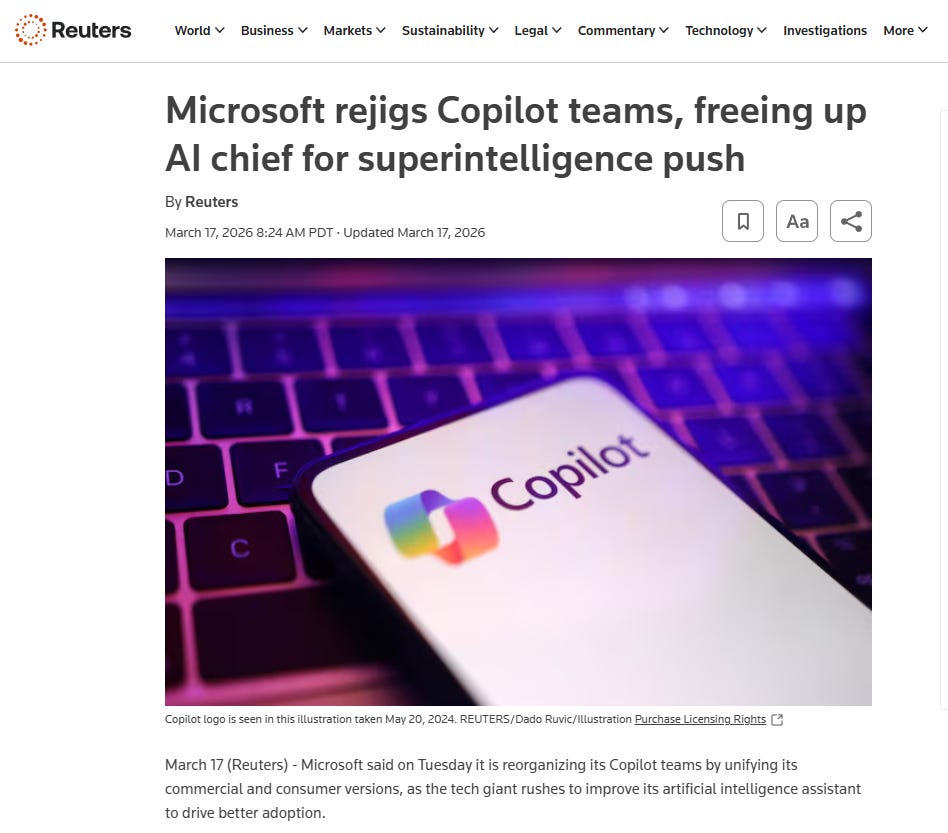
The launch of Copilot Studio, Agent 365, Work IQ, and a host of other Copilot-powered features demonstrated Microsoft’s ambition to create a comprehensive AI ecosystem. This period of rapid product development, while impressive, sometimes resulted in a perception of disjointedness. Recognizing the need for greater coherence, Microsoft undertook a significant strategic reorganization, consolidating its Copilot product teams under a single leadership structure. This move, spearheaded by CEO Satya Nadella, aims to streamline development and foster a more unified AI strategy.
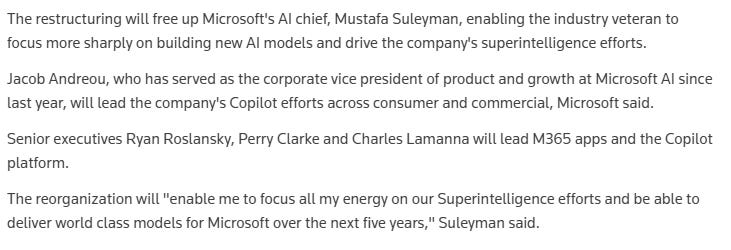
The new leadership, including Ryan Roslansky (leading LinkedIn), Perry Clarke (leading Copilot Core), and Charles Lamanna (leading Agents and Apps), is tasked with unifying the Copilot experience across enterprise and consumer segments. This integrated approach allows Microsoft’s AI engineering group to focus on developing its own advanced models while also leveraging external capabilities. The appointment of Jacob Andreou, formerly of Snap, to lead Copilot growth signals a renewed focus on user acquisition and platform expansion.
This strategic consolidation allows Microsoft to operate with an integrated engineering strategy, akin to Nvidia’s approach, where all layers of its technology stack are aligned under a single vision. This effectively:
- Centralizes AI Development: A single product organization can prioritize and execute a cohesive AI strategy, avoiding internal competition and duplication of effort.
- Optimizes Resource Allocation: Resources can be directed towards the most impactful AI initiatives, whether in model development, platform enhancement, or ecosystem building.
- Enhances User Experience: A unified approach to product development leads to a more consistent and intuitive user experience across all Copilot-enabled applications.
- Accelerates Innovation: A focused team can iterate more rapidly, bringing new features and capabilities to market faster.
Microsoft’s Advantage: Integration, Ecosystem, and User Experience
Microsoft’s strategic positioning in the AI market is underpinned by several key advantages. Firstly, the enterprise market is actively seeking integrated toolsets that combine desktop applications, development tools, IT management capabilities for AI agents, and seamless connectivity to legacy systems. While competitors like ServiceNow and Okta are addressing aspects of this need, Microsoft’s ability to build out this comprehensive solution with its extensive partner network is a significant differentiator. The ongoing development of Work IQ, Agent 365, and Copilot Studio highlights this strategy.
Secondly, the application development world, a vast and critical sector, is gravitating towards integrated development environments. Vendors across ERP, finance, productivity, and analytics are now looking to build APIs that enable their products to function within the "Copilot-land" ecosystem. While navigating the various integration points—whether through Teams, Graph, Work IQ, or Fabric—may present complexities, the overarching trend is towards a more unified development landscape.
Thirdly, end-users, from individual PC buyers to IT helpdesks, are beginning to envision a future where AI applications coalesce into a cohesive experience within the familiar Microsoft desktop environment. While the current Copilot interface may still exhibit some aesthetic inconsistencies, its functionality is steadily improving. It is reasonable to expect that Microsoft will invest heavily in its top UI designers to refine the user experience, making it more intuitive and visually appealing over time.
Fourthly, Microsoft’s expansive partner network is poised for accelerated growth. As APIs for enterprise solutions like Work IQ become more accessible, a multitude of corporate cloud vendors, many of whom are concerned about being supplanted by AI agents, will seek opportunities to integrate with the Copilot platform. This collaborative approach fosters a richer and more resilient AI ecosystem.
The Value Proposition of Microsoft’s Open Platform
Microsoft’s strategic decision to create an open platform for Copilot offers significant added value. This openness is manifesting in several key areas:
- Deep Research Capabilities: Features like the "Researcher" button, which leverages the Microsoft Graph to analyze calendar data and other corporate information, provide individuals and leaders with invaluable context and advice. As this functionality evolves with enhanced memory and context awareness, its utility for personalized insights will continue to grow.
- Intelligent Routing and Optimization: New Microsoft Agents are being developed to compare queries against different AI models, helping users optimize for cost and performance before committing computational resources. Over time, these agents will be capable of decomposing complex AI tasks and distributing them across various specialized agents.
- Agentic Interface for Core Applications: The integration of Copilot with Microsoft applications like Excel, PowerPoint, and Word allows users to interact with complex documents, generate reports, and create visualizations through natural language prompts. This extends the "in-app" Copilot experience across the entire Microsoft suite, with ongoing improvements expected.
- Intelligent Context Layer in Work IQ: The forthcoming release of Work IQ APIs will enable companies to import and build custom "context" into Copilot. This capability will transform Copilot into a truly agentic solution for specific business functions, such as HR, finance, and sales, allowing for highly tailored and automated workflows.
The integration of platforms like Galileo through Microsoft Graph connectors and fine-tuned models exemplifies this approach. By enabling employees to access specialized AI tools like Galileo for leadership, management, and HR functions within the familiar Copilot framework, Microsoft is enhancing the value proposition for its enterprise customers. This expanded API ecosystem allows for the development of even more sophisticated use cases, positioning Galileo as a leading management and HR advisor for any employee.
In conclusion, while the market remains fixated on the potential IPOs of OpenAI and Anthropic, Microsoft’s strategic focus on building a comprehensive AI ecosystem, characterized by a superior application "surface" and deep integration capabilities, positions it as a formidable leader in the enterprise AI landscape. Its ability to leverage existing market share, foster a robust partner network, and deliver a user-centric experience suggests that Microsoft is not merely participating in the AI race but is strategically orchestrating its ascent to dominance. The true competition in enterprise AI may not be about which model is superior, but which platform can most effectively harness these models to drive tangible business value.







