
The era of poorly worded recruitment emails from dubious iCloud addresses is rapidly fading into memory. Artificial intelligence has ushered in a new wave of sophisticated and persistent scams, leaving individuals vulnerable to increasingly cunning tactics. What once might have been dismissed as an obvious phishing attempt is now a far more insidious threat, capable of mimicking legitimate job offers with alarming accuracy. This evolution poses a significant challenge for job seekers and cybersecurity professionals alike, demanding heightened awareness and proactive defense strategies.
The Shifting Landscape of Employment Scams

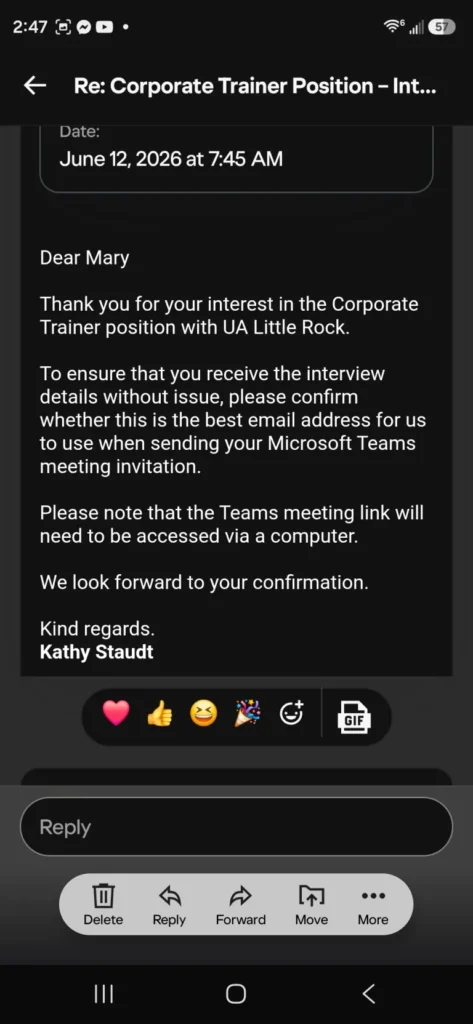
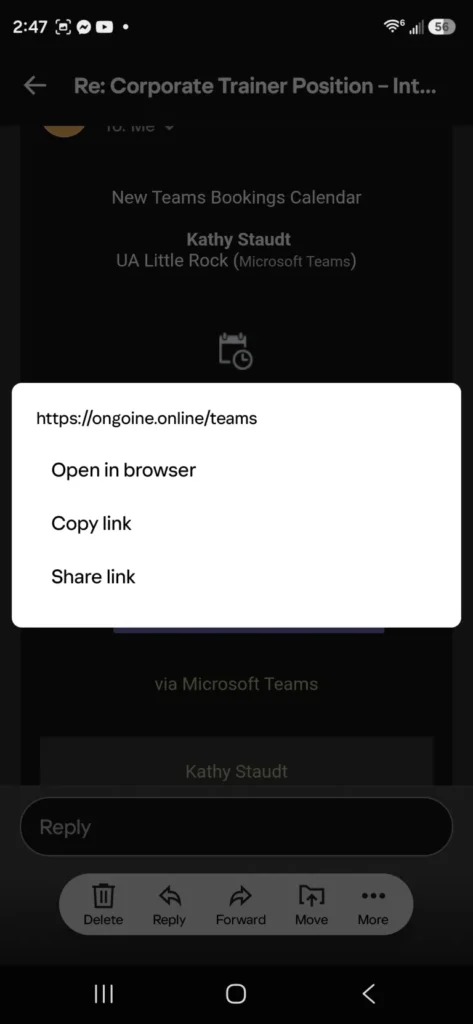
Mary Ann Morrison, an instructional design manager residing in Fayetteville, Arkansas, recently encountered this more sophisticated breed of scam. After applying for a position at the University of Arkansas in Little Rock, she received an email that appeared to be a legitimate interview request. "They were asking me to meet up with them. They asked the time and everything. It sounded very professional," Morrison recounted to Fortune. The supposed recruiter sent a link for a Microsoft Teams meeting, but Morrison’s instincts kicked in. "When I went and looked at the link, I realized this doesn’t look quite right. It doesn’t look like Teams."
Her suspicion was well-founded. The link directed her to a page requiring a Teams update, yet her installed Teams application showed no such prompt. "I know better than to click on random links," she stated. Further investigation revealed inconsistencies: the sender’s email address did not align with the university’s official domain, and the recruiter’s name was absent from the university’s directory. The message, while grammatically sound and professionally phrased, lacked the personal touch typical of genuine recruitment. "It wasn’t as personal, it was more generic," Morrison noted. She promptly reported the incident to the university, which confirmed its intention to warn others about potential scams.
Morrison’s experience underscores a critical observation: "It’s scary how realistic these scams are getting, because just their mannerisms is a lot less of the idea where people used to just send out a very blanket email with a lot of grammar mistakes and a very obvious email address." The deceptive allure of seemingly perfect job offers, coupled with the increasing subtlety of their execution, makes them particularly pernicious. "Everything just sounds wonderful, and then it’s not real. It’s very frustrating. It’s very hurtful," she added, emphasizing the emotional toll these scams can inflict. Her ordeal served as a stark reminder of the necessity for vigilance and meticulous verification, even when presented with seemingly legitimate opportunities.

A Surge in Employment Scam Victimization
The proliferation of employment scams is not an isolated incident but a growing trend with significant financial implications. Roger Grimes, a chief information security officer advisor at KnowBe4, a firm specializing in human and AI risk management, has observed this surge firsthand. With nearly four decades of experience in cybersecurity, Grimes notes that employment scams have "exploded" in recent years.
Data from the Better Business Bureau (BBB) paints a grim picture. In the past three years alone, nearly 50,000 individuals reported falling victim to employment scams. The number of reports to the BBB doubled from the previous year, and the financial losses associated with these scams have escalated dramatically. Between 2020 and 2024, reported losses grew from $90 million to a staggering $501 million, illustrating the immense financial damage being inflicted upon unsuspecting victims.

The modus operandi of these scammers typically involves soliciting money from victims or attempting to compromise their employers through them. They often present a "perfect dream job" complete with high salaries, remote work options, and attractive benefits like child and elder care. These fraudulent opportunities can even be posted directly on reputable job platforms such as Indeed and LinkedIn, blurring the lines between legitimate postings and deceptive offers.
Sophisticated Tactics Employed by Scammers
To extract sensitive information or financial gain, scammers employ a range of advanced techniques. One common tactic involves enticing victims to download malware onto their devices by embedding malicious links within job-related communications. Alternatively, they may request upfront payments for supposed background checks or training, promising future reimbursement that never materializes.
Vanessa Goodman, who works in technology sales and marketing near Houston, experienced this firsthand after utilizing the "open to work" hashtag on LinkedIn. She was inundated with messages from individuals impersonating representatives from Microsoft and Palo Alto Networks. These fake recruiters initiated connection requests on the platform and subsequently sent emails detailing open positions. After Goodman submitted her resume, she received a seemingly official offer letter.
"They start talking about these separate supporting documents that are needed [before an interview], and that you’ll have to have these for the resume, and there’s always a sense of urgency and a short time turnaround," Goodman explained to Fortune. Recognizing the signs of a scam, she decided to investigate further to expose the fraudulent operation. The alleged companies insisted she use a third-party service to prepare specific documents, which would cost $800, with the promise of eventual reimbursement. The payment link provided was through PayPal, but the name did not match the individual she was corresponding with. Subsequent attempts to pay via Remitly and Upwork failed, with the scammers citing network outages.
Goodman suspected these payment channels were blocking the transactions due to their fraudulent nature. "Then the sense of urgency starts to happen. It’s like ‘you need to pay me by x time.’" Despite blocking the fake recruiters on various platforms, the harassment escalated. The scammer relentlessly contacted her, making three calls late at night to the phone number listed on her resume. This persistent pursuit forced Goodman to uninstall her WhatsApp application. "I would be lying if I said that it didn’t negatively affect me for a short period of time," she admitted.

AI: The Double-Edged Sword in Cybersecurity
The increasing sophistication of these scams is intrinsically linked to the advancements in artificial intelligence. AI has become a powerful tool for cybercriminals, breaking down language barriers and enabling them to craft more convincing phishing attempts. Grimes estimates that over 80% of phishing attempts now leverage AI, and according to blockchain firm Chainalysis, AI-enabled scams have proven to be 4.5 times more profitable than their traditional counterparts.
"Our kids and grandkids, when they hear the term ‘hacker,’ may not think of somebody in a hoodie over top of a laptop trying to scam someone," Grimes observed. "They’re going to think of the hacker, as ‘oh, they launched this AI bot,’ and then it went out and did all the hacking." This shift in perception highlights how AI has democratized sophisticated cybercrime, making it accessible to a wider range of actors.
The impact of AI is particularly pronounced in targeting vulnerable demographics. New graduates, facing a competitive and often daunting job market, are frequent targets. Data from LinkedIn reveals that nearly a third of Gen Z individuals have fallen victim to job scams, compared to just 17% of older generations. The allure of a "dream job" with attractive compensation and benefits can easily overshadow cautious judgment, especially for those eager to launch their careers.
Grimes stresses the necessity of employing AI to combat AI-driven threats. "You need AI to beat AI, and we know that human beings aren’t always perfect at detecting scams," he stated. He advocates for the use of AI tools to identify and flag fraudulent communications, alongside robust training programs that educate users on how to recognize and avoid falling prey to these evolving tactics. "You’ve got to secure the humans, you have to secure the agents the humans are using, because if you don’t do that, you’re not securing the human," he concluded.
Geopolitical Factors and the Global Nature of Scams

A significant challenge in combating these scams is their origin. Scammers are often based outside of the United States, making international pursuit and prosecution difficult. Countries like Russia, Ukraine, and India are cited as significant cybersecurity hubs, with complex legal frameworks and varying degrees of international cooperation complicating efforts to track and apprehend perpetrators. The global reach of the internet, amplified by AI, allows these criminal operations to flourish across borders with relative impunity.
Recognizing and Evading Employment Scams: A Practical Guide
While the landscape of employment scams has become more complex, they remain largely avoidable with proper awareness and preventative measures. Grimes offers several key recommendations for job seekers:

- Verify Through Official Channels: When receiving unsolicited recruitment messages, always verify the legitimacy of the offer by contacting the company directly through their official website or publicly listed phone numbers. Avoid clicking on links or downloading attachments from suspicious emails.
- Exercise Due Diligence on Recruiters: Scrutinize the profiles of individuals claiming to be recruiters. Red flags include newly created accounts, a limited number of followers, or a lack of professional history.
- Be Wary of Upfront Fees and Software Downloads: Legitimate employers will not ask for payment for background checks, training, or equipment. Similarly, be suspicious of requests to download proprietary software or documents from unfamiliar sources.
- Trust Your Gut Instinct: As Grimes notes, "Most of the people I talked to that were scammed said that they did feel something was off." If an offer seems too good to be true, it very likely is. Overly generous compensation, vague job descriptions, or excessive urgency are often indicators of a scam.
- Research the Company and Role: Conduct thorough research on the company and the specific role being advertised. Look for consistent information across multiple reputable sources.
- Understand the "Why": Consider why a company would be offering such an exceptional opportunity. While attractive offers exist, extreme deviations from industry norms should prompt skepticism.
The rise of AI-powered scams necessitates a proactive and informed approach to job searching. By staying vigilant, verifying information rigorously, and trusting their instincts, individuals can significantly reduce their risk of falling victim to these increasingly sophisticated and damaging employment scams. The battle against these evolving threats requires a combination of human discernment and advanced technological defenses, ensuring that the pursuit of career advancement does not lead to financial ruin or personal distress.