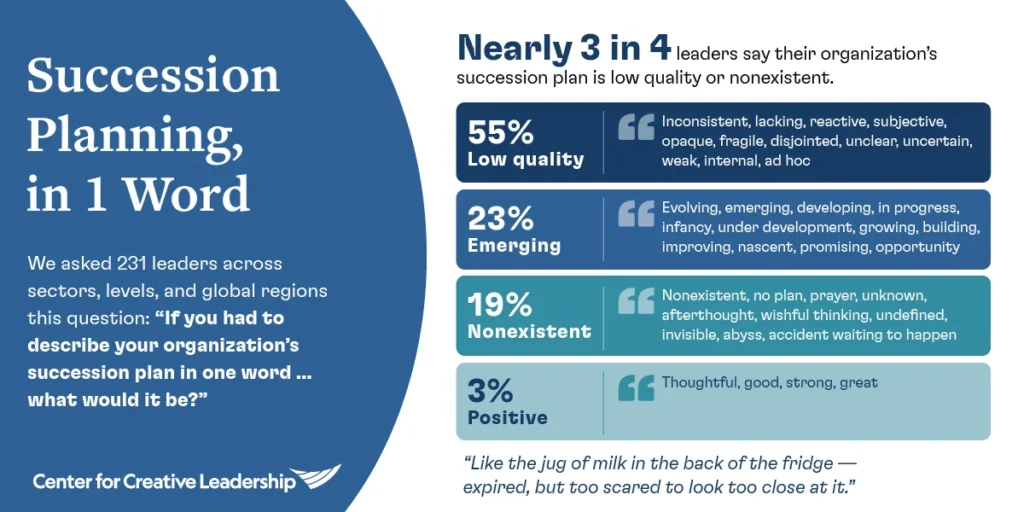
A high-stakes budget meeting, fraught with tension, exemplifies a critical gap in modern leadership development: the overemphasis on knowledge transfer at the expense of wisdom transfer. While technical skills and established procedures, collectively known as "knowledge," form the bedrock of many succession planning frameworks, it is the nuanced judgment, contextual understanding, and adaptive decision-making – the essence of "wisdom" – that truly prepares leaders for the unpredictable realities of organizational leadership. This fundamental distinction, underscored by recent research, highlights a pressing need for organizations to shift from a reactive, knowledge-centric approach to succession planning towards a proactive, wisdom-powered system designed to cultivate and embed leadership resilience.
The scenario, unfolding in a corporate executive suite, paints a vivid picture. A Vice President, presiding over a tense deliberation concerning two competing strategic initiatives vying for limited financial resources, finds himself at an impasse. The room is a battleground of facts and arguments, with each senior leader firmly entrenched in their positions. As the VP considers closing the discussion, a pivotal moment occurs. He notices a protégé and, instead of concluding the meeting, beckons them to observe. "Come in," he whispers, "See how this meeting unfolds." This seemingly small act, a departure from the conventional closure of such a session, signals a profound shift in approach. The protégé’s hesitation, the palpable curiosity of the room, and the decision to keep the door ajar all contribute to a dynamic learning environment.
The protégé, observing intently, witnesses not just the VP’s strategic calculations or his ability to articulate the financial models underpinning each initiative. More importantly, they observe how the VP navigates the inherent ambiguity of the situation. This involves real-time financial modeling, a persistent inquiry into the "why" behind arguments, and the careful regulation of personal emotions to balance competing priorities with an unwavering commitment to the organization’s overarching strategic direction. This is wisdom in action – a blend of analytical rigor and emotional intelligence applied to complex, multifaceted challenges.
Following the meeting, a debrief between the VP and the protégé reveals the true value of the observed experience. While a mere ten minutes is dedicated to dissecting the data and the mechanics of the budget proposals, a substantial fifty minutes is devoted to the critical juncture where the VP paused, leaned back, reiterated his inquiry with a third "why," and waited. This deliberate pause, this embrace of uncertainty, and the subsequent observation of how the VP facilitated a resolution, is precisely the kind of developmental experience that traditional succession planning often overlooks. It is a form of learning that transcends the confines of job descriptions and formal succession charts, offering a tangible glimpse into the art of leadership that cannot be easily quantified or codified.
Without these experiential learning opportunities, emerging leaders are deprived of the chance to witness and internalize the development of critical leadership qualities. They are left unable to imagine, request, or even offer this crucial form of guidance to others. This observation is not isolated; it reflects a broader organizational challenge. The principle that wisdom, when hoarded, depreciates, but when shared, compounds, is fundamental to organizational longevity and success.
The Depreciation of Hoarded Wisdom vs. The Compounding Power of Shared Insight
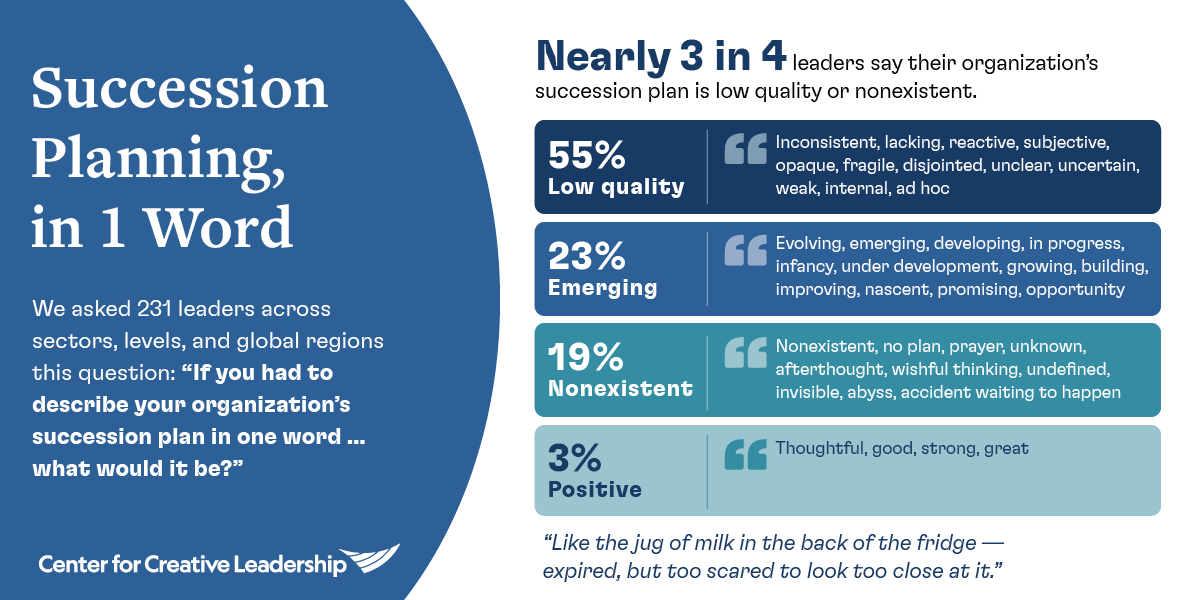
This principle is increasingly validated by contemporary research on succession planning. Organizations that treat succession as a reactive scramble, often initiated only when a key position becomes vacant, lose their capacity for sustained, strategic leadership development. They fail to proactively build the "wisdom infrastructure" necessary to identify and cultivate the right leaders well in advance of need. This reactive approach often results in significant disruption, as the organization grapples with unknown critical roles and lacks the pre-established pathways for effective leadership transition. Consequently, the ability to balance immediate operational demands with long-term strategic foresight is compromised. The research strongly suggests a paradigm shift is required: organizations must reframe succession planning not as a procedural exercise, but as a dynamic, living system of leadership development that intentionally cultivates and transfers organizational wisdom.
Knowledge Transfer vs. Wisdom Transfer: The Crucial Shift from Replacement to Readiness
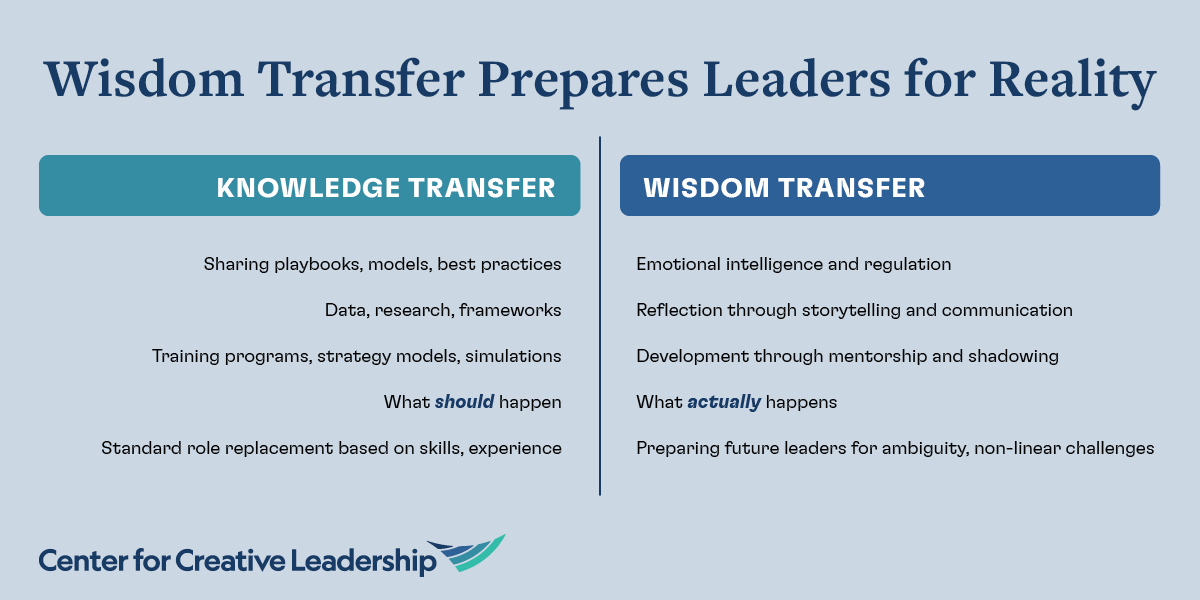
Extensive research conducted by leading leadership development institutions has revealed a consistent pattern: many C-suite executives perceive their organizations’ succession planning efforts as primarily focused on knowledge transfer. This encompasses the tangible elements of succession: completing standardized forms, deploying established frameworks and data to inform decisions, communicating best practices, and executing role replacements based on predefined job-related skills and expectations. Knowledge transfer, in essence, addresses the "how-to" of leadership roles and responsibilities.
Questions typically addressed by knowledge transfer include:

- What are the essential technical skills required for this role?
- What are the key operational procedures and best practices?
- What are the documented strategic priorities and performance metrics?
- What are the historical decisions and precedents relevant to this position?
While essential, knowledge transfer alone is insufficient for building the resilient, high-performing leadership systems demanded by today’s volatile business environment. It prepares leaders for an idealized scenario, a controlled environment where predictable challenges are the norm. However, the reality of leadership is far more complex and often deviates significantly from the ideal. C-suite executives themselves report that the most impactful and defining moments of leadership occur precisely when playbooks fail, external circumstances create unforeseen shocks, and leaders are thrust into situations for which they have not been formally trained. This is the crucible where leadership wisdom becomes indispensable.
Leadership wisdom can be defined as the capacity to interpret complex contexts, anticipate the cascading consequences of decisions, and consistently exercise sound judgment amidst ambiguity and uncertainty. Wisdom transfer, therefore, is the deliberate and intentional sharing of this hard-won judgment, experience, and discernment from one generation of leaders to the next. It is the process of equipping future leaders with the tools to navigate the gray areas, the unforeseen obstacles, and the multifaceted challenges that define contemporary leadership.
Our research indicates that organizations achieving effective leadership transitions place a central emphasis on the transfer of wisdom within their succession infrastructure. This requires asking a different set of questions:
- How do leaders interpret novel situations where no precedent exists?
- What are the ethical considerations and long-term implications of complex decisions?
- How do leaders build consensus and foster collaboration amidst diverse perspectives?
- What are the underlying assumptions and potential biases influencing decision-making?
- How do leaders maintain composure and strategic focus during periods of crisis or significant change?
Wisdom transfer fundamentally reframes succession planning. It transforms a static, procedural process into a dynamic, strategic mindset. When leaders recognize the profound importance of wisdom transfer, they begin to view succession not merely as a compliance checklist, but as one of their most significant opportunities for leadership development and organizational legacy. As the opening vignette illustrated, the genesis of wisdom transfer often lies in a simple, personal invitation: "Come with me so I can show you how this really works."
Succession Infrastructure: Creating Intentional Avenues for Wisdom Transfer
If wisdom transfer is the critical missing piece, the next logical question is how to embed this concept within an organization’s existing succession processes. This journey necessitates a strategic re-evaluation of the entire system, considering multiple time horizons and interconnected elements. Four core pillars form the structural foundation of a modern succession system designed to facilitate wisdom transfer:
1. Witnessing Decisions in Real-Time: The Power of Observation
At its most impactful, succession planning should be viewed as a meticulously crafted journey in leadership development. Few experiences are as formative for emerging leaders as being present during consequential decision-making moments at higher organizational levels. These opportunities allow junior leaders to develop the critical capacity to sense subtle shifts in conversation, recognize underlying dynamics, and respond with nuanced discernment rather than rote adherence to procedure.
Effective organizational systems foster these developmental journeys by promoting the interpretation and integration of observations into an emerging leader’s own cognitive frameworks and behavioral repertoires. These immersive experiences provide invaluable awareness of essential capabilities that are vital for advancement, often irrespective of whether they are explicitly documented in job descriptions. The act of witnessing judgment in action is one of the most potent forms of wisdom transfer, offering direct insight into the complex interplay of factors that inform leadership decisions.
Your Move: Map the most high-stakes decision-making moments within your organization. Critically assess who is present during these crucial discussions and identify emerging leaders who would benefit from observing these processes firsthand. This proactive approach ensures that developmental opportunities are strategically aligned with the organization’s most critical leadership challenges.
2. Communicating Continuity Through Leadership Transition: The Role of the Wisdom Council
Critical leadership transitions often arrive without prior announcement, occurring in environments where morale may be flagging or organizational cultures are in flux, navigating the shift from past paradigms to future necessities. Successfully navigating these pivotal moments requires leaders who can consistently orient themselves and their organizations within an ever-changing landscape.
A proven practice identified through our research is the deliberate assembly of a "wisdom council." This council is strategically composed of individuals who possess significant real influence and deep institutional memory. By ensuring that leaders or their most trusted direct reports from every major organizational function are represented, a living network is created. This network is empowered to collectively address fundamental questions: Who are we as an organization? Who are we becoming? And what essential elements must we carry forward?
Organizations that struggle to articulate answers to these questions during leadership transitions face a significant strategic risk. They risk losing the ability to distinguish between what must be preserved and what must be relinquished. This can lead to either calcification around outdated strengths or the abandonment of core competencies that were instrumental to their initial success. The answers to these profound questions reside within people, and they surface most effectively when wise leaders can accurately read the room and articulate sentiments that many feel but are unable to express.
Your Move: Prior to your next significant leadership transition, identify the individuals who embody the historical context and core values of your organization. Ensure that these key individuals are actively involved in discussions to confirm that institutional memory and strategic continuity are preserved.
3. Fostering Developmental Relationships: The Foundation of Trust and Honesty
Wisdom tends to grow most rapidly between individuals who share a foundation of mutual trust, enabling candid and honest dialogue. Developmental relationships are frequently the primary conduits for wisdom transfer within organizations, providing emerging leaders with their most valuable guidance as they aspire to and assume new roles.
Judgment serves as a prime example of a critical leadership attribute that is abstract, difficult to teach through formal instruction, and absolutely essential to transfer. Developmental relationships create an environment conducive to enhancing judgment when seasoned leaders engage in hypothetical scenario discussions, articulate their reasoning processes, compare their thought processes with those of others, and openly discuss the myriad factors they weigh in consequential decision-making moments.
Our research has highlighted instances of collegial and mentor-mentee relationships that have endured for decades, long after formal roles have concluded. This suggests that the wisdom transferred within these relationships does not expire upon an individual’s departure from a specific position; rather, it continues to compound over time, benefiting multiple individuals and the organization as a whole.
Your Move: Identify the existing developmental relationships within your organization. Actively consider how these vital connections can be preserved and nurtured, particularly during periods of role changes or organizational restructuring.
4. Mapping Influence Networks: Identifying Unseen Carriers of Wisdom
Organizational wisdom transfer does not always align with the formal hierarchical structure. It often resides within the nodes where leaders are most deeply connected to a diverse array of stakeholders and perspectives. Network science consistently corroborates findings from bibliometric research, indicating that the most influential carriers of wisdom and institutional memory are frequently found at the periphery and bridging points of an organization.
Three key network properties are paramount for effective succession planning:
- Status: This reflects the depth and breadth of a leader’s established connections within the organization. Leaders with high status are deeply embedded across multiple influence circles simultaneously, making their contributions to succession planning invaluable, though often invisible until their departure.
- Boundary Spanning: This refers to the ability to carry perspectives across different functions, generations, and organizational lines. Boundary spanners are adept at shaping agendas and controlling the flow of information, often exerting significant influence without formal positional authority. Because their influence is relational rather than positional, they may not be explicitly identified in traditional succession plans, contributing to organizational struggles in understanding why certain initiatives falter while others gain momentum.
- Coalition Capacity: This is the ability to foster trust across differences and to hold competing perspectives in productive tension. Organizations that lose this capacity during leadership transitions risk their ability to attract and cultivate the next generation of leaders.
Our research underscores that the workforce of tomorrow operates as a global network. Organizational resilience is built by individuals who have already conceptualized survival in diverse and challenging contexts. The next breakthrough leader within your organization might possess insights and perspectives expressed in a "language" that is not yet fully understood. Influence network mapping provides a methodology to identify these crucial individuals before they are critically needed.
Your Move: Map your organization’s influence network to pinpoint where wisdom is concentrated, how it is flowing, and identify key individuals who possess this wisdom but may not be visible on the formal organizational chart.
Making Wisdom Transfer a Paramount Leadership Development Priority
The knowledge that propelled an organization to its current position may prove insufficient for navigating future complexities. We are currently experiencing a period where leadership development artifacts, such as competency frameworks, feedback templates, and succession documents, can be generated almost instantaneously through AI.
What cannot be automated, however, is the human labor of wisdom. This includes the decisive action of a VP who opens the door for observation, the enduring connection of a mentor who remains involved for decades, or the deliberate assembly of a council to safeguard organizational memory through a challenging transition. These endeavors demand time, dedicated presence, and significant energy – precisely the investment that imbues wisdom transfer with its profound value.
Years of studying organizations that successfully navigate leadership transitions have led to a critical conclusion: succession plans falter when the transfer of wisdom is interrupted. The judgment, the intuitive understanding, and the hard-won perspective that accrues from years of leading through reality and complexity are essential. Wisdom transfer is the strategic mechanism designed to ensure these vital elements are preserved and propagated.
As leaders, you are central to shaping these development decisions. You influence the systems, programs, and expectations that define leadership behavior within your organizations. You possess the insight to identify where wisdom resides, how it flows, and where bottlenecks exist. By championing this work, succession planning transcends a mere risk mitigation strategy, transforming into a regenerative leadership system that grows progressively wiser with each leadership transition.
The power to build such a system resides with you. And you do not have to embark on this crucial endeavor alone.
The Future of Succession is Wisdom-Powered
Organizations poised to thrive in the coming years, decades, and centuries will be those that recognize leadership wisdom as their most valuable asset. They will understand that this asset retains its worth only through deliberate, strategic transference. This critical work cannot be automated, but it can be intentionally cultivated and systematically built.
Wisdom transfer is the bridge that moves organizations from having mere paper successors to cultivating truly prepared leaders. It is the mechanism by which organizations learn to sustain their current operations while simultaneously identifying and illuminating the path forward. And, as the initial scenario powerfully illustrates, it can begin with something as simple and profound as an open door. Organizations that commit to this principle will not only find the leaders they seek, but those leaders will arrive fully prepared to meet the challenges ahead.
Ready to Take the Next Step?
Succession planning achieves its greatest efficacy when leadership is actively transferred, not merely assigned. Explore how our comprehensive Succession Reimagined program can empower your organization to build a robust and future-ready leadership pipeline.