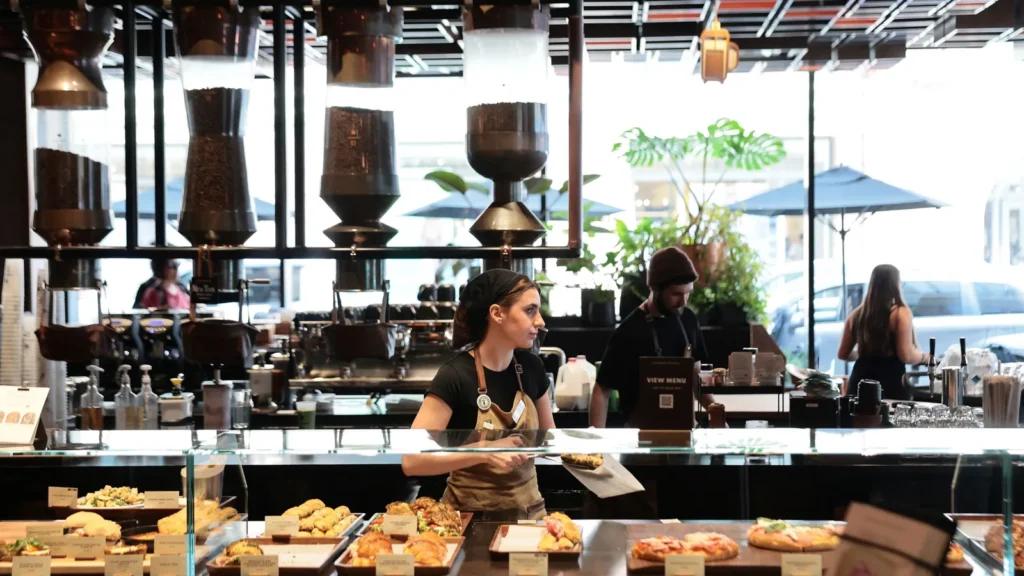
Starbucks, the global coffee giant, announced a comprehensive suite of new employee benefits and enhanced performance metrics on July 15, 2026, designed to significantly improve worker attraction, retention, and overall operational efficiency. These initiatives, which include increased bonuses, additional tipping opportunities, and the option for weekly pay, are projected to boost hourly worker compensation by 5% to 8%, signaling a continued commitment to its "partners" as the company strives to sustain its recent turnaround momentum. The move is a strategic response to a fiercely competitive labor market and aims to solidify Starbucks’ position as an employer of choice in the retail and food service sectors.
The latest package of perks represents a substantial investment in Starbucks’ workforce, building upon previous large-scale commitments. The company’s leadership has emphasized that these changes are integral to creating a more rewarding and transparent work environment, which directly translates into an elevated customer experience. The introduction of clearer performance measures, encompassing sales targets, staffing levels, inventory management, and "Grow performance" metrics, alongside a novel points-based attendance system, is intended to align employee contributions more closely with business objectives and recognize behaviors that drive success.
A Strategic Investment in Human Capital
The announcement underscores Starbucks’ ongoing strategy under CEO Brian Niccol, who has spearheaded a series of aggressive investments in the company’s in-store operations. This strategic pivot began to take clear shape with a major $500 million labor allocation in the summer of 2025, which aimed to address various operational challenges and improve the daily work life of baristas and shift supervisors. That initial investment focused on enhancing equipment, streamlining workflows, and increasing staffing levels to alleviate pressure on existing teams. Following this, the company embarked on an ambitious drive to hire thousands of assistant managers across its North American store system, a move designed to bolster leadership presence at the store level and provide clearer career pathways for ambitious employees.
These incremental, yet significant, investments reflect a recognition that a motivated and well-compensated workforce is foundational to delivering the premium customer experience Starbucks is known for, and essential for sustaining profitable growth. The decision to introduce weekly pay options, for instance, caters to the immediate financial needs of many hourly workers, providing greater flexibility and stability, which can be a powerful draw in attracting new talent and reducing financial stress for current employees. The promise of extra tips and more robust bonus structures directly links individual and team performance to tangible financial rewards, fostering a culture of accountability and excellence.
Addressing a Competitive Labor Landscape
The timing of these new perks is critical, coming amidst a sustained period of intense competition for labor in the quick-service restaurant (QSR) and broader retail sectors. Following the economic shifts of the early 2020s, many industries faced unprecedented labor shortages and increased demands for higher wages and better benefits. Starbucks, like many large employers, grappled with elevated turnover rates and challenges in recruiting and retaining staff, particularly in high-cost-of-living areas.
Industry data from late 2025 and early 2026 consistently showed that employers in the food service sector were struggling with an average annual turnover rate exceeding 100%, meaning that on average, companies had to replace their entire workforce within a year. Wages, while rising, often lagged behind inflation, leading to widespread dissatisfaction. By proactively enhancing compensation and introducing flexible pay options, Starbucks aims to differentiate itself in this crowded market. Analysts suggest that a 5% to 8% increase in hourly pay, coupled with improved benefits and a clear path for advancement, could significantly reduce turnover, potentially bringing it below the industry average and saving the company substantial costs associated with recruitment and training.
Transparency and Performance: A New Framework

A cornerstone of Starbucks’ latest initiative is the enhanced transparency surrounding employee rewards and the introduction of new performance measures. The company stated its intention to provide "clearer performance measures, including sales, staffing, inventory and Grow performance," alongside a "new, points-based attendance system to improve shift completion." This structured approach is designed to eliminate ambiguity regarding expectations and empower employees to understand how their daily efforts contribute to the store’s and the company’s success.
The points-based attendance system, for example, is a direct response to operational challenges posed by inconsistent shift completion, which can lead to understaffing, increased stress for on-duty employees, and a diminished customer experience. By rewarding reliable attendance, Starbucks aims to foster greater dependability and team cohesion. While specific details on "Grow performance" were not fully elaborated in the initial announcement, it is widely inferred within the industry to encompass metrics related to employee development, customer feedback scores, or adherence to brand standards and sustainability initiatives, all of which contribute to the long-term health and reputation of the brand. This holistic approach signals a shift towards measuring not just transactional outputs, but also the qualitative aspects of employee contribution.
Starbucks leadership emphasized that these efforts are "designed to recognize and reward many of the behaviors and contributions that help create a great Starbucks experience every day, from showing up for scheduled shifts and delivering excellent customer service to helping coffeehouses meet key performance expectations." This statement highlights a dual objective: improving internal operations while simultaneously enhancing the external customer perception.
The Turnaround Trajectory: From Slump to Rebound
The current wave of employee investments is intrinsically linked to Starbucks’ broader turnaround narrative. For several years leading up to the mid-2020s, the company experienced a challenging period characterized by a slump in same-store sales and declining traffic. This era was marked by heightened labor activism, including significant unionization efforts across various U.S. stores, which brought to light concerns about pay, benefits, and working conditions. Operational inefficiencies, coupled with a perceived decline in the "Starbucks experience" by some customers, contributed to the brand’s struggles.

Under CEO Brian Niccol, who assumed leadership with a mandate for revitalization, Starbucks embarked on a multi-pronged strategy. This included not only the significant hourly labor investments but also a reevaluation of its marketing strategies and substantial customer experience enhancements. The company adjusted its loyalty program, Starbucks Rewards, introducing new points tiers and personalized offers to drive engagement. Menu innovation and a renewed focus on digital ordering and drive-thru efficiency were also key components.
These efforts have demonstrably paid off. Recent quarters have seen a significant rebound in Starbucks’ financial performance, with consistent growth in same-store sales and increased traffic. For instance, the Q2 2026 earnings report, released shortly before this announcement, showcased robust comparable sales growth that surpassed analyst expectations, signaling that the company’s strategic initiatives are gaining traction. This positive financial trajectory provides the necessary capital and confidence to continue investing heavily in its workforce and infrastructure.
Broader Strategic Investments
Beyond its direct investments in employee compensation and benefits, Starbucks is simultaneously undertaking other large-scale projects that underscore its long-term vision and commitment to brand revitalization. One such major initiative is the development of a $100 million secondary headquarters in Nashville, Tennessee. This new facility, designed to accommodate approximately 2,000 workers, represents a strategic expansion of its corporate footprint, allowing for greater talent acquisition in a burgeoning urban center and potentially streamlining certain operational functions.
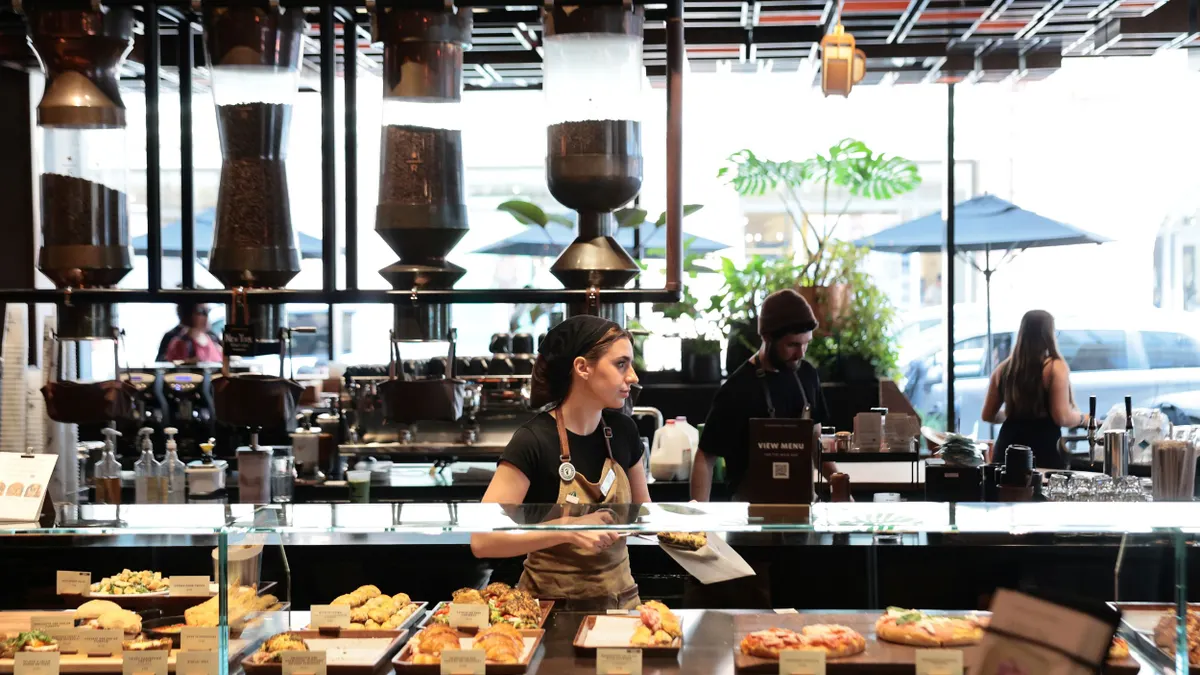
Furthermore, Starbucks is heavily investing in an "experiential renovation program" targeting thousands of its U.S. stores. This program aims to modernize existing coffeehouses, enhance the customer environment, and optimize store layouts for greater efficiency and aesthetic appeal. These renovations often incorporate elements designed to improve the barista workflow, such as advanced equipment and more ergonomic designs, thereby indirectly contributing to a better employee experience. The synergy between these infrastructure investments and the human capital investments is clear: a modern, efficient, and appealing store environment, staffed by well-compensated and motivated employees, is crucial for delivering a consistently high-quality brand experience.
Implications and Future Outlook
The comprehensive nature of Starbucks’ latest employee initiatives suggests a calculated strategy to address historical challenges, solidify its market position, and future-proof its operations. By fostering a more engaged and stable workforce, Starbucks aims to:
- Enhance Customer Loyalty: A happier, more experienced staff is better equipped to provide superior customer service, leading to increased customer satisfaction and repeat business.
- Improve Operational Efficiency: Reduced turnover means less time and money spent on recruitment and training, and a more skilled workforce leads to faster service and fewer errors.
- Strengthen Brand Reputation: Proactive investments in employees can improve public perception, especially important for a brand that has faced scrutiny regarding labor practices.
- Drive Innovation: A stable and valued workforce is more likely to contribute ideas and adapt to new initiatives, fostering a culture of continuous improvement.
While specific reactions from labor organizations were not immediately available, such moves often draw attention from unions who might evaluate whether these benefits meet or exceed the demands of collective bargaining agreements. However, from an industry perspective, analysts like Maria Sanchez, a restaurant industry consultant, noted, "Starbucks is setting a new benchmark for employee investment in the QSR space. In a tight labor market, these kinds of comprehensive packages are not just ‘nice-to-haves’ but essential competitive tools. The long-term returns on such investments, in terms of brand equity, operational stability, and customer loyalty, often far outweigh the initial costs."
As Starbucks continues its turnaround journey, the success of these new employee perks and performance metrics will be closely watched. Their effectiveness in attracting and retaining talent, improving operational consistency, and ultimately sustaining the company’s recent financial resurgence will serve as a critical indicator of Starbucks’ ability to adapt and thrive in an ever-evolving global market. The ongoing commitment to its "partners" appears to be not just a matter of corporate social responsibility, but a central pillar of its long-term business strategy.