

The narrative surrounding Artificial Intelligence (AI) and its impact on employment often centers on job displacement, painting a grim picture of widespread unemployment. However, a growing body of evidence and expert analysis suggests a more nuanced and ultimately optimistic reality: AI is not a job killer, but rather a powerful catalyst for job creation, transformation, and enhancement. This perspective, championed by HR and HR technology analyst Josh Bersin, posits that AI is instrumental in making jobs more interesting, valuable, and financially rewarding, ushering in an era of "Superwork" and "Superjobs."

The core argument against the doomsday predictions of AI-driven job losses lies in the fundamental nature of technological advancement. Historically, new technologies have not eliminated entire job categories but have instead reshaped them, automating routine tasks and freeing human workers to focus on more complex, creative, and strategic endeavors. This pattern is repeating with AI, leading to the evolution of existing roles and the emergence of entirely new ones.
The Software Engineering Evolution: From Code Scribes to Architects of Intelligence
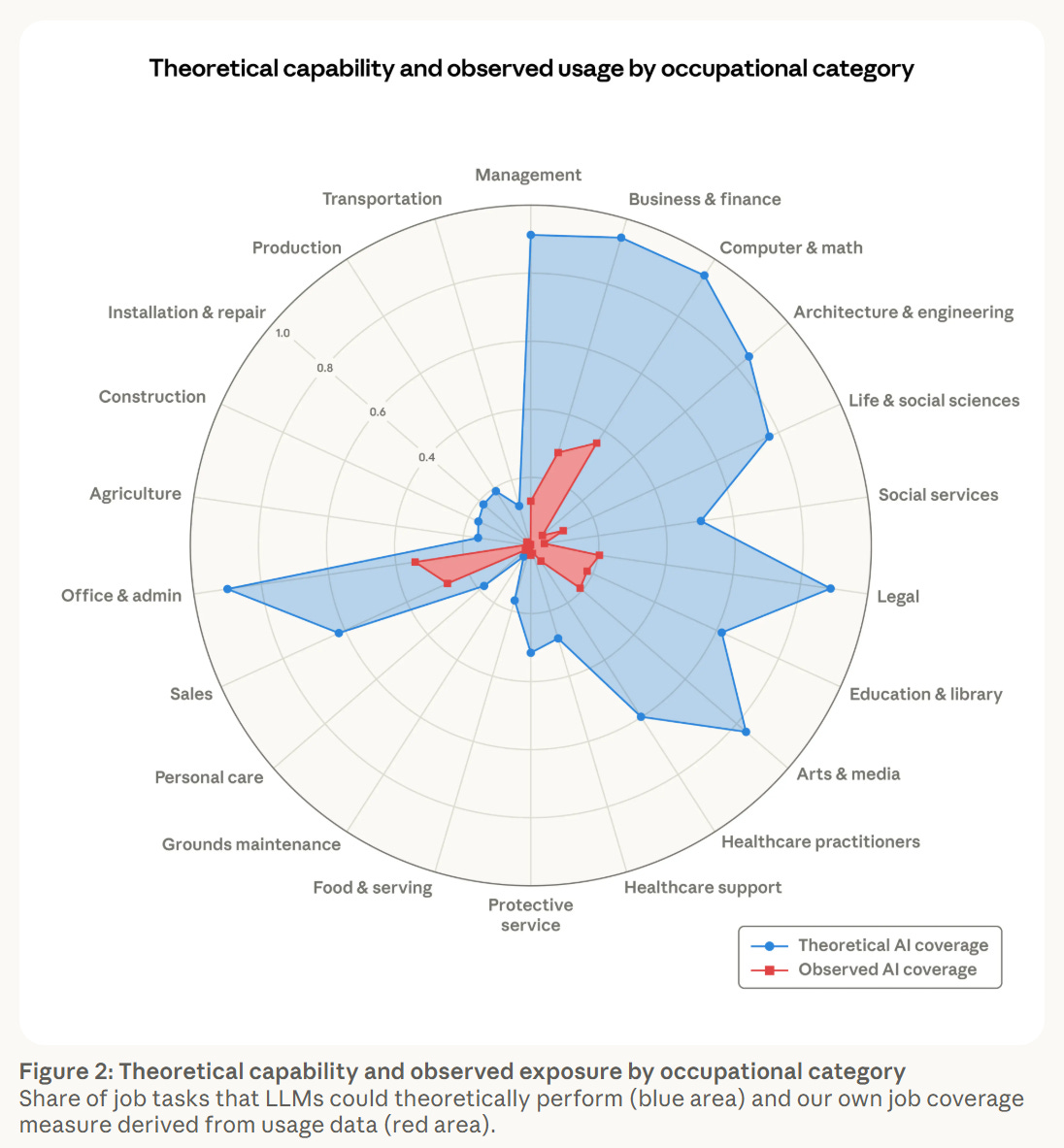
The software engineering sector, a field directly impacted by advancements in AI, serves as a prime example. With an estimated 4-6% or more of the global workforce engaged in software design, coding, testing, maintenance, and integration, this sector represents a significant economic force. While some research, such as that from Anthropic, suggests that large language models (LLMs) could potentially automate a substantial portion of coding tasks, this overlooks the broader responsibilities of software engineers.

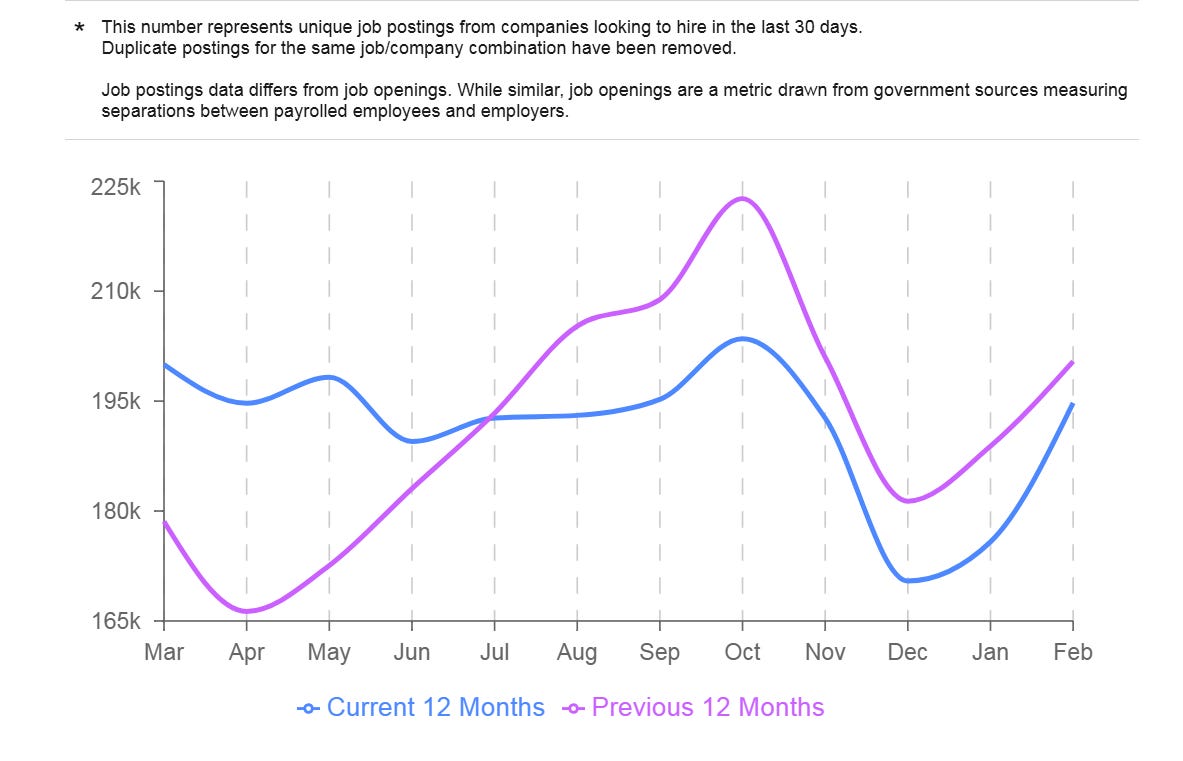
The reality on the ground, supported by labor market data, indicates a different trajectory. Despite the rise of AI coding assistants, the demand for software engineers has not diminished; instead, it has remained robust and, in many areas, has increased. Data from Lightcast, a labor market analytics firm, reveals that global job postings for software engineering, design, and testing roles have shown remarkable stability, with only minor fluctuations in periodic demand. In fact, companies at the forefront of AI development, such as OpenAI, are simultaneously advertising hundreds of software engineering positions, highlighting the ongoing need for human expertise in this evolving landscape.
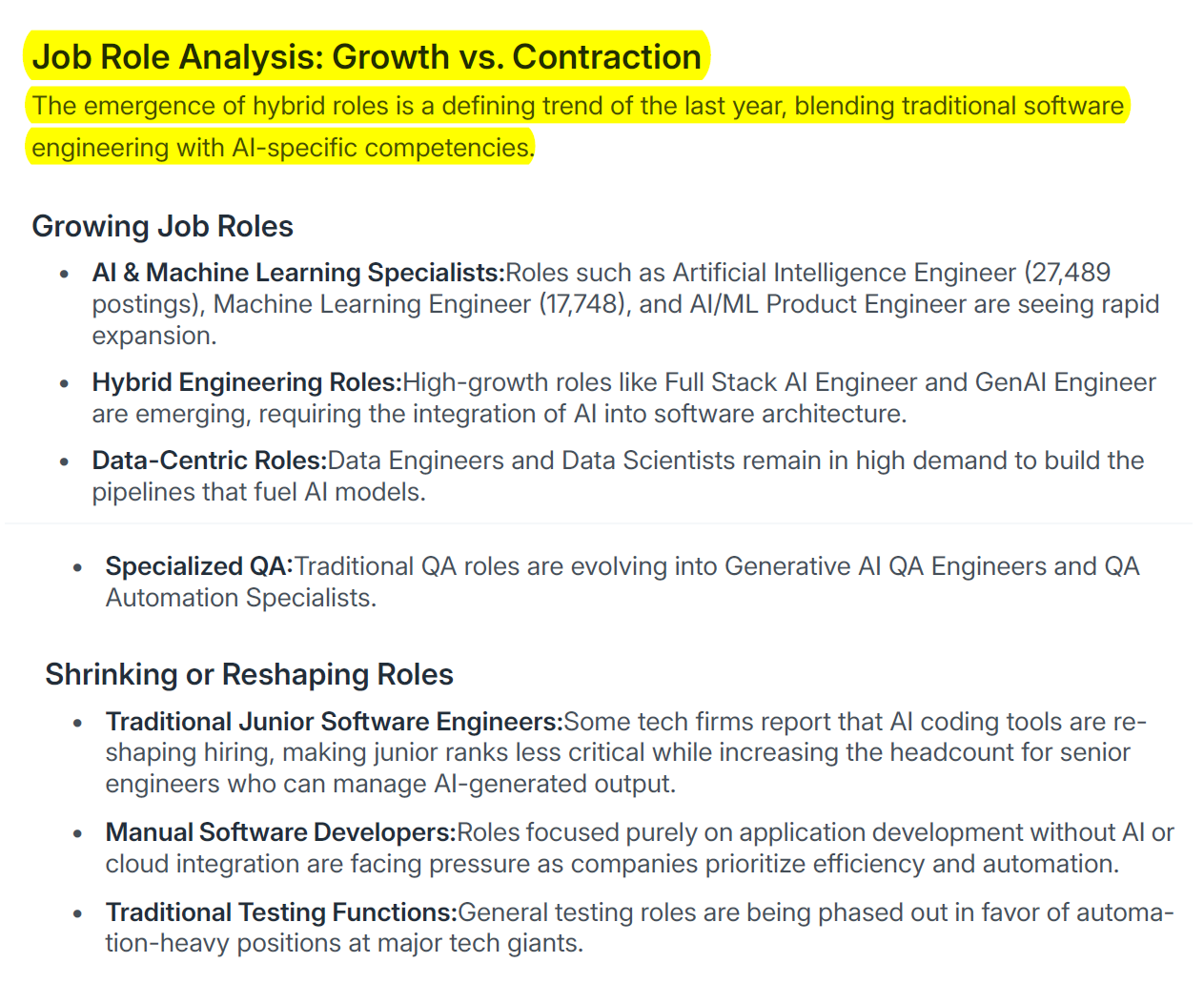
This trend suggests a shift in the nature of software engineering roles rather than their elimination. As AI tools become more adept at generating code, the focus for human engineers is moving towards higher-level tasks. These include:
- Strategic Scoping and Business Process Understanding: AI can generate code, but it cannot inherently understand complex business needs or translate them into effective technological solutions. Engineers are increasingly tasked with defining the "what" and "why" of software development.
- Technology Architecture and Design: Designing robust, scalable, and secure software architectures remains a human-centric skill, requiring foresight, problem-solving, and an understanding of system interdependencies.
- Refining Use Cases and Test Bed Creation: While AI can assist in testing, the nuanced design of comprehensive test cases and the strategic definition of use cases require human judgment and domain expertise.
- AI Integration and Optimization: A significant portion of current software engineering demand revolves around integrating AI models into existing systems, optimizing their performance, and ensuring their ethical and effective deployment.
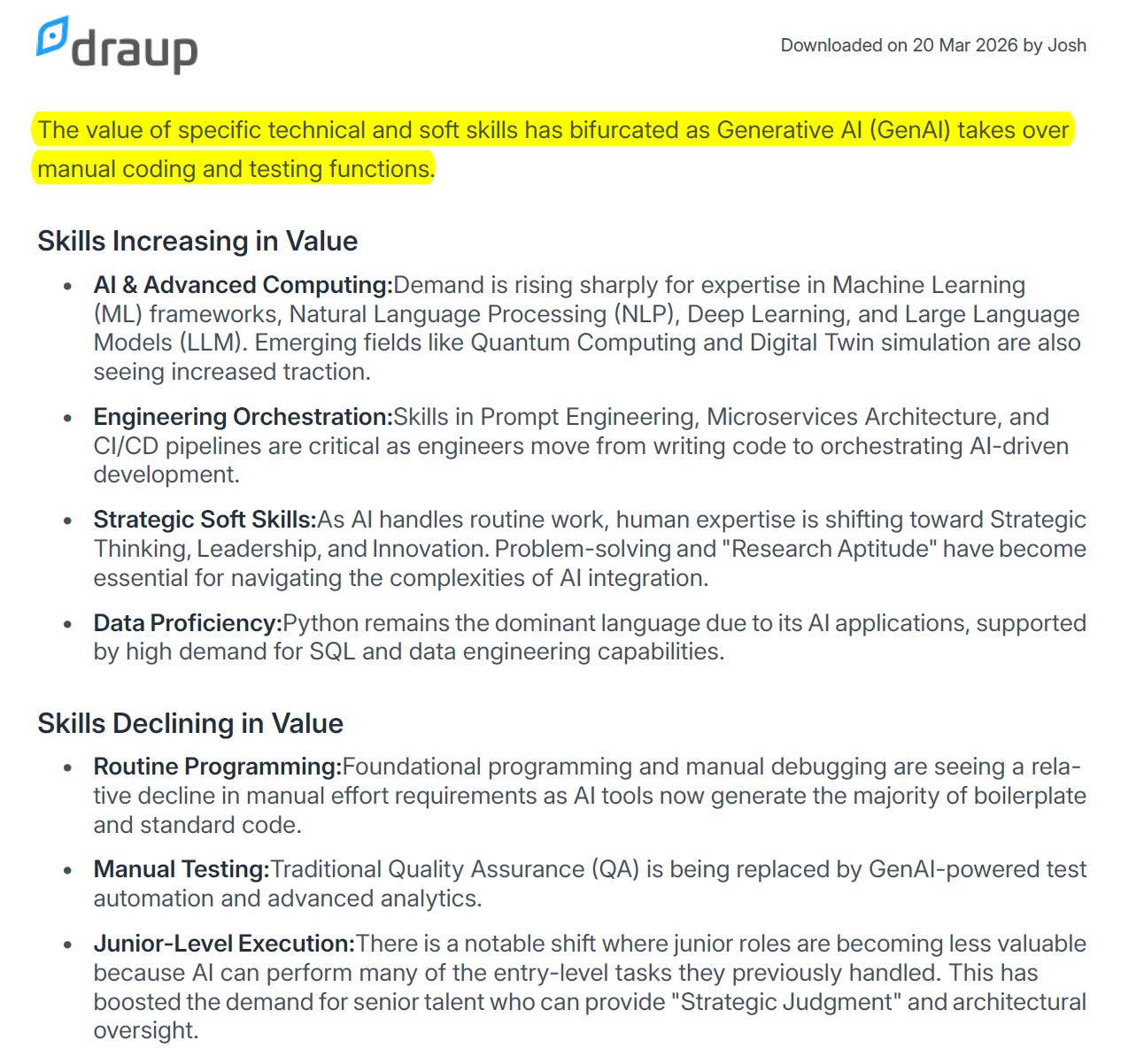
The data on skills within software engineering job postings further supports this evolution. Entry-level coding and testing skills are showing a gradual decline in demand, mirroring historical technological shifts. For instance, the decline of the "steno pool" with the advent of word processing or the diminishing need for dedicated phone operators with the rise of voicemail and mobile devices. These shifts did not lead to mass unemployment but rather a redefinition of administrative roles.
Consequently, new "Superjobs" are emerging, such as "full-stack AI engineer" and "GenAI engineer," which demand a blend of traditional software development skills with a deep understanding of AI principles. This evolution is not only preserving jobs but also increasing their value, as evidenced by the significant rise in software engineering salaries over the past 15 years, with an acceleration of over 15% in the last year alone. This financial uplift directly correlates with the increased complexity and value of these redefined roles.
Healthcare Workers: Enhancing Patient Care Through AI Augmentation
The impact of AI is not confined to the tech industry. Healthcare, a sector traditionally reliant on human expertise and empathy, is also experiencing a transformation driven by AI. The case of X-ray technicians and diagnosticians offers a compelling illustration of how AI can augment rather than replace human roles.
A decade ago, the widespread adoption of digital imaging and the advent of AI-powered medical image analysis led many to predict the obsolescence of X-ray technicians. The rationale was that AI algorithms could become proficient at detecting anomalies like cancer or damage in scans, potentially rendering human interpretation redundant.
However, empirical data paints a different picture. Labor market analytics from Lightcast show a remarkable 35% year-over-year increase in job postings for imaging and medical diagnostics. This surge in demand indicates that AI is not eliminating these roles but is instead creating new opportunities and increasing the overall volume of work.
The evolution of the X-ray technician’s role exemplifies the "Superworker" concept:
- Increased Efficiency and Throughput: AI-powered analysis allows for faster initial readings and flagging of potential issues, enabling technicians to process more patients and focus on complex cases.
- Enhanced Patient Experience: The anecdote of a patient receiving X-ray results while still in the car, facilitated by rapid AI processing and efficient workflow management, highlights the improved patient experience.
- Focus on Human-Centric Skills: With AI handling some of the diagnostic heavy lifting, technicians are increasingly focusing on patient care, communication, data management, and operating advanced imaging equipment. This includes roles in data management, patient interaction, and coordinating care pathways.
- Cost Reduction and Accessibility: The integration of AI has contributed to a decrease in the cost of imaging services relative to other healthcare expenses, making diagnostic procedures more accessible and leading to a significant increase in their utilization.
The salaries for these roles, while not experiencing the same explosive growth as in the software sector, have shown steady and significant increases, reflecting their growing importance and the enhanced skill sets required. This demonstrates that AI, when integrated thoughtfully, can elevate the value and compensation of healthcare professionals.
The "Superworker" Phenomenon: Human Adaptability and Value Creation
The consistent pattern observed across industries—from software engineering to healthcare—points towards a fundamental truth: human adaptability and the innate drive to create value are key to navigating technological change. Josh Bersin’s concept of the "Superworker" encapsulates this phenomenon.

Bersin argues that technology, including AI, does not eliminate jobs; it transforms them. This transformation is driven by human nature itself. As genetically powered creatures, humans possess an unparalleled capacity for learning and adaptation, honed over millions of years of evolution. This inherent ability allows us to adjust to new tools and environments, a trait that has historically ensured sustained employment rates, with the US unemployment rate hovering around 4.5% for many years, underscoring our adaptive resilience.
Furthermore, humans are intrinsically "value creators." This means we are wired to solve problems, improve processes, and enhance outcomes. Whether it’s adapting to a global pandemic, overcoming personal challenges, or innovating within a business context, the human drive to make things better is a powerful force. Businesses, by their very nature, exist to address needs and create value, and leaders play a crucial role in facilitating and directing this process.

AI, in this context, is not an adversary but another powerful tool in the human arsenal for innovation. It enables us to:
- Automate Drudgery: AI excels at handling repetitive, mundane tasks, liberating human workers from tedious activities.
- Enhance Cognitive Abilities: AI can process vast amounts of data and identify patterns beyond human capacity, augmenting our decision-making and problem-solving capabilities.
- Scale Operations: AI allows for unprecedented scalability, enabling businesses to reach wider markets and serve more customers efficiently.
- Drive Innovation: By freeing up human potential and providing powerful analytical tools, AI fuels creativity and the development of new solutions, products, and services.
The implication is that AI is not destined to create mass unemployment. Instead, it is poised to elevate human work, making jobs more intellectually stimulating, strategically significant, and ultimately more rewarding, both personally and financially. The future of work, therefore, lies not in fearing AI, but in embracing it as a partner in creating "Superjobs" and fostering "Superworkers" who can leverage its power to achieve greater heights.

Navigating the Future: Embracing AI for Growth and Development
The transition to an AI-augmented workforce requires a proactive approach from individuals, leaders, and organizations. Understanding the evolving nature of work and investing in the development of new skills will be paramount.
For leaders, the imperative is to facilitate, support, and drive this technological change within their organizations. This involves:

- Reskilling and Upskilling Initiatives: Investing in training programs that equip employees with the skills needed to work alongside AI, focusing on areas like AI literacy, data analysis, critical thinking, and complex problem-solving.
- Redesigning Job Roles: Actively analyzing existing job functions to identify tasks that can be automated by AI and reimagining roles to focus on higher-value, human-centric activities.
- Fostering a Culture of Adaptability: Creating an organizational environment that encourages continuous learning, experimentation, and a willingness to embrace change.
- Strategic AI Integration: Developing clear strategies for AI adoption that align with business goals and prioritize augmenting human capabilities rather than simply replacing them.
The widespread adoption of AI promises not an era of joblessness, but one of amplified human potential. By focusing on the transformative power of AI to enhance job quality, create new opportunities, and drive economic growth, we can navigate this technological revolution successfully. The future is not about humans versus machines, but about humans and machines collaborating to achieve unprecedented levels of innovation and prosperity.







