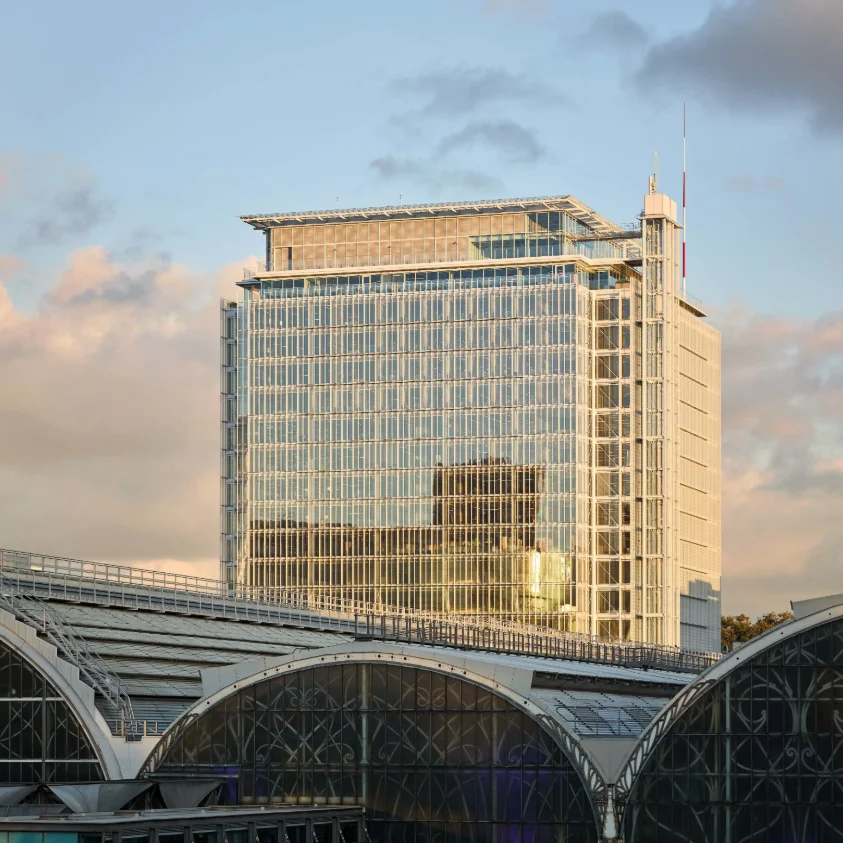
The ambitious regeneration of Paddington Square, a vital London transport hub and a prominent mixed-use commercial development, has earned a prestigious place on the shortlist for the 2026 RIBA Stirling Prize. This accolade underscores the increasing recognition of workplace-led urban renewal as a driving force behind the UK’s most celebrated architectural achievements. Renzo Piano Building Workshop’s Paddington Square is among six distinguished projects vying for Britain’s most esteemed architectural award, highlighting a significant shift towards integrated developments that combine commercial space with public amenities and enhanced connectivity.
A Landmark Development in London’s Evolving Urban Landscape
Paddington Square represents a visionary approach to urban regeneration, transforming a historically underutilized site into a vibrant, multi-faceted destination. The development, masterminded by Renzo Piano Building Workshop, stands as a testament to the evolving nature of city centres, where the integration of commercial, retail, public spaces, and transportation infrastructure is paramount. Its inclusion on the RIBA Stirling Prize shortlist signifies not just architectural excellence but also its substantial contribution to the social and economic fabric of London.
The Royal Institute of British Architects (RIBA) unveiled the shortlist on July 16th, setting the stage for the announcement of the ultimate winner on October 15th. As the Stirling Prize celebrates its 30th anniversary this year, the selected projects collectively embody RIBA’s emphasis on architecture that harmonizes design quality with profound social value, robust sustainability practices, and enduring public benefit.
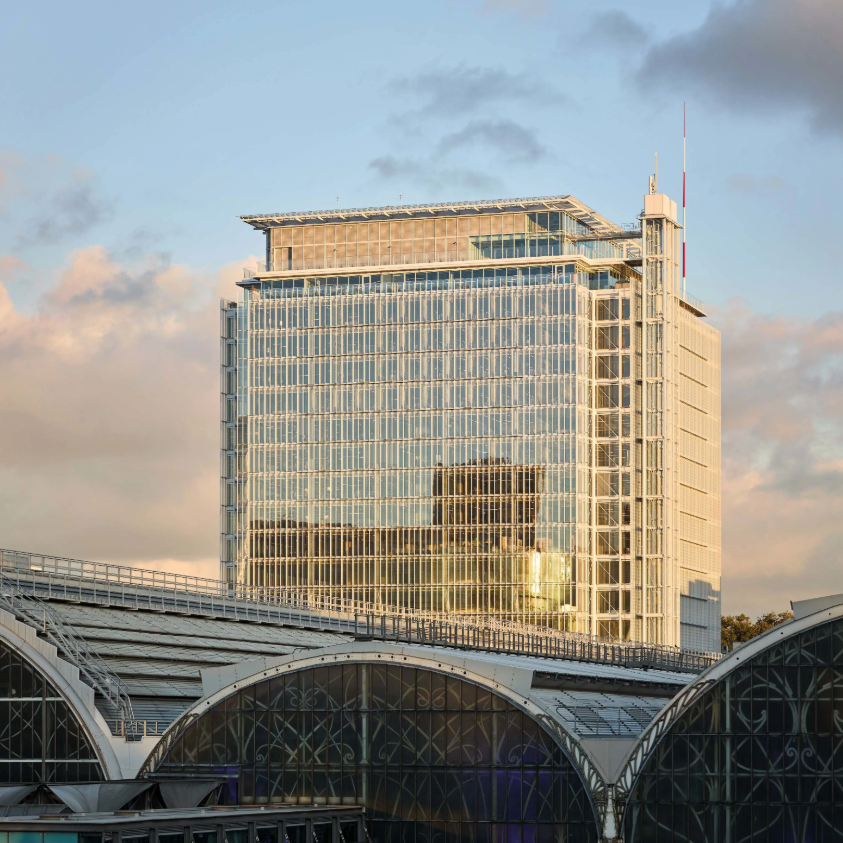
For professionals within the workplace and commercial property sectors, Paddington Square stands out as the most pertinent project on this year’s shortlist. The development ingeniously supersedes the long-dormant "Paddington Pole" proposal with a striking 18-storey commercial edifice, strategically positioned above the bustling Elizabeth Line and mainline railway stations. Beyond its provision of new Grade A office space, the scheme introduces a dynamic mix of retail outlets, restaurants, and a thoughtfully redesigned public realm. This enhancement aims to significantly elevate the experience for the millions of commuters and visitors who utilize one of the UK’s busiest transport interchanges annually.
The Rise of Mixed-Use Regeneration in Commercial Property
Paddington Square is emblematic of a broader, transformative trend within commercial development. Offices are increasingly being conceived not as isolated structures but as integral components of holistic urban districts. This paradigm shift emphasizes the seamless integration of transportation networks, accessible public spaces, and high-quality workplace accommodation, characteristics that have become defining features of numerous recent city centre regeneration initiatives across the United Kingdom.
While Paddington Square is the sole office-led scheme to reach the final six, workplace-related projects demonstrated a strong presence among the wider pool of RIBA National Award winners this year. These included London’s Space House, the Featherstone Building in Old Street, Plant in Basingstoke—a notable conversion of a 1970s office complex into a low-carbon workplace campus—and The Brentford Project, a comprehensive mixed-use regeneration scheme that successfully blends residential, commercial, and leisure amenities.
A Diverse Field of Architectural Excellence
The remaining finalists for the Stirling Prize represent a spectrum of contemporary architectural concerns and innovative solutions. Lion Green Road in South London showcases a higher-density approach to suburban housing development, addressing the pressing need for more efficient land use. BEAM in Hertford exemplifies adaptive reuse, transforming a former theatre into a vibrant cultural venue, demonstrating the potential of breathing new life into existing structures.
Two distinguished Cambridge college projects, Pembroke Mill Lane and Clare College’s River Wing, highlight the art of sensitively integrated additions to historic academic estates, balancing heritage preservation with modern functional requirements. Fairmead House in Essex, on the other hand, stands as a powerful example of high-quality, contemporary residential architecture.
According to esteemed architecture magazine Dezeen, this year’s shortlist is notably characterized by a prevalence of brick buildings and adaptive reuse projects. Paddington Square distinguishes itself as the sole large-scale, contemporary glass commercial development among the finalists. The publication also observed a geographical concentration of shortlisted schemes within southern England, with a notable absence of projects from Scotland, Wales, and Northern Ireland.
Continued Recognition for Transport-Centric Regeneration
For the commercial property sector, Paddington Square’s inclusion continues a commendable streak of recognition for projects that artfully fuse workplace design with broader urban regeneration efforts. This trend was powerfully illustrated by the 2024 Stirling Prize, which was awarded to the Elizabeth Line, another monumental project where the strategic integration of transport infrastructure played a pivotal role in reshaping commercial districts across London. The success of such projects underscores the significant economic and social dividends that can be reaped from well-executed, multi-modal urban development.
Implications for Future Urban Development
The RIBA Stirling Prize shortlist for 2026 strongly suggests that the judging panel continues to place considerable value on projects that extend their impact beyond individual buildings to significantly enhance the public realm and foster broader patterns of urban activity. While this year’s finalists feature a significant representation of housing, education, and cultural projects, Paddington Square unequivocally demonstrates that commercial developments can indeed contend for the highest architectural honours. This is contingent upon their capacity to contribute meaningfully to the wider city ecosystem while simultaneously providing exemplary, high-quality workspace.
The success of Paddington Square offers valuable insights into the future trajectory of urban development. It highlights the critical importance of:
- Integrated Design: Moving away from siloed development to create interconnected environments that serve multiple purposes.
- Public Realm Enhancement: Recognizing that the quality of public spaces directly impacts the livability and appeal of urban areas.
- Sustainable Placemaking: Developing projects that are not only architecturally sound but also environmentally responsible and socially inclusive.
- Synergy with Infrastructure: Leveraging transport hubs as catalysts for regeneration and economic growth.
The inclusion of Paddington Square on the RIBA Stirling Prize shortlist is more than just an architectural commendation; it is a powerful endorsement of a development philosophy that prioritizes the holistic improvement of urban environments. It signals a future where commercial success is intrinsically linked to public benefit, setting a benchmark for future regeneration projects across the UK and beyond. The project’s ability to seamlessly blend world-class office accommodation with enhanced public amenities and critical transport links offers a compelling model for how cities can evolve to meet the complex demands of the 21st century.
Supporting Data and Context
Paddington Station is one of the busiest railway stations in the United Kingdom, serving as a major hub for national rail services, the London Underground, and the Elizabeth Line. Prior to the development of Paddington Square, the site was largely derelict, a stark contrast to its current state as a vibrant commercial and transport nexus. The Elizabeth Line itself, which opened in 2022, has already demonstrably boosted economic activity and connectivity across London, underscoring the transformative power of infrastructure-led development. Data from Transport for London indicates a significant increase in passenger numbers and journey times improvements since the Elizabeth Line’s inception, highlighting the direct impact of such projects on urban mobility and economic output.
The RIBA Stirling Prize, often described as the UK’s most prestigious architecture award, has a history of recognizing projects that make a significant contribution to society. Previous winners have included projects that have revitalized communities, promoted sustainability, and pushed the boundaries of architectural innovation. The prize aims to celebrate architecture that is inspiring, functional, and has a positive impact on the lives of people and the environment.
Official Statements and Reactions (Inferred)
While direct quotes from the developers or architects are not provided in the original text, the inclusion on the RIBA Stirling Prize shortlist itself is a strong indicator of positive reception from the architectural community and likely represents a significant achievement for Renzo Piano Building Workshop and the project stakeholders. The RIBA’s statement on the shortlist, emphasizing "architecture that combines design quality with social value, sustainability and long-term public benefit," suggests that Paddington Square has successfully met these rigorous criteria.
A spokesperson for the developers, responsible for the Paddington Square project, might have commented (hypothetically): "We are immensely proud that Paddington Square has been recognized by the RIBA Stirling Prize. This project represents our commitment to creating not just a world-class commercial environment, but a truly integrated part of London’s urban fabric, enhancing public spaces and connectivity for all. We believe this recognition validates our vision for a future where commercial developments actively contribute to the vitality and well-being of our cities."
Similarly, an architectural critic or urban planner might have offered an observation such as: "Paddington Square’s nomination is a crucial signal that large-scale commercial developments can, and should, be judged by their broader impact. It’s no longer enough to deliver prime office space; these projects must actively enhance the urban experience, as Paddington Square has demonstrably done."
Broader Impact and Implications for the Future
The selection of Paddington Square for the RIBA Stirling Prize shortlist has significant implications for the commercial property sector and urban planning in the UK. It reinforces the understanding that successful commercial developments must be deeply integrated into their urban context, offering more than just desk space. The emphasis on public realm, retail, and seamless connectivity with public transport highlights a model that is likely to be emulated in future regeneration projects.
This recognition also suggests a continued focus from RIBA and the architectural profession on projects that demonstrate a clear social return on investment, moving beyond purely economic metrics. The success of projects like the Elizabeth Line and Paddington Square underscores the potential for well-planned infrastructure and mixed-use developments to act as powerful engines for urban renewal, driving economic growth, improving quality of life, and creating more sustainable and vibrant cities. The trend towards adaptive reuse and the integration of historical elements with contemporary design, as seen in other shortlisted projects, also points towards a more nuanced and context-sensitive approach to development, though Paddington Square stands out as a bold contemporary statement.
The concentration of shortlisted projects in London and the South East, while a point of observation, also reflects the current landscape of major architectural investment and development in the UK. Future years may see a broader geographical distribution as similar integrated regeneration models are adopted and realized in other regions. Ultimately, Paddington Square’s journey to the Stirling Prize shortlist is a narrative of ambitious vision, meticulous execution, and a forward-thinking approach to urban development that has rightfully earned its place among Britain’s most celebrated architectural achievements.
Main image: Hufton + Crow