
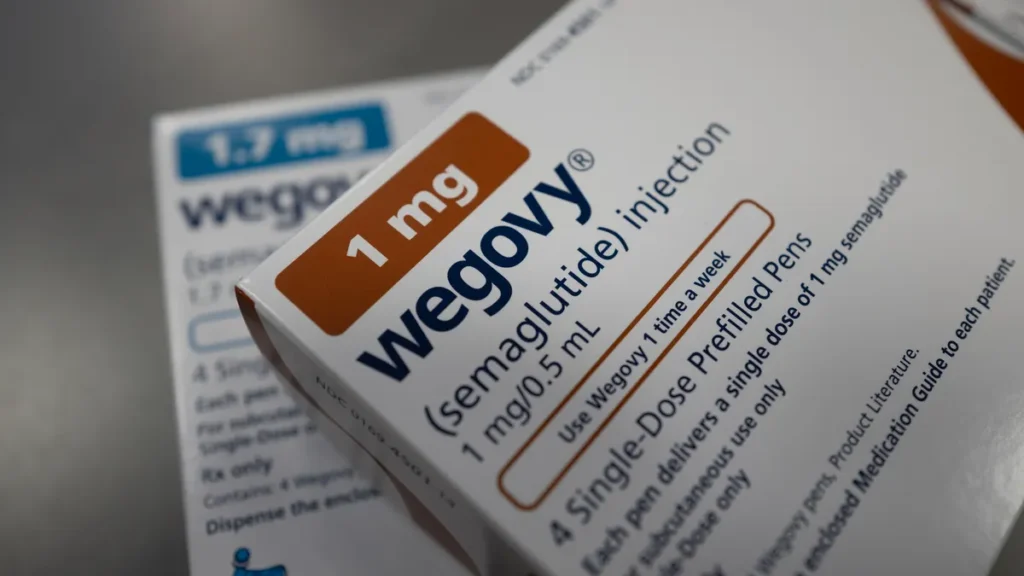
The burgeoning popularity and efficacy of GLP-1 (Glucagon-like Peptide-1) agonist medications, initially developed for type 2 diabetes but increasingly prescribed for chronic weight management, are profoundly reshaping the landscape of employer-sponsored healthcare benefits and national public health metrics. As of 2025, these potent drugs represented a significant 11.4% of annual claims for corporations, a startling figure that underscores their rapid adoption and substantial financial implications for businesses. This escalating cost, juxtaposed with emerging evidence of their long-term health benefits and a statistically meaningful decline in the U.S. adult obesity rate, presents a complex challenge and opportunity for employers, healthcare providers, and policymakers alike.
The data, published in mid-2026, reflects a critical juncture where the immediate financial burden of these medications confronts their potential to mitigate long-term health expenditures associated with obesity and related comorbidities. While employers grapple with the direct costs, the broader societal impact of GLP-1s is becoming increasingly clear, painting a picture of a nation potentially turning the tide on its long-standing obesity epidemic.
The Rising Cost of a Popular Solution: An Employer’s Dilemma
The 11.4% figure for corporate annual claims attributed to GLP-1s for weight loss in 2025 is not merely a statistic; it represents a tangible financial pressure point for businesses. For many corporations, healthcare expenditures constitute one of the largest operational costs after salaries. A single class of drugs accounting for such a significant portion of claims can strain budgets, forcing companies to re-evaluate their benefits strategies. This scenario is particularly challenging given that, according to recent reports, only 36% of employers currently cover GLP-1s specifically for weight loss. Furthermore, a mere 9% of those not offering coverage are actively considering it, indicating a widespread reluctance driven primarily by cost concerns.
The average annual cost for a GLP-1 medication for weight loss can range from $10,000 to $15,000 per patient, depending on the specific drug, dosage, and insurance negotiation. When scaled across a large employee base, even a small percentage of eligible employees utilizing these drugs can lead to millions of dollars in additional expenses. This immediate financial outlay often overshadows the potential for future savings, creating a short-term vs. long-term dilemma for benefits administrators. Companies are forced to weigh the direct expense against the anticipated reduction in claims for obesity-related conditions such as cardiovascular disease, diabetes, certain cancers, and musculoskeletal issues, which have historically driven significant healthcare spending.
The GLP-1 Phenomenon: A Deeper Dive into Mechanism and Market
GLP-1 agonists mimic the action of a natural hormone, glucagon-like peptide-1, which is released in the gut in response to food intake. This hormone plays a crucial role in regulating blood sugar by stimulating insulin secretion, suppressing glucagon release, slowing gastric emptying, and increasing satiety. While drugs like liraglutide (Victoza, Saxenda), semaglutide (Ozempic, Wegovy), and tirzepatide (Mounjaro, Zepbound) were initially developed to manage type 2 diabetes, their profound effect on weight loss quickly became apparent.
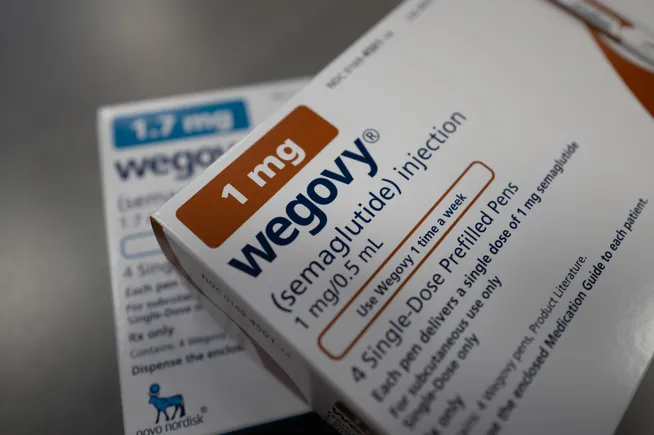
Wegovy, containing semaglutide, received U.S. Food and Drug Administration (FDA) approval specifically for chronic weight management in adults with obesity or overweight with at least one weight-related condition in June 2021. This approval marked a turning point, legitimizing the use of GLP-1s beyond diabetes treatment and paving the way for broader adoption. Subsequently, tirzepatide, a dual GIP/GLP-1 agonist, received FDA approval for weight management under the brand name Zepbound in late 2023, offering even greater efficacy in some studies.
The market response has been unprecedented. Pharmaceutical companies have seen their valuations soar, and demand has frequently outstripped supply, leading to intermittent shortages of these highly sought-after medications. The success of these drugs is not just in their clinical efficacy but also in addressing a long-standing unmet medical need for effective, sustainable weight loss solutions that go beyond diet and exercise alone.
A Chronology of Innovation and Impact
The journey of GLP-1s from diabetes treatment to a national weight management strategy can be traced through several key milestones:
- 2005: Exenatide (Byetta), the first GLP-1 receptor agonist, is approved for type 2 diabetes.
- 2010: Liraglutide (Victoza) receives FDA approval for type 2 diabetes.
- 2014: Liraglutide is approved for chronic weight management under the brand name Saxenda, marking an early foray into obesity treatment.
- 2017: Semaglutide (Ozempic) is approved for type 2 diabetes, known for its once-weekly dosing.
- June 2021: Semaglutide receives FDA approval for chronic weight management as Wegovy, specifically targeting obesity. This is the pivotal moment that catalyzes widespread attention and usage for weight loss.
- May 2022: Tirzepatide (Mounjaro), a dual GIP/GLP-1 agonist, is approved for type 2 diabetes, quickly demonstrating superior weight loss effects in clinical trials.
- November 2023: Tirzepatide receives FDA approval for chronic weight management under the brand name Zepbound, offering a new highly effective option.
- 2025: GLP-1s for weight loss account for 11.4% of annual corporate claims, reflecting their significant market penetration and cost impact.
- July 2026: Gallup and other research indicate a statistically meaningful decline in the U.S. adult obesity rate, inversely tracking with increased GLP-1 usage, while employer coverage remains limited due to cost.
This timeline illustrates a rapid evolution, from niche diabetes treatments to blockbuster weight loss drugs, fundamentally altering public health trajectories and corporate benefits strategies within a relatively short period.
Employer Coverage Dilemma: Balancing Wellness and the Bottom Line
The limited employer coverage for GLP-1s for weight loss, with only 36% currently offering it, highlights a deep-seated tension. Employers are caught between a desire to support employee health and productivity, and the immediate financial pressures. Companies that choose not to cover these drugs often cite the high cost and the perception that weight loss is a "lifestyle" rather than a "medical necessity," although this perception is increasingly challenged by medical consensus.
However, a growing body of evidence, including a January 2026 report from risk consultation firm Aon, suggests that the long-term economic benefits of GLP-1 coverage may outweigh the initial investment. Aon’s analysis, leveraging data from over 50 million individuals including 192,000 GLP-1 users over two years, found that medical cost growth was three percentage points lower over 18 months for those using GLP-1s for weight loss. This reduction in healthcare costs is attributed to the prevention or improvement of obesity-related comorbidities, which are far more expensive to manage over time. For example, a significant reduction in diabetes diagnoses, cardiovascular events, or joint replacement surgeries could lead to substantial savings for employers down the line.

The decision to cover GLP-1s is therefore not just a medical one but a strategic business choice that requires a sophisticated understanding of total cost of care, employee retention, productivity, and overall workforce health. Employers offering coverage often report improved employee morale and attraction/retention benefits, positioning themselves as leaders in employee well-being.
Shifting Tides in Public Health: Obesity Rates Decline
Perhaps the most significant and encouraging development is the observed decline in the U.S. adult obesity rate. Gallup research, conducted in May and June 2026, revealed that the national adult obesity rate has fallen to 36.4%, a noticeable decrease from a record high of 39.9% in 2022. This "statistically meaningful decline" inversely tracks with the increased usage of GLP-1 medications nationally. The same research indicated that 11% of the 5,065 adults surveyed reported currently taking GLP-1 medications for weight loss, nearly quadrupling the share from just two years prior. In total, 15% reported having used the drugs for weight loss at some point, up nine percentage points from previous surveys.
This shift marks a potential turning point in the nation’s decades-long battle against obesity. For years, public health initiatives struggled to make a significant dent in rising obesity rates. The advent of highly effective pharmacological interventions appears to be providing a much-needed tool in this fight. This decline in obesity has profound implications for the overall health of the population, reducing the burden on healthcare systems and potentially extending healthy lifespans.
Beyond Weight Loss: Broader Health Implications
The positive health impacts of GLP-1s extend beyond mere weight reduction. The Gallup research also noted that the share of U.S. adults diagnosed with diabetes has remained relatively stable since 2023, following 15 years of slowly rising rates that coincided with increasing obesity. This stabilization suggests that GLP-1s, many of which are also approved for diabetes management, are not only helping individuals lose weight but are also playing a crucial role in preventing or better managing type 2 diabetes.
Reduced rates of obesity and diabetes are associated with a cascade of health benefits: lower incidence of heart disease, stroke, certain cancers (such as colon, breast, and pancreatic), sleep apnea, and improved joint health. These broader health improvements translate into a healthier workforce, fewer sick days, enhanced productivity, and ultimately, a more robust economy.
Stakeholder Perspectives: A Multifaceted Debate

The rapid ascent of GLP-1s has sparked a multifaceted debate among various stakeholders:
- Employers: Many are in a quandary, weighing immediate costs against long-term savings and employee demand. Some proactive companies are exploring value-based contracts with pharmaceutical companies or implementing stricter eligibility criteria to manage costs.
- Pharmaceutical Companies: Firms like Novo Nordisk (Wegovy, Ozempic) and Eli Lilly (Zepbound, Mounjaro) are experiencing unprecedented growth. They emphasize the medical necessity of these treatments, highlighting their efficacy in addressing a chronic disease and improving patient outcomes. They also invest heavily in R&D for next-generation compounds and advocate for broader insurance coverage.
- Health Plan Providers and Pharmacy Benefit Managers (PBMs): These entities are at the forefront of formulary design and cost negotiation. They face pressure from employers to contain costs while also responding to patient and physician demand. Many are implementing prior authorization requirements, step therapy protocols, and other utilization management strategies to ensure appropriate use and manage expenditures.
- Healthcare Professionals: Physicians and endocrinologists generally welcome the new tools to combat obesity, acknowledging the chronic and complex nature of the disease. They emphasize the importance of patient selection, comprehensive lifestyle interventions alongside medication, and ongoing monitoring for side effects and adherence. Concerns revolve around equitable access and the potential for off-label use.
- Patients/Employees: Demand for GLP-1s is high, driven by personal health goals and the desire for effective treatment. Employees with obesity-related conditions are increasingly advocating for employer coverage, viewing it as an essential health benefit rather than a cosmetic one.
- Policy Makers/Regulators: The substantial cost implications and public health impact are prompting discussions at federal and state levels regarding Medicare coverage, Medicaid expansion, and potential policy interventions to improve affordability and access. The long-term societal benefits of reducing obesity could justify public investment or regulatory adjustments.
The Future Landscape of Weight Management and Healthcare
The trajectory of GLP-1 medications suggests a fundamental shift in how obesity and related metabolic diseases are perceived and treated. Future developments are likely to include:
- Newer Generations of Drugs: The pharmaceutical pipeline is robust, with ongoing research into even more potent and diverse mechanisms of action, potentially leading to drugs with fewer side effects, improved efficacy, or different routes of administration (e.g., oral forms).
- Personalized Medicine: As understanding of obesity’s complex etiology grows, treatments may become more tailored to individual patient profiles, potentially optimizing outcomes and reducing costs through more targeted therapies.
- Integration with Comprehensive Care: GLP-1s are most effective when integrated into a holistic weight management program that includes nutritional counseling, physical activity, and behavioral therapy. Healthcare systems are adapting to offer these integrated services.
- Addressing Health Equity: The high cost of these drugs raises concerns about equitable access, particularly for underserved populations who bear a disproportionate burden of obesity. Policy efforts may focus on ensuring broader affordability and availability.
- Long-Term Adherence and Outcomes: Research will continue to track the long-term efficacy, safety, and cost-effectiveness of GLP-1s, including the implications of stopping treatment and the potential for weight regain.
- Impact on Food Industry and Public Health Messaging: A widespread reduction in obesity could influence dietary guidelines, food product development, and public health campaigns, further reinforcing healthier lifestyles.
Challenges and Considerations
Despite the transformative potential, several challenges remain. The long-term commitment required for GLP-1 therapy (often lifelong) means sustained costs. Side effects, though generally mild (nausea, vomiting, diarrhea), can be significant for some individuals. The potential for muscle mass loss alongside fat loss is also a concern that warrants further research and management strategies. Moreover, the question of who should pay for these medications and how to ensure equitable access without bankrupting healthcare systems remains a contentious issue. The infrastructure for comprehensive obesity care, including specialized clinics and trained professionals, also needs to expand to meet the growing demand.
In conclusion, the emergence and widespread adoption of GLP-1 medications represent a pivotal moment in public health and corporate benefits management. While the immediate financial strain on employers is undeniable, the emerging evidence of reduced obesity rates and long-term healthcare cost savings presents a compelling argument for their value. The ongoing dialogue among stakeholders, coupled with continued research and policy adjustments, will define how these powerful drugs ultimately reshape the health and economic landscape for generations to come. The era of effectively managing obesity as a chronic disease through pharmacological intervention has truly arrived, demanding innovative solutions to ensure its benefits are accessible and sustainable for all.






