The landscape of American employment is fundamentally tied to the provision of healthcare, with recent data from KFF indicating that 91% of U.S. workers are employed by organizations that offer health benefits to at least a portion of their workforce. However, a growing body of evidence suggests a significant "engagement gap" where the mere existence of a benefits package does not equate to its effective utilization. Industry experts argue that even the most comprehensive health benefit program fails to deliver its intended value—to both the employer and the employee—if the workforce does not fully comprehend or actively engage with the offerings. Consequently, employee engagement has emerged as the primary metric for determining the success and return on investment (ROI) of corporate benefits strategies.
The Strategic Importance of Health Benefits in a Competitive Labor Market
The role of health benefits has evolved from a standard administrative requirement to a critical tool for talent acquisition and organizational stability. According to the Employee Benefits Survey conducted by PeopleKeep by Remodel Health, benefits are a decisive factor in the modern recruitment cycle. The survey reveals that 81% of employees consider an employer’s benefits package a high-priority factor when deciding whether to accept a job offer. Within these packages, health benefits remain the most scrutinized and valued component, with 92% of respondents labeling them as "important" or "very important."
Beyond the recruitment phase, health benefits serve as a cornerstone for employee retention. In an era characterized by labor mobility and the "Great Reshuffle," organizations that demonstrate a commitment to the long-term well-being of their staff through robust health support tend to see higher levels of loyalty. When employees feel that their health is supported by their employer, they are statistically more likely to remain engaged with their work and less likely to pursue external opportunities. However, the financial burden on employers is significant, and the frustration of investing in underutilized benefits has led many organizations to seek more efficient engagement strategies.
A Chronology of Benefit Evolution: From Group Plans to Personalization
To understand the current shift toward engagement, it is necessary to examine the historical trajectory of employer-sponsored insurance. For decades, the "one-size-fits-all" traditional group health insurance plan was the undisputed standard. While these plans provided a safety net, they often lacked the flexibility required by a diverse, multi-generational workforce.
In the mid-2010s and early 2020s, regulatory changes—including the introduction of the Qualified Small Employer Health Reimbursement Arrangement (QSEHRA) in 2016 and the Individual Coverage Health Reimbursement Arrangement (ICHRA) in 2020—marked a pivotal shift. These models moved away from "Defined Benefit" (where the employer chooses the plan) toward "Defined Contribution" (where the employer provides a set amount of money for the employee to choose their own plan). This transition has been a primary driver in increasing engagement, as it places the power of choice directly in the hands of the employee.
Six Pillars for Increasing Benefit Utilization and Engagement
For organizations looking to bridge the engagement gap, industry analysts suggest a multi-faceted approach that combines personalization, education, and proactive communication.

1. The Implementation of Personalized Benefit Models
Traditional group plans often limit employees to a specific network of providers and a narrow range of coverage options. This lack of agency can lead to apathy toward the benefit. By contrast, personalized benefits such as Health Reimbursement Arrangements (HRAs) allow employees to select individual health insurance plans that align with their specific medical needs, budgets, and preferred doctors.
Under an HRA model, employers set a tax-free allowance for employees to use toward eligible healthcare expenses, including insurance premiums. This "consumer-driven" approach naturally increases engagement because employees must take an active role in selecting the coverage that best serves their families. Common eligible expenses often include doctor visits, prescription medications, and even specialized care like chiropractic services or mental health counseling.
2. Strategic and Multi-Channel Communication
Effective engagement is predicated on the frequency and clarity of communication. Analysts suggest that organizations should not rely solely on annual open enrollment periods to discuss benefits. Instead, a "drip-feed" approach to communication ensures that benefits remain top-of-mind throughout the year.
Successful organizations utilize various channels to reach their staff, including:
- Internal company newsletters and digital memos.
- Dedicated Slack or Microsoft Teams channels for benefits updates.
- Physical posters in common areas or breakrooms for on-site staff.
- Mobile-friendly benefit portals that allow for on-the-go access.
3. Proactive Employee Education and Literacy
Health insurance is notoriously complex, filled with jargon such as "deductibles," "coinsurance," and "out-of-pocket maximums." A lack of literacy in these areas is a major barrier to engagement. To combat this, HR departments are increasingly hosting educational webinars, Q&A sessions, and "benefits fairs." Providing one-on-one access to benefits counselors or insurance representatives can demystify the process and empower employees to use their benefits more effectively.
4. The Integration of Holistic Wellness Programs
Engagement can be further bolstered by expanding the definition of "health benefits" to include wellness initiatives. These programs focus on preventive care and lifestyle management, which can reduce long-term healthcare costs. Modern wellness programs often take a holistic approach, addressing:
- Physical Health: On-site fitness centers, standing desks, or subsidized gym memberships.
- Nutritional Health: Providing healthy snacks in the office or hosting nutrition workshops.
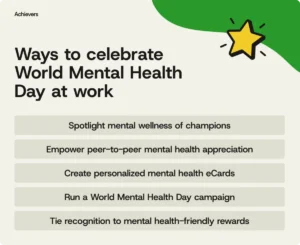
- Mental Health: Access to Employee Assistance Programs (EAPs), meditation apps, and stress-management seminars.
- Financial Wellness: Offering resources for debt management and retirement planning.
5. Incentive-Based Participation
Behavioral economics suggests that incentives can significantly drive participation in health initiatives. Employers are increasingly offering tangible rewards—such as gift cards, health insurance premium discounts, or additional Paid Time Off (PTO)—for employees who complete health risk assessments, participate in wellness challenges, or undergo annual physical examinations. These incentives serve as a catalyst for employees to engage with their health benefits more frequently than they otherwise might.
6. Establishing a Continuous Feedback Loop
Finally, the most successful benefits programs are those that are responsive to the needs of the workforce. Regular employee surveys—conducted once or twice a year—allow HR teams to gauge sentiment and identify gaps in coverage. Asking employees directly what they value and what they find confusing allows for data-driven adjustments to the benefits strategy, ensuring that the organization’s investment aligns with employee expectations.
The Role of Technology and Administrative Solutions
As the complexity of managing personalized benefits like HRAs increases, many businesses are turning to specialized software solutions to streamline administration. Small and mid-size businesses (SMBs), in particular, often lack the internal resources to manage the tax complexities and compliance requirements of HRAs.
Solutions provided by firms like PeopleKeep and Remodel Health have standardized the process of "Defined Contribution" health benefits. These platforms automate the reimbursement process, verify eligible expenses, and ensure that the employer remains compliant with IRS and Department of Labor regulations. Furthermore, these platforms often include "shopping" features that allow employees to compare individual insurance plans directly within the software, significantly lowering the barrier to entry for those unfamiliar with the individual insurance marketplace.
For larger organizations, solutions such as ICHRA+ offer a scalable way to transition from traditional group coverage to a more flexible model. These transitions are often accompanied by expert change management support, ensuring that the shift does not lead to confusion or a drop in engagement among the workforce.
Implications for the Future Workforce
The shift toward high-engagement, personalized health benefits reflects a broader trend in the labor market: the rise of the "individualized employee experience." As the workforce becomes more diverse, with varying health needs across different life stages, the traditional group model is becoming less sustainable for many employers.
The data suggests that the "engagement gap" is not merely an administrative hurdle but a financial one. Low engagement leads to poor health outcomes, which in turn leads to higher absenteeism and lower productivity. By investing in the six strategies outlined above—particularly the move toward personalized reimbursement models—employers can transform their health benefits from a static expense into a dynamic tool for organizational growth.
In conclusion, the success of a health benefits program in 2026 and beyond will be measured not by the depth of the coverage offered, but by the degree to which employees understand, value, and utilize those offerings. Through clear communication, education, and the adoption of flexible, technology-driven models like HRAs, organizations can ensure that their health benefits serve their true purpose: fostering a healthy, loyal, and engaged workforce.