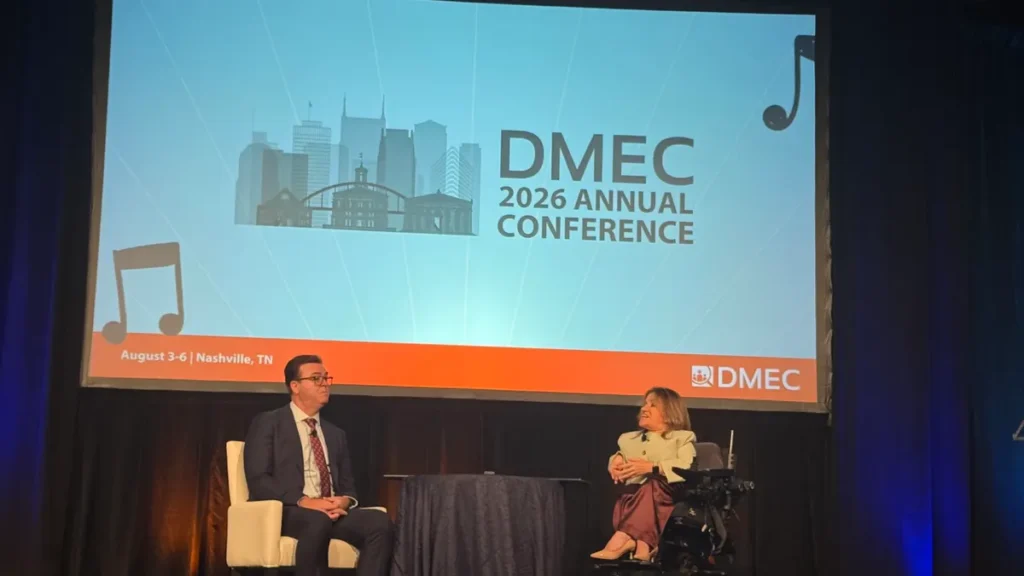
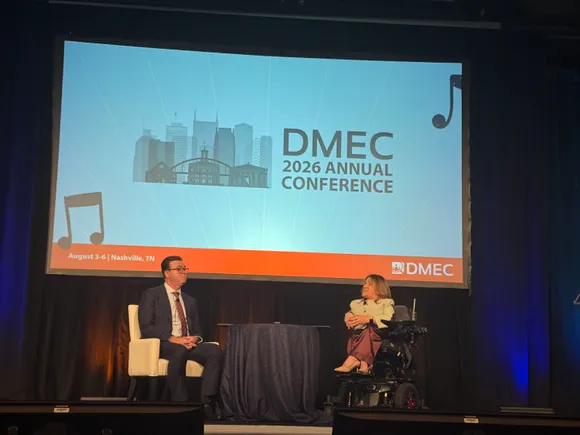
NASHVILLE, Tenn. – The imperative for employers to implement "early, coordinated, and sustained" return-to-work (RTW) programs for employees recovering from injury or illness took center stage at the 2026 Disability Management Employer Coalition (DMEC) Annual Conference. Julie Hocker, Assistant Secretary of Labor for Disability Employment Policy, delivered a stark warning on Monday, August 3, 2026, from the Gaylord Opryland Resort & Conference Center: the longer an employee remains out of work, the dramatically lower their chances of ever returning. This critical insight underscores a concerning trend highlighted by DMEC CEO Bryon Bass, whose research indicates a significant decline in the formalization of such vital programs across American businesses.
Hocker’s address resonated deeply with the assembled HR professionals, benefits managers, and disability management specialists, emphasizing that the window of opportunity for a successful return is surprisingly narrow. "The hard truth is this: The longer someone is out of work, the harder it becomes to ever get back," Hocker stated, presenting a sobering statistic: "After just 12 weeks away, it’s basically a coin toss, 50-50, whether or not that employee ever returns." This 12-week benchmark is not an arbitrary figure but a consensus point derived from decades of occupational health and workers’ compensation research, consistently demonstrating a precipitous drop in return-to-work rates beyond this critical juncture. Various studies and actuarial data from organizations like the American College of Occupational and Environmental Medicine (ACOEM) and workers’ compensation boards across states corroborate this steep decline, highlighting the multifaceted challenges that compound with prolonged absence.
The Critical 12-Week Threshold: A Deep Dive
The "coin toss" analogy used by Hocker serves as a powerful illustration of the profound shift in an employee’s return probability after three months away from their workplace. Initially, in the immediate aftermath of an injury or onset of illness, an employee’s primary focus is often on recovery with a clear intention to return. During this initial phase, the connection to the workplace, colleagues, and the routine of work can provide a strong motivational anchor. However, as weeks turn into months, several factors begin to erode this connection and complicate the return process.
Firstly, the physical and psychological toll of prolonged absence can be significant. Employees may experience deconditioning, chronic pain, and an increased risk of mental health issues such as anxiety and depression, which are often exacerbated by financial strain and social isolation. The longer an individual is away, the more difficult it becomes to reintegrate physically and mentally into a work environment that may seem increasingly alien.
Secondly, administrative hurdles and the complexity of navigating various leave and disability systems can become overwhelming. Hocker articulated this point poignantly: "That drop off is rarely because the worker lacks the will to heal or the desire to work. If organizational systems are broken, even the strongest will gets crushed by administrative blades and isolation." This speaks to the bureaucratic labyrinth that can frustrate both employees and employers, often leading to delays in receiving necessary care, approvals for accommodations, or even clear communication channels regarding their status and potential return. Without a "coordinated" effort from the employer, the employee can feel abandoned, making the prospect of return daunting.
Thirdly, the longer an employee is absent, the greater the likelihood that their role may have been temporarily or permanently filled, or that significant changes have occurred within their team or the company structure. This can create a perception of obsolescence or a lack of belonging, further dampening the desire to return. The financial implications also escalate; while short-term disability benefits might provide a temporary cushion, long-term disability often involves a significant reduction in income, pushing individuals further away from their pre-injury lifestyle and increasing stress.
"Work as Recovery": A Transformative Paradigm
Central to Hocker’s philosophy is the transformative concept that "Work is not a reward for recovery. Work is the recovery. Staying attached to work isn’t separate from healing; it’s part of the healing process itself." This paradigm shift challenges the traditional view that an employee must be 100% recovered before even considering a return to the workplace. Instead, it advocates for a proactive approach where modified duties, flexible schedules, and reasonable accommodations are integrated into the recovery journey itself.
This approach is grounded in extensive research from occupational therapy and rehabilitation medicine, which indicates that maintaining some level of work activity, even if significantly modified, can offer profound therapeutic benefits. Psychologically, it helps maintain a sense of purpose, identity, and social connection, counteracting the isolation and potential depression associated with long-term absence. Physically, it can aid in a gradual, guided return to activity, preventing deconditioning and promoting functional restoration under controlled conditions. It provides structure and routine, which are often lost during prolonged illness, contributing to a more holistic recovery.
For instance, an employee recovering from a back injury might initially return for a few hours a day, performing light administrative tasks that do not involve heavy lifting or prolonged sitting/standing. As their recovery progresses, their duties and hours can gradually increase, guided by medical recommendations and ongoing communication between the employee, their healthcare provider, and the employer. This "sustained" aspect of the program ensures that support is continuous and adaptive, preventing relapses and fostering long-term success.
Benefits for Employers: Beyond Empathy and Compliance
While the ethical and compassionate arguments for supporting injured employees are compelling, Hocker underscored that proactive RTW programs yield tangible benefits for employers that directly impact their bottom line. "Employers benefit, too, from helping employees get back to work through gains in retention, morale and cost savings," she noted. "It’s good for the overall culture of a company, and I think we always need to be honest about the P&L at the end of the day."
The cost savings associated with effective RTW programs are multifaceted. Firstly, they reduce direct costs related to workers’ compensation claims, including medical expenses, temporary disability payments, and potential litigation. By facilitating a quicker and more effective return, employers can minimize the duration and severity of claims. Secondly, there are significant indirect costs associated with prolonged absences that are often overlooked. These include the cost of temporary staffing, overtime for existing employees, decreased productivity due to understaffing, and the expenses related to recruiting and training new employees if the injured worker does not return. Industry analyses often estimate that indirect costs can be 2 to 5 times greater than direct costs.
Furthermore, strong RTW programs contribute to higher employee retention rates. Employees who feel supported and valued during a difficult time are more likely to remain loyal to their employer. This, in turn, reduces turnover costs and preserves institutional knowledge and expertise. High morale across the workforce is another significant benefit; when employees see their colleagues being supported through injury or illness, it fosters a culture of trust, empathy, and psychological safety. This positive environment can enhance overall productivity, engagement, and reduce presenteeism, where employees are at work but not fully productive due to health issues or stress. Companies known for their robust employee support programs often enjoy a stronger employer brand, attracting top talent and reducing recruitment challenges.
The State of Formalized Programs: A Concerning Trend
Despite the clear benefits, DMEC CEO Bryon Bass presented data that raised alarms among conference attendees. "Only about 4 in 10 employers have formalized stay-at-work programs," Bass revealed, citing DMEC’s own comprehensive research. Even more concerning was the discovery that this figure represents a seven-percentage-point drop from just two years prior. Bass characterized this decline as "concerning," signaling a potential regression in organizational commitment to disability management at a time when workforce health and resilience are paramount.

The reasons behind this decline are likely complex and multi-faceted. One possible factor could be the increasing complexity of federal, state, and local leave laws (such as FMLA, ADA, state-specific paid leave mandates, and workers’ compensation regulations), which can overwhelm HR departments, particularly in smaller and mid-sized businesses lacking dedicated disability management staff. The administrative burden of navigating these overlapping laws may deter some employers from formalizing comprehensive RTW strategies, opting instead for reactive, case-by-case responses.
Another contributing factor might be the intense focus on other HR priorities in recent years, such as talent acquisition in a competitive labor market, diversity, equity, and inclusion (DEI) initiatives, and adapting to remote or hybrid work models. While all are critical, the proactive management of disability and absence might inadvertently receive less strategic attention or resource allocation. Economic pressures, particularly for businesses recovering from downturns, could also lead to budget cuts in areas perceived as non-essential, even though RTW programs ultimately offer cost savings.
Bass emphasized the need for innovation and adaptability: "We have opportunities to find ways to keep individuals working, rather, through flexible arrangements, accommodations and thinking differently about how work might be done." This highlights the need for employers to move beyond traditional rigid frameworks and embrace creative solutions tailored to individual needs and evolving work environments.
The DMEC Annual Conference: A Platform for Dialogue
The DMEC Annual Conference serves as a critical forum for discussing the evolving landscape of absence and disability management. As the premier event for professionals in this field, it annually brings together hundreds of employers, industry experts, legal professionals, and service providers. The Disability Management Employer Coalition (DMEC) itself is a non-profit association dedicated to providing educational resources, research, and networking opportunities for professionals engaged in integrated disability and absence management. Its mission is to help employers navigate the complexities of employee absence, workers’ compensation, and disability regulations, ultimately fostering healthier and more productive workforces.
The conference’s setting in Nashville, a hub for business and healthcare, provided an ideal backdrop for these discussions. Attendees engaged in a series of sessions, workshops, and fireside chats, exploring best practices, regulatory updates, and emerging trends. The presence of high-level government officials like Assistant Secretary Hocker underscores the national importance of these issues and the collaborative effort required from both public and private sectors to address them effectively. The dialogue initiated at such conferences is instrumental in shaping future policies, developing innovative solutions, and equipping HR and benefits professionals with the tools they need to support their employees and organizations.
Strategies for Successful Return-to-Work Programs
Achieving "early, coordinated, and sustained" RTW programs requires a multi-pronged strategy:
- Early Intervention: This begins immediately after an injury or illness is reported. Prompt communication with the employee, their healthcare providers, and workers’ compensation adjusters is crucial. The employer should proactively explore light duty options, even if temporary, to keep the employee connected to the workplace.
- Clear Communication and Support: Establishing a single point of contact (e.g., a disability case manager or HR specialist) to guide the employee through the process can significantly reduce stress and confusion. Regular check-ins, empathetic listening, and clear explanations of benefits and company policies are vital.
- Individualized Accommodation Plans: Recognizing that each injury and recovery is unique, employers must be prepared to offer reasonable accommodations as mandated by the Americans with Disabilities Act (ADA) and similar state laws. This could include modified job duties, flexible work schedules (part-time, staggered hours), ergonomic adjustments, assistive technologies, or even temporary transfers to different roles. The key is creativity and a focus on what the employee can do, rather than what they cannot.
- Collaboration with Healthcare Providers: Building relationships with occupational health clinics and primary care physicians can facilitate better understanding of an employee’s limitations and capabilities. Encouraging healthcare providers to focus on functional abilities rather than just medical diagnoses is essential for developing effective return-to-work plans.
- Manager Training: Front-line managers play a critical role. They need training on how to respond to injuries, initiate early discussions about return-to-work, understand accommodation requirements, and foster a supportive team environment. Their proactive engagement can significantly influence an employee’s recovery and successful reintegration.
- Formalized Policies and Procedures: Despite the reported decline, having written policies and clear procedures for RTW programs ensures consistency, fairness, and legal compliance. These policies should outline the process, available resources, and the roles and responsibilities of all parties involved.
Broader Implications and Future Outlook

The discussion at the DMEC conference highlighted not only the immediate challenges but also the broader implications of effective disability management. By age 56, nearly half of all Americans have experienced a short-term or long-term injury or illness, meaning "by definition, they’ve been disabled at some point," as Hocker pointed out. This widespread prevalence underscores that disability is not a fringe issue but a common human experience that impacts a significant portion of the workforce and the economy.
Economically, inefficient disability management translates into billions of dollars annually in lost productivity, increased healthcare costs, and higher insurance premiums. On a societal level, prolonged absence can lead to individuals leaving the labor force prematurely, contributing to skills gaps, reduced tax revenues, and increased reliance on social support systems. Ethically, employers have a moral obligation to support their employees through challenging health events, fostering a humane and inclusive workplace.
Looking ahead, the integration of technology, such as AI-powered case management systems, telehealth for remote assessments, and wearable devices for monitoring rehabilitation progress, holds promise for enhancing RTW programs. Furthermore, a renewed focus on mental health support and destigmatization is crucial, as mental health conditions are increasingly recognized as a leading cause of workplace absence and disability. Policymakers may also consider incentives or regulatory frameworks to encourage greater adoption of formalized RTW programs, ensuring that the critical 12-week window is consistently addressed.
Expert Perspectives and Challenges
Beyond the insights shared by Hocker and Bass, the consensus among occupational health specialists, workers’ compensation experts, and HR leaders is clear: a cultural shift is needed within organizations. Many still view disability management primarily as a compliance or cost-containment function, rather than a strategic investment in human capital.
Challenges persist in several areas. Small businesses, in particular, often lack the resources, expertise, and dedicated staff to implement sophisticated RTW programs. The fragmented nature of the U.S. healthcare system and the varying quality of rehabilitation services can also complicate the process. Moreover, implicit biases and a lack of understanding about visible and invisible disabilities can hinder an employer’s willingness or ability to provide appropriate accommodations. Overcoming these challenges requires education, advocacy, and collaborative efforts between government, industry, and healthcare providers.
In conclusion, the message from the 2026 DMEC Annual Conference is an urgent call to action. The alarming decline in formalized return-to-work programs, coupled with the critical 12-week threshold for successful reintegration, demands immediate attention from employers. By embracing proactive, empathetic, and strategically sound "early, coordinated, and sustained" approaches, businesses can not only safeguard their financial health and cultivate a positive work culture but also fulfill their ethical responsibility to support employees through their recovery journey, transforming absence into opportunity for renewed engagement and productivity. The future of a resilient and inclusive workforce hinges on this commitment.