In an era defined by rapid digital transformation and evolving workplace dynamics, the recruitment industry finds itself at a unique crossroads. Beyond the formal reports and strategic analyses, a vibrant subculture of recruiter memes has emerged, offering a candid, often humorous, reflection of the daily realities, frustrations, and triumphs faced by talent acquisition professionals and job seekers alike. These viral snippets of internet culture, while lighthearted, serve as a potent barometer for significant shifts in hiring practices, candidate expectations, and inter-departmental collaborations, providing an informal yet insightful commentary on the state of talent acquisition today.
The Digital Frontier: LinkedIn and the Candidate Profile
A cornerstone of modern recruitment, LinkedIn’s role is frequently satirized in recruiter memes. Despite its indispensable status as a professional networking and sourcing tool, it presents a complex landscape. Data consistently underscores its importance, with nearly 93% of HR professionals and recruiters deeming a candidate’s LinkedIn profile "useful," and over 22% considering it "critical" in hiring decisions. Memes often highlight the meticulous (and sometimes obsessive) scrutiny recruiters apply to these profiles, transforming them into digital detectives piecing together a candidate’s professional narrative. This intensive review process, while essential for vetting, can lead to a sense of digital "stalking" from the candidate’s perspective, blurring the lines between professional interest and personal intrusion. The humor lies in acknowledging this paradox: the platform is vital, yet its pervasive influence on professional identity and candidate perception is a source of both power and anxiety.
Navigating the Candidate Journey: From Application to Onboarding
The path from job application to a signed offer letter is fraught with potential pitfalls, a reality vividly captured in numerous recruiter memes.
Application Fatigue and Resume Overload
The sheer volume of applications for desirable roles often leads to a "spray and pray" approach from job seekers, who, in their desperation, send out generic resumes to every conceivable opening. This deluge, combined with lengthy and often repetitive online application forms, creates significant friction. Candidates express exasperation at manually re-entering information already present in an uploaded resume, a common scenario depicted in memes showing individuals feeling bewildered by redundant steps. For recruiters, this translates into sifting through mountains of unsuitable applications, making the quest for the "purple squirrel unicorn" – the perfect, rare candidate – feel increasingly Sisyphean. Applicant Tracking Systems (ATS) aim to streamline this, yet their rigid keyword matching can sometimes inadvertently filter out qualified talent, adding another layer of complexity.
The Interview Marathon and Ghosting Phenomenon
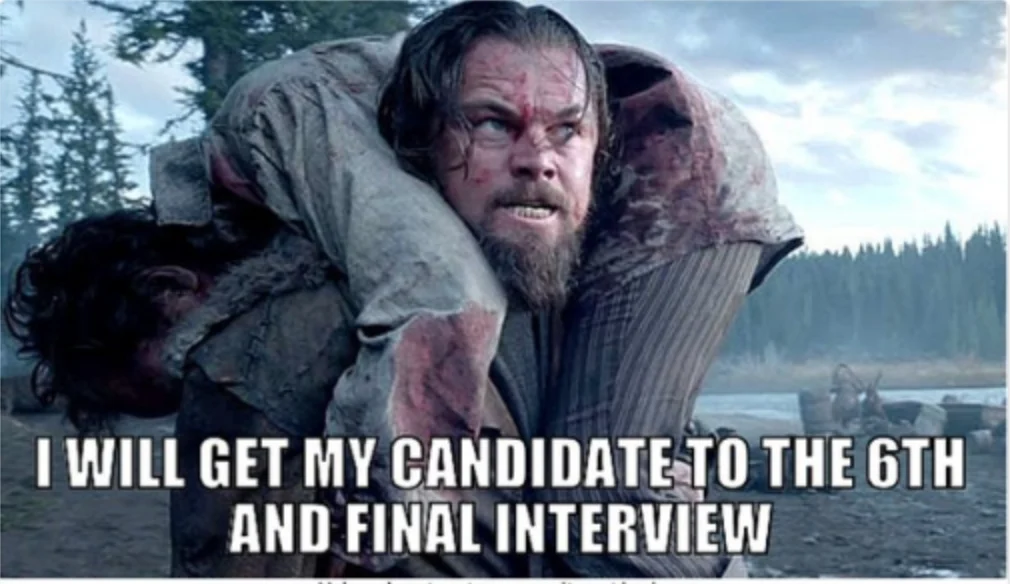
Memes frequently depict the seemingly endless interview rounds, with candidates joking about "sixth interviews" or the feeling of crossing a finish line only to be told there’s another lap. This protracted process not only tests a candidate’s patience but also risks losing top talent to faster-moving competitors. The phenomenon of "ghosting," where either a candidate or a company abruptly ceases communication without explanation, is another prominent theme. While often attributed to candidates, companies are equally guilty, leaving job seekers in radio silence after multiple interviews. This mutual frustration highlights a breakdown in communication and respect within the hiring ecosystem, eroding trust and adding emotional toll to an already stressful process.
The Offer and Its Unexpected Twists
The moment of a job offer should be a culmination of successful negotiation, yet memes reveal it’s often far from straightforward. Recruiters are shown reacting with incredulity when a seemingly eager candidate introduces last-minute demands or, worse, declines the offer after extensive effort. This unpredictability underscores the highly competitive talent market, where candidates often juggle multiple offers or use one to leverage a better deal elsewhere. The humor in these memes stems from the universal experience of having expectations dashed at the final hurdle, a testament to the emotional investment recruiters make in each placement.
The Intricate Dance with Hiring Managers
A significant portion of recruiter humor revolves around the complex, sometimes adversarial, relationship between recruiters and hiring managers. This dynamic is a fertile ground for memes illustrating miscommunications, shifting requirements, and differing priorities.
The Elusive and Evolving Job Description
Job descriptions (JDs) are often the initial point of contention. Memes portray recruiters desperately chasing hiring managers for JDs, only to receive vague outlines or, more frustratingly, have requirements change mid-process. This lack of clarity or sudden pivots forces recruiters to restart their search, leading to wasted time and candidate confusion. The frustration is palpable: how can one find the right person if the target keeps moving? Effective JDs, inclusive and compelling, are critical for attracting diverse and qualified talent, yet their creation often remains a bottleneck.
Budgetary Realities and Unrealistic Expectations
Memes featuring sad-eyed dogs lamenting HR and recruiting budgets, or comparing ambitious recruitment strategies to meager approved plans, highlight the perennial struggle for resources. Recruiters often find themselves caught between aggressive hiring goals and limited financial backing, particularly for attracting highly sought-after talent. There’s a persistent disconnect between what hiring managers ideally want (the "purple squirrel" at a modest salary) and what the market realistically offers, pushing recruiters to perform miracles with constrained budgets and timelines. The humor serves as a collective sigh of resignation from professionals who understand the constraints but are still expected to deliver exceptional results.
Professionalism and First Impressions
The sight of a candidate arriving for an interview in overly casual attire, like shorts and a Hawaiian shirt, is a classic meme scenario that captures the hiring manager’s instant judgment. While companies increasingly embrace casual workplace cultures, certain professional expectations remain. Recruiters often act as intermediaries, managing the expectations of both candidates regarding appropriate interview conduct and hiring managers regarding open-mindedness beyond initial appearances. These memes playfully underscore the unspoken rules and subjective assessments that still permeate the interview process.
Major Industry Trends Reflected in Meme Culture
Beyond individual frustrations, recruiter memes collectively illuminate broader, systemic trends shaping the talent acquisition landscape.
The Ethics of Pre-Hiring Assessments
The rise of pre-hiring tests, from coding challenges to full marketing deck submissions, has become a double-edged sword. While intended to verify skills beyond AI-enhanced resumes, these "unpaid skill-based assignments" frequently spark controversy. Memes highlight candidate fears of exploitation, where extensive work is requested without compensation or a clear path to employment. This debate underscores the challenge for recruiters: how to conduct robust assessments transparently and fairly, ensuring they genuinely evaluate job fit without burdening or alienating potential hires.
Work-Life Balance and the "Quiet Quitting" Phenomenon
Memes about "mentally drafting exit emails" while still at the desk, or the collective sigh of employees watching the clock, reflect a significant shift in employee priorities. The "quiet quitting" trend, where employees only perform the bare minimum of their job duties, signals widespread disengagement. Recruitment memes addressing this issue underscore the critical need for meaningful jobs, positive workplace cultures, and genuine work-life balance to attract and retain talent. The "we’re family" trope, once a recruitment selling point, is now often viewed with suspicion by job seekers, seen as a red flag for demanding work environments that encroach on personal time.
The AI Paradox in Hiring
AI’s pervasive influence is another meme-worthy topic. Recruiters leverage AI to parse CVs and match candidates, while job seekers use AI tools to tailor resumes to specific job descriptions. This creates a fascinating, almost dystopian, scenario where AI systems communicate with other AI systems. Memes playfully explore this "robots talking to robots" dynamic, raising questions about authenticity, the potential for bias, and the future role of human judgment in a highly automated hiring process. The challenge for recruiters is to use AI ethically and effectively, ensuring it augments human decision-making rather than replacing genuine human connection.
The Demand for Salary Transparency
The consistent appearance of memes about salary expectations highlights a critical industry shift: the increasing demand for transparent compensation. Job seekers are no longer willing to tolerate vague or "super stretchy" pay ranges ($40,000–$250,000, for example) that obscure actual compensation. Legislation in various regions now mandates salary ranges in job postings, a response to this growing call for equity and clarity. Recruiters understand that opaque salary practices are a significant deal-breaker, making clear and competitive compensation a non-negotiable "opening number" in attracting top talent.
The Ever-Evolving Job Market
The recruitment landscape is in perpetual flux, a reality that memes constantly capture. From adapting to the surge in remote and hybrid work models and the proliferation of "Zoom calls" to navigating economic shifts and industry-specific demands, recruiters must be agile. Memes about the chaos of scheduling interviews across time zones or the unexpected behaviors during virtual meetings reflect the continuous need for adaptability. These humorous takes emphasize that while technology and trends evolve, the core challenge of human interaction remains at the heart of successful recruitment.
Conclusion: More Than Just a Laugh
Recruiter memes, far from being mere distractions, offer a unique and powerful lens through which to understand the contemporary challenges and dynamics of talent acquisition. They encapsulate shared experiences, frustrations, and moments of triumph, fostering a sense of community among professionals who navigate this complex field. By distilling intricate industry issues into relatable, humorous images, these memes provide not only stress relief but also invaluable, informal insights into areas needing improvement—from optimizing job descriptions and streamlining hiring processes to advocating for salary transparency and ethical AI usage. As the job market continues its rapid evolution, the satirical mirror of recruiter memes will undoubtedly continue to reflect the essential truths of connecting talent with opportunity.
Date: July 7, 2026
Author: Heather Barbour Fenty
Category: Recruiters