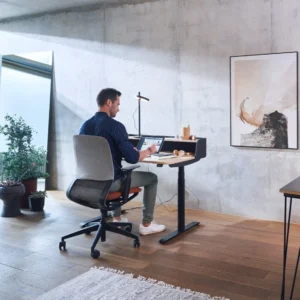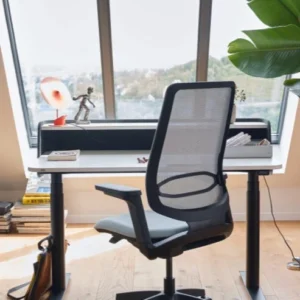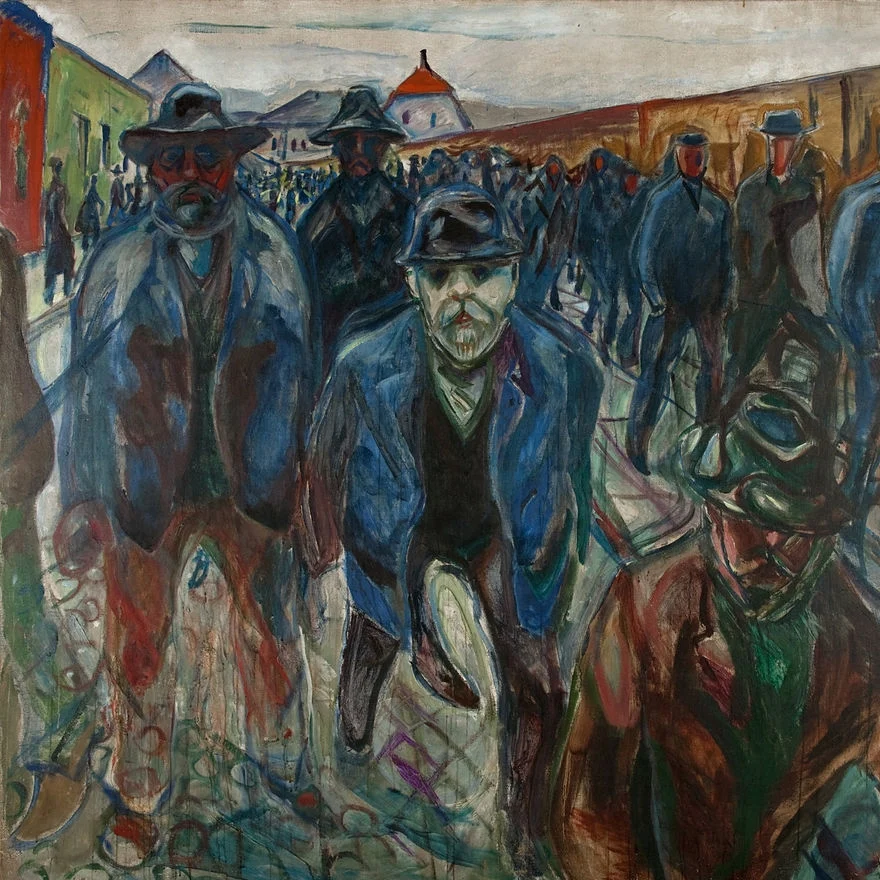
A groundbreaking systematic review conducted by researchers at the University of Roehampton has unveiled compelling evidence that integrating visual art into the workplace can significantly enhance employee psychological well-being, job satisfaction, and overall engagement. The study, published in the esteemed journal Psychology of Aesthetics, Creativity, and the Arts, specifically highlights that the most profound benefits are realized when employees are granted the agency to select and position artwork within their own work environments. This finding challenges the conventional approach of treating office art as a mere decorative afterthought, instead positioning it as a strategic tool for fostering a more positive and productive work culture.
The Foundation of the Research: A Deep Dive into Workplace Art
The comprehensive review, spearheaded by Professor Mick Cooper and Maritina Peristeri from the University of Roehampton’s School of Psychology, meticulously sifted through over 900 published papers pertaining to the impact of art in professional settings. However, the stringent criteria for inclusion narrowed this vast pool to a select eight papers, encompassing ten individual studies and involving approximately 1,220 participants. This deliberate filtering underscores the rigorous methodology employed and also points to a nascent, yet promising, field of research. Despite the relatively limited number of high-quality studies, the consistent findings across these investigations offer a strong foundation for the review’s conclusions.
The research consistently demonstrated that the presence of visual art in offices correlates with improved psychological comfort, elevated job satisfaction, and increased workplace engagement. Furthermore, the review suggests that art can act as a catalyst for strengthening social bonds and fostering more meaningful interactions among colleagues. This multifaceted impact suggests that art is not simply an aesthetic enhancement but a functional element capable of influencing the very fabric of workplace dynamics.
The Crucial Element: Employee Agency in Art Selection
One of the most significant and actionable findings of the Roehampton review centers on the concept of employee agency. In two separate randomized office studies, participants who were empowered to choose or arrange artwork within their personal workspaces reported markedly higher levels of psychological comfort, greater job satisfaction, and superior work-related outcomes compared to their counterparts whose artwork was pre-selected for them. Crucially, the positive effects observed in these studies diminished when participants subsequently lost this control over their office environment, reinforcing the critical role of autonomy in the therapeutic and motivational impact of art.
This emphasis on employee choice has profound implications for organizational design and human resources. It suggests that investing in employee autonomy, even in seemingly minor aspects like art selection, can yield substantial returns in terms of morale and productivity. This aligns with broader trends in workplace psychology that champion self-determination and employee empowerment as key drivers of job satisfaction and commitment.
Unpacking the Benefits: A Multifaceted Impact
The review outlines four primary areas where workplace art demonstrably exerts a positive influence:
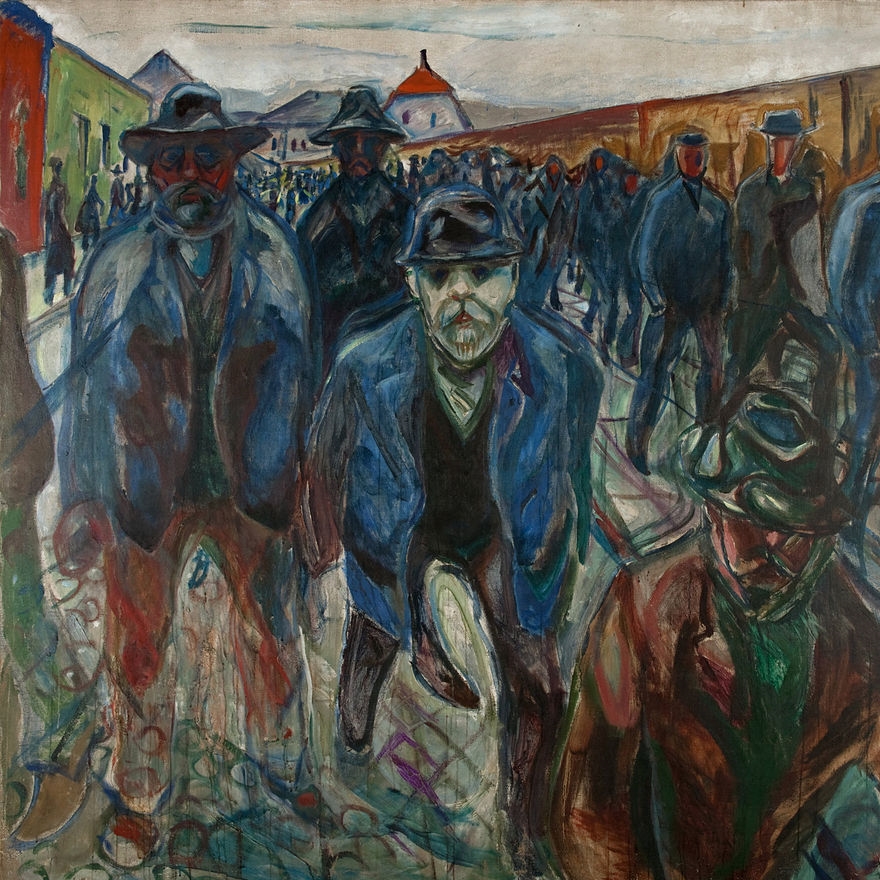
- Enhancing Work-Related Outcomes: This encompasses improvements in job satisfaction, employee engagement, and a perceived increase in productivity. When employees feel their environment is more conducive to their well-being, their motivation and commitment to their tasks often see a corresponding rise.
- Boosting Psychological Comfort: Art can create a more aesthetically pleasing and less sterile environment, contributing to a sense of calm and relaxation. This psychological comfort can be a vital buffer against the inherent stresses of the modern workplace.
- Mitigating Stress and Psychological Distress: In certain settings, the presence of art, particularly nature-based imagery, has been linked to a reduction in stress and other forms of psychological distress. This offers a low-cost, non-invasive method for organizations to support the mental health of their employees.
- Facilitating Social Interaction: Artwork can serve as a conversation starter, encouraging dialogue and connection among colleagues. Shared appreciation or even discussion about art can break down professional barriers and foster a more cohesive team dynamic.
The Power of Nature: A Soothing Influence
The review also points to preliminary evidence suggesting that nature-based imagery, such as landscapes and photographs of outdoor environments, may be particularly effective in reducing stress. One study cited within the review indicated that both natural imagery and artwork that blended natural and abstract elements were associated with lower levels of stress and anger among male participants. This finding aligns with established principles of ecopsychology, which explore the beneficial effects of nature on human mental health. Organizations looking to implement art strategies for stress reduction might consider incorporating these themes.
Expert Insights: A Simple Yet Powerful Tool
Lead author Professor Mick Cooper emphasized the significance of these findings, stating, "Work can be one of the biggest sources of stress in many people’s lives, so it’s important that we understand everything that can support psychological well-being at work. We’re not suggesting that artwork is a solution to workplace stress on its own. However, alongside other measures that support staff well-being, the evidence suggests it is a relatively simple way of contributing to healthier and more positive workplace environments."
This statement underscores a balanced perspective, acknowledging that art is a complementary strategy rather than a panacea. However, its accessibility and potential for broad impact make it a valuable addition to any comprehensive employee well-being program.
The Path Forward: Further Research and Strategic Implementation
The researchers caution that while the findings are encouraging, the evidence base remains limited. The review identified a need for more robust studies conducted within actual functioning workplaces. They argue that before definitive conclusions can be drawn, further research is essential to fully understand the nuances and long-term effects of workplace art.
Despite these limitations, the review offers a clear directive for organizations: to move beyond viewing workplace art as a purely decorative element. Instead, actively involving employees in decisions regarding art selection and placement appears to be as critical as the artwork itself. This shift in perspective can transform passive aesthetic choices into active contributors to a thriving workplace culture.
Broader Implications and Future Directions
The implications of this research extend beyond individual employee well-being. Organizations that strategically implement art programs with an emphasis on employee input may find themselves benefiting from:
- Increased Employee Retention: A more positive and engaging work environment can lead to higher job satisfaction, reducing the likelihood of employees seeking opportunities elsewhere.
- Enhanced Creativity and Innovation: A stimulating and aesthetically pleasing environment can foster a more creative mindset, potentially leading to innovative solutions and ideas.
- Stronger Brand Identity: The art chosen for a workplace can reflect the company’s values, culture, and aspirations, contributing to a stronger and more cohesive brand identity.
- Improved Client and Visitor Experience: A well-designed and art-filled office can create a more welcoming and impressive experience for clients, partners, and visitors, potentially influencing perceptions of the company.
The chronological development of this research, from the initial identification of the potential impact of art to the systematic review and its subsequent findings, highlights a growing recognition of the importance of the physical work environment on psychological outcomes. As organizations continue to grapple with issues of employee burnout, engagement, and retention in the post-pandemic era, the insights from this review offer a practical and impactful avenue for improvement. The future of workplace design may well see art not just adorning walls, but actively participating in the creation of healthier, happier, and more productive workplaces, driven by the very people who inhabit them. Further longitudinal studies and cross-cultural analyses would be invaluable in solidifying these findings and tailoring art interventions to diverse organizational contexts. The current evidence, however, strongly suggests that empowering employees in their artistic environment is a powerful, yet often overlooked, strategy for organizational success.