State insurance regulators are poised to consider more stringent guidelines for how health insurers manage coverage for prescription medications essential in treating addiction and other substance use disorders (SUDs). This move signals a growing recognition of the critical role these medications play in public health and the need to ensure equitable access. Two influential bodies within the National Association of Insurance Commissioners (NAIC)—the Prescription Drug Coverage Working Group and the Mental Health Parity and Addiction Equity Act (MHPAEA) Working Group—are scheduled to receive a comprehensive briefing on current insurance coverage practices for SUD medications. This pivotal briefing is slated for August 12 during the NAIC’s summer national meeting in Columbus, Ohio, underscoring the urgency and significance of the topic.
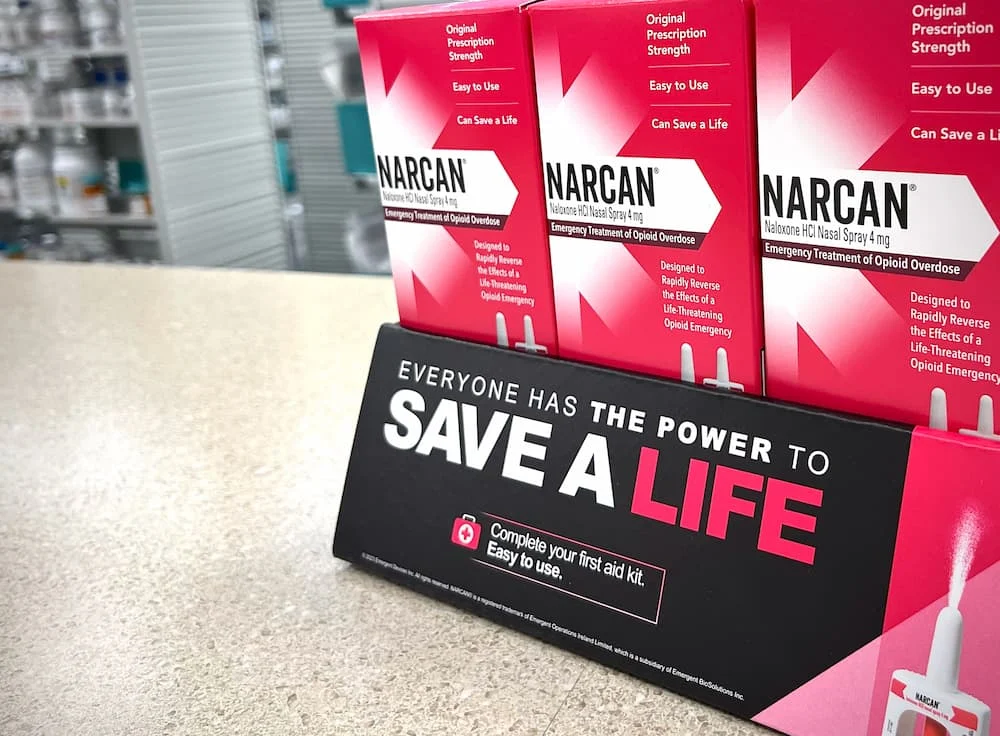
The forthcoming discussions are expected to delve into various facets of insurance coverage, particularly focusing on barriers that may impede access to life-saving treatments and overdose reversal agents. A key issue on the agenda involves the coverage of Narcan devices and other nasal spray devices designed to reverse opioid overdoses, specifically those caused by fentanyl, prescription opioids, and other illicit opioids. Dr. Matthew Sankey, the market regulation pharmaceutical manager at INS Companies—a firm providing support services to state insurance regulators—is among the experts preparing to brief the regulators. His presentation highlights common limitations and exclusions that currently affect patient access to these vital medications. For employers and benefits advisors, this development underscores the imperative to scrutinize pharmacy benefits closely, ensuring compliance with the federal Mental Health Parity and Addiction Equity Act and other state and federal mandates for substance use disorder parity.
The Enduring Challenge of Mental Health Parity
The federal Mental Health Parity and Addiction Equity Act (MHPAEA), enacted in 2008 and subsequently strengthened by the Affordable Care Act (ACA), mandates that if employers choose to offer coverage for mental health or substance use disorders, the financial requirements (like deductibles and co-pays) and treatment limitations (such as visit limits or prior authorization requirements) for these benefits must be no more restrictive than those applied to medical and surgical benefits. This principle of parity aims to eliminate discrimination against individuals seeking treatment for behavioral health conditions. For small employer plans, federal laws and regulations effectively necessitate the provision of behavioral health benefits that are comparable to other health benefits offered.
Despite MHPAEA’s existence for over a decade, consistent enforcement and full compliance remain significant challenges. Regulators, advocacy groups, and patients frequently report instances where insurers impose stricter hurdles for SUD treatments compared to physical health conditions. These disparities can manifest in various forms, including more burdensome prior authorization processes, higher co-pays, limitations on the duration or intensity of treatment, and restrictive formularies for SUD medications. The NAIC’s renewed focus on SUD medication coverage suggests an acknowledgment of these ongoing compliance gaps and a concerted effort to translate the spirit of parity into concrete, enforceable state-level regulations.
The NAIC’s Pivotal Role in Shaping State Regulations
The National Association of Insurance Commissioners (NAIC) serves as a crucial forum for state insurance regulators to coordinate their activities and develop model laws, regulations, and best practices. While the NAIC itself does not directly possess regulatory authority over individual insurance companies or the power to enact laws, its influence is profound. States frequently use NAIC-developed "models"—standardized language for bills, regulations, and guidance—as a foundational framework when crafting their own insurance laws. This collaborative approach ensures a degree of uniformity across state insurance markets, though states retain the autonomy to adapt or modify these models to suit their specific needs.
The NAIC’s structure includes various committees and working groups, such as the Prescription Drug Coverage Working Group and the Mental Health Parity and Addiction Equity Act Working Group, which are instrumental in identifying emerging issues, studying complex topics, and proposing solutions. Their decision to brief on SUD medication coverage signals that this issue has risen to a high level of priority among state regulators. Any model laws or guidance that emerge from these discussions could lead to significant changes in how states regulate insurance coverage for addiction treatment, potentially mandating specific coverage levels, streamlining authorization processes, or restricting certain types of exclusions.
However, the regulatory landscape is complex, particularly concerning health plans. The federal Employee Retirement Income Security Act (ERISA) largely prohibits states from regulating large employer-sponsored health plans and self-insured health plans. These ERISA-governed plans fall under the purview of the U.S. Labor Department’s Employee Benefits Security Administration (EBSA). Despite this federal preemption, actions taken by state regulators can still exert indirect influence. EBSA officials often monitor state regulatory developments and NAIC model laws as they consider their own enforcement priorities and guidance for ERISA-covered plans. Thus, tougher state rules, even if not directly applicable to self-insured plans, could set a precedent or inform federal regulatory thinking, potentially leading to broader impacts across the entire insurance market.
The Opioid Crisis: A Persistent Public Health Emergency
The backdrop to this regulatory push is the ongoing and evolving opioid crisis, which continues to devastate communities across the United States. For decades, the nation has grappled with rising rates of opioid misuse, addiction, and overdose deaths. While the crisis initially stemmed from the over-prescription of opioid painkillers in the late 1990s and early 2000s, it has since evolved through waves of heroin use and, most recently, the proliferation of potent synthetic opioids like fentanyl. According to the Centers for Disease Control and Prevention (CDC), overdose deaths involving opioids reached record highs in recent years, with fentanyl being a primary driver. Provisional data from the CDC indicates that over 107,000 drug overdose deaths occurred in the U.S. in the 12-month period ending January 2023, with opioids accounting for the vast majority.
The economic burden of the opioid crisis is staggering, encompassing healthcare costs, lost productivity, criminal justice expenses, and social services. The White House Council of Economic Advisers estimated in 2017 that the economic cost of the opioid crisis exceeded $500 billion annually. More recent analyses suggest this figure has only grown. In response, public health strategies have increasingly emphasized a multi-pronged approach that includes prevention, harm reduction (such as widespread naloxone distribution), and access to evidence-based treatment, particularly medication-assisted treatment (MAT). MAT, which combines medications like buprenorphine, naltrexone, and methadone with counseling and behavioral therapies, has been consistently proven to be the most effective treatment for opioid use disorder, significantly reducing relapse rates and overdose deaths. The push for tougher insurance rules for SUD medications is therefore not just about compliance with parity laws, but also a critical public health intervention aimed at combating a national emergency.
Scrutinizing Coverage for Life-Saving Medications
Dr. Matthew Sankey’s presentation to the NAIC working groups is expected to highlight a range of specific issues that raise questions about parity and access. The list of drugs under scrutiny is broad, encompassing everything from Nicorette gum, a smoking cessation aid that can address nicotine addiction, to Narcan spray devices, which are crucial for reversing opioid overdoses. Sankey stresses that regulators should evaluate several key aspects of insurer behavior: whether important SUD drugs are covered at all, whether insurers impose prior authorization requirements, and if they create "special obstacles" for patients seeking coverage.
Prior authorization, a common tool used by insurers to manage costs and ensure medical necessity, often becomes a significant barrier in the context of SUDs. While ostensibly designed to prevent misuse and ensure appropriate treatment, it can delay access to critical medications when timely intervention is paramount. Sankey notes that insurers might, for example, require patients to first try older or less expensive drugs—a practice known as "step therapy" or "fail first"—before approving coverage for the medication originally prescribed by a clinician. In other instances, insurers might impose arbitrary quantity limits on how much of a drug a patient can receive, regardless of clinical need.
The example of Narcan (naloxone) devices vividly illustrates these limitations. Even when insurers do cover Narcan, they may impose restrictions that undermine its life-saving potential. Sankey points out scenarios where insurers might:
- Skip mail-order delivery: This can be a significant hurdle for individuals in rural areas or those with limited mobility, delaying access to emergency medication.
- Restrict quantity: Limiting patients to, for instance, two boxes of devices every 180 days, may not be sufficient for individuals at high risk of repeated exposure or those needing to carry multiple doses.
- Require alternative rescue devices: Insurers might mandate trying other, potentially less effective or less user-friendly, rescue devices first, adding unnecessary steps and delays.
A recent development further complicates Narcan coverage: its availability over-the-counter (OTC) without a prescription. While this move aims to increase accessibility and public health readiness, some insurers are reportedly declining to cover OTC Narcan based on plan exclusions for over-the-counter items. This creates a paradox where a life-saving medication, made more accessible to the public, becomes a financial burden for individuals who may need it most, directly contradicting public health goals.
Drawing Parallels: Narcan vs. Epinephrine
To underscore the potential disparity in coverage, Sankey reportedly suggests a direct comparison between the coverage rules for Narcan devices and those for epinephrine auto-injectors (like EpiPens), which are used to treat life-threatening allergic reactions. Both are emergency, life-saving medications. If insurers impose fewer hurdles, broader coverage, and less restrictive quantity limits for epinephrine auto-injectors than for Narcan, it would strongly suggest a violation of parity principles. This comparison serves as a powerful metric for regulators to assess whether SUD medications are truly treated comparably to medications for other acute medical emergencies.
Stakeholder Perspectives and Inferred Reactions
The prospect of tougher rules for SUD medication coverage elicits varied reactions from different stakeholders:
- Patient Advocates and Public Health Experts: These groups would overwhelmingly welcome stricter regulations. They would likely argue that current barriers contribute to preventable overdose deaths and perpetuate the stigma associated with addiction. They would emphasize the evidence base for MAT and naloxone, advocating for seamless access, minimal prior authorization, and comprehensive coverage without arbitrary limits or "fail first" requirements. They might also push for mandatory coverage of OTC naloxone.
- Healthcare Providers and SUD Specialists: Clinicians treating SUDs would likely express relief, as current insurance limitations often interfere with their ability to provide optimal, evidence-based care. They would highlight how delays caused by prior authorization or restrictions on preferred medications can disrupt treatment continuity, increase the risk of relapse, and exacerbate patient frustration. They would stress the importance of clinical autonomy in prescribing the most appropriate medication without undue insurer interference.
- Insurance Industry Representatives: Insurers, while generally acknowledging the importance of parity, might voice concerns about the potential for increased costs and the need to manage formularies responsibly. They could argue that prior authorization and step therapy are necessary tools to prevent fraud, waste, and abuse, ensure cost-effectiveness, and guide patients towards clinically appropriate and affordable options. They might also emphasize the complexities of balancing patient access with overall plan sustainability and the challenge of covering OTC medications.
- Employers and Benefits Advisors: Employers, particularly those with self-insured plans, would need to pay close attention to both state and federal developments. While tougher rules could increase their benefits costs, they also offer the potential for improved employee health, reduced absenteeism, and a more productive workforce. Benefits advisors would be tasked with guiding employers through new compliance requirements and helping them design benefit plans that meet both legal mandates and employee needs.
Broader Impact and Implications
Should state insurance regulators move forward with tougher rules for SUD medication coverage, the implications could be far-reaching:
- Improved Patient Outcomes: Enhanced access to MAT and naloxone could lead to significant reductions in overdose deaths, lower relapse rates, and improved long-term recovery for individuals with SUDs. This would translate to better quality of life for patients and their families.
- Reduced Stigma: By ensuring that SUDs are treated with the same gravity and accessibility as other medical conditions, stronger regulations could further erode the stigma surrounding addiction, encouraging more people to seek help.
- Healthcare Cost Savings: While initial costs for broader coverage might increase, the long-term societal and healthcare savings from preventing overdoses, reducing emergency room visits, and decreasing the burden on the criminal justice system could be substantial.
- Regulatory Alignment: A stronger stance from state regulators, potentially codified in NAIC model laws, could create a more consistent regulatory environment across states, making it easier for multi-state employers and insurers to navigate compliance.
- Federal Influence: Even with ERISA preemption, a concerted effort at the state level could pressure federal regulators (EBSA, HHS) to strengthen their enforcement of MHPAEA for self-insured plans, leading to a more unified approach to parity across all types of health coverage.
- Challenges for Insurers: Insurers would need to revise their formularies, prior authorization protocols, and claims processing systems to comply with new mandates, potentially incurring administrative costs and needing to adjust premium structures.
- Employer Due Diligence: Employers would face an increased responsibility to audit their health plans, particularly their pharmacy benefits managers (PBMs), to ensure full compliance with the updated parity requirements.
The upcoming NAIC briefing represents a critical juncture in the ongoing effort to ensure equitable access to addiction treatment. By scrutinizing the intricacies of insurance coverage for SUD medications and challenging existing barriers, state regulators have an opportunity to significantly advance public health, reinforce the principles of mental health parity, and ultimately save lives in the face of a persistent national crisis. The discussions in Columbus, Ohio, could lay the groundwork for a new era of more comprehensive and accessible care for individuals battling substance use disorders.