In the rapidly evolving landscape of modern business, a critical misstep is emerging among leaders who are early adopters of artificial intelligence. Their most significant error is not a reluctance to embrace AI, but rather an over-reliance on its capabilities. This approach assumes that technology alone will automatically translate into enhanced leadership effectiveness. As organizations worldwide rush to integrate AI into their operational frameworks, a more nuanced understanding is proving essential: true leadership efficiency cannot exist without a robust human element. The most successful leaders, it appears, are those who recognize AI not as a replacement for human capabilities, but as a powerful amplifier. This perspective acknowledges that enduring success is forged at the intersection of technological precision and authentic human connection, a distinction between what AI can and cannot achieve.
The integration of AI into leadership practices has accelerated significantly over the past few years. A 2023 report by McKinsey & Company indicated that organizations are increasingly leveraging AI for tasks ranging from data analysis and predictive modeling to customer service and content generation. However, this widespread adoption has also brought to light the limitations of a purely technology-driven approach. Leaders who are effectively navigating this shift are those who understand that AI excels in specific domains, but falls short in areas that are fundamentally human.
AI Delivers Speed, Not Wisdom
Artificial intelligence is an unparalleled tool for processing vast amounts of data and identifying intricate patterns with remarkable speed. This capability allows leaders to gain rapid insights into market trends, operational efficiencies, and customer behavior. For instance, AI algorithms can analyze millions of sales transactions in seconds, pinpointing correlations that might take human analysts weeks to uncover. Companies like Amazon have long utilized AI for sophisticated recommendation engines and inventory management, demonstrating the power of AI in optimizing operations.
However, the ability to process information swiftly does not equate to making wise, forward-thinking decisions that inspire loyalty and foster a shared vision. Wisdom in leadership stems from a combination of experience, ethical consideration, foresight, and an understanding of human psychology – elements that AI, in its current form, cannot replicate. While AI can present data-driven probabilities, the ultimate decision to act, particularly in ambiguous or high-stakes situations, requires human judgment. The challenge for leaders is to harness AI’s analytical power without surrendering the critical thinking and intuitive reasoning that define effective decision-making.
Human Judgment Navigates Gray Areas
Effective leaders understand that AI-generated insights are valuable inputs, but not definitive directives. They recognize that the most complex challenges often reside in the "gray areas" – situations characterized by ambiguity, ethical dilemmas, and a lack of clear-cut answers. These are precisely the scenarios where human judgment, informed by experience, intuition, and a deep understanding of context, becomes indispensable.
Consider the ethical considerations surrounding AI deployment. While AI can identify potential biases in data, it cannot, on its own, adjudicate the moral implications of those biases or determine the most equitable course of action. Leaders must apply their ethical frameworks and understanding of societal values to guide AI’s application in sensitive areas, such as hiring, loan applications, or criminal justice. A 2024 study published in the Journal of Business Ethics highlighted that organizations with strong ethical leadership were more likely to implement AI responsibly, mitigating potential harms and building greater stakeholder trust. This underscores that the human element is paramount in navigating the complex moral terrain that AI introduces.
Inspiration Requires Authentic Connection
Motivation and inspiration are cornerstones of effective leadership, and these qualities are deeply rooted in human connection. While AI can assist in crafting compelling communications by analyzing audience sentiment and optimizing messaging, it cannot generate the authentic emotional resonance that inspires teams to go above and beyond. The personal touch, the genuine enthusiasm, and the empathetic understanding of individual struggles and triumphs are what forge strong bonds and foster a sense of shared purpose.
Leaders who leverage AI to enhance their understanding of team dynamics are wise to do so, but they must also invest time in direct interaction, active listening, and building rapport. A recent survey by Deloitte found that employees who feel a strong connection to their leaders and colleagues are more engaged and productive. This connection is built through face-to-face interactions, shared experiences, and a leader’s ability to convey a genuine belief in their team’s potential. AI can inform these interactions, but it cannot replace the human presence that makes them meaningful.
Empathy Can’t Be Automated
Empathy – the ability to understand and share the feelings of another – is a critical leadership trait, particularly in times of uncertainty or change. Forward-thinking leaders may use AI-powered tools to analyze behavioral data, identify potential signs of burnout, or gauge employee sentiment. These tools can provide valuable indicators, offering a data-driven perspective on team well-being.
However, true empathy goes beyond data analysis. It involves actively listening to concerns, offering support, and demonstrating genuine care. A leader’s ability to connect with an employee on an emotional level, to understand their unique challenges, and to respond with compassion is a uniquely human capacity. A 2023 report by the Harvard Business Review emphasized that empathetic leadership is increasingly correlated with higher employee retention and job satisfaction, especially in hybrid work environments where non-verbal cues can be harder to discern. AI can flag potential issues, but it is the human leader who provides the compassionate response that builds trust and psychological safety.
Consistency Builds Trust, Not Algorithms
Trust is the bedrock of any successful leadership relationship. While AI can be instrumental in tracking performance metrics, identifying bottlenecks, and highlighting areas for improvement, it cannot, by itself, build the trust that underpins a strong organizational culture. Trust is cultivated through consistent, reliable, and values-based actions. It is demonstrated through a leader’s integrity, their commitment to fairness, and their unwavering support for their team, especially during challenging times.
Leaders who use AI to monitor performance are wise to ensure that the data gathered is used transparently and constructively. The goal should be to support employee development and organizational improvement, not to create an environment of constant surveillance. When leaders act with integrity, communicate openly about performance expectations, and follow through on their commitments, they foster an environment where trust can flourish. This human element of reliability and principled action is far more potent than any algorithmic assurance.

Vision Emerges From Human Insight
The ability to articulate a compelling vision for the future is a hallmark of transformative leadership. Innovative leaders leverage AI for market analysis and trend forecasting, gaining a comprehensive understanding of the external landscape. AI can identify emerging technologies, predict shifts in consumer demand, and forecast economic conditions with increasing accuracy.
However, the translation of complex data into a meaningful, inspiring vision requires human insight and creativity. Leaders must connect these external trends to the aspirations, values, and potential of their people. They must paint a picture of what the organization can achieve, not just based on data, but on a deep understanding of human desires and motivations. A visionary leader inspires action by making the future feel not only probable but also desirable and achievable, a feat that requires human imagination and the ability to craft a narrative that resonates emotionally.
Cultural Understanding Transcends Data
Organizational culture is a complex tapestry woven from shared values, beliefs, norms, and interpersonal dynamics. While AI can analyze communication patterns, identify potential conflicts, and even predict team cohesion based on engagement metrics, it cannot fully grasp or navigate the intricate nuances of human interaction and organizational politics.
Responsible leaders use AI to gain a more objective view of team dynamics, but they must then apply their own interpersonal skills to foster a positive and inclusive culture. This involves understanding unspoken expectations, mediating interpersonal conflicts, building consensus, and fostering a sense of belonging. These are skills that are developed through experience, emotional intelligence, and a genuine commitment to understanding and supporting the diverse individuals within an organization. Cultural intelligence, the ability to understand and adapt to different cultural contexts within an organization, is a profoundly human capability.
Adaptability Requires Human Creativity
In today’s volatile business environment, adaptability is no longer a desirable trait but a necessity. Agile leaders rely on AI for real-time feedback and rapid analysis, enabling them to react quickly to changing circumstances. AI can monitor market shifts, identify performance deviations, and flag emerging risks with unprecedented speed.
However, adapting strategies effectively in response to this information requires more than just rapid analysis; it demands human creativity and flexible thinking. Leaders must be able to reframe problems, devise novel solutions, and inspire their teams to embrace change. While AI can identify problems, it is the human leader who conceptualizes innovative solutions that go beyond algorithmic responses. The ability to think critically, to experiment, and to learn from both successes and failures is a testament to the adaptive power of human ingenuity.
The Synergy of AI and Human Leadership
The leaders who are truly excelling in the age of AI are not making an either/or choice between technology and human skills. Instead, they are deliberately and strategically combining both to create leadership approaches that are both highly efficient and deeply effective. They use AI to eliminate guesswork and automate repetitive tasks, thereby freeing up their own time and cognitive resources. This allows them to focus on the distinctly human aspects of leadership that create lasting value: fostering loyalty, driving innovation, building resilient teams, and ensuring sustainable performance.
True leadership efficiency, therefore, is not solely about processing decisions at breakneck speed or optimizing workflows through automation. It is about achieving outcomes that endure, cultivating teams that are not just productive but also fulfilled, and shaping organizational cultures that attract and retain exceptional talent. AI can significantly enhance these outcomes by providing better data, streamlining processes, and offering predictive insights. However, it cannot, on its own, create the essential human elements that define true leadership success.
The "AI Leadership Edge" is not about becoming more technologically proficient at the expense of human qualities. Rather, it is about leveraging artificial intelligence to become more profoundly human. It’s about using technology to be more effective, not insufficient; more connected, not isolated; and more insightful, not merely reactive. This synergistic approach ensures that leaders remain at the heart of their organizations, guiding them with both analytical power and the irreplaceable qualities of human judgment, empathy, and vision.
Background and Broader Impact
The rapid advancement and increasing accessibility of AI technologies, from large language models to sophisticated predictive analytics platforms, have created a paradigm shift across industries. The initial enthusiasm for AI often centers on its potential for automation and efficiency gains, leading some leaders to view it as a panacea for complex organizational challenges. This has been fueled by numerous case studies and reports highlighting AI’s success in specific operational tasks, such as fraud detection in finance or personalized marketing campaigns in retail. For example, financial institutions have reported significant reductions in operational costs and improved accuracy in risk assessment by implementing AI-driven solutions. Similarly, the e-commerce sector has seen increased customer engagement and sales through AI-powered recommendation engines.
However, as organizations mature in their AI adoption, a more nuanced understanding of its role is emerging. The limitations of AI in areas requiring emotional intelligence, ethical reasoning, and complex contextual understanding are becoming increasingly apparent. This has led to a growing body of research and thought leadership, such as that provided by executive coaches and leadership consultants, emphasizing the enduring importance of human skills. The narrative is shifting from AI replacing human capabilities to AI augmenting them. This shift is critical for ensuring that AI adoption contributes to sustainable business growth and employee well-being, rather than leading to unintended negative consequences.
The implications of this evolving understanding are far-reaching. Organizations that successfully integrate AI while prioritizing human leadership are likely to develop more resilient cultures, foster greater innovation, and achieve higher levels of employee engagement and retention. Conversely, those that over-rely on technology may face challenges in maintaining employee morale, navigating ethical complexities, and adapting to unforeseen circumstances. The future of leadership, therefore, lies in the masterful integration of artificial intelligence and authentic human connection, creating a leadership model that is both technologically advanced and deeply human-centric.
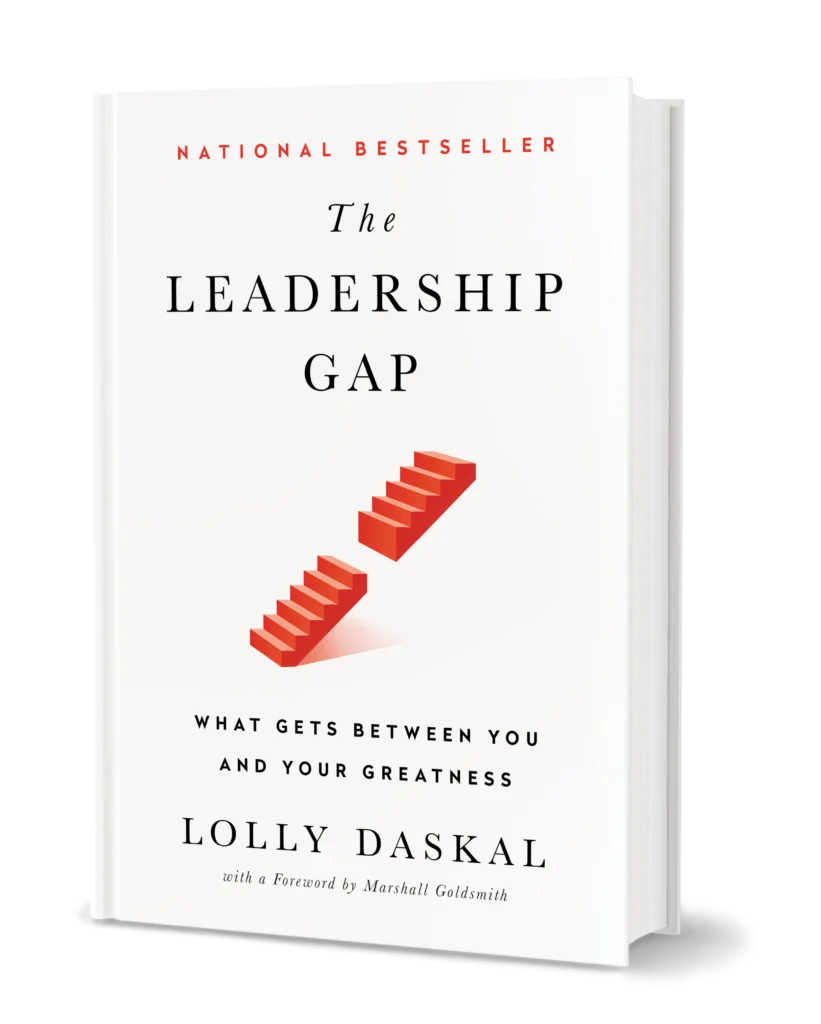
The Leadership Gap: A National Bestseller
Lolly Daskal’s national bestselling book, "The Leadership Gap: What Gets Between You and Your Greatness," delves deeply into the challenges executives face as they ascend in their careers. After decades of coaching influential leaders across the globe, Daskal observed a recurring pattern: many executives reach a plateau where their performance suffers, despite their prior successes. The book explores the underlying reasons for this phenomenon, emphasizing that while technical skills and strategic acumen can propel leaders to a certain level, it is often a deficit in certain foundational leadership traits that prevents them from reaching their full potential. Daskal’s work suggests that the "gap" is frequently bridged by cultivating self-awareness, emotional intelligence, and a commitment to continuous personal and professional growth – elements that AI cannot instill. The book offers practical insights and frameworks for leaders to identify and overcome these internal barriers, ultimately helping them to achieve sustained greatness.