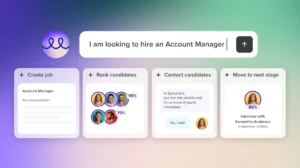
Last week, SAP launched a comprehensive enterprise AI architecture named "The Autonomous Enterprise," a move that CEO Christian Klein described as fundamentally positioning SAP as an AI company. This ambitious announcement, representing a significant strategic pivot for the enterprise software giant, aims to integrate artificial intelligence at the core of business operations, promising enhanced efficiency, deeper insights, and a transformed user experience. The initiative builds upon years of development in AI capabilities, including its Joule AI copilot and various data management layers, signifying a concerted effort to leverage AI for competitive advantage in the rapidly evolving enterprise software landscape.
Background: The Evolving Enterprise Software Landscape
The enterprise software market, dominated by giants like SAP, Oracle, and Microsoft, is undergoing a profound transformation driven by advancements in artificial intelligence. For decades, Enterprise Resource Planning (ERP) systems have been the backbone of large organizations, managing everything from finance and human capital to supply chains and manufacturing. SAP, with its extensive portfolio and deep industry specialization, manages an intricate web of business processes for a vast array of sectors. The challenge for these established players is to integrate cutting-edge AI technologies without alienating their existing customer base, which has invested heavily in their complex, deeply integrated systems. This announcement from SAP positions it to address this challenge by evolving its existing platform rather than attempting a complete overhaul.

The Autonomous Enterprise: A Three-Pillar Approach
"The Autonomous Enterprise" is built on three core pillars:
- A Unified AI Platform: This platform is designed for the construction, contextualization, and governance of AI agents. It provides the foundational infrastructure for developing and deploying intelligent automation and decision-making capabilities within SAP’s ecosystem.
- An Autonomous Suite: This suite encompasses a collection of AI-powered agents and applications that are intended to execute core business operations with minimal human intervention. The emphasis here is on automating complex tasks and proactively identifying and resolving inefficiencies.
- A Redefined User Experience: SAP aims to revolutionize how users interact with enterprise software through a more intuitive and intelligent interface, powered by AI agents that anticipate needs and streamline workflows.
Christian Klein, CEO of SAP SE, articulated the vision: "The Autonomous Enterprise includes a unified AI platform for building, contextualizing and governing agents, an autonomous suite that executes core business operations and a new user experience that redefines how people work with enterprise software." This statement underscores the integrated nature of the announcement, highlighting a holistic approach to AI adoption across the enterprise.
Deep Dive into SAP’s AI Capabilities
SAP’s strategy for "The Autonomous Enterprise" centers on the development and deployment of intelligent agents. These agents are designed to perform a wide range of tasks, from automating routine processes to providing sophisticated analytical insights. The company has announced over 224 agents and 51 assistants across its major business areas, with a significant focus on Human Capital Management (HCM) and financial operations.
Key Components of the AI Architecture
Underpinning "The Autonomous Enterprise" is a sophisticated AI architecture with several groundbreaking components:
- SAP Knowledge Graph: This is described as the "brains" of the system. It maps the thousands of business entities, structures, and rules within SAP into a semantic layer that AI agents can understand and query. This allows for contextual understanding of complex business questions, translating natural language queries into functional, data-specific requests. For example, asking about family leave policies would leverage the Knowledge Graph to access relevant HR data, policies, and procedures.
- SAP Tabular Data Model (SAP-RPT-1.5): This proprietary AI model is specifically optimized for analyzing and modeling tabular data, which forms the foundation of most business software. Unlike general-purpose Large Language Models (LLMs) that can struggle with complex spreadsheets, SAP-RPT-1.5 is designed to handle massive datasets, enabling users to find, analyze, and ask "what if" questions of their real-time business data. A public playground for this model is available, inviting data professionals to explore its capabilities.
- Joule AI Copilot and Joule Studio: Originally introduced as a chatbot, Joule has evolved into a more robust platform. The new Joule Studio serves as an enterprise-class development tool for designing, building, testing, integrating, and managing AI agents. This provides IT teams and SAP developers with a powerful environment to create custom agents tailored to specific business needs, potentially allowing for the redesign of existing SAP workflows from the ground up.
- AI Agent Hub: Addressing the critical need for governance, SAP’s AI Agent Hub provides a management system for AI agents. It supports both SAP-native and non-SAP agents, offering tools for controlling agent consumption, verifying their functionality, managing data connections, and coordinating inter-agent communication. This is crucial for preventing AI agents from acting erratically or compromising data security.
The "Autonomous" Vision: Automation vs. Redesign
While SAP’s messaging emphasizes "autonomy," the initial focus appears to be on sophisticated automation. The company’s extensive list of announced agents aims to streamline existing processes, identify and fix errors, and generate alerts or reports. For instance, in SuccessFactors demos, SAP highlighted agents that automate payroll processes and employee development tasks, finding glitches, generating materials, and targeting upskilling opportunities.
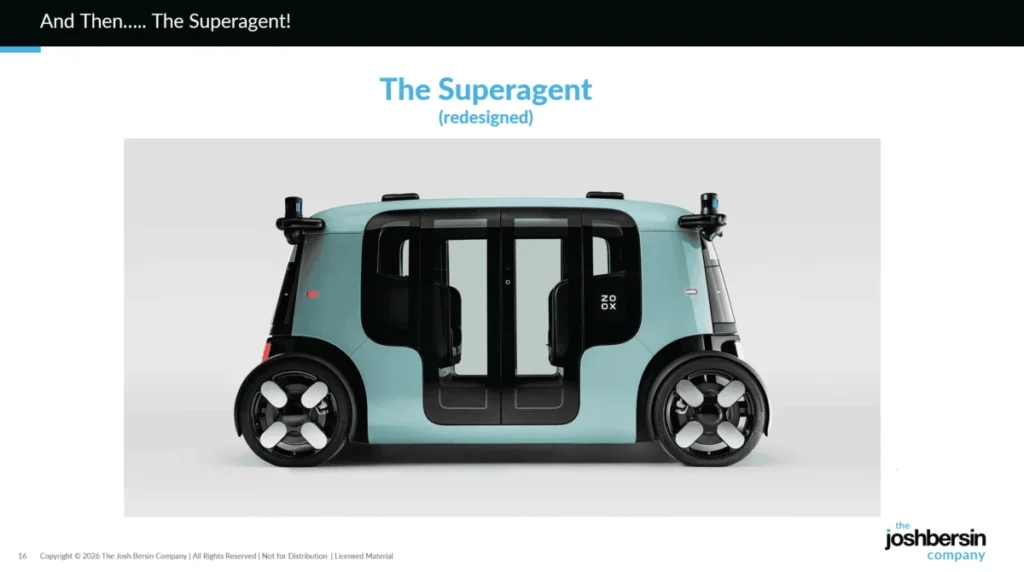
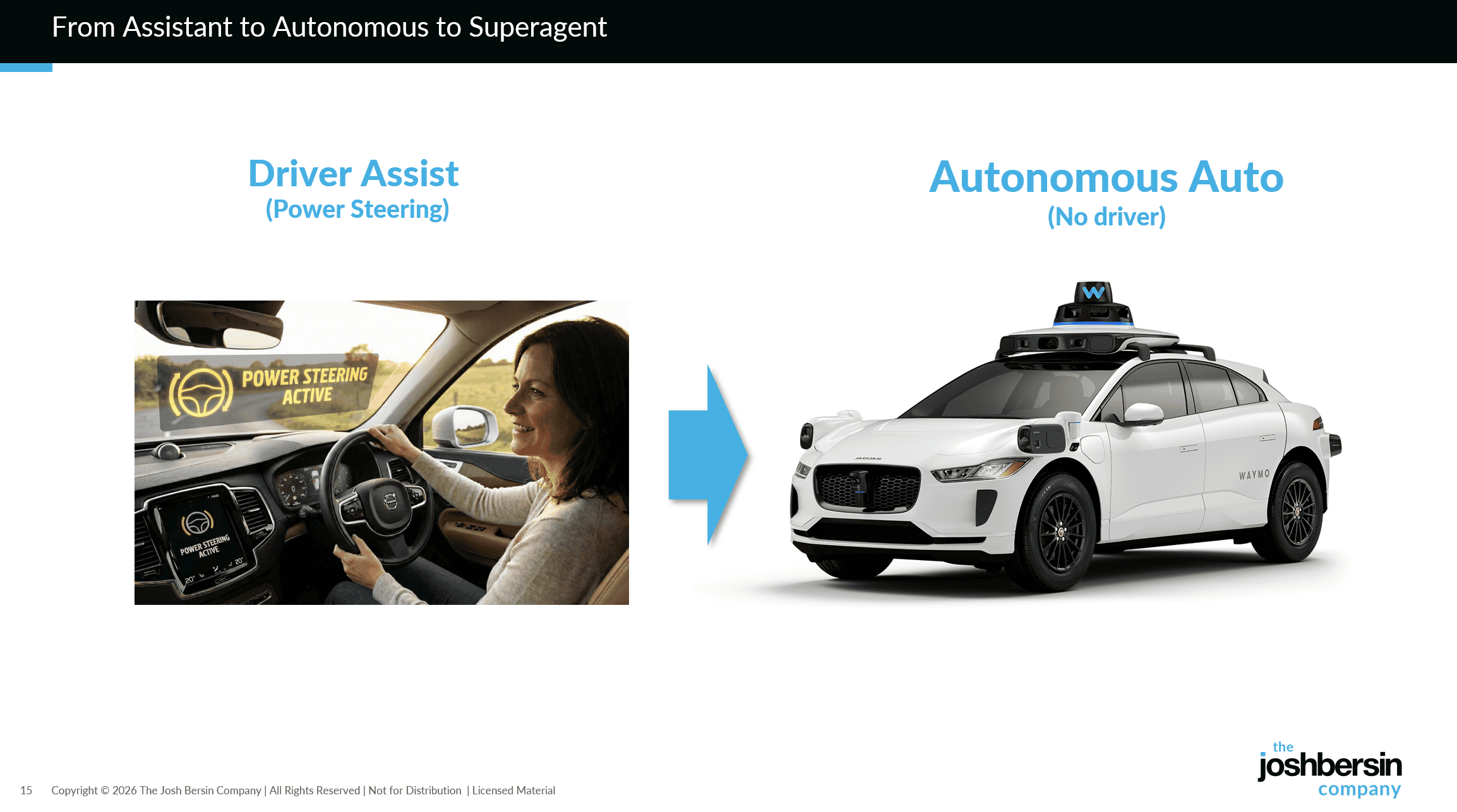
The author of the original article draws a parallel to the automotive industry, likening SAP’s current approach to "Waymo" – a self-driving car built on a traditional vehicle chassis. This means SAP is automating its existing processes, making them more efficient and less reliant on manual intervention. This is a significant value proposition, especially given the complexity of SAP systems. However, it is differentiated from a "Zoox" approach, which would involve a complete redesign of the "automobile" (in this case, the business process itself) to optimize the user experience and operational flow from the ground up. SAP’s strategy is to automate the existing "as-is" state, rather than fundamentally changing how things are done, at least in this initial phase.
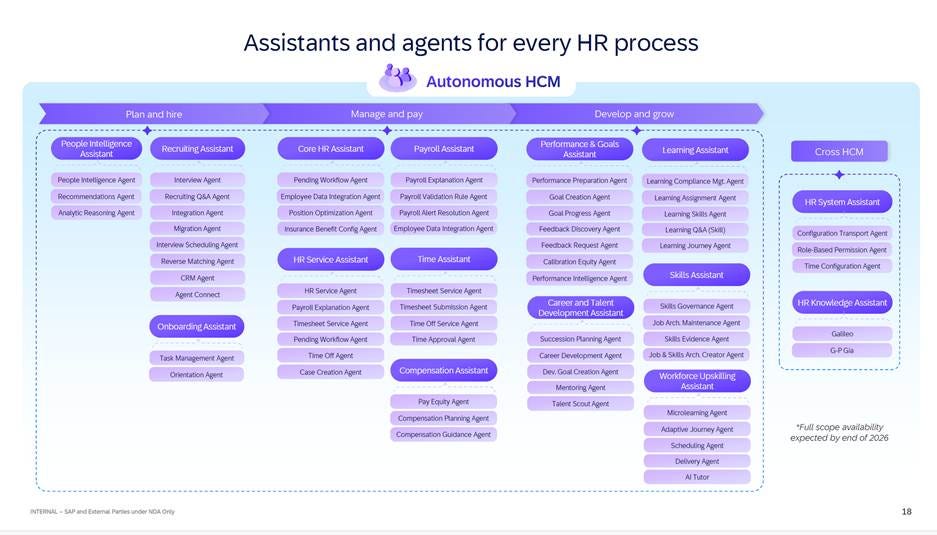
However, the potential for deeper transformation is present. The author posits that as users and developers become more adept with Joule Studio, they could leverage the platform to "redesign SAP" by building custom agents that create entirely new, personalized workflows. For example, a company could build a highly customized onboarding agent that goes beyond SAP’s standard offering, incorporating unique role pathways and development plans.
The Strategic Implications for SAP and its Customers
SAP’s pivot towards becoming an "AI company at its core" is a strategic imperative in the current technology landscape. The traditional SaaS model, heavily reliant on seat licenses, is facing disruption from AI-powered solutions that promise outcome-based pricing and greater efficiency. SAP’s strategy aims to leverage its deep industry knowledge and extensive customer base to navigate this transition.
From Legacy Systems to AI-Powered Platforms
The notion of a "SaaS Apocalypse," where startups with AI coding capabilities render legacy systems obsolete, is largely dismissed by SAP CEO Christian Klein, echoing sentiments from other enterprise software leaders like Workday’s Aneel Bhusri. Instead, SAP’s approach is to "re-engineer its decades of R&D" and transform its existing ERP and HCM systems into AI applications. This strategy is designed to retain its massive customer base, who have significant investments in SAP’s integrated solutions.
The benefits for customers are multifaceted:
- Enhanced Operational Efficiency: AI agents can automate time-consuming tasks, reduce errors, and optimize workflows across various business functions, from finance and HR to supply chain and customer service.
- Deeper Business Insights: The integration of AI, particularly with the Knowledge Graph and tabular data models, allows for more sophisticated analysis of complex business data, leading to better-informed decision-making.
- Improved User Experience: Joule provides a more natural and interactive way for users to access information and perform tasks, reducing the learning curve and increasing productivity.
- Potential for Process Innovation: While the initial focus is on automation, the underlying platform capabilities in Joule Studio offer the potential for customers to redesign and innovate their business processes through custom agent development.
The Future of Enterprise Software: Consumption and Outcomes
SAP’s financial model is expected to shift towards consumption-based and outcome-based pricing, aligning with the evolving demands of the market. This move signifies a departure from traditional seat licenses and reflects a commitment to delivering tangible business value through AI-driven solutions.
The company’s vision of embedding execution into agents that work across the entire suite means that customers will interact less with static workflows and more with intelligent agents that can decide, recommend, escalate, and act. This promises a more dynamic and responsive enterprise environment.

Broader Industry Context and Future Outlook
SAP’s announcement places it in direct competition with other major enterprise software vendors like Workday and ServiceNow, who are also investing heavily in AI and agent-based architectures. Workday’s development of its Sana layer and ServiceNow’s introduction of its "Otto" AI agent are indicative of a broader industry trend towards intelligent automation and contextual understanding.
The success of SAP’s "The Autonomous Enterprise" will hinge on several factors:
- Effective Agent Development and Deployment: The ease with which customers can build, deploy, and manage agents using Joule Studio will be critical.
- Robust AI Governance: Ensuring the security, compliance, and ethical use of AI agents through the AI Agent Hub will be paramount.
- Demonstrable ROI: Customers will expect to see tangible benefits and a clear return on investment from their adoption of these AI capabilities.
- Evolution Beyond Automation: While automation is a strong starting point, SAP’s ability to foster process redesign and truly transform business operations through its AI platform will determine its long-term impact.
The company’s extensive experience in managing complex business data and processes, coupled with its vast customer base, provides a strong foundation. If SAP can effectively translate its deep industry knowledge into intelligent agents that deliver measurable value, it is well-positioned to not only maintain its market leadership but also to reinvent and reinvigorate its growth in the age of artificial intelligence. The journey from "driver assist" to "autonomous driving" for enterprise software is underway, and SAP’s "Autonomous Enterprise" is a significant step in that direction.