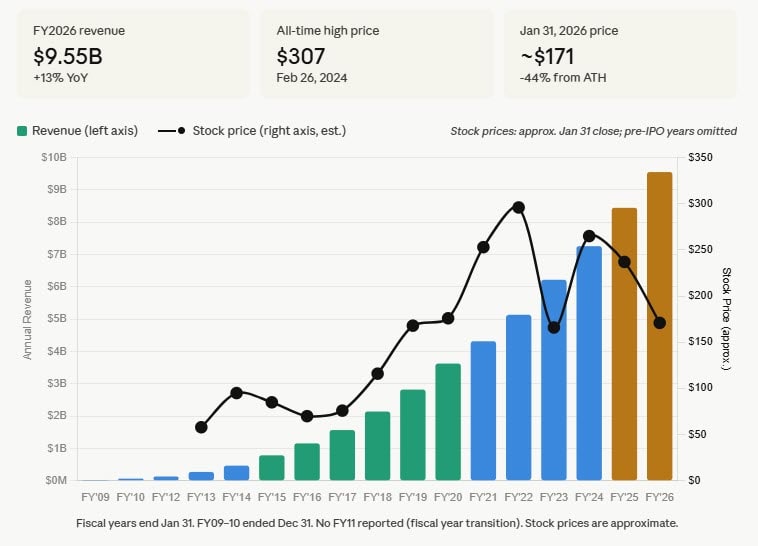
Workday, a long-standing innovator in cloud-based finance and human resources enterprise applications, has launched a comprehensive strategy to navigate the rapidly evolving landscape of artificial intelligence. The company’s recent unveiling of its future roadmap signals a significant pivot, integrating nearly $3 billion in strategic acquisitions, a refreshed executive leadership team, and a redefined role for Workday within the burgeoning world of AI agents. This strategic repositioning aims to transform Workday’s foundational "system of record" into a robust platform for intelligent automation and agent-driven business processes.
A Pioneer’s Pivot: Addressing the AI Imperative
Workday’s journey began in 2008 with a groundbreaking cloud-native platform that revolutionized enterprise software. At a time when businesses were largely reliant on outdated on-premise client/server systems, Workday introduced a novel architecture featuring an object-oriented database, an integrated security and business rules engine, and an intuitive user interface. This "Power of One" philosophy – a single, unified system for HR and finance built on a future-proof architecture – fueled rapid growth. The company successfully captured a significant market share, serving over 11,500 customers, including more than 30% of the Fortune Global 2000, and impacting over 75 million end-users.
However, as the artificial intelligence revolution gained momentum, Workday, like many established enterprise software providers, faced the challenge of adapting its core offerings. Aneel Bhusri, co-founder and former CEO, acknowledged this during recent discussions, noting a perceived drift from the company’s initial startup dynamism and a lack of a clear AI strategy. This recognition prompted Bhusri’s return to the CEO role in 2024, succeeding Carl Eschenbach, to spearhead a company-wide reinvention. This strategic shift is underpinned by a clear vision: to transform Workday from a mere system of record into a dynamic platform that powers the next generation of AI agents.

Transforming the System of Record into a Platform for Agents
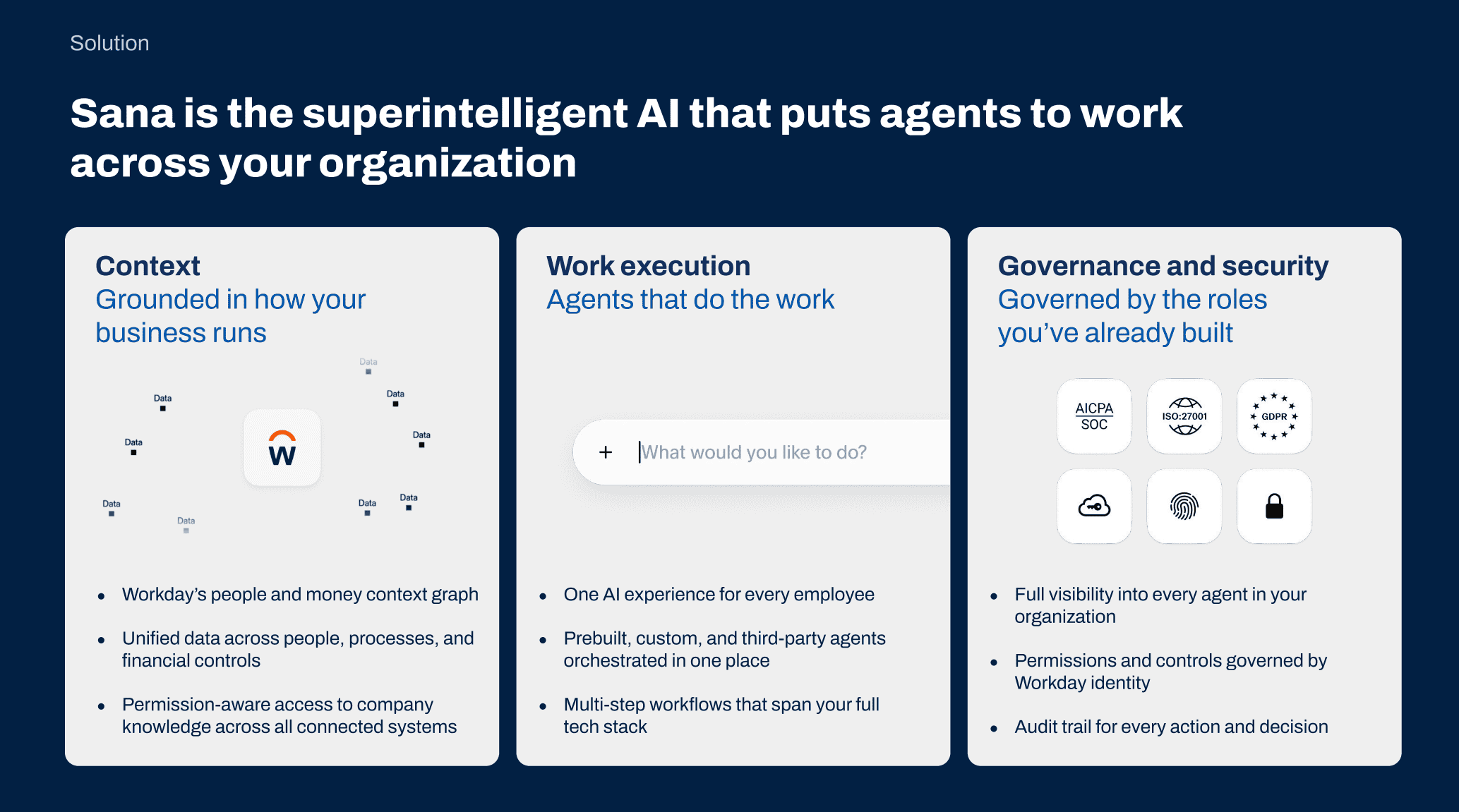
The central question Workday is addressing is its relevance in an era where easily deployable AI agents are becoming commonplace. The company’s compelling answer is to leverage its established strengths – data integrity, robust security, and complex business rules – to become the essential infrastructure for these agents. By unlocking the vast datasets and operational logic embedded within its platform, Workday aims to enable the scalable, secure, and efficient development and deployment of AI agents. These agents, operating within Workday’s established "rails," benefit from inherent compliance, security, and policy enforcement, mitigating the risks and complexities of building such capabilities from scratch.
This new positioning is built upon five core pillars:
Pillar 1: AI as a Complement, Not a Replacement, for Enterprise Software
Workday asserts that artificial intelligence, while powerful, cannot independently manage critical enterprise functions such as payroll processing, financial closings, employee onboarding, or segregation of duties enforcement. These tasks necessitate deterministic rules, established approval workflows, and deeply embedded data models honed over years of operational experience. Workday’s approach emphasizes a fusion of probabilistic AI reasoning with deterministic execution, creating an enterprise-grade AI solution. The company argues that standalone agent platforms, reliant on extracted enterprise data, are fundamentally incomplete without the underlying structure and governance provided by a system like Workday. This perspective draws parallels to the reliance of autonomous vehicles on established road infrastructure, traffic laws, and power grids, highlighting the necessity of a robust foundation for advanced technology to thrive.
Pillar 2: Workday’s "Rails" as the Foundation for Enterprise AI
The intricate configuration and business process framework within Workday encapsulate a company’s unique policies, approval hierarchies, compliance mandates, and organizational structures. These "rails" are, in essence, the codified operational DNA of an organization. An AI agent operating independently of this framework risks generating outputs that may appear reasonable but could violate critical compliance requirements. Workday’s strategy is to route agent actions through these existing configurations, ensuring that agents operate within lawful and policy-compliant parameters by default. This approach advocates for leveraging existing, proven infrastructure rather than embarking on the complex and potentially risky endeavor of rebuilding such foundational elements.
Pillar 3: Productizing Governance and Agent Management
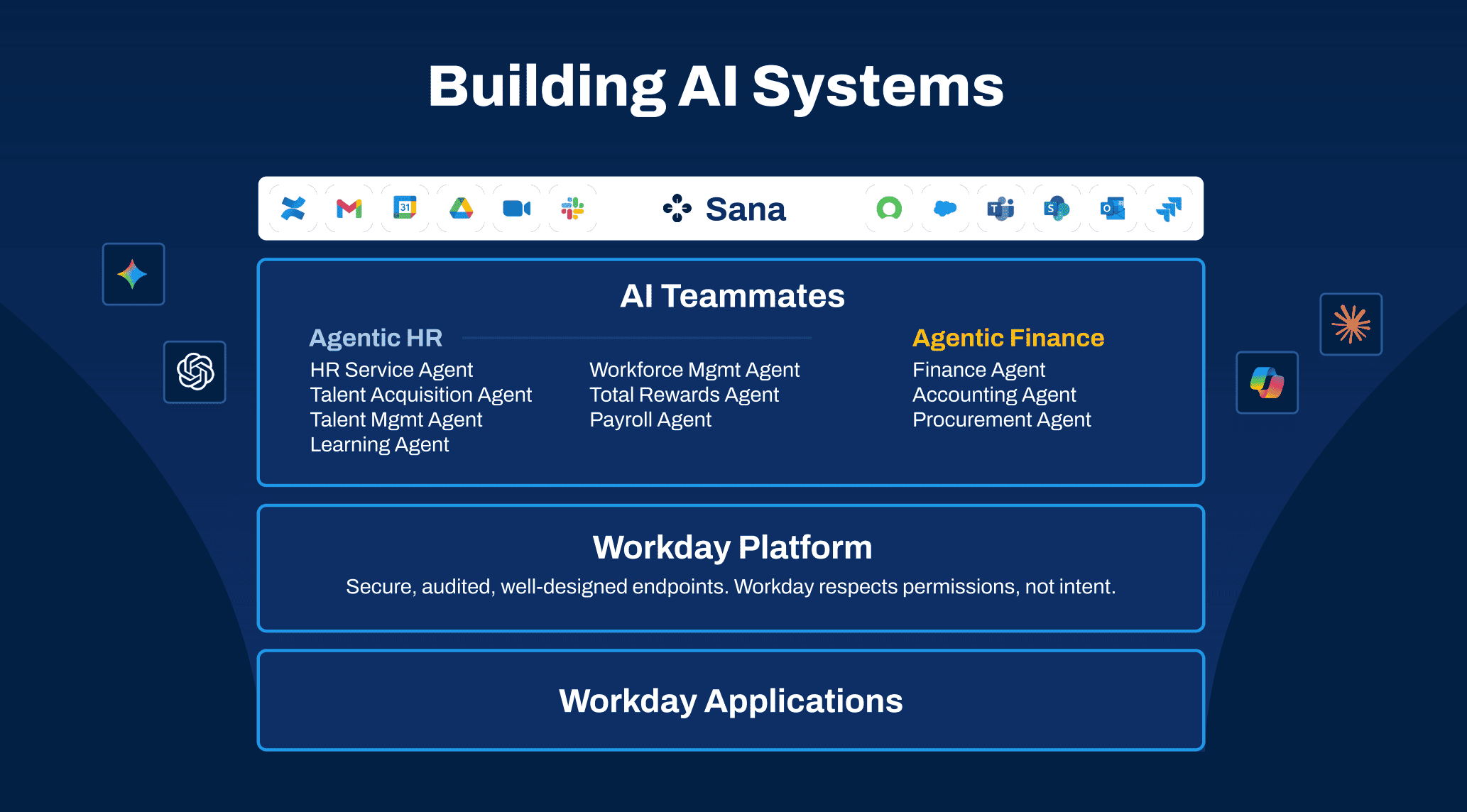
Workday recognizes that as AI agents become ubiquitous, their management, governance, and security will be paramount. The company is positioning its agent management tools as a critical component of its future infrastructure. Agents, much like human employees, will be treated as first-class entities with distinct identities, defined skill sets, scoped authorizations, and auditable trails. Key initiatives include the "Agent System of Record," which already supports over twelve hundred customers in registering and monitoring agents, a new standards-based access and privilege management system, and a unified gateway for both internal and external agents. These offerings aim to provide enterprise-grade trust infrastructure to manage the inevitable sprawl of AI agents, a domain where competitors like ServiceNow and Microsoft are also actively developing solutions.
Pillar 4: The Sana Integration: A Unified and Liberated User Experience
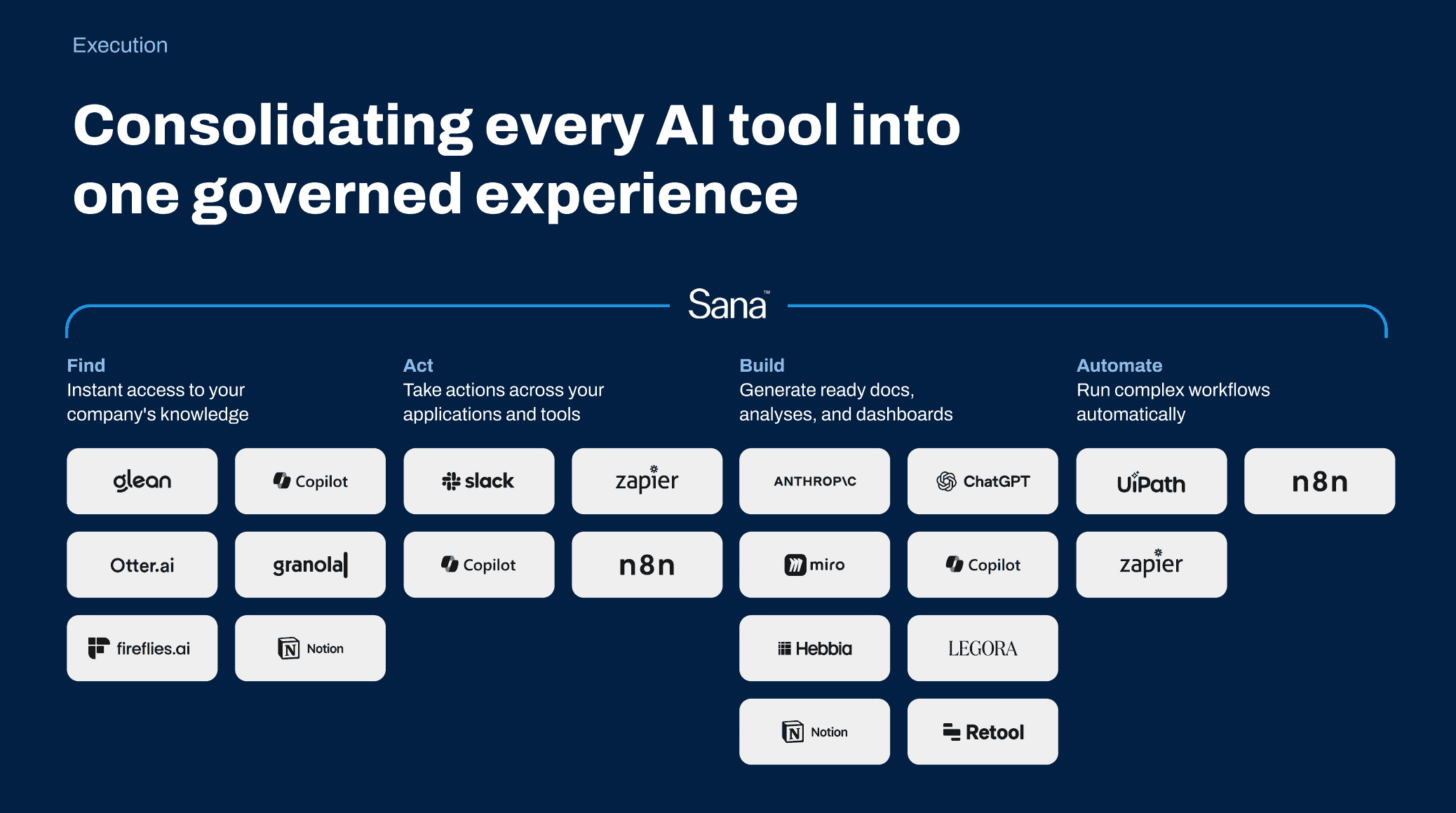
The integration of Sana, a dynamic learning platform, is central to Workday’s new user experience strategy. Sana is now the default front door for Workday, available to all customers and offering extensibility beyond Workday’s ecosystem to platforms like Salesforce, Slack, Microsoft Teams, and SharePoint. This positions Sana as a direct competitor to emerging front-door agents like Microsoft Copilot. Workday envisions Sana as the singular enterprise application employees will need to learn, functioning simultaneously as an agent development studio and a learning surface. The platform’s AI-native learning capabilities extend beyond traditional training to encompass global employee enablement and significant productivity gains, a potential opportunity that Workday is actively exploring.
Pillar 5: Outcome-Aligned Commercial Models for Accelerated Growth
Shifting away from traditional per-seat licensing, Workday is transitioning to a hybrid model that combines seat-based licensing with consumption-based pricing, utilizing "Flex Credits." This new commercial framework directly aligns Workday’s revenue with customer outcomes, such as business growth and productivity improvements. Metering API calls for external platform integrations also ensures that Workday captures revenue from its platform’s utilization, a move away from a model where such usage was largely uncompensated. This represents a significant departure from the "old world" of fixed licensing, positioning Workday as an "Agentic Business Platform" that delivers value based on actions performed rather than employee headcount.
Addressing the "Build from Scratch" Mentality
The proliferation of accessible AI development tools has led some organizations to consider rebuilding their enterprise systems, including HR and finance functionalities, from the ground up. Workday’s response to this "build from scratch" approach is firm: such endeavors often result in costly, fragile "shadow ERPs" that lack the unified data models, integrated configuration systems, and robust compliance machinery of established platforms. The agents developed in these fragmented environments, Workday argues, are inherently "lawless," prioritizing task completion over adherence to corporate rules and policies, thereby introducing significant risk and ultimately necessitating the integration of existing security and workflow tools.
Navigating a Multi-Agent Future
Workday acknowledges that organizations will increasingly operate with a diverse array of AI surfaces, including platforms like Microsoft Copilot, Anthropic Claude, Gemini Enterprise, and Salesforce Agentforce, alongside custom-built internal agents. The company’s strategy accommodates this reality by establishing an "Agent Gateway." This gateway, leveraging open standards, allows external agents to interact with Workday, delegate tasks to Workday agents, or call Workday APIs directly. Crucially, when an agent needs to interact with regulated workflows, financial transactions, or personnel data, the reasoning and execution hand off to Workday, ensuring that critical business processes remain governed by established policies and security protocols. The ease of developing Workday Extend applications, now significantly enhanced by Sana’s developer tools, is expected to foster broader adoption and innovation within the Workday ecosystem.
Enhancing Agility: Dynamic Reconfiguration and Continuous Delivery
Traditionally, cloud systems have been criticized for slow product release cycles. Workday is addressing this by introducing significant enhancements to its platform’s agility. The new UX and Sana integration empower customers to extend Workday and register agents more readily, eliminating the need for lengthy waiting periods. Furthermore, the introduction of the "Deployment Agent" represents a transformative leap in system testing, configuration, and deployment. This dynamic system enables customers to implement changes in days, rather than weeks or months, and significantly reduces reliance on expensive system integrators. This accelerated deployment capability, coupled with a move towards more continuous releases, drastically lowers the cost of ownership and implementation, potentially disrupting the traditional Workday SI partner ecosystem.
Analysis: A New Era of Energy and Strategic Focus
The recent announcements signal a profound shift for Workday, driven by several key factors:
1. The Founder’s Return: Rekindling Energy and Strategic Clarity
The return of Aneel Bhusri to the CEO role has injected a palpable sense of renewed energy and strategic focus into the organization. Drawing parallels to leadership comebacks at Apple and Starbucks, Bhusri’s deep understanding of both technology and the Workday market is proving instrumental in defining the company’s next chapter. This revitalization extends to the executive team, with a new "General Manager" model implemented for product areas, sharpening accountability for AI initiatives. This focused approach, including the consolidation of numerous agent projects into a more manageable portfolio, signifies a return to the company’s innovative startup culture. This strategic centralization of AI efforts mirrors similar moves by tech giants like Microsoft, which recently consolidated its Copilot engineering strategy.
2. Leading Agentic Transformation in HR and Finance
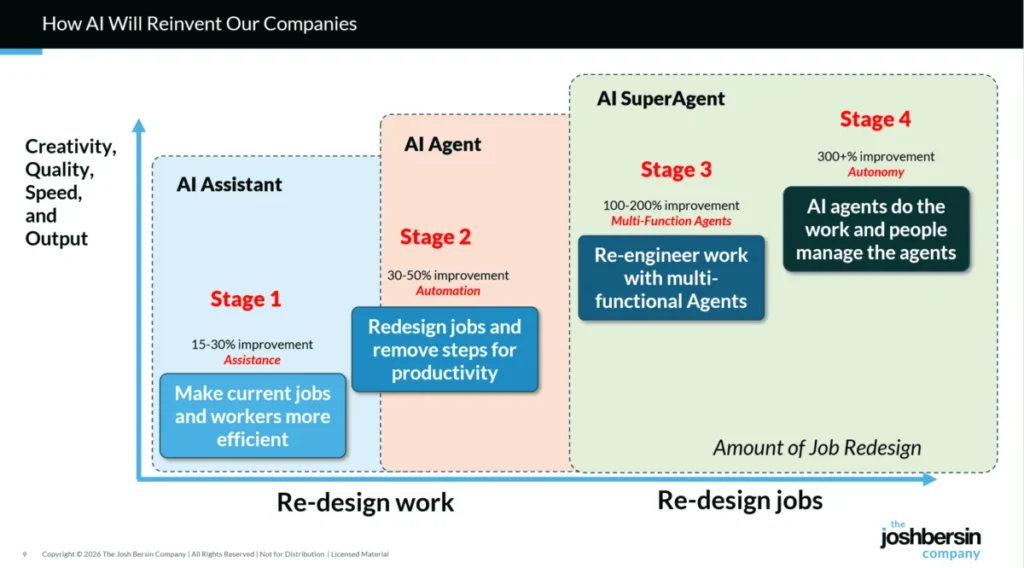
Workday’s strategic acquisitions of Paradox and Sana, leaders in AI for recruiting, agents, and learning, position the company to lead the charge in agentic HR and finance transformations. These acquisitions bring seasoned leadership and deep expertise in developing sophisticated agentic applications. Workday is now poised to showcase how these advanced agents can not only embrace the future of work but also leverage existing enterprise infrastructure. This proactive approach allows Workday to guide businesses toward redefining operational paradigms through intelligent automation and agent-driven workflows. The company’s research indicates that while "agentifying" existing workflows offers incremental benefits, the true ROI emerges from "Stage 3 agents" that automate entire workflows, fundamentally altering job functions and processes.
3. Sana and Paradox Drive New Leadership and Product Velocity
The integration of Sana and Paradox brings in entrepreneurial leaders who are now tasked with driving significant product innovation. Adam Godson, CEO of Paradox, now leads Workday’s entire talent acquisition platform, including its ATS and intelligence systems. Joel Hellermark, CEO of Sana, now oversees Workday’s learning platform and AI layer. Operating as General Managers, these leaders are accountable for product strategy, revenue, and customer support, fostering a level of product vision and velocity previously unseen in more integrated product groups. The rapid evolution of the talent acquisition and corporate learning markets, highlighted by recent acquisitions and valuations in the sector, underscores the significant potential of Workday’s strategic investments in these areas.
4. Defining the Future of Enterprise AI Infrastructure
Workday has an opportunity to establish itself as a thought leader in defining enterprise AI architecture. The current landscape is characterized by complex questions surrounding agent design, orchestration, information segmentation, and inter-agent communication. As organizations grapple with the challenges of managing numerous AI agents, Workday’s established role as a "system of record" positions it to provide the necessary governance, security, and workflow orchestration. While competing with major players in the AI space, Workday’s deep roots in ERP and HCM provide a unique advantage in shaping how enterprise AI architectures should evolve, from intelligent LLMs and semantic layers to agent code and runtime trust mechanisms.
5. Addressing Context and Semantic Layer Challenges
Joel Hellermark’s assertion that "everyone is ignoring the big boring problem of bad context" resonates deeply with Workday’s strategic direction. The company recognizes that true value in AI stems from context, and the trustworthiness of AI agents is directly linked to the quality of the data and semantic understanding they possess. Workday’s investment in its Data Cloud, extending beyond raw data to encompass crucial business semantics like skills models, cost centers, and career paths, demonstrates a sophisticated understanding of AI’s operational requirements. This focus on knowledge graphs and context engineering, rather than solely on larger models, positions Workday as an AI-native organization rather than a transactional vendor.
Conclusion: A Turning Point for Workday
The recent announcements and leadership changes at Workday represent a significant turning point for the company. With a clear strategy, a revitalized leadership team, and a focus on enabling customer and partner participation in the business agent revolution, Workday is poised for reinvention. The immediate impact of products like Sana and Paradox, coupled with enhanced enterprise AI management tools, is expected to drive new revenue growth. Workday’s commitment to facilitating dynamic system testing and reconfiguration in near real-time further solidifies its position as an innovator ready to lead the next wave of enterprise software evolution. The company’s strategic pivot marks an exciting new chapter, with a clear trajectory towards enabling a more intelligent, automated, and efficient future for businesses worldwide.