
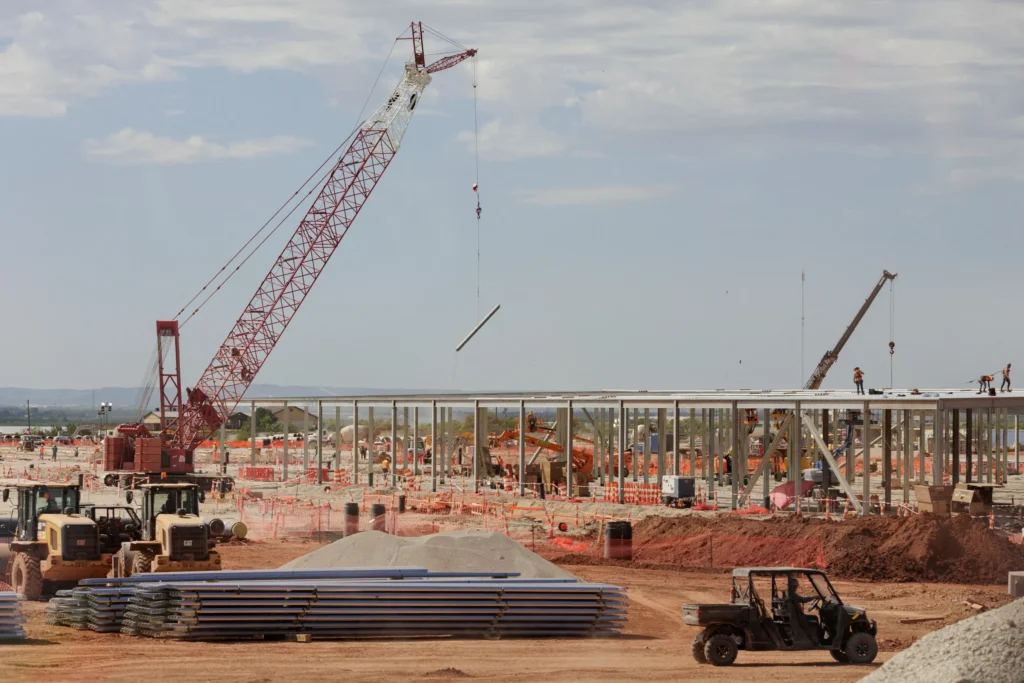
Data centers across the central United States have submitted electricity requests that collectively rival the power needs of every household in the nation, a staggering figure that much of the demand may be an illusion. This burgeoning challenge, fueled by the relentless growth of artificial intelligence and cloud computing, has prompted a nationwide re-evaluation of how these energy-intensive facilities are integrated into the existing power infrastructure. In a significant move to confront this complex issue, Texas, a leading hub for data center development, has become the first major state to impose a moratorium on new grid connections for these facilities, initiating a thorough investigation into their energy consumption plans. This proactive step by Texas mirrors similar efforts unfolding across other U.S. states as regulators and policymakers grapple with the intensifying problem of grid capacity and reliability.
A comprehensive review of utility and grid operator data, conducted by Reuters, has revealed that electricity requests from very large power users, predominantly data centers, now exceed 700 gigawatts in portions of the Midwest, Mid-Atlantic, and the South. This figure is more than ten times the industry’s current estimates of actual U.S. data center power consumption, underscoring a significant discrepancy between projected needs and realized demand. Consumer advocates and regulatory bodies have long voiced concerns that many of these colossal electricity requests are likely to be duplicative, submitted by companies lacking the financial backing or technical expertise to bring their projects to fruition, or simply speculative bids to secure power in a rapidly expanding market. Such practices, they argue, threaten to derail crucial grid planning efforts, jeopardizing the nation’s ability to maintain a stable and reliable power supply.
The validity of these warnings is increasingly being borne out. As utilities begin to implement stricter financial safeguards, such as requiring substantial upfront payments for grid connection studies and infrastructure upgrades, significant portions of the projected data center demand have begun to recede. This recalibration is forcing a more realistic assessment of future energy needs and prompting action in data center hotspots like Texas, Pennsylvania, and Ohio. These states are now enacting new regulations designed to filter out speculative projects that could inflate energy costs and provoke public outcry without ever materializing, thereby safeguarding grid stability and consumer interests.
"When you don’t know what is real, you really don’t know how to build the infrastructure for it," stated Thomas Gleeson, Chairman of the Texas Public Utility Commission, at an industry conference in March. His remarks highlight the fundamental challenge faced by grid operators: planning for infrastructure development requires a clear understanding of actual, rather than speculative, demand.
The AI Boom and the Energy Equation
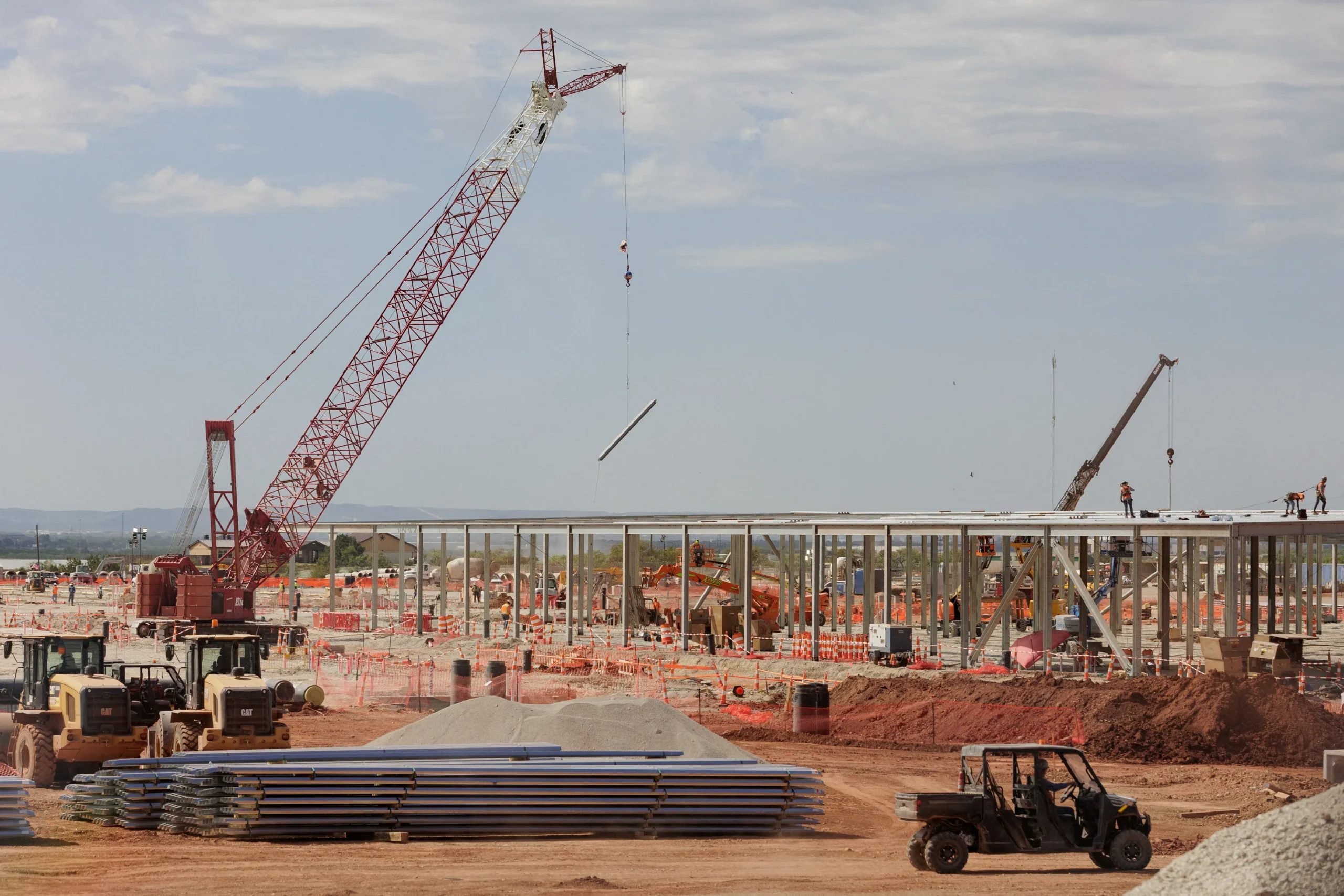
The current surge in data center electricity demand is intrinsically linked to the explosive growth of artificial intelligence. With Big Tech companies projecting over $700 billion in planned AI data center spending this year alone, there has been a rush by both established companies and landowners with access to power or grid connections to capitalize on this unprecedented boom. The primary bottleneck in this expansion is securing the massive amounts of electricity required to power these sophisticated facilities.
In Texas, the situation has become particularly acute. Since 2023, requests from data centers and other large energy consumers to connect to the state’s grid have skyrocketed from approximately 48 gigawatts to over 474 gigawatts, according to data from the Electric Reliability Council of Texas (ERCOT) and Governor Greg Abbott’s office. This dramatic increase has positioned Texas as one of the fastest-growing regions globally for AI and cloud server warehouses, by some measures.
Beyond Texas, the impact is being felt nationwide. In ten of the largest U.S. utilities operating in the Midwest, Mid-Atlantic, and the U.S. South – including prominent names like AEP Ohio, Southern Co., and PPL – data center electricity demand requests have reached approximately 270 gigawatts. This figure emerges from a review of the latest quarterly earnings calls where these utilities discussed their investor outlooks.
The lack of a standardized reporting mechanism for electricity requests from data centers by utilities contributes to the confusion. Some utilities disclose only projects that have secured signed contracts, while others aggregate inquiries from projects that lack firm commitments. This inconsistency makes it challenging to discern genuine demand from speculative interest.
The Impact of Financial Safeguards and Regulatory Scrutiny
When states and utilities have implemented closer scrutiny and more stringent requirements, such as mandating large upfront deposits for grid connection studies, the projected data center demand has often seen a significant reduction. This pattern suggests that a substantial portion of the initial requests were indeed aspirational rather than concrete plans.

"The entities that rushed into the space, because there was a sort of pot of gold, are maybe now learning the hard way just how difficult some of this is to actually construct and bring online," observed Daniel Farris, an attorney at Foley & Lardner, who advises data center developers and hyperscalers – major technology firms like Amazon, Alphabet’s Google, and Microsoft that operate vast data center networks.
The consequences of these financial guardrails are already evident. Chicago-based Exelon, a major energy provider, recently reduced its tally of high-probability data center demand by approximately 40%, bringing it down to 11 gigawatts. This adjustment followed the company’s implementation of stricter collateral requirements for new projects. Similarly, in Ohio, electric utility AEP Ohio witnessed its data center power demand pipeline shrink by more than half after the state adopted new rules last year. These regulations included grid connection study fees for data centers, some as high as $100,000, which helped to filter out less committed proposals.
Tyson Slocum, director of the Energy Program at the consumer advocacy group Public Citizen, articulates the broader risk associated with this uncertainty. He warns that utilities might either under-build their capacity, thereby threatening the stability of the grid, or overbuild to accommodate projects that never materialize. In either scenario, the financial burden of such miscalculations could ultimately fall on average American consumers.
"I think part of what (Texas) is trying to do is to create some order, and impose some transparency, on an industry that in much of the country is still like the Wild West," Slocum commented, underscoring the need for greater clarity and accountability.
The sheer volume of electricity requests from proposed data centers has already begun to impact costs in the PJM Interconnection, the nation’s largest regional transmission organization, which manages the power grid for 13 states, including the heavily concentrated "Data Center Alley" in Virginia. According to grid monitor Monitoring Analytics, the growth in both existing and projected data center demand has contributed to a substantial $29.4 billion increase in capacity costs for homes and businesses within the PJM footprint over the past four major auction cycles that determine these prices.
Even after utilities revise their demand forecasts downward following stricter vetting processes, they are frequently left with a significant volume of substantiated data center requests that still strain already tight power supplies.

"The reality is that the load is showing up, and generation is not at the pace we need it to," acknowledged PJM spokesman Jeff Shields, emphasizing the persistent challenge of matching power generation with escalating demand.
Auditing the Unknown: States Take Action
In response to these mounting concerns, several states are implementing more rigorous auditing and regulatory frameworks to manage data center growth. Texas, under Governor Greg Abbott’s leadership, has taken a decisive step with a comprehensive audit requirement. This directive mandates that proposals for powering data centers must reveal the ultimate beneficial owners of these facilities, moving beyond earlier rules that allowed for disclosure only of affiliated companies.
The Texas Public Utility Commission (PUCT), chaired by Thomas Gleeson, and the grid operator ERCOT are tasked with implementing this directive. The audit will also seek detailed information on whether data center projects are leveraging taxpayer-funded incentives, their anticipated water usage, and their plans for on-site power generation.
"The PUCT and ERCOT cannot make decisions to guarantee grid stability and reliability based on substantially incomplete information," Governor Abbott stated in an update regarding his order, underscoring the critical need for accurate data in grid planning.
Pennsylvania, a state endowed with abundant electricity supplies and natural gas reserves that have attracted significant data center interest, has followed suit with similar measures. Governor Josh Shapiro signed an executive order on August 18th that imposes stricter permitting requirements for projects exceeding 25 megawatts and demands greater transparency regarding project plans and the ultimate end-users of the data center’s services.

According to a member of the governor’s office, out of more than 100 data centers proposed in Pennsylvania, only 20 have submitted permit applications to advance their projects. The official noted that the majority of these proposals have yet to secure firm power sources or a confirmed customer, both of which are crucial for financing the construction of these server warehouses.
Broader Implications and the Path Forward
The escalating demand for electricity from data centers presents a multifaceted challenge with significant implications for national energy policy, grid infrastructure, and the economy. The rapid expansion of AI and cloud computing is a powerful economic driver, promising innovation and growth. However, this progress must be balanced against the imperative of maintaining a reliable, affordable, and sustainable energy grid.
The current situation highlights a critical juncture where speculative development, driven by the allure of a booming market, has outpaced the measured and sustainable expansion of energy infrastructure. The actions taken by states like Texas and Pennsylvania signal a necessary shift towards greater transparency, accountability, and strategic planning within the data center industry.
The long-term implications of this trend extend beyond mere electricity consumption. Data centers require not only vast amounts of power but also significant water resources for cooling, raising concerns about water scarcity in certain regions. Furthermore, the construction and operation of these facilities have environmental footprints that need careful consideration.
As the demand for digital services continues to grow exponentially, so too will the need for data center capacity. The challenge for policymakers, utilities, and the industry itself is to navigate this growth responsibly. This involves fostering innovation in energy efficiency for data centers, accelerating the deployment of renewable energy sources to meet demand, and ensuring that grid infrastructure can adapt to the evolving energy landscape without compromising reliability or affordability for all consumers. The ongoing efforts to audit and regulate data center energy requests represent a crucial step in this direction, aiming to transform a potential crisis into a managed transition toward a more sustainable digital future.








