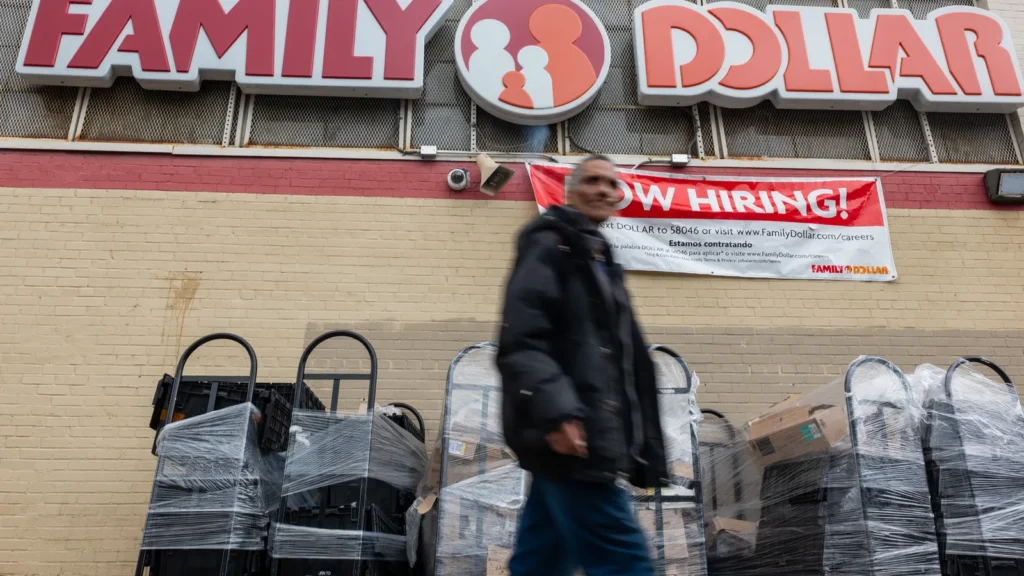
The U.S. Equal Employment Opportunity Commission (EEOC) has filed a significant lawsuit against Family Dollar Stores of North Carolina, LLC, alleging egregious pregnancy discrimination that culminated in the termination of a pregnant employee shortly after she suffered a miscarriage. This legal action, filed on August 31, 2026, underscores the federal government’s commitment to enforcing the Pregnant Workers Fairness Act (PWFA), a landmark piece of legislation designed to protect the rights of pregnant workers. The complaint details a series of events where a Family Dollar store manager allegedly demanded an immediate doctor’s note from a pregnant worker on a holiday evening, just hours after she was advised by phone to take a few days off due to a high-risk pregnancy referral. The worker’s subsequent miscarriage and termination for alleged "job abandonment" highlight the critical need for employers to understand and adhere to federal protections for pregnant employees.
Detailed Chronology of Events Leading to the Lawsuit
The complaint outlines a distressing sequence of events that began in late 2024 and culminated in the worker’s termination and the subsequent EEOC lawsuit.
- December 31, 2024: The pregnant Family Dollar employee received a phone call from her healthcare provider, advising her that she had been referred to a high-risk clinic and needed to take a few days off work. She promptly communicated this urgent medical directive to her store manager. However, the manager immediately demanded a doctor’s note "as soon as possible" to forward to the district manager, despite it being a holiday evening. The worker explained that the medical facility was closed for the holiday, and her patient portal indicated that receiving a response could take up to two business days. As proof of her medical need and scheduled appointment, she sent a screenshot confirming a January 3, 2025, appointment. This was her only available written communication, as the initial instructions came via phone.
- January 1-2, 2025: The New Year’s holiday period, during which the worker was attempting to secure documentation while adhering to medical advice. The manager continued to press for the note.
- January 3, 2025: At her scheduled high-risk clinic appointment, the worker tragically learned she had miscarried. This devastating personal loss occurred while she was attempting to navigate her employer’s demands for documentation.
- January 4, 2025: The day after the worker’s miscarriage, the store manager reportedly created a document asserting that the employee had failed to notify the manager on duty about her absence or tardiness for her shifts.
- January 6, 2025: Family Dollar officially terminated the worker’s employment. The stated reasons for termination were "failing to communicate with the store manager" and "abandoning her position." The EEOC argues that this termination was a direct result of her pregnancy-related medical needs and her efforts to comply with an unreasonable demand for documentation during a critical medical period.
- August 31, 2026: The U.S. Equal Employment Opportunity Commission filed its lawsuit, EEOC v. Family Dollar Stores of North Carolina, LLC, alleging violations of the Pregnant Workers Fairness Act (PWFA). The lawsuit seeks to secure monetary relief for the affected worker, including back pay, compensatory and punitive damages, and injunctive relief to prevent future discriminatory practices by Family Dollar.
The Pregnant Workers Fairness Act (PWFA): A New Era of Protection
The lawsuit against Family Dollar serves as a stark reminder of the protections afforded by the Pregnant Workers Fairness Act (PWFA), which became effective on June 27, 2023. The PWFA mandates that covered employers provide "reasonable accommodations" for a worker’s "known limitations related to pregnancy, childbirth, or related medical conditions," unless doing so would impose an "undue hardship" on the employer. This includes conditions such as morning sickness, complications from pregnancy, and, crucially, issues related to miscarriage or the aftermath of pregnancy loss.
Before the PWFA, pregnant workers often faced a legal gray area. While the Pregnancy Discrimination Act of 1978 (PDA) prohibited discrimination based on pregnancy, it primarily required employers to treat pregnant workers the same as other employees "similar in their ability or inability to work." This often meant that if an employer didn’t accommodate other non-pregnant employees with similar limitations, they weren’t legally required to accommodate pregnant workers either, leaving many without necessary support. The PWFA closes this gap, creating an affirmative right to reasonable accommodation, akin to those provided under the Americans with Disabilities Act (ADA).
The EEOC, tasked with enforcing the PWFA, recently issued a final rule, effective June 18, 2024, to clarify the Act’s provisions. This rule significantly broadens the definition of "pregnancy, childbirth, or related medical conditions" to include a wide range of issues, from lactation and contraception to fertility treatments and, specifically, miscarriage. The rule also clarifies what constitutes a "known limitation," emphasizing that it can be a physical or mental condition, including an inability to perform one or more essential functions of a job. Furthermore, the EEOC’s guidance explicitly addresses documentation requirements, stating that employers can only seek medical documentation when it is "reasonable under the circumstances." This is a central tenet of the Family Dollar case, as the demand for a doctor’s note on a holiday evening, when medical facilities were closed, is presented as an unreasonable request. The guidance also highlights that repeated requests for notes for a known condition, or requests when a situation is obvious (like an obviously pregnant worker needing a larger uniform), are considered unreasonable.
EEOC’s Stance and Enforcement Priorities
Catherine Eschbach, Acting General Counsel of the EEOC, emphasized the gravity of the alleged actions in a statement regarding the lawsuit: "Firing a worker for requesting time off to address urgent pregnancy-related medical concerns is not only unlawful – it is indefensible. To add loss of family income to the tragic loss of a baby is incredibly stressful. The EEOC will not hesitate to take decisive action when employers violate these protections." This strong statement underscores the EEOC’s commitment to aggressively pursuing cases where employers fail to meet their obligations under the PWFA, especially in situations involving severe personal hardship.
Melinda Dugas, Regional Attorney for the EEOC’s Charlotte district, further elaborated on the legal specifics concerning documentation: "While the law allows employers to seek medical documentation to support a pregnancy-related accommodation in some situations, they may only do so when it is reasonable under the circumstances." The case against Family Dollar directly challenges the employer’s interpretation of "reasonable under the circumstances," arguing that the timing and urgency of the demand were inappropriate and contributed to the discriminatory outcome.
The EEOC has historically been vigilant in combating pregnancy discrimination under the PDA, but the PWFA provides new teeth for enforcement, allowing the agency to intervene proactively to ensure accommodations are provided. This lawsuit is one of several actions the EEOC has taken since the PWFA’s implementation, signalling a robust enforcement strategy. The agency has seen a steady stream of charges related to pregnancy discrimination, with thousands of claims filed annually under various federal statutes. The PWFA is expected to increase the number of accommodation-related claims, as it provides a clearer legal pathway for pregnant workers to seek necessary adjustments without fear of reprisal.

Implications for Employers and the Workforce
This lawsuit carries significant implications for both employers and the broader workforce, particularly for pregnant individuals.
- For Employers: The case serves as a critical warning. Employers, especially those with large retail workforces like Family Dollar, must ensure their HR policies and managerial training are fully compliant with the PWFA. This includes understanding what constitutes a "reasonable accommodation," the limited scope of "undue hardship," and, crucially, the parameters for requesting medical documentation. Failure to comply can result in substantial financial penalties, including back pay, compensatory and punitive damages, and significant legal fees. Beyond financial costs, there is also the immeasurable damage to a company’s reputation, potentially impacting recruitment, employee morale, and public perception. Companies are advised to conduct thorough reviews of their accommodation processes, provide comprehensive training to all levels of management on the PWFA, and establish clear, accessible channels for employees to request accommodations without fear of retaliation. The emphasis on "reasonable under the circumstances" for documentation means employers cannot use documentation requests as a barrier to providing necessary accommodations, especially in urgent medical situations.
- For Pregnant Workers: The lawsuit reinforces the strengthened protections available under the PWFA. It empowers pregnant employees to request necessary accommodations without fear of losing their jobs. This case, if successful, will send a strong message that employers cannot penalize workers for experiencing pregnancy-related health issues or for seeking appropriate medical care, even if it impacts their work schedule temporarily. It also highlights the importance of communication, but within the bounds of what is medically and logistically reasonable. Workers should be aware of their rights and not hesitate to seek legal counsel or contact the EEOC if they believe their rights have been violated. The emotional and financial toll of job loss, particularly during a period of personal tragedy like a miscarriage, is immense, and the PWFA aims to mitigate such devastating impacts.
Broader Context of Pregnancy Discrimination in the Workplace
Despite decades of legal protections, pregnancy discrimination remains a persistent issue in American workplaces. Studies and EEOC data consistently show that pregnant workers, especially those in low-wage jobs or positions with less flexibility, often face significant challenges. These can range from being denied lighter duties or flexible hours to outright termination or demotion. The economic consequences for families can be severe, particularly for single mothers or those whose income is crucial for household stability.
The passage of the PWFA was a direct response to the limitations of previous laws and the ongoing reality that many pregnant workers were forced to choose between their health and their job. It aimed to create a more equitable and supportive work environment, recognizing that pregnancy is a temporary condition that should not lead to career setbacks or financial insecurity. This lawsuit against Family Dollar is not an isolated incident but rather a reflection of the systemic issues that the PWFA seeks to address. It underscores the ongoing need for vigilance from regulatory bodies like the EEOC and a fundamental shift in corporate culture to fully embrace and implement these protections.
Family Dollar’s Non-Response and Future Outlook

As of press time, Family Dollar did not respond to requests for comment regarding the lawsuit. This silence is typical in ongoing litigation, as companies often refrain from public statements to avoid prejudicing their legal position. However, their non-response does not diminish the gravity of the allegations or the potential for significant legal repercussions.
The lawsuit will proceed through the federal court system, where the EEOC will present its evidence, including the detailed timeline of events, the manager’s alleged demands, and the worker’s subsequent termination. Family Dollar will have the opportunity to present its defense, which may include arguments about adherence to company policies, the worker’s alleged communication failures (which the EEOC contests as pretextual), or the claim that providing accommodation would have constituted an "undue hardship." However, given the specific circumstances outlined in the complaint—a demand for immediate documentation on a holiday, a tragic miscarriage, and subsequent termination—Family Dollar faces a challenging legal battle.
The outcome of EEOC v. Family Dollar Stores of North Carolina, LLC will likely set an important precedent for the enforcement of the PWFA, particularly regarding the reasonableness of employer demands for medical documentation in urgent pregnancy-related situations. It will further clarify the scope of employer obligations and reinforce the rights of pregnant workers across the nation. This case serves as a powerful reminder that while laws are in place to protect vulnerable workers, their enforcement through legal action remains a vital mechanism for ensuring justice and promoting equitable workplaces.