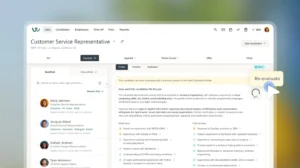
Federal hiring has experienced a significant slowdown, with many agencies implementing outright freezes, a recurring phenomenon in the landscape of government operations; however, seasoned recruiting leaders understand that such pauses are inherently temporary, and the actions taken during these periods are not only enduring but critically shape future organizational success. When the inevitable thaw occurs, the federal employment landscape will undergo an immediate and intensely competitive shift, as numerous agencies simultaneously scramble to fill mission-critical roles, all vying for the same finite pool of highly qualified candidates. The agencies poised to emerge successfully from this crucible will not be those that react with panicked haste, but rather those that judiciously utilized the window of the freeze to strategically position themselves for robust, proactive talent acquisition.
Contextualizing Federal Hiring Freezes: A Historical Perspective
Federal hiring freezes are not a novel occurrence; they represent a cyclical feature often triggered by shifts in political administrations, budgetary constraints, or economic downturns. Historically, presidents from across the political spectrum have implemented freezes as a means to control spending, reduce the size of the federal workforce, or signal a commitment to efficiency. For instance, the Reagan administration initiated a broad freeze upon taking office in 1981, aiming to curb government growth. Subsequent administrations, including Clinton, Obama, and Trump, have similarly utilized hiring freezes, sometimes across the entire federal government and at other times targeting specific agencies or departments deemed overstaffed or inefficient.
These freezes typically involve a cessation of external hiring, often with exceptions for positions deemed essential for national security, public health, or direct public safety. While intended to achieve fiscal discipline or bureaucratic streamlining, their implementation invariably creates significant operational challenges. Agencies grapple with maintaining service levels as employees retire or depart, and critical skills gaps can widen, impacting everything from scientific research and regulatory oversight to national defense and social services. The current slowdown is symptomatic of these familiar pressures, compelling agencies to confront the realities of an aging workforce and the increasing demand for specialized skills, even as they face restrictions on immediate recruitment.
The Immediate and Enduring Challenges of a Hiring Freeze
A hiring freeze, while seemingly a straightforward directive, reverberates deeply throughout federal operations. Its immediate impact includes increased workload for existing staff, as vacancies go unfilled and responsibilities are redistributed. This can lead to elevated stress levels, potential burnout, and, paradoxically, an acceleration of attrition as experienced personnel seek opportunities elsewhere, further exacerbating the talent drain. Furthermore, the inability to recruit new talent means that agencies cannot readily introduce fresh perspectives, innovative ideas, or critical skills needed to adapt to evolving challenges, from cybersecurity threats to climate change.
The federal workforce, as highlighted by data from the Office of Personnel Management (OPM), has a significant proportion of employees nearing retirement eligibility. As of recent reports, a substantial percentage of federal employees are over the age of 50, indicating a looming "retirement wave." This demographic reality means that even a temporary hiring freeze can have long-term consequences, as it interrupts the natural cycle of knowledge transfer and succession planning. Without a continuous pipeline of new recruits, agencies risk losing institutional memory and specialized expertise, thereby compromising their capacity to fulfill their mandates effectively in the future.
Beyond the Pause: The Strategic Imperative for Agencies
The core insight for federal agencies is that a hiring freeze, rather than being a period of dormancy, is a strategic window for recalibration and preparation. The "dynamic shift" that will follow the lifting of a freeze will be characterized by intense competition for talent. Agencies that view this period as merely a pause will find themselves at a severe disadvantage, reacting in a frantic scramble to fill urgent gaps. In contrast, those that proactively leverage this time to refine their recruitment infrastructure, cultivate talent pipelines, and empower their HR teams will be uniquely positioned to attract and secure the best candidates swiftly and effectively.
This proactive stance necessitates a fundamental shift in recruitment philosophy, moving away from a reactive, transactional model—where a job opening triggers an isolated search—to a continuous, strategic talent acquisition framework. This involves not only looking inward at existing resources but also outward, with greater precision and foresight, to identify and engage future talent pools.
Reimagining the Talent Pipeline: A Proactive Approach
The concept of a "pipeline" is central to modern talent acquisition, and federal agencies have a unique opportunity during a freeze to strengthen or even build one from scratch.
-
Leveraging Internal Assets: The Warm Pipeline
Many federal agencies are already sitting on a rich, yet often underutilized, reservoir of potential candidates: individuals who have previously expressed interest. This "warm pipeline" includes past applicants who met qualifications but weren’t selected, attendees of virtual or in-person hiring events, individuals who engaged with agency recruiters at career fairs, or those who initiated an application but didn’t complete it. This constitutes a valuable asset that, if properly managed, can significantly reduce future recruitment cycles and costs.The challenge, historically, has been the sheer volume of data and the manual effort required to maintain engagement with these individuals. This is where advanced HR technology plays a transformative role. Automated outreach platforms can segment these past candidates based on their skills, interests, and previous application data. Personalized communications—ranging from newsletters about agency mission updates to invitations for informational webinars—can keep these individuals engaged and informed, nurturing their interest even when active hiring is suspended. When the freeze eventually lifts, agencies can then re-engage a pre-qualified, interested audience, rather than starting a search from ground zero. This dramatically shortens time-to-hire and improves candidate quality, as these individuals already possess a degree of familiarity and affinity with the agency.
-
Strategic External Engagement: Building the Future Pipeline
While internal pipeline management is crucial, agencies must also look outward, but with a smarter, data-driven approach. Traditional federal recruitment often relies on established networks or familiar institutions. However, the federal workforce’s needs have evolved considerably over the past decade, demanding specialized skills in areas such as cybersecurity, artificial intelligence, data analytics, public health informatics, and advanced engineering.Recruitment technology and data analytics can help agencies identify the specific educational institutions, professional organizations, demographic populations, and even geographic regions that align with their actual workforce gaps, rather than simply revisiting familiar recruitment grounds. For example, if an agency anticipates a future need for AI specialists, it can proactively establish relationships with university computer science departments known for their AI research, cultivate connections with relevant professional associations, and even host virtual "meet-and-greets" for students and professionals interested in federal service, all while hiring is paused. This strategic, long-term relationship building ensures that when recruitment reopens, agencies are targeting the right talent in the right places, rather than casting a wide, inefficient net. This also includes fostering partnerships with military transition programs, recognizing the immense talent and discipline veterans bring to the federal sector.
Empowering the Federal HR Ecosystem
A persistent challenge within the federal government is the chronic under-resourcing of HR departments. Federal HR professionals are often burdened with complex compliance requirements, extensive paperwork, and intricate hiring regulations unique to the public sector, such as the intricacies of veterans’ preference and lengthy security clearance processes. This operational load often leaves little to no room for strategic thinking, proactive talent sourcing, or the kind of individualized candidate engagement that is critical in a competitive market.
-
The Transformative Power of Technology and Automation:
Automation emerges as a critical enabler in this context. When repetitive, administrative tasks are handled by technology, HR professionals are liberated to focus on higher-value activities. Consider tasks such as:- Candidate List Building: Automatically sifting through applications based on predefined criteria, reducing manual review time.
- Tracking Outreach: Managing communications with hundreds or thousands of candidates, ensuring no one falls through the cracks.
- Drafting Initial Communications: Utilizing templates and automated triggers for acknowledgments, interview invitations, and status updates.
- Scheduling Interviews: Integrating with calendars to streamline complex scheduling logistics.
- Data Aggregation and Reporting: Automatically compiling metrics on candidate sources, diversity, and time-to-hire, providing actionable insights.
By offloading these functions, HR teams regain precious time. This allows them to shift from being purely administrative processors to becoming strategic talent advisors, capable of building genuine, meaningful relationships with candidates. This human touch is something no system can replicate and is paramount for attracting top talent, especially for niche or highly skilled roles. When recruiters have the bandwidth to engage deeply with candidates, understand their aspirations, and effectively articulate the unique value proposition of federal service, the candidate experience significantly improves, enhancing the agency’s employer brand.
-
Impact on Retention:
Empowered HR teams also have a direct positive impact on employee retention. When HR professionals are not overwhelmed by transactional duties, they can dedicate more resources to onboarding, employee development, and fostering a supportive work environment. Effective recruitment and a positive initial experience set the stage for long-term employee satisfaction. When employees feel valued and supported from the outset, they are more likely to remain with the agency, reducing the costly cycle of turnover and re-hiring.
Data and Analytics: The Cornerstone of Future Federal Hiring
The strategic approach to talent acquisition hinges on robust data and analytics. During a hiring freeze, agencies have an opportunity to analyze past recruitment data, identify trends in successful hires, understand where talent gaps are most pronounced, and forecast future workforce needs. This data can inform where to focus pipeline efforts, what skills to prioritize, and which recruitment channels yield the best results.
Moreover, investing in HR technology provides the infrastructure for continuous data collection and analysis. This allows agencies to measure the effectiveness of their outreach campaigns, track candidate progression, evaluate the return on investment of different recruitment strategies, and ultimately refine their talent acquisition processes based on empirical evidence. For federal agencies, where accountability and efficiency are paramount, data-driven HR decisions are not just beneficial but essential for optimizing resource allocation and demonstrating tangible results.
Broader Implications for Federal Service Delivery and Workforce Resilience
The implications of how federal agencies navigate hiring freezes extend far beyond individual departments; they affect the nation’s capacity to govern, innovate, and protect its citizens. A resilient federal workforce is critical for national security, public health preparedness, economic stability, environmental protection, and a myriad of other essential government functions. If talent gaps persist due to inefficient recruitment during and after freezes, the quality and timeliness of federal service delivery will inevitably suffer.
The long-term talent strategy cultivated during a freeze must therefore consider not just immediate vacancies but the evolving nature of government work. This means fostering a culture of continuous learning, embracing technological advancements, and building a diverse workforce that reflects the nation it serves. Agencies that strategically prepare during these pauses are not just filling jobs; they are investing in the future capacity and resilience of the federal government itself.
In conclusion, hiring freezes, while challenging, create a rare moment of clarity and strategic opportunity. The temporary absence of immediate hiring urgency provides invaluable space for evaluation, recalibration, and proactive infrastructure building. The federal agencies that treat this period not as a passive pause but as an active time for preparation—by nurturing robust talent pipelines, empowering their HR professionals with technology, and adopting data-driven recruitment strategies—will be the ones best equipped to move swiftly, confidently, and effectively when the freeze lifts. This forward-thinking approach is essential for securing the vital talent needed to fulfill their critical mandates and serve the American public in an increasingly complex world. Specialized HR technology solutions play a crucial role in enabling this transformation, helping federal agencies build a sustainable hiring advantage for the future.