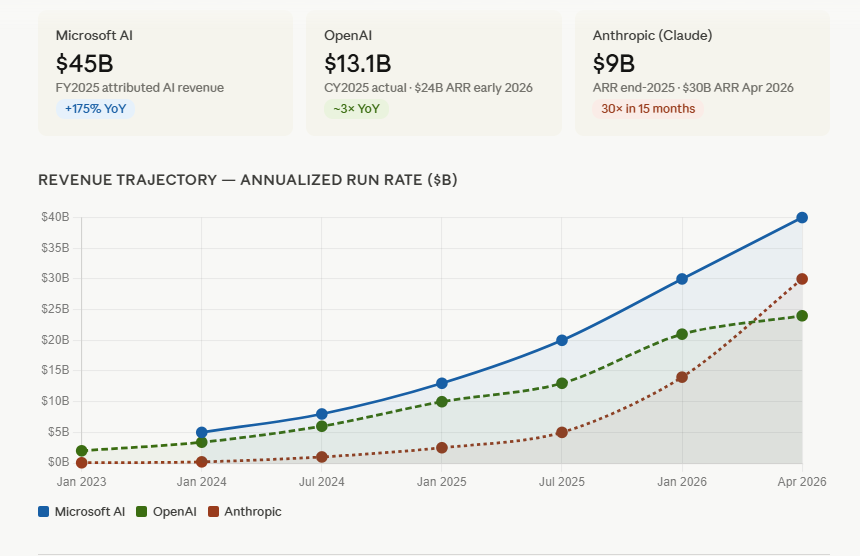
The artificial intelligence landscape is buzzing with anticipation as industry giants OpenAI and Anthropic reportedly navigate pathways toward public offerings. This impending financial milestone intensifies the fascination surrounding these leading AI companies, whose competitive dynamic, fueled by their respective CEOs, forms a significant part of the current AI narrative. As more details emerge regarding their potential market debuts, a critical question looms large: how will these titans of AI truly differentiate and compete in the rapidly evolving enterprise and consumer markets? While the debate rages over which foundational models will dominate specific applications, a compelling argument can be made that Microsoft, through its strategic emphasis on the "surface" or application layer, is poised to emerge as the most significant beneficiary of this AI revolution.
The enterprise AI market, a critical battleground, can be broadly understood through three interconnected layers: the foundational models themselves, the user-facing application layer (the "surface"), and the broader ecosystem that supports their integration and scalability.

The Shifting Landscape of Foundational AI Models
At the core of the AI revolution lie the powerful language models, each striving for dominance in distinct application areas. The current market is characterized by a realization that a single, monolithic model is unlikely to suffice for the diverse needs of businesses. Instead, a multi-model approach is emerging, where specialized AI models are trained and optimized for specific tasks and industries.
For instance, developers are evaluating which model best suits coding and analytical tasks, with Anthropic’s Claude often cited for its prowess in code generation. OpenAI’s models are being considered for narrative and document-centric applications, while Google’s Gemini is being positioned for analytical and scientific endeavors. The potential role of models like Grok and Nvidia’s world models in areas such as robotics, motion control, and physical world applications remains an active area of development and speculation.
The training of these models is a complex and resource-intensive undertaking, extending far beyond mere computational power. It encompasses the meticulous collection, labeling, and refinement of vast datasets. A pharmaceutical company, for example, would require a model specifically trained on biological data, such as proteins and advanced genetics, to achieve optimal performance. This specialization is crucial, as a general-purpose model may lack the nuanced understanding necessary for domain-specific applications. The implication for businesses is clear: they will likely need to leverage multiple specialized AI models to address their varied operational requirements, challenging the credibility of any single AI provider claiming to offer an all-encompassing solution.
This trend towards specialization is not unprecedented. Consider the development of AI-powered tools like Galileo, which, by focusing laser-like on HR, labor markets, skills, and management topics, has evolved into an indispensable management consultant for human capital challenges. This success underscores the value of deep domain expertise in AI development.
The Crucial Role of the AI "Surface" or Application Experience
Beyond the foundational models, the "surface" – the application experience and user interface that interact with these models – is emerging as a critical differentiator. This layer encompasses the tools, integration capabilities, and development environments that make AI accessible and usable for businesses and consumers alike. The user experience, personalization capabilities, and the seamless interaction with external data and existing systems are paramount. This layer, often referred to as the "AI Harness," is where the true value proposition for end-users is often realized.
A prime example of the importance of the "surface" can be drawn from the history of personal computing. Microsoft’s dominance in the PC market was not solely due to its underlying technology, but also its relentless focus on the application experience of products like Excel, PowerPoint, and Outlook. While competitors like Lotus 1-2-3 and Multiplan may have been earlier to market, Microsoft’s superior "fit and finish" and integration capabilities ultimately won over hundreds of millions of users.
In the current AI era, business developers and IT professionals are increasingly seeking comprehensive solutions that go beyond the core AI model. They require robust tools for development, deployment, management, and seamless integration with existing enterprise resource planning (ERP) systems, customer relationship management (CRM) platforms, and other critical business applications such as SAP, Oracle, Workday, Salesforce, ServiceNow, QuickBooks, and HubSpot. The failure of a leading AI model to effectively integrate with a company’s existing CRM, as experienced by one user with Claude’s HubSpot integration, highlights the critical importance of a well-functioning "surface." This specific instance, where the AI "choked" and failed to retrieve requested data, was attributed to the inadequacy of the "context layer" within the application, not the underlying model’s inherent capabilities.
The Power of a Robust AI Ecosystem
The third pillar of enterprise AI success is the ecosystem surrounding the AI platform. Businesses require AI solutions that are supported by a wide array of applications, integrations, tools, and a thriving network of third-party developers and partners. As illustrated by the experience of building AI Galileo, customers consistently seek ways to connect specialized AI tools with their existing data repositories and organizational frameworks. This demand for connectivity and extensibility underscores the need for platforms that foster a collaborative development environment.
In the enterprise space, where significant AI-driven profitability is anticipated, vendors must cultivate ecosystems of partners who can generate revenue by building upon their platforms. This symbiotic relationship not only enhances the value of the core AI offering but also drives adoption and innovation. The ongoing discussions with HR and IT leaders reveal a consistent desire for AI tools that are both user-friendly for immediate needs and provide a robust platform for building, buying, and managing "agentic" applications. Critically, businesses aim to avoid vendor lock-in in this nascent and rapidly evolving market. This strategic imperative shifts the focus from the underlying AI "engine" to the "surface" and the surrounding ecosystem.
Microsoft’s Strategic Advantage: The Integrated "Surface"
The current market dynamics suggest that Microsoft is exceptionally well-positioned to capitalize on these trends. While OpenAI and Anthropic are reportedly pursuing significant revenue figures, a closer examination reveals their primary revenue streams. OpenAI’s substantial revenue appears to be largely driven by consumer subscriptions, with an estimated 500-600 million users paying around $20 per month. Anthropic, on the other hand, appears to generate a significant portion of its revenue by providing AI compute power to other providers, with estimates suggesting substantial contributions from a few hundred large enterprise clients.
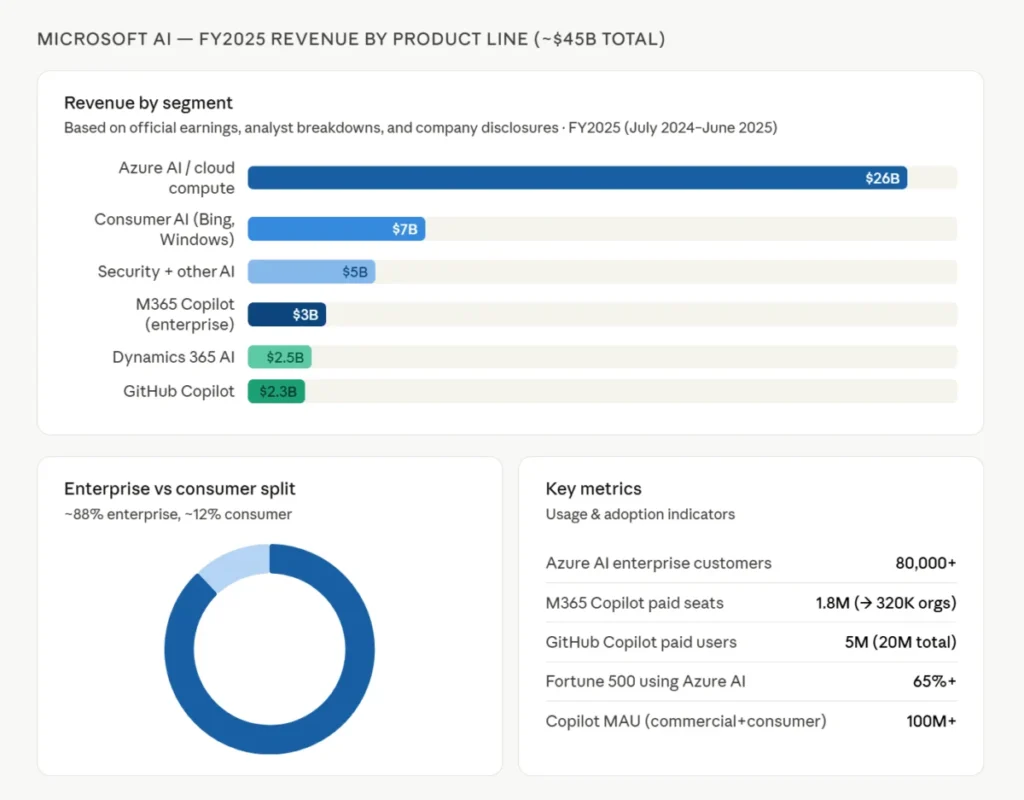
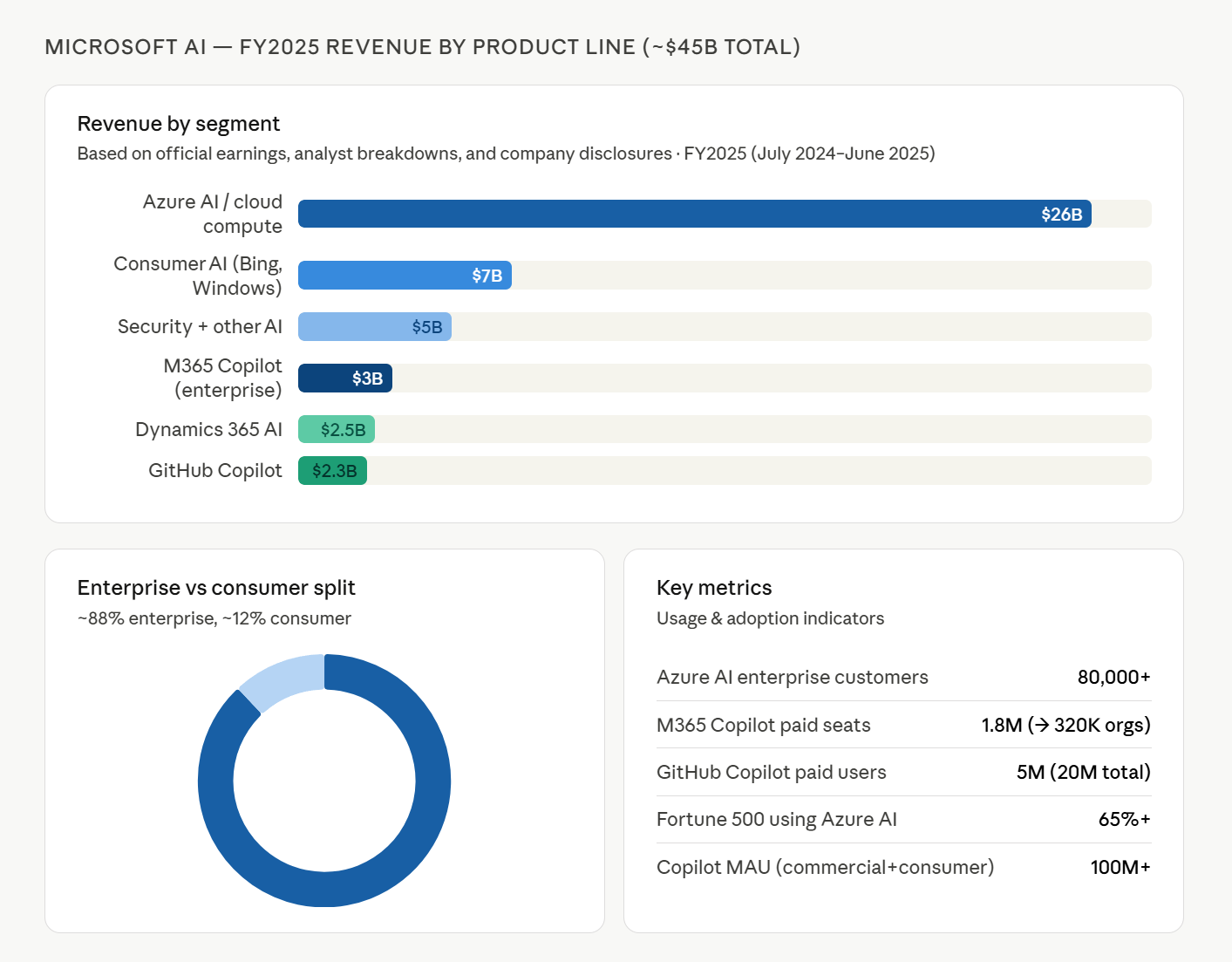
However, the revenue generated from the critical "surface" – the integrated application experiences – seems to be where Microsoft is making significant inroads. Microsoft’s own figures indicate robust performance, with a reported 15 million licensed users of Copilot. Assuming an average price of $25 per month per user, this alone generates an estimated $4.5 to $5 billion annually. When combined with fees for Azure API services, Microsoft’s AI revenue is projected to exceed $25 billion, with continued strong growth.
Microsoft’s strategic advantage stems from its deep integration of AI models into its existing productivity suite and cloud infrastructure. This approach, characterized by the development of an expansive and cohesive "surface," has been a cornerstone of the company’s success for decades. The evolution of Microsoft Copilot exemplifies this strategy. Initially perceived as a mere plugin for individual Microsoft products, it has transformed into an integrated platform capable of leveraging not only OpenAI’s models but also potentially those from competitors like Anthropic, while seamlessly incorporating proprietary corporate data.
The Evolution of Microsoft Copilot: From Disparate Parts to a Unified Whole
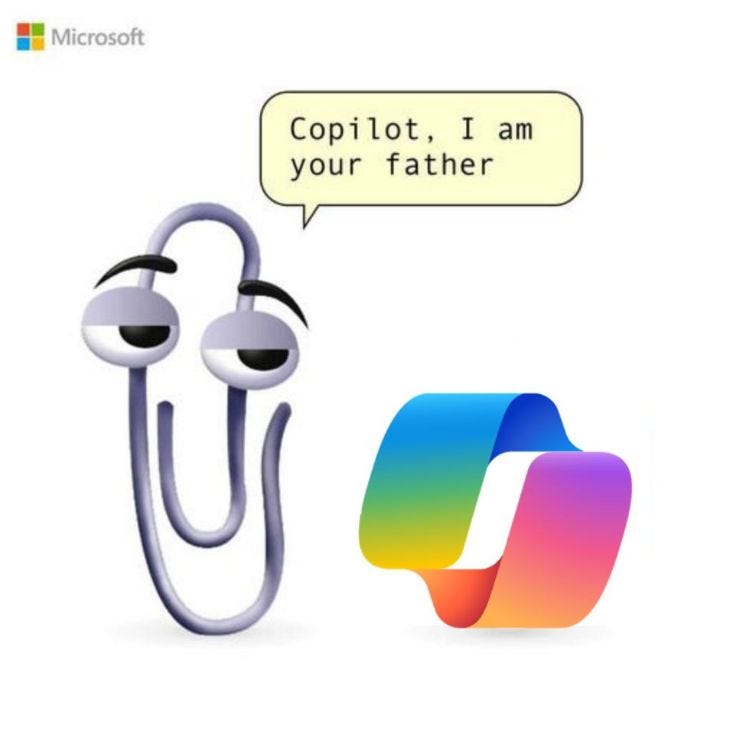
The journey of Microsoft Copilot has been marked by rapid development and strategic pivots. In its early stages, the focus was on integrating OpenAI’s ChatGPT into Bing. This evolved into the broader Microsoft Copilot vision, which initially felt akin to an enhanced version of the classic "Clippy" assistant. However, Microsoft’s product teams quickly began building a multitude of "surfaces" atop ChatGPT, launching versions of Copilot across its M365 suite, Dynamics, Excel, GitHub, and other applications.
This flurry of product development, including the introduction of Copilot Studio, Agent 365, and Work IQ, aimed to create a comprehensive AI ecosystem. Simultaneously, the company invested heavily in M365 Graph Connectors to ingest corporate data into Copilot, and in fine-tuning capabilities to optimize user-specific data for intelligence. This rapid pace of innovation, while impressive, initially led to a somewhat fragmented user experience.
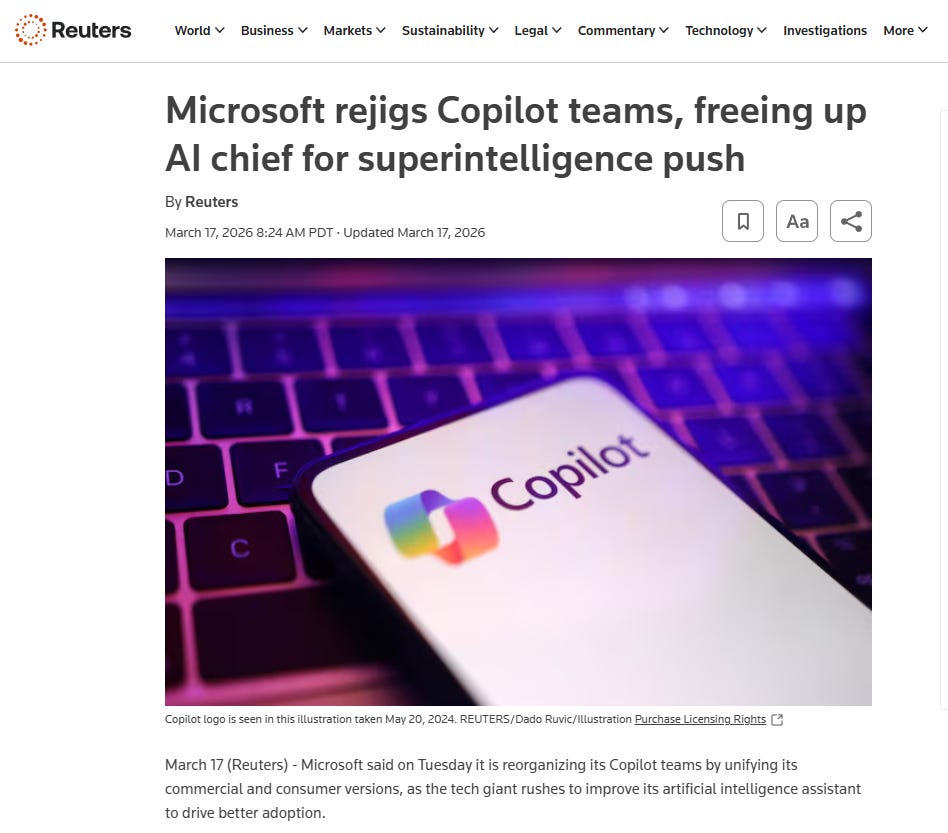
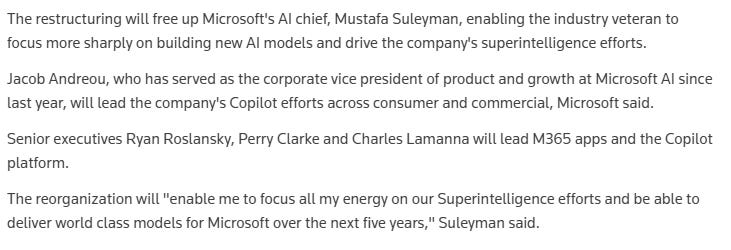
Recognizing the potential for user confusion, Microsoft CEO Satya Nadella recently reorganized the Copilot product teams into a singular, unified product organization. This strategic consolidation, led by key figures like Ryan Roslansky (LinkedIn), Perry Clarke (Copilot Core), and Charles Lamanna (Agents and Apps), aims to streamline development and create a more cohesive AI strategy. Jacob Andreou, formerly of Snap, is spearheading Copilot’s growth initiatives, focusing on overall agent enablement and delivering corporate user value beyond individual application functionality. This integrated leadership structure allows Microsoft to operate with a unified vision, akin to Nvidia’s approach of aligning all engineering layers around a singular strategy.
The Implications of Microsoft’s Integrated AI Strategy
This organizational shift has several significant implications for Microsoft’s competitive standing:
- Unified Platform Development: The consolidation allows for the creation of a singular, integrated "surface" for both corporate and consumer AI experiences. This streamlines development and enhances user adoption.
- Accelerated Innovation: A unified team can accelerate the development of foundational AI models and advanced agentic capabilities, fostering a more agile and responsive product roadmap.
- Enhanced Developer Experience: By offering a more cohesive platform, Microsoft can attract and retain developers, fostering a richer ecosystem of third-party applications and integrations.
- Strategic Alignment with Cloud and Enterprise: The integrated approach allows Microsoft to leverage its existing cloud infrastructure and deep enterprise relationships more effectively, driving adoption of its AI solutions.
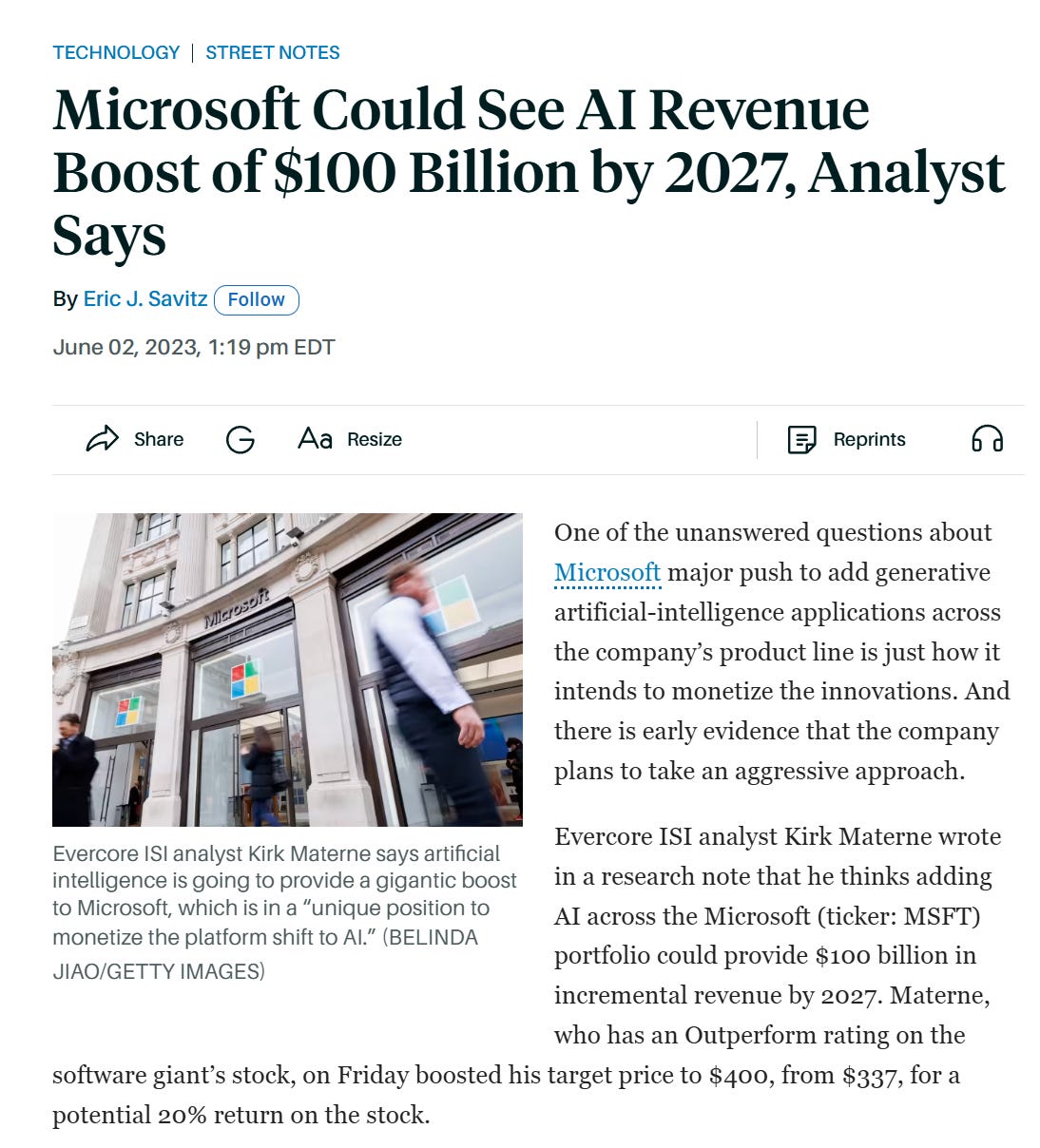
The company’s recent financial reports and future projections underscore this strategic momentum. Microsoft anticipates generating over $100 billion in new AI revenue within the next three years, a figure some analysts believe could be reached even sooner. This aggressive growth target is supported by the company’s robust partner network, which is increasingly looking to integrate with Copilot’s burgeoning ecosystem.
Microsoft’s Value Proposition in the AI Era
Microsoft’s enduring strength lies in its ability to offer a comprehensive value proposition that addresses the multifaceted needs of the modern enterprise:
- Integrated Toolset: The corporate market demands an integrated suite of tools that encompasses desktop applications, development environments, IT management capabilities for AI agents, and seamless connectivity with legacy systems. Microsoft, through its Work IQ strategy and ongoing development of Agent365 and Copilot Studio, is well-positioned to deliver this.
- Application Development Ecosystem: The vast application development landscape is actively seeking a more unified set of tools. As more ERP, financial, productivity, and analytics vendors develop APIs for Copilot, Microsoft’s platform becomes an increasingly attractive hub for innovation. While navigating the various API options (Teams, Graph, WorkIQ, Fabric) can present a learning curve, the path toward integration is becoming clearer.
- User-Centric Desktop Experience: For end-users, the promise of a unified AI experience within the familiar Microsoft desktop environment is compelling. While the current Copilot interface may still be undergoing refinement, the company’s investment in top UI designers suggests a commitment to beautifying and simplifying the AI interaction.
- Partner Network Expansion: The opening of Work IQ APIs is expected to spur significant growth in Microsoft’s partner network. Corporate cloud vendors, keen to adapt to the rise of AI agents, are increasingly seeking opportunities to integrate with the Copilot framework.
Furthermore, Microsoft is actively enhancing its AI offerings with features that provide significant value-add:
- Deep Research Capabilities: Features like the "Researcher" button, which can delve into the MS Graph to analyze calendar data and provide contextual advice, offer substantial benefits to individuals and leaders. As these capabilities expand with memory and context integration, their value will only increase.
- Intelligent Routing: New Microsoft Agents are emerging that can compare queries against multiple AI models, helping users optimize cost and performance. Over time, these agents are expected to decompose complex AI tasks and route different components to specialized agents.
- Agentic Interfaces: The enhanced Copilot allows for direct interaction with complex documents within Microsoft applications like Excel, PowerPoint, and Word. Users can query, modify tables, run reports, and create graphs, with changes reflected in real-time, extending the "in-app" Copilot experience across the Microsoft ecosystem.
- Intelligent Context Layer: The forthcoming Work IQ APIs will enable companies to import and build custom "context" into Copilot. This opens the door for truly agentic HR, finance, sales, and other specialized business functions, creating deeply integrated AI solutions tailored to specific organizational needs.
As the AI landscape continues its rapid evolution, the competition between OpenAI, Anthropic, and established tech giants like Microsoft will undoubtedly intensify. However, Microsoft’s strategic focus on building a robust, integrated, and user-friendly "surface" atop powerful AI models, coupled with its expansive ecosystem and deep enterprise relationships, positions it as a formidable contender with the potential to redefine the future of AI in the business world. The emphasis on the application layer, rather than solely on foundational model innovation, may prove to be the decisive factor in determining the ultimate winners of the AI race.