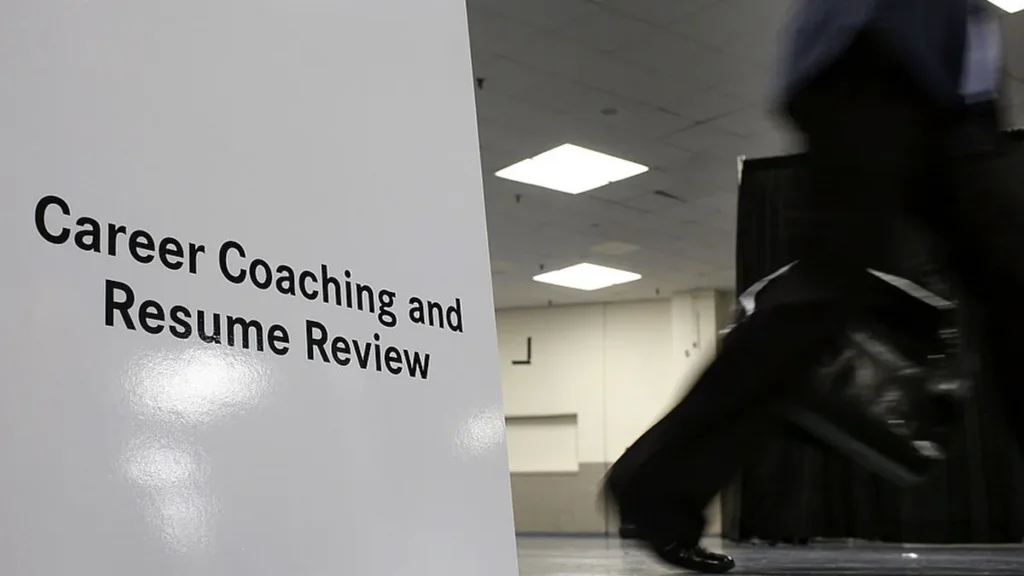
As the global workforce experiences a significant demographic shift, marked by an increasing proportion of older individuals, human resources departments and online employment platforms face a critical challenge: effectively integrating experienced late-career workers into the burgeoning gig economy. A recent study published in the Journal of Administrative Science Quarterly highlights a phenomenon dubbed the "cold start problem," where older workers seeking flexible freelance opportunities find their extensive credentials and professional value inadequately recognized by the very digital platforms designed to connect talent with work. This misalignment not only frustrates a valuable segment of the labor force but also poses a substantial risk of talent shortages across industries grappling with full retirements and labor force exits.
The "Cold Start" Phenomenon: A Deeper Dive into Platform Misalignment
The groundbreaking research, conducted by academics from the University of California, Santa Barbara, and Cambridge Judge Business School, utilized Upwork as a pivotal case study to observe the interactions of older workers with freelance employment platforms. Their findings, brought to light in a September 16, 2026, statement by report co-author Sienna Helena Parker of Cambridge Judge Business School, underscore the inherent difficulties in transitioning from traditional full-time employment to flexible, project-based work within the digital realm.
Parker emphasized the acute nature of this challenge for late-career professionals. "We find that these late-career workers who make a change to freelance work often need to recalibrate not only their professional worth, but also their motivations for making such a move that is more challenging than it might look before they take the plunge," she stated. The "cold start" refers to the difficulty of establishing a new reputation and track record within these platform-centric ecosystems, especially when prior experience, though extensive and valuable, isn’t easily quantifiable or prioritized by algorithmic matching systems.
A core issue identified by the researchers is "reputation system misalignment." Older workers are accustomed to traditional indicators of professional value—long-term employment, established networks, formal qualifications, and professional accolades—which are often not directly transferable or weighted appropriately by the review and rating systems prevalent on gig platforms. These digital platforms typically favor recent activity, platform-specific ratings, and a continuous stream of small, successfully completed projects to build a profile. For someone with decades of experience but new to a platform, this creates an uphill battle to gain visibility and secure initial contracts, regardless of their intrinsic capabilities. The abstract of the "cold starts" study succinctly captures this paradox, noting that "the same remote, digital features that promised personalization introduced new constraints."
Demographic Imperatives and the Expanding Older Workforce
The significance of these findings is amplified by compelling demographic trends. Workers aged over 55 constitute approximately 23% of the overall workforce, a proportion that is steadily climbing. A 2026 report from MyPerfectResume further highlighted this trend, revealing that the share of workers aged over 65 had increased by more than 40% year-over-year. This demographic shift is not merely a statistical anomaly but a profound societal evolution driven by increased life expectancy, improved health outcomes, evolving retirement expectations, and often, economic necessity.
Globally, many developed nations are facing an aging population crisis, with declining birth rates and an increasing median age. This demographic reality means that older workers are not just a peripheral segment but a crucial, growing component of the labor supply. Their experience, institutional knowledge, and work ethic are invaluable assets that economies cannot afford to sideline. As industries confront talent shortages exacerbated by traditional full retirements, the efficient integration of older workers into flexible work models becomes not just a matter of social equity but an economic imperative. The current friction between older talent and digital work platforms risks alienating a significant pool of skilled labor, thereby intensifying existing talent gaps.
Challenges Beyond the "Cold Start": Ageism and Confidence
The "cold start problem" exists within a broader context of challenges faced by older workers, notably pervasive ageism and its impact on self-confidence. A 2022 ZipRecruiter report shed light on several barriers, including employers overlooking experienced talent due to a perception that their industry’s workforce should skew younger, and a corresponding lack of confidence among older workers themselves. This insidious cycle can lead to reduced job-seeking efforts and a diminished sense of professional worth.
Further underscoring this sentiment, a 2024 report from CWI Labs revealed that a striking 59% of workers aged 50 and older felt their age was a significant obstacle during the hiring process. Compounding this, only 21% expressed optimism about finding a job within the subsequent six months. Such statistics paint a grim picture of the psychological and practical hurdles older individuals encounter in the job market, irrespective of their skills or desire to work. The problem is not merely about adapting to new technologies but also about overcoming deeply ingrained societal biases that undervalue experience and wisdom in favor of perceived youth and adaptability.
Economic and Societal Implications of Neglecting Older Talent
The implications of failing to effectively integrate older workers into the modern workforce are far-reaching, touching upon economic stability, social equity, and organizational effectiveness. Economically, the underutilization of skilled older workers represents a significant loss of human capital and potential productivity. As experienced professionals exit the workforce prematurely or struggle to find suitable engagement, companies lose invaluable institutional knowledge, mentorship capabilities, and a stable, reliable labor pool. This can lead to decreased innovation, higher recruitment costs for younger, less experienced talent, and a general drag on economic growth.
Societally, the marginalization of older workers perpetuates ageism, creating an exclusionary environment that contradicts principles of diversity and inclusion. It can lead to financial insecurity for individuals who wish or need to continue working, placing additional strain on social safety nets and healthcare systems. The psychological toll of feeling unwanted or undervalued can also have serious public health consequences, including increased rates of depression and social isolation.
From an organizational perspective, companies that fail to tap into the older talent pool miss out on a wealth of experience, problem-solving skills, and a strong work ethic. Diverse teams, including those with a broad age range, have been shown to be more innovative, resilient, and better equipped to understand and serve a diverse customer base. Neglecting this demographic could lead to a less competitive and less adaptable business landscape.

Strategies for HR: Bridging the Gap
Given the pressing nature of these challenges, HR professionals are uniquely positioned to spearhead initiatives that bridge the gap between older talent and employment opportunities. A chief economist for ZipRecruiter, speaking in 2022, highlighted HR’s crucial role in bringing candidates "to the top of the funnel," emphasizing not only the shaping of job candidate shortlists but also proactive recruitment strategies.
1. Reimagining Recruitment Channels: HR must look beyond conventional online job boards, which may inadvertently favor younger applicants or those with platform-specific reputations. Tapping into resources like AARP (American Association of Retired Persons) job fairs, veteran organizations, professional associations for retired executives, and community senior centers can provide direct access to a rich pool of experienced talent. These channels often cater specifically to older demographics and can help bypass the "cold start" limitations of generic gig platforms.
2. Skills-Based Hiring and Assessment: Shifting the focus from chronological resumes to demonstrable skills and competencies is paramount. HR departments should implement skills-based assessments that evaluate a candidate’s abilities relevant to the role, rather than relying solely on their recent employment history or the formatting of their digital profile. This approach levels the playing field, allowing older workers to showcase their deep expertise regardless of how it’s presented on a modern digital platform.
3. Unconscious Bias Training: Addressing ageism requires confronting unconscious biases within hiring teams. Regular training for recruiters and hiring managers on age-inclusive practices can help them recognize and mitigate their own biases, ensuring that older candidates receive fair consideration. This includes scrutinizing job descriptions for age-coded language and promoting diverse interview panels.
4. Flexible Work Models and Phased Retirement: Offering genuinely flexible work arrangements, such as part-time roles, project-based contracts, and remote work options, is highly attractive to older workers seeking a phased transition out of full-time employment or those desiring better work-life balance. Companies that embrace these models can attract and retain experienced talent who might otherwise fully retire.
5. Mentorship and Knowledge Transfer Programs: Older workers represent a vast repository of institutional knowledge and experience. HR can facilitate programs that pair experienced older workers with younger employees, fostering invaluable knowledge transfer and intergenerational collaboration. This not only benefits the organization but also provides a sense of purpose and continued contribution for older professionals.
6. Investing in Reskilling and Upskilling: While older workers bring immense experience, some may require updated digital skills. Companies should invest in training programs to help older employees and potential hires adapt to new technologies and software, ensuring they remain competitive and confident in a rapidly evolving digital landscape.

Policy Recommendations and Collaborative Efforts
The challenge of integrating older workers into the gig economy extends beyond individual company efforts, demanding a collaborative approach involving policymakers, business leaders, and technology developers. Gary Officer, CEO and founder of CWI Labs, emphasized this need for collaboration, stating that it is essential "to challenge the current approach to workforce development and drive opportunities for older workers to thrive in the rapidly evolving world of work."
1. Platform Redesign for Inclusivity: Technology companies operating gig platforms have a responsibility to redesign their systems to better recognize and value the credentials of experienced workers. This could involve incorporating mechanisms for verifying long-term professional histories, allowing for narrative-based profiles that highlight achievements beyond recent gig ratings, and developing AI algorithms that are trained on diverse datasets to avoid age-related biases.
2. Government Incentives and Anti-Discrimination Laws: Policymakers can play a crucial role by strengthening anti-age discrimination laws and offering incentives to companies that adopt age-inclusive hiring practices. Funding for older worker training programs and initiatives that connect experienced professionals with flexible work opportunities can also support this demographic.
3. Public Awareness Campaigns: Combating ageism requires a societal shift in perception. Public awareness campaigns can highlight the value of older workers, dispel myths about their productivity or adaptability, and promote a culture that celebrates experience and lifelong learning.
Future Outlook and the Evolving World of Work
The issue of integrating an aging workforce into the gig economy is not a fleeting trend but a fundamental aspect of the future of work. As longevity increases and traditional retirement models become less viable or desirable for many, flexible work arrangements will become increasingly critical. The ability of HR departments and digital platforms to adapt to these demographic realities will determine not only the economic well-being of millions of older workers but also the overall health and competitiveness of national economies.
The "cold start problem" serves as a potent reminder that while technology promises efficiency and access, its design must be intentionally inclusive to serve all segments of the population. By proactively addressing the challenges of reputation misalignment, combating ageism, and fostering collaborative solutions, society can harness the immense potential of its most experienced talent, ensuring a more equitable, productive, and resilient future of work for everyone. The time for HR to go the extra mile is now, transforming perceived obstacles into unparalleled opportunities for growth and innovation.