The Occupational Safety and Health Administration (OSHA) has released new comprehensive guidance aimed at equipping employers and workers with critical tools and strategies to prevent and respond to opioid overdoses in the workplace, a pivotal component of the Trump Administration’s broader "Great American Recovery Initiative." This landmark directive, published on September 25, 2026, signals a heightened federal commitment to addressing the devastating impact of the opioid epidemic on the nation’s workforce, particularly in light of the escalating threat posed by synthetic opioids like fentanyl. The initiative underscores a proactive approach to workplace safety, recognizing that the opioid crisis extends beyond individual health and significantly impacts organizational productivity, safety, and legal compliance.
The guidance arrives at a critical juncture, as the United States continues to grapple with an unprecedented public health emergency characterized by soaring overdose fatalities. For years, the opioid crisis has evolved through distinct phases, beginning with the widespread over-prescription of opioid pain relievers in the late 1990s, leading to a surge in addiction. This first wave transitioned into a second wave, marked by a sharp increase in heroin-related overdoses, as prescription opioids became harder to obtain and more expensive. The current, third and most lethal wave began around 2013 with the proliferation of illicitly manufactured fentanyl and other synthetic opioids, which are many times more potent than heroin and often unknowingly mixed into other drugs, dramatically increasing the risk of accidental overdose. The Centers for Disease Control and Prevention (CDC) has consistently reported alarming statistics, with overdose deaths surpassing 100,000 annually in recent years, a significant portion of which are attributable to fentanyl. This alarming trend has not spared the American workforce, making workplace preparedness an urgent necessity.
The Great American Recovery Initiative: A National Response
The OSHA guidance is specifically positioned within the framework of the Great American Recovery Initiative, a multi-faceted federal effort spearheaded by the Trump Administration. Launched with the explicit goal of bolstering addiction treatment and recovery infrastructure across the nation, the initiative seeks to integrate various federal agencies’ capabilities to tackle the crisis from multiple angles. Beyond workplace safety, the initiative encompasses expanded access to medication-assisted treatment (MAT), enhanced prevention programs, improved data collection for public health surveillance, and support for long-term recovery services. By enlisting agencies like OSHA, the administration aims to embed addiction prevention and response into everyday environments, including places of employment, recognizing the significant amount of time individuals spend at work and the potential for employers to play a crucial role in early intervention and support.
White House Drug Czar Sara Carter articulated the urgency behind the guidance, stating, "Because fentanyl has infiltrated the illicit drug landscape and acts as a chemical weapon against our people, it is critically important that the American workforce is familiar with drug overdose recognition and reversal. I am grateful to the Department of Labor for informing employers and workers about life-saving overdose reversal treatments like naloxone." Carter’s strong language reflects the administration’s concern over fentanyl’s extreme potency and its role as a leading cause of fatal overdoses, which necessitates immediate and widespread education and access to reversal agents. This public health emergency demands a comprehensive response that extends to all sectors of society, including the often-overlooked workplace setting.

Core Strategies for Workplace Preparedness
OSHA’s fact sheet outlines several preparedness strategies designed to empower employers and workers to effectively respond to potential opioid overdose incidents. These strategies are practical, actionable, and align with established public health best practices for overdose prevention.
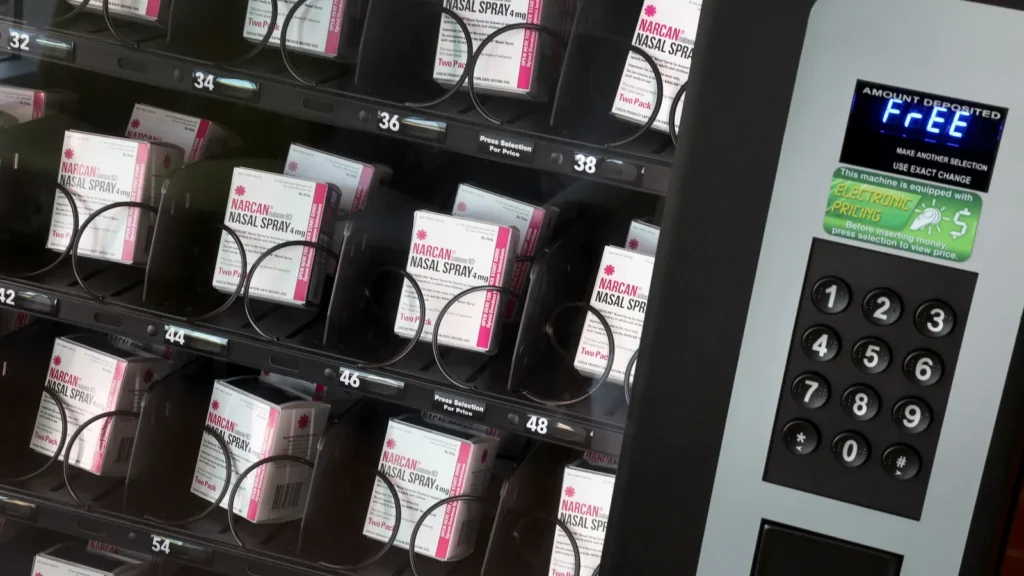
- Keeping Reversal Medications on Hand: A cornerstone of the guidance is the recommendation for employers to maintain readily available supplies of opioid overdose reversal medications, specifically naloxone or nalmefene. Naloxone, commonly known by brand names like Narcan, is an opioid antagonist that can rapidly reverse the effects of an opioid overdose by blocking opioid receptors in the brain. Nalmefene offers similar reversal capabilities. The guidance emphasizes that having these medications on-site can be the difference between life and death, particularly given the rapid onset of overdose symptoms, especially with potent synthetic opioids like fentanyl.
- Treating Overdose Kits Like First Aid: To ensure maximum effectiveness, the guidance advises employers to treat overdose kits containing naloxone or nalmefene with the same level of accessibility and visibility as traditional first aid kits. This means placing them in easily identifiable, accessible locations throughout the workplace, similar to AEDs (automated external defibrillators) or fire extinguishers. This approach normalizes the presence of these life-saving tools and reduces barriers to their rapid deployment during an emergency.
- Educating Workers on Overdose Symptoms: A critical preventative measure involves comprehensive education for all employees on how to recognize the signs and symptoms of an opioid overdose. These can include slowed or stopped breathing, pinpoint pupils, bluish lips or fingernails, gurgling sounds, unresponsiveness, and limpness. Early recognition is paramount for timely intervention, as every minute counts in an overdose situation. Education helps demystify the crisis and empowers workers to act rather than hesitate.
- Training Workers to Administer Medication Safely: Beyond recognition, the guidance stresses the importance of training designated workers on the safe and effective administration of naloxone or nalmefene. These medications are typically available as nasal sprays or injectable solutions, designed for ease of use even by non-medical personnel. Training should cover proper dosage, administration techniques, post-administration care (e.g., placing the individual in the recovery position, calling emergency services), and understanding the limitations of the medication. This ensures that when an overdose occurs, there are trained individuals ready to respond confidently and competently.
These recommendations collectively form a robust framework for workplace opioid overdose preparedness, transforming workplaces into safer environments where employees are not only protected but also equipped to protect their colleagues.
Impact on the Workforce: Data and Legal Precedents
The need for such guidance is underscored by compelling data illustrating the pervasive nature of substance use in the American workforce. A July 2025 report from clinical laboratory Quest Diagnostics, utilizing extensive U.S. workforce data derived from hair and urine tests for various substances including marijuana, cocaine, opiates, amphetamines, and methamphetamine, revealed a startling statistic: nearly 1 in 5 workers tested positive for drug use. This figure, derived from hair analysis which offers a longer detection window than urine tests, highlights the significant prevalence of substance use across industries. The report further pinpointed a particularly concerning trend: opiate use was found to be highest among healthcare workers, an irony given their role in patient care and the potential for access to controlled substances. This finding suggests that no industry is immune to the opioid crisis, and some, due to their specific characteristics, may face heightened vulnerabilities.
Beyond the direct impact on safety and productivity, companies also face significant legal ramifications related to opioid use among their employees. Employers must navigate complex disability discrimination laws, particularly the Americans with Disabilities Act (ADA), which protects individuals with a history of substance use disorder who are in recovery. A notable case highlighted by the EEOC involved a software company that paid $80,000 to settle a disability discrimination lawsuit. The company allegedly fired an employee who took leave for inpatient treatment for substance abuse. The employee had a history of opiate addiction and was participating in a doctor-supervised medication-assisted treatment program. The EEOC contended that the worker was terminated because he was "regarded as disabled," constituting a violation of the ADA. This case serves as a stark reminder that while employers have a right to maintain a drug-free workplace, they also have legal obligations to accommodate individuals with disabilities, including those recovering from addiction. This legal landscape necessitates clear, compassionate, and legally compliant policies regarding substance use disorders.

Stakeholder Reactions and Broader Implications
The new OSHA guidance is expected to elicit varied reactions from key stakeholders. Employer associations, such as the U.S. Chamber of Commerce and the National Association of Manufacturers, are likely to acknowledge the severity of the opioid crisis and express support for proactive measures that enhance workplace safety. However, they may also raise concerns regarding the practicalities of implementation, including the costs associated with training, purchasing naloxone, and developing comprehensive policies. Small businesses, in particular, might find these new requirements challenging without additional resources or financial incentives. They may advocate for clear, easy-to-understand resources and potential grants to assist with compliance.
Conversely, labor unions and worker advocacy groups will likely welcome the guidance, viewing it as a vital step towards protecting workers’ health and safety. They may emphasize the importance of destigmatizing addiction and ensuring that employees feel safe seeking help without fear of reprisal. Unions could push for collective bargaining agreements that incorporate these new guidelines, focusing on robust training programs and supportive recovery policies. Public health experts and addiction treatment advocates will undoubtedly applaud OSHA’s proactive stance, recognizing the workplace as a crucial, yet often underutilized, venue for public health interventions. They will likely stress that while naloxone is life-saving, it is just one piece of a broader solution that must include accessible treatment, robust recovery support, and continued prevention efforts. Legal scholars will likely reiterate the importance of balancing workplace safety with ADA compliance, advising employers to review their policies thoroughly to avoid discrimination lawsuits.
The implications of this guidance extend far beyond immediate overdose response. For employers, it necessitates a critical review and potential overhaul of existing drug policies, training protocols, and emergency response plans. It underscores the importance of fostering a supportive workplace culture that encourages employees to seek help for substance use disorders rather than concealing them. This could involve expanding employee assistance programs (EAPs), offering flexible leave for treatment, and providing resources for long-term recovery. The initial investment in training and naloxone could lead to significant long-term savings by reducing lost productivity, healthcare costs, and legal liabilities associated with untreated addiction.
For employees, the presence of naloxone and trained responders can create a safer work environment, reducing the fear of a fatal overdose. It also sends a powerful message that their well-being is valued. By raising awareness and reducing stigma, the guidance could encourage more individuals to seek help for their addiction, knowing that their employer is prepared to support their recovery journey rather than simply punishing them. This shift from a punitive approach to a supportive, health-oriented one is crucial for tackling the deeply entrenched issue of addiction.
Challenges and the Path Forward

Despite its laudable goals, the implementation of OSHA’s guidance will face several challenges. The cost of purchasing naloxone and conducting comprehensive training programs could be a barrier for some organizations, particularly smaller enterprises with limited budgets. Overcoming the persistent stigma associated with substance use disorder remains a significant hurdle; some employers may be reluctant to openly discuss opioid overdoses or stock naloxone for fear of implying a drug problem among their workforce. Ensuring privacy for employees who experience an overdose or seek treatment is another critical consideration, requiring careful policy development.
Moreover, the guidance, while comprehensive in its immediate response strategies, also highlights the need for a holistic approach to employee well-being. This means addressing underlying factors that contribute to substance use, such as workplace stress, mental health challenges, and economic insecurity. Integrating opioid overdose prevention with broader mental health and wellness initiatives will be essential for long-term success.
Looking ahead, this OSHA guidance represents a significant step in the ongoing battle against the opioid crisis. It solidifies the workplace’s role as a vital front in public health, requiring employers to move beyond traditional safety measures to address the complex challenges posed by modern epidemics. The success of this initiative will hinge on widespread adoption, effective training, sustained commitment from employers, and a continued focus on compassion and support for individuals struggling with addiction. As the nation navigates the ever-evolving landscape of the opioid crisis, proactive measures like these will be indispensable in protecting lives and fostering healthier, safer communities. The journey towards comprehensive recovery is long, but equipping workplaces with the tools for immediate intervention marks a critical advancement.