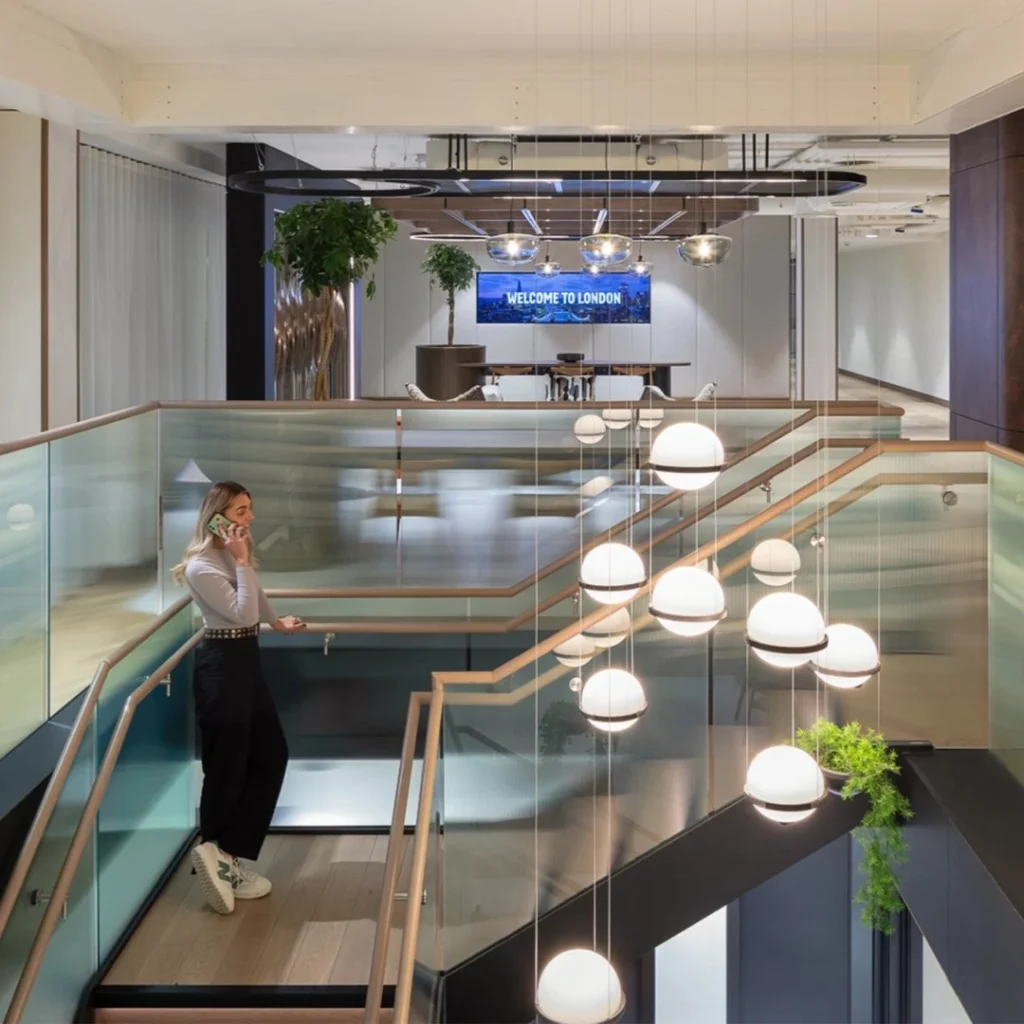
For too long, the strategic approach to workplace investment has been characterized by a piecemeal methodology, focusing on distinct, often infrequent, major interventions. These typically coincide with significant organizational shifts such as lease expiries, relocations, or periods of substantial growth or contraction. While these milestones present natural opportunities to allocate capital towards new or refurbished office environments, they often leave a critical gap in how workplaces adapt to the dynamic nature of modern businesses. The fundamental disconnect lies in the disparate life cycles of buildings and the businesses they house. Organizational priorities, employee expectations, technological advancements, and evolving working practices can undergo profound transformations within the typical lifespan of a commercial lease or a significant refurbishment project. This creates a growing challenge for investors, landlords, and occupiers alike: how can the substantial capital invested in office spaces today continue to deliver optimal value over the next five, ten, or even fifteen years?
The evolution of office design in recent years has been remarkable. It is now rare to encounter a truly "poor" office, unless it stands empty. This heightened awareness is fostering a recognition of the continuous need to evaluate and adapt workspace. At TSK, we are actively collaborating with numerous organizations that are adopting an "always-on" approach to workplace design. This proactive strategy aims to stay ahead of the curve, ensuring that the physical environment consistently supports the evolving objectives of the business. The next crucial step is to cultivate a more comprehensive and widespread understanding of the benefits derived from a sustained, strategic approach, thereby minimizing the disruptive and often costly cycle of reactive, project-based interventions.
The Shortcomings of Transactional Workplace Investment
The traditional model of workplace investment is heavily influenced by a finite set of triggers. These are typically dictated by the physical and contractual realities of commercial property:
- Lease Expiries: When a lease term concludes, organizations often re-evaluate their spatial needs, leading to potential relocations or significant refits.
- Business Relocations: A strategic decision to move premises necessitates a complete overhaul of the workspace.
- Premises Outgrown or Underutilized: As businesses scale, they may require more space, or conversely, a reduction in footprint if efficiency gains or shifts in working patterns occur.
- Landlord Asset Repositioning: Property owners may undertake refurbishments to attract new tenants or enhance the marketability of their assets.
These events, while significant, represent punctuation marks in a continuous narrative of organizational change. The years between these major capital outlays are often characterized by stagnation, during which the workplace fails to keep pace with internal evolution. This creates a significant risk of obsolescence, where a perfectly functional space at its inception gradually becomes ill-suited to the demands placed upon it.
The Growing Disconnect: Business Cycles vs. Building Lifecycles
The core of the problem lies in the asynchronous nature of business operations and property asset lifecycles. While a building might be designed for a 10-20 year lifespan, a business can experience multiple strategic pivots, technological integrations, and cultural shifts within that same timeframe.
- Organizational Priorities: Strategic goals can shift rapidly due to market dynamics, competitive pressures, or evolving leadership visions. These shifts often necessitate changes in team structures, collaboration models, or the types of activities that require physical space.
- Employee Expectations: The modern workforce increasingly demands flexibility, well-being support, and environments that foster collaboration and innovation. These expectations are not static and can evolve significantly with generational shifts and societal trends. Data from the latest Global Workplace Analytics reports consistently highlight a growing demand for flexible work arrangements, with a significant percentage of employees expressing a preference for hybrid models, impacting space utilization and design requirements.
- Technological Advancements: Innovations in communication, collaboration tools, and digital infrastructure can fundamentally alter how work is performed, rendering previously essential physical spaces redundant or requiring new configurations. The rapid adoption of AI and advanced digital tools, for example, is already reshaping the types of tasks employees undertake and the collaborative spaces they need.
- Working Practices: The adoption of agile methodologies, remote work policies, and flexible working hours fundamentally alters the traditional office paradigm, moving away from fixed desk arrangements towards more dynamic, activity-based working environments.
This constant flux means that an office designed to meet specific assumptions about future operations at its inception is likely to face a mismatch with reality as those assumptions inevitably prove incomplete or inaccurate.
Reframing Success: Beyond the "Day One" Aesthetic
The quality of office environments has undeniably improved. Occupiers now rightly expect greater flexibility, robust sustainability credentials, high-quality amenities, and workspaces that cater to a wider array of activities. These elevated expectations have influenced both landlord refurbishment strategies and occupier fit-out decisions. However, the prevailing measure of success often remains anchored to the initial quality and aesthetic appeal of the finished environment. This perspective needs a critical re-evaluation.
A newly completed office might perfectly align with the original brief, but that brief is inherently based on assumptions about future operational needs. These assumptions are subject to constant revision:
- Headcount Fluctuations: Unforeseen growth or reductions in staff numbers can drastically alter space requirements.
- Team Restructuring: Realigning teams to meet new business objectives can necessitate changes in departmental adjacencies, collaboration zones, or individual workspace configurations.
- Technological Impact: The introduction of new technologies can automate tasks, change workflows, and alter the need for specific types of physical space.
- Shifting Business Priorities: Emerging markets, new product lines, or a pivot in strategic direction can create entirely new demands on the physical environment that were not anticipated during the initial design phase.
This creates a situation where businesses may inadvertently make suboptimal investment decisions, placing too much emphasis on creating the "perfect" workplace for today without adequately considering its capacity for tomorrow’s inevitable transformations. The maturity of office design must extend beyond the immediate present, encompassing a forward-looking perspective that anticipates organizational evolution and builds in adaptability from the outset.
The Imperative of Designing for Lasting Value
For landlords and investors, capital expenditure decisions are intrinsically linked to the long-term performance, competitiveness, and ultimately, the financial returns of their assets. Investing in the quality and functionality of an office space can significantly enhance its ability to attract and retain desirable tenants, support premium rental positioning, and bolster its appeal in a competitive market.
However, in an era of rapidly evolving occupier requirements, a building’s ability to accommodate diverse businesses and adaptable working models becomes paramount. An office meticulously designed around a specific tenant’s unique needs might appear impressive initially, but it risks becoming a costly burden if those needs change or if the tenant departs, leaving a highly specialized and difficult-to-reconfigure space.
This underscores the critical importance of designing for adaptability from the earliest stages. This can manifest in various ways:
- Flexible Floorplates: Designing spaces that can be easily reconfigured without extensive structural alterations.
- Robust Services Infrastructure: Ensuring that building services, such as power, data, and HVAC, can support a variety of layouts and density requirements.
- Multi-functional Spaces: Creating areas that can serve multiple purposes over time, adapting to changing programmatic needs.
For occupiers, the commercial considerations, while distinct, revolve around the same core principle: workplace investment must not only meet immediate operational needs but also provide sufficient flexibility to respond to future uncertainties. The priority should be to identify and implement decisions that create enduring value and avoid those that might unnecessarily constrain future options.
Transitioning from Discrete Projects to an Integrated Strategy
A more effective paradigm for workplace investment necessitates a fundamental shift in organizational thinking. Instead of treating each relocation or refurbishment as an isolated, standalone project, businesses must begin to view their workplaces as integral components of a longer-term, overarching property and organizational strategy.
This strategic alignment begins with a deep understanding of not just the current operational landscape but also the anticipated trajectory of organizational change. Key questions to address include:
- What is the projected workforce demographic and size in five to ten years?
- How might emerging technologies fundamentally alter the nature of work and the utilization of physical space?
- Will the space need to accommodate different team structures, novel working patterns, or entirely new business functions?
While precise prediction of organizational evolution over a decade is impossible, the objective is not to design for a single, fixed future. Rather, it is to avoid creating environments that are inherently difficult, inflexible, or prohibitively expensive to adapt. This also implies that workplace strategy should not be a post-project afterthought. Regular, systematic reviews of space performance are essential for identifying emerging requirements before they escalate into significant challenges.
This continuous evaluation enables smaller, targeted interventions. These can empower businesses to respond agilely to new demands without the necessity of waiting for another major, capital-intensive refurbishment. For landlords and asset managers, a similar proactive approach can inform planned investment programs, allowing for the prioritization of improvements that safeguard a building’s long-term relevance and market appeal.
The Criticality of Foresight: Thinking Beyond the Next Lease Event
There exists a natural inclination to anchor workplace investment decisions around clearly defined milestones, such as lease expiries or scheduled refurbishment programs. These events provide legitimate opportunities to reassess requirements and commit capital. However, the accelerated pace of change within modern businesses renders these milestones insufficient as the sole benchmarks for evaluating workplace performance.
The most robust workplace strategies are those that seamlessly connect immediate design decisions with overarching, long-term business and property objectives. This requires a heightened level of collaboration among workplace strategists, designers, occupiers, landlords, and asset managers, particularly during the nascent stages of investment planning. The anticipated evolution of an office space should proactively influence decisions regarding layout, infrastructure, specification, and capital allocation from the outset. Furthermore, it necessitates the recognition that maintaining a high-performing workplace is an ongoing commitment, rather than a singular event concentrating the majority of expenditure at the beginning of an occupancy.
This is not an argument for indiscriminate spending. On the contrary, a more considered and strategic approach can lead to significant cost efficiencies by ensuring that foundational elements are designed for longevity and that other components are engineered for ease of adaptation. Moreover, a commitment to sustainability can be seamlessly integrated into this process, promoting the upcycling and reuse of design elements throughout the lifecycle of the space.
Maximizing the Potential of Modern Workplaces
The workplace design industry can rightfully take pride in its considerable progress. The standard of office design has advanced dramatically, and there is no inherent reason why this trajectory of improvement should cease. However, it is crucial to avoid conflating the aesthetic quality of a workplace with its genuine effectiveness.
An office can be visually stunning and yet fail to adequately support the needs of its occupants. Conversely, a relatively modest environment can perform exceptionally well when it is closely aligned with the specific requirements of a business. Therefore, the next frontier in competitive advantage lies in understanding the intricate interplay between the physical workplace, the people who inhabit it, the technology they utilize, and the overarching organizational culture.
For workplace designers and strategists, this translates to a deeper engagement with the broader business challenges faced by their clients. For occupiers, it demands clarity regarding their workplace objectives and an unwavering commitment to realizing that vision long after the initial project has been delivered. The pertinent question is no longer whether we possess the capability to design superior offices, but rather, how effectively we can empower businesses to derive maximum value from the excellent workplaces that we now know how to create.
This article was authored by Craig Murray, Workplace Strategy Director at TSK, a firm with extensive experience in innovative workplace design and organizational strategy.