The imperative for organizations to prioritize employee wellbeing is no longer a matter of debate; it is a strategic necessity. HR leaders widely acknowledge its importance, yet the challenge lies in translating this understanding into tangible, effective programs. The complexities of modern work – characterized by hybrid and remote arrangements, diverse schedules, and varying employee needs – demand a nuanced approach. A one-size-fits-all solution is impractical; instead, successful wellbeing initiatives are built on accessibility, sustainability, and a deep understanding of what employees actually need and will utilize.
The shift towards more flexible work models has amplified the need for robust wellbeing strategies. As the lines between professional and personal life blur, employees face increased risks of burnout and disengagement. A well-designed wellbeing program, while not a panacea for all workplace challenges, can provide essential support, demonstrating to employees that their daily experiences and overall health are valued. This, in turn, can foster greater involvement, resilience in the face of adversity, and stronger connections among colleagues, ultimately contributing to enhanced retention and a more positive organizational culture.
The Foundation of Modern Wellbeing: Four Pillars of Support

Effective employee wellbeing programs extend beyond isolated benefits or activities. They are built upon a holistic framework that addresses multiple facets of an individual’s life that can impact their work experience. While the specific blend will vary by organization, four core pillars provide a solid foundation for developing comprehensive wellbeing initiatives:
Physical Health Initiatives
Promoting physical wellbeing encompasses encouraging movement, ensuring adequate rest, and facilitating access to health resources. This can manifest in various forms, from organizing informal walking groups and providing ergonomic assessments to offering opportunities for preventive health screenings. The key to success lies in ensuring flexibility, allowing employees with different abilities, work schedules, and personal interests to participate in ways that are convenient and meaningful to them. For instance, a company might offer a subsidized gym membership alongside a virtual fitness challenge that employees can join at their own pace.
Mental and Emotional Wellbeing
The need for mental and emotional support fluctuates for individuals. Initiatives in this area can range from providing access to confidential counseling services and Employee Assistance Programs (EAPs) to equipping managers with resources and training to support their teams’ mental health. Crucially, fostering a culture that encourages regular breaks and discourages stigma around seeking help is paramount. Clear communication about available support channels and a steadfast commitment to protecting employee privacy are essential for building trust. Data from organizations like the World Health Organization consistently highlights the economic burden of mental health conditions, underscoring the business case for proactive investment in this area.
Social Wellness
Positive interpersonal relationships are fundamental to an employee’s sense of belonging and connection to their workplace. Fostering social wellness can involve creating opportunities for informal team meetups, implementing peer recognition programs, or establishing buddy systems, particularly for new hires or remote employees. These initiatives aim to build camaraderie and understanding among colleagues. It is vital that such activities are designed to be inclusive and optional, ensuring they feel like valuable opportunities for connection rather than additional demands on an employee’s time.

Financial Wellness
Financial concerns can significantly impact an individual’s overall wellbeing, yet employees may feel hesitant to discuss these issues openly. Offering practical support, such as financial education workshops, budgeting tools, or access to personalized financial advice, can empower employees to manage their finances more effectively. These programs should focus on providing actionable information and resources, acknowledging that employees have diverse financial circumstances and goals. According to a recent survey by the American Psychological Association, financial stress is a leading cause of overall stress for employees, impacting their productivity and health.
Innovative Wellbeing Program Ideas for Today’s Workforce
Organizations need not launch comprehensive programs all at once. A strategic approach involves selecting a few initiatives that align with the team’s specific needs and company culture, clearly communicating participation guidelines, and assessing their reception. A balanced offering across the four core pillars can maximize engagement and benefit a broader spectrum of employees.
Physical Wellbeing in Action
- Flexible Fitness Challenges: Virtual step challenges, team-based activity trackers, or company-wide wellness challenges that allow for asynchronous participation.
- Ergonomic Support: Virtual or in-person assessments to ensure comfortable and healthy workspaces, especially for remote employees.
- Health Screenings and Education: Offering on-site or virtual health checks, flu shot clinics, or webinars on topics like nutrition and sleep hygiene.
Enhancing Mental and Emotional Resilience
- Expanded EAP Access: Ensuring employees are aware of and can easily access confidential counseling and support services.
- Mindfulness and Meditation Resources: Providing access to apps or guided sessions for stress reduction and mental clarity.
- Manager Training: Equipping managers with the skills to recognize signs of distress, have supportive conversations, and direct employees to appropriate resources.
- Mental Health Days/Flexibility: Encouraging employees to take time off when needed for mental recuperation, without requiring extensive justification.
Cultivating Social Connections
- Virtual Coffee Breaks and Socials: Organized informal online gatherings to foster casual interaction.
- Interest-Based Groups: Facilitating employee-led groups based on shared hobbies or interests, fostering connections beyond work tasks.
- Peer-to-Peer Recognition Platforms: Implementing systems that allow employees to acknowledge and appreciate each other’s contributions, strengthening team bonds.
- Mentorship Programs: Pairing employees for professional development and relationship building.
Strengthening Financial Security
- Financial Literacy Workshops: Sessions covering budgeting, saving, debt management, and investment basics.
- Access to Financial Advisors: Offering consultations with financial planning professionals.
- Benefits Education: Ensuring employees understand and can maximize their existing benefits, such as retirement plans and insurance options.
- Emergency Fund Support: Potentially offering resources or guidance on building emergency savings.
Adapting Wellbeing for Remote and Hybrid Teams

The shift to remote and hybrid work necessitates tailored wellbeing strategies. These employees often have fewer organic opportunities for informal connection and may struggle to disconnect from work. Wellbeing programs must be easily accessible regardless of location, without mandating synchronous participation.
- Digital Wellbeing Hubs: Centralized online platforms where employees can find all wellbeing resources, articles, and activity schedules.
- Virtual Social Events: Online game nights, trivia, or themed happy hours designed for remote participation.
- Asynchronous Fitness and Wellness Programs: Pre-recorded workout videos, on-demand meditation sessions, or challenges that can be completed on an individual schedule.
- "No Meeting" Blocks: Designating specific times or days where meetings are discouraged to allow employees focused work time and breaks.
- Care Packages: Sending physical packages with items promoting wellbeing, such as healthy snacks, desk plants, or mindfulness tools, to remote employees.
Building a Year-Round Wellbeing Calendar
A structured wellbeing calendar can transform program management from reactive to proactive. It allows for consistent engagement throughout the year, avoiding the common pitfall of concentrating efforts around a single annual campaign. The calendar should be a dynamic tool, incorporating themes that resonate with employee needs and organizational priorities.
Key elements for a successful wellbeing calendar:

- Thematic Focus: Integrate seasonal topics, relevant awareness days (e.g., Mental Health Awareness Month), and recurring themes like rest, movement, connection, and financial literacy.
- Manageable Activities: Pair each theme with one or two concrete actions, such as a short learning session, an optional team activity, a wellbeing tip, or a reminder about existing benefits.
- Diverse Participation Options: Ensure a mix of synchronous and asynchronous activities, catering to different schedules and preferences.
- Clear Communication Strategy: Plan communications well in advance, explaining the purpose and benefits of each activity and how to participate. Leverage multiple channels, including email, internal communication platforms, and manager cascades.
- Managerial Support: Encourage managers to champion wellbeing initiatives, share resources with their teams, and model healthy behaviors.
- Regular Review and Adaptation: Continuously gather feedback from employees on what is working and what could be improved. This iterative process is crucial for ensuring the program remains relevant and impactful.
Measuring the Impact of Wellbeing Initiatives
Quantifying the success of a wellbeing program is essential for demonstrating its value and identifying areas for enhancement. While complex dashboards are not always necessary, establishing a few key metrics aligned with program goals is crucial.
Key indicators to consider:
- Participation Rates: Tracking engagement with various programs and resources.
- Employee Feedback: Regularly soliciting feedback through surveys, focus groups, and informal channels to gauge satisfaction and perceived value.
- Engagement Survey Scores: Monitoring trends in overall employee engagement, morale, and satisfaction with wellbeing support.
- Resource Utilization: Tracking the usage of specific benefits or tools, such as EAP services or financial planning resources.
- Absenteeism and Presenteeism Rates: While influenced by numerous factors, a positive trend in reduced absenteeism and improved presenteeism can be an indirect indicator of improved wellbeing.
- Retention Rates: Observing whether improved wellbeing initiatives contribute to higher employee retention.
Establishing a baseline before implementing new initiatives and conducting periodic reviews allows for meaningful comparisons. Transparently sharing findings with employees and demonstrating how their feedback informs program adjustments fosters a sense of ownership and continuous improvement.

Avoiding Common Pitfalls in Wellbeing Program Design
Even with the best intentions, wellbeing programs can fall short if certain common mistakes are not addressed. Proactive awareness can help organizations steer clear of these potential missteps.
- Lack of Employee Input: Designing programs based on assumptions rather than understanding employee needs and preferences can lead to low adoption rates. Engaging employees in the planning process through surveys, focus groups, or suggestion boxes is vital.
- One-Size-Fits-All Approach: Failing to acknowledge the diverse needs, schedules, and circumstances of a workforce can alienate significant portions of employees. Offering a variety of options, including private and self-paced resources, is key.
- Perceived as an Obligation: Overloading employees with mandatory events or excessive competitive challenges can create stress rather than alleviate it. Maintaining voluntary participation and emphasizing choice is paramount.
- Excluding Management: If managers are not informed, supported, or aligned with wellbeing initiatives, their influence can inadvertently undermine program goals. Equipping managers with clear guidance and making them advocates for wellbeing is essential.
- Poor Communication and Accessibility: A well-intentioned program becomes ineffective if employees are unaware of its existence or struggle to access resources. Centralized, clear, and consistently communicated information is crucial.
- Focusing Solely on Activity Metrics: Measuring attendance alone does not indicate the program’s usefulness or impact. Pairing participation data with qualitative feedback and measuring perceived value provides a more comprehensive understanding.
Your Wellbeing Program Action Plan: A Phased Approach
Embarking on the journey of developing an employee wellbeing program does not require a perfectly crafted blueprint from the outset. The most effective approach involves understanding employee needs, implementing a few targeted actions, and iteratively building upon learned insights.

- Assess Needs: Conduct employee surveys, focus groups, or informal discussions to identify key wellbeing priorities and challenges.
- Prioritize Initiatives: Based on employee feedback and organizational capacity, select a few high-impact initiatives across the four core pillars.
- Pilot and Gather Feedback: Launch a pilot program for selected initiatives, gathering feedback on usability, relevance, and impact.
- Communicate and Educate: Develop a clear communication strategy to inform employees about available resources and encourage participation.
- Measure and Adapt: Track key metrics, solicit ongoing feedback, and make necessary adjustments to refine and expand the program.
Employee Wellbeing Program FAQs
Q: What are the most cost-effective employee wellbeing program ideas?
Cost-effective options often involve optimizing existing resources and fostering internal initiatives. This includes clearly communicating existing benefits, promoting flexible work practices, organizing informal walking groups, facilitating peer-to-peer connections, and offering short, informative learning sessions. Piloting ideas and gathering employee input before significant investment can help ensure resources are allocated to initiatives with the highest potential for impact.
Q: How do I measure the success of an employee wellbeing program?
Success measurement should be tailored to specific program goals. Key indicators can include tracking participation rates, analyzing employee feedback from surveys and focus groups, monitoring changes in employee engagement survey results, and assessing the ease with which employees can access resources. While broader metrics like absenteeism and retention can provide context, they are influenced by multiple factors. A multi-faceted approach, considering various signals together, offers a more accurate picture.
Q: What wellness program ideas work best for remote and hybrid teams?
A blend of flexible and accessible options is generally most effective. Virtual social events, online fitness challenges that allow for asynchronous participation, and digital wellbeing resources can foster connection and activity. Crucially, asking employees about their preferred formats and considering different time zones is vital for ensuring inclusivity and engagement.
Q: What are the benefits of using an employee engagement platform for wellness programs?

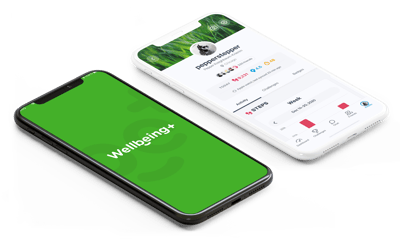
An employee engagement platform can serve as a central hub for employees to discover and access wellbeing resources, activities, and benefit information. For HR teams, it can streamline communication, facilitate program promotion, and provide insights into employee engagement with wellbeing initiatives. Essentially, it enhances the accessibility and manageability of wellbeing support, complementing the fundamental need for active listening and continuous program improvement based on employee feedback.
Reward Gateway | Edenred offers comprehensive solutions designed to empower HR teams in creating, communicating, and sustaining effective employee wellbeing initiatives. Their employee engagement platform aims to simplify access to relevant support for employees and provide HR professionals with the tools to maintain program visibility and manageability. By integrating various wellbeing components into a single, accessible platform, organizations can foster a culture of support and prioritize the holistic health of their workforce.