The social sector, a landscape inherently dedicated to driving positive change, often finds itself on the frontline of disruption. Funding streams can evaporate without notice, policy landscapes shift with legislative whims, and crucial partnerships can dissolve overnight. For organizations striving to address complex societal challenges, these external pressures are not anomalies but rather the persistent hum of their operating environment. In the face of such relentless volatility, the predictable, and often understandable, instinct is to hunker down and prioritize direct service delivery. This strategic retrenchment, however, may inadvertently undermine the very capacity needed to weather the storms and achieve long-term mission impact.
Social sector organizations are currently navigating a dual challenge: the profound change they are actively working to create—fostering better outcomes, strengthening communities, and dismantling systemic inequities—and the operational change that constantly buffets them. This includes the instability of funding, the ebb and flow of policy priorities, and the ever-present need to adapt to evolving community needs. When external pressures intensify, the focus naturally sharpens on the immediate needs of beneficiaries. Resources are finite, the mission is urgent, and pausing investments in areas beyond direct service delivery can appear to be the most responsible course of action while awaiting a return to stability.
However, for many organizations within the social sector, volatility is not an exceptional circumstance but the norm. The ability to achieve enduring, long-term mission impact hinges on the presence of individuals who can not only lead through ambiguity but also cultivate alignment and commitment both internally and externally. This is precisely where leadership development emerges as a critical, yet often overlooked, component of organizational capacity-building. The evidence supporting its efficacy is robust and increasingly clear.
Capacity-building for nonprofits is a multifaceted approach designed to bolster an organization’s ability to fulfill its mission over an extended period. This encompasses a range of strategic investments, including the cultivation of leadership capabilities, the enhancement of organizational systems, the strengthening of collaborative partnerships, and the development of the resilience necessary to adapt to shifting conditions.
Strengthening Leaders: A Direct Pathway to Mission Amplification
Social sector leaders bring an invaluable wealth of expertise to their roles—deep subject matter knowledge, clinical proficiency, nuanced policy understanding, and profound community credibility. Yet, the complex work of collaborating across diverse boundaries, engaging a multitude of stakeholders, and sustaining progress over time requires a distinct set of capabilities that specialized expertise alone does not guarantee. The deliberate development of these capabilities is an indispensable element of comprehensive nonprofit capacity-building.
As one prominent nonprofit stakeholder articulated, "When you invest in the leadership skills…you increase the odds and the pace and the sustainability of impact. Can they get there without it? Sure, some will. But you will get higher numbers, you will get longer-term vision and outcomes. You will have even bigger thinking when you invest in this kind of space." This sentiment underscores the transformative power of investing in human capital, suggesting that while some individuals may possess innate leadership qualities, structured development significantly amplifies their effectiveness and broadens the scope of their potential impact.
Extensive research has begun to quantify the lasting impact of such investments. A multi-study examination of capacity-building initiatives for nonprofits, drawing on qualitative interviews and survey data from nearly 300 social sector leaders who participated in targeted programs, revealed a direct correlation between leadership investment and tangible outcomes. These outcomes included the expansion of healthcare access, measurable reductions in maternal mortality rates, and the successful implementation of civic initiatives aimed at mitigating systemic inequities.
The mechanism through which leadership development fosters this enhanced nonprofit capacity is not solely about acquiring new skills; it is also about a profound internal recalibration. Leaders begin to evaluate themselves differently and to expand their perception of what is achievable. This recalibration of personal standards and leadership identity often serves as the catalyst for larger organizational change. It influences how leaders present themselves to others, the ambitious goals they pursue, and their capacity to respond effectively when confronted with adversity.
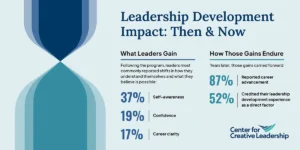
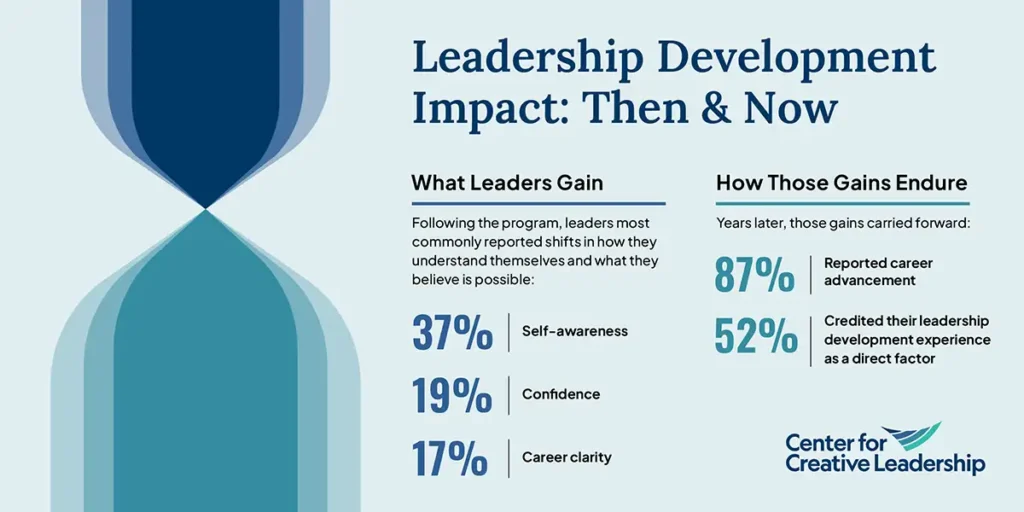
In one notable study involving 261 nonprofit leaders, the most frequently reported gains were increased self-awareness (37%), enhanced confidence (19%), and greater career clarity (17%). Participants described experiences such as learning to recognize their accomplishments without allowing feelings of inadequacy to overshadow them, or transitioning from a state of "massive imposter syndrome" to a more concrete understanding of how to effectively drive impact.
These profound internal shifts inevitably translate into observable behavioral changes. A leader who previously remained silent in critical meetings may begin to articulate their insights with conviction. A program director, whose sense of possibility has been expanded, might feel empowered to pursue larger grant opportunities or forge new, strategic partnerships. These individual transformations ripple outward, influencing decision-making processes and enhancing an organization’s ability to respond with agility and effectiveness under pressure.
The Pillars of Effective Nonprofit Capacity-Building
The positive effects of leadership development are not ephemeral; they demonstrate remarkable durability over time. In a follow-up survey conducted several years after nonprofit leaders had completed a development program, an impressive 87% reported career advancement, with more than half explicitly crediting their leadership development experience as a direct contributing factor.

Research consistently points to three core elements that are crucial for fostering lasting impact within nonprofit capacity-building initiatives:
- Targeted Skill Development: This involves providing leaders with the specific tools, knowledge, and techniques necessary to navigate complex challenges. This can range from strategic planning and financial management to conflict resolution and effective communication. For instance, in the context of fluctuating funding, leaders might receive training in diversified fundraising strategies or advanced grant writing.
- Personal Growth and Reflection: Beyond technical skills, effective capacity-building fosters introspection and self-awareness. This includes opportunities for leaders to examine their leadership styles, understand their strengths and weaknesses, and develop greater emotional intelligence. This personal growth is crucial for building resilience and maintaining motivation in challenging environments. A leader who understands their triggers for stress, for example, can develop proactive coping mechanisms.
- Sustained Support and Peer Networks: The development process should not be a one-off event. Ongoing support, such as mentorship, coaching, and the cultivation of peer networks, provides leaders with a vital support system. These networks offer a space for sharing experiences, problem-solving collaboratively, and drawing strength from collective wisdom. This is particularly important for leaders in isolated roles, providing them with a sense of community and shared purpose.
When all three of these elements are present and integrated, the positive impact of capacity-building initiatives tends to spread throughout the organization and beyond. Conversely, when these elements are absent or underdeveloped, progress often remains confined to the individual level, failing to translate into broader organizational or community-level change.
The Imperative of Investment: Leadership as the Bedrock of Resilience
The current climate of resource constraint, far from being a reason to suspend investments in nonprofit capacity-building, presents the most compelling argument for their continuation. In times of heightened uncertainty, organizations become even more reliant on the capabilities of their people. The capacity for effective leadership does not spontaneously emerge, nor can it be sustained without consistent reinforcement.
Leadership development deliberately cultivates this crucial capacity. Decades of work within the social sector have demonstrated that the return on this investment is tangible, enduring, and far-reaching. Organizations within the social sector that choose to invest in their people during periods of change are not doing so out of an abundance of surplus resources. Instead, they do so because they possess a profound understanding that their long-term mission impact is inextricably linked to individuals who are not only equipped with the necessary skills but are also actively supported and empowered to lead as circumstances evolve.
The challenges faced by the social sector are multifaceted and deeply entrenched. Addressing issues such as poverty, educational disparities, healthcare access, and environmental degradation requires sustained effort, innovative solutions, and unwavering commitment. This commitment is fostered and sustained by leaders who are not only passionate about their cause but also possess the strategic acumen, interpersonal skills, and personal resilience to navigate the inevitable obstacles.
Consider the historical context: the social sector has weathered numerous economic downturns and policy shifts. During the Great Recession of 2008, for instance, many nonprofits experienced significant funding cuts, forcing difficult decisions about program reductions and staff layoffs. Yet, organizations that had previously invested in leadership development and robust internal systems were often better positioned to adapt, pivot their strategies, and continue serving their communities. The experience of navigating past crises has provided invaluable lessons, reinforcing the understanding that resilience is not a passive state but an actively cultivated attribute.
The implications of neglecting leadership development are significant. Without nurtured leadership, organizations risk a decline in their ability to innovate, adapt, and attract and retain top talent. This can lead to a stagnation of progress, a diminishment of impact, and, in the most severe cases, the eventual dissolution of organizations that were once vital to their communities. The ripple effect of such closures can be devastating, leaving vulnerable populations without essential services and undermining years of dedicated work.
A Call to Action: Investing in a Resilient Future
The social sector stands at a critical juncture. The complexities of the challenges it addresses, coupled with the inherent volatility of its operating environment, demand a strategic and sustained commitment to strengthening its most valuable asset: its people. Investing in leadership development is not merely an optional expenditure; it is a fundamental requirement for ensuring the long-term viability and impact of organizations dedicated to positive social change.
The evidence is clear: organizations that prioritize leadership capacity-building are better equipped to navigate uncertainty, drive innovation, and achieve greater, more sustainable outcomes. This investment fosters a culture of resilience, empowers individuals to rise to challenges, and ultimately strengthens the collective ability of the social sector to build a more equitable and just future for all.
For foundations, policymakers, and the leaders of social sector organizations themselves, the message is unequivocal: the moment to invest in capacity-building, particularly in leadership development, is now. The challenges may be relentless, but the capacity to meet them can be deliberately and effectively cultivated. By embracing this imperative, the social sector can not only weather the storms of change but emerge stronger, more adaptable, and more impactful than ever before.
Ready to Take the Next Step?
We have dedicated decades to partnering with nonprofits, foundations, and social sector organizations to cultivate lasting leadership. Explore our capacity-building solutions tailored for nonprofits and social sector organizations, and discover what a powerful partnership looks like in practice.