For too long, workplace investment has been approached as a series of individual projects, with significant attention given to the design and delivery of an office, followed by a period in which relatively little changes until the next major intervention. What we need to remember is that businesses don’t operate in the same cycles as their buildings. This outdated paradigm, driven by reactive responses to lease expiries, relocations, or space constraints, is increasingly failing to meet the dynamic needs of modern organizations. Experts are now calling for a fundamental shift towards a continuous, strategic approach to workplace development, one that prioritizes adaptability and lasting value over short-term project completion.
The Reactive Cycle of Workplace Investment
The current landscape of workplace investment is largely dictated by a limited number of significant events. These often include lease expirations, necessitating either renegotiation or relocation; organizational growth or contraction requiring a move to new premises; or a landlord’s strategic decision to reposition a property asset. While these milestones provide opportune moments for substantial capital expenditure on new or refurbished office environments, they leave a significant gap in how workplaces are managed and evolved in the intervening years.
This "event-driven" model, as described by industry professionals, overlooks the fundamental disconnect between the lifecycle of a business and the physical asset it occupies. Organizational priorities, employee expectations, technological advancements, and evolving working practices can all undergo considerable transformation within the typical duration of a lease or a major refurbishment. This creates a persistent challenge for investors, landlords, and occupiers alike: how to ensure that the capital invested in office spaces today continues to deliver tangible value over the next five, ten, or even fifteen years.
The Maturation of Office Design and the "Always On" Imperative
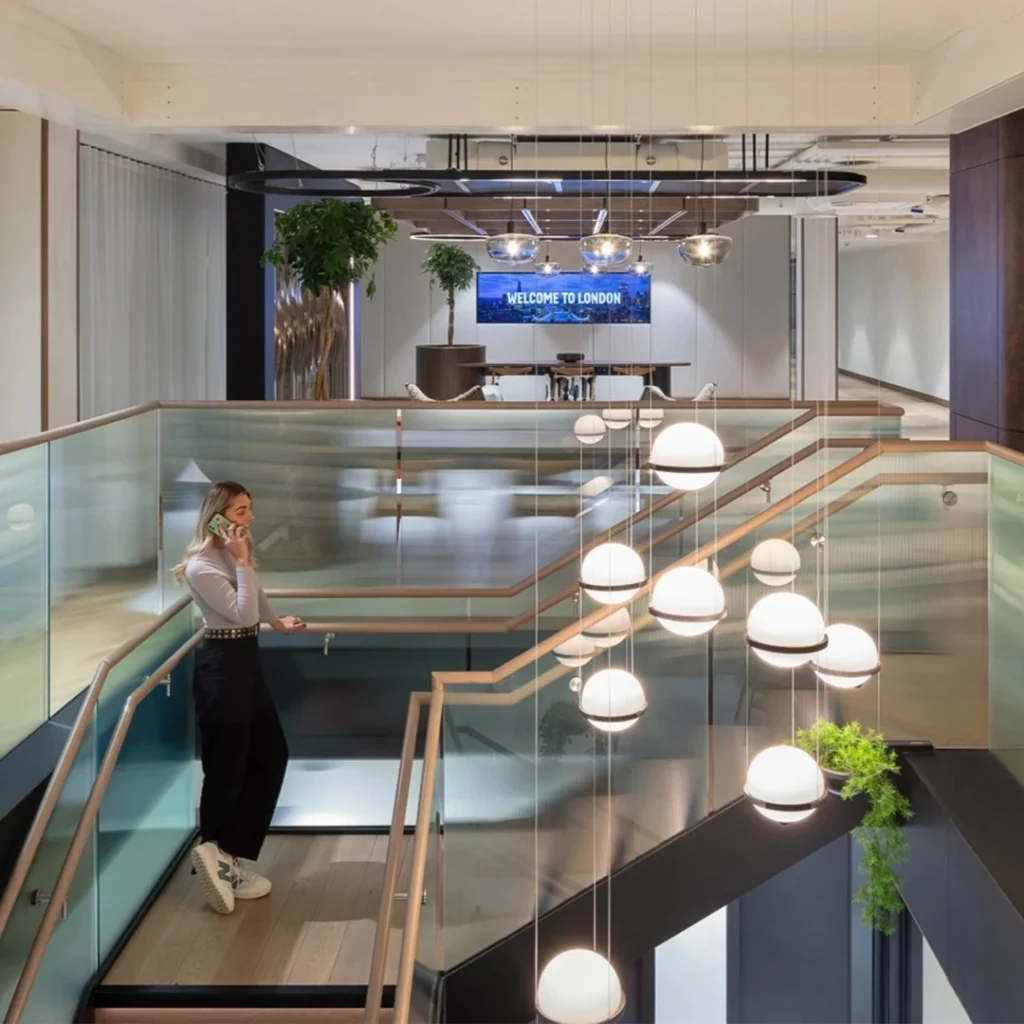
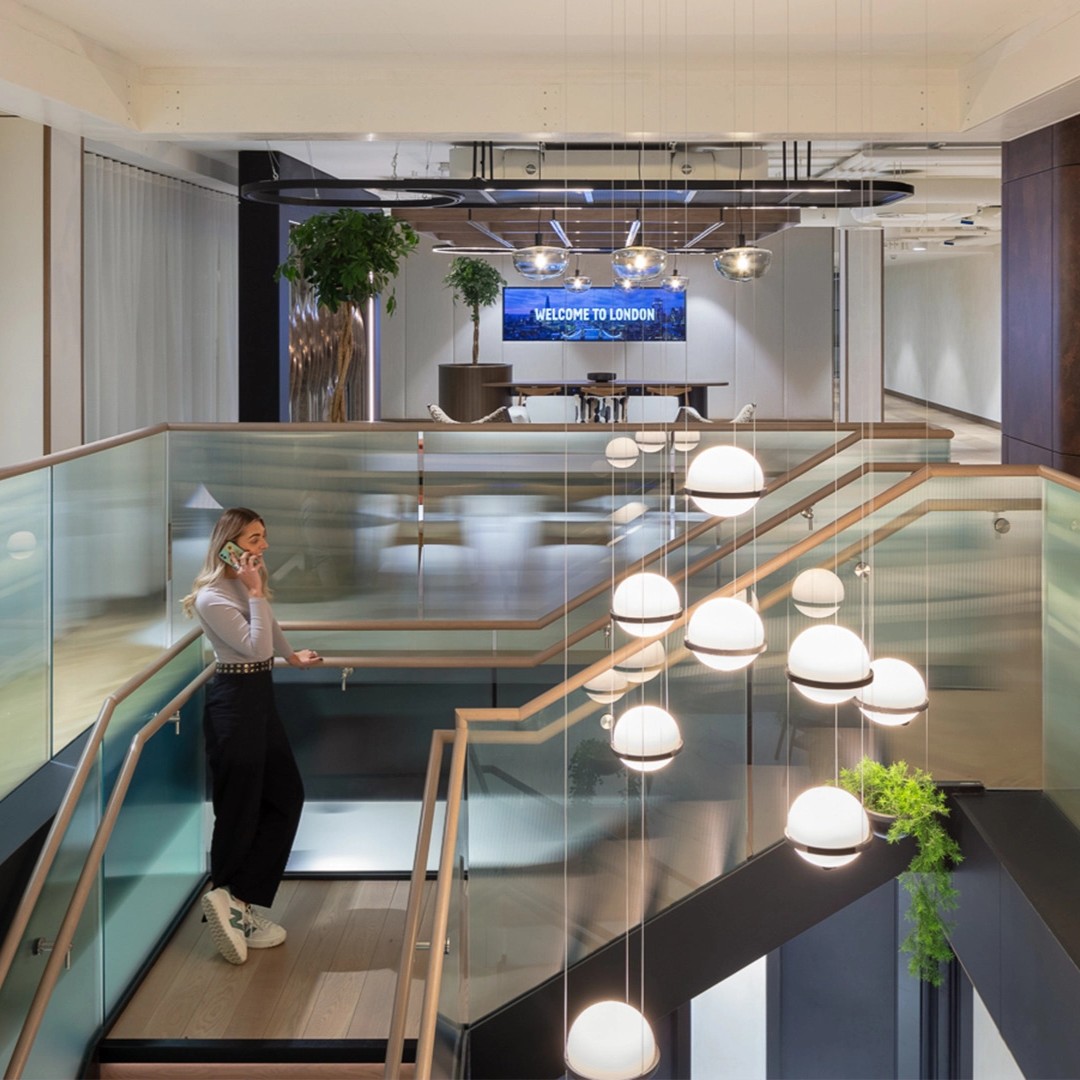
The quality of office environments has seen a dramatic improvement in recent years. The days of universally poor office spaces are largely behind us, with the primary concern now being that of an empty or underutilized one. This maturation in design standards has fostered a growing awareness of the perpetual need to evaluate and adapt workplace environments.
At TSK, for example, workplace strategy directors are actively collaborating with businesses that champion an "always on" approach to workplace design. This proactive philosophy aims to stay ahead of evolving trends and better align the physical workspace with the shifting objectives of the organization. The next critical step, according to experts like Craig Murray, Workplace Strategy Director at TSK, is to cultivate a deeper and broader understanding of the benefits derived from a continuous, strategic approach, thereby rendering the disruptive cycle of project-to-project lurches a rarity.
Designing Beyond Day One: Anticipating Future Needs
Occupiers today expect more than just functional space. Their demands have evolved to include greater flexibility, robust sustainability credentials, high-quality amenities, and environments that actively support a wider spectrum of work activities. These evolving expectations have significantly influenced both landlord refurbishment strategies and tenant fit-out decisions. However, the ultimate measure of success for these investments often remains fixated on the quality of the finished product, a metric that requires re-evaluation.
A newly completed office might perfectly fulfill the initial brief, but that brief is inherently based on assumptions about future organizational operations. Factors such as fluctuations in headcount, team restructuring, technological integration that alters employee tasks, and the emergence of new business priorities can all create entirely different demands on the physical environment. This can lead to suboptimal investment decisions, with too much emphasis placed on creating the "right" workplace for the present, without adequate foresight into its future adaptability. True office design maturity necessitates thinking many years ahead, designing not just for the immediate needs but also incorporating mechanisms for adaptation to inevitable organizational shifts.
The Pursuit of Lasting Value: Adaptability as a Key Asset
For landlords and investors, capital expenditure decisions are intrinsically linked to the long-term performance and competitiveness of their assets. Investing in high-quality office spaces can significantly enhance their ability to attract tenants, support premium rental positioning, and improve overall market appeal. However, in a rapidly evolving occupier market, a building’s capacity to accommodate diverse businesses and working models is paramount. An office meticulously designed around a specific tenant’s initial requirements, while impressive at inception, may necessitate further substantial investment when those requirements inevitably change.
This underscores the importance of designing for adaptability from the outset. This can manifest in flexible floorplates, robust service infrastructure capable of supporting varied layouts, and spaces designed to serve multiple functions over time. Such forward-thinking design can minimize the need for extensive and costly refurbishments down the line.
For occupiers, the commercial considerations, while differing in nuance, share the same underlying principle. Workplace investment must not only meet immediate organizational needs but also provide the necessary flexibility to respond to future changes. The priority should be to identify investment decisions that will continue to generate value and avoid those that might restrict future operational options.
Shifting from Project-Based to an Ongoing Strategic Framework
A more effective approach to workplace investment necessitates a significant paradigm shift. Instead of treating each relocation or refurbishment as an isolated, standalone project, organizations should integrate their workplace strategy into a broader, long-term property and organizational vision.
This strategic integration begins with a comprehensive understanding of not only the current operational landscape but also the projected evolution of organizational requirements. Key questions to consider include: What is the anticipated workforce composition in five years? How might technological advancements influence the types of activities conducted within the office? Could the space need to accommodate different teams, evolving working patterns, or entirely new business functions?
While precise predictions of organizational evolution over a decade are impossible, the objective is not to design for a single, fixed future. Rather, it is to avoid creating environments that are unnecessarily difficult or prohibitively expensive to modify. This also implies that workplace strategy should not be a transient concern that dissipates once a project is complete. Regular reviews of space utilization and performance can empower organizations to identify emerging requirements before they escalate into significant challenges.
Smaller, targeted interventions can enable businesses to respond nimbly to new demands without awaiting another major refurbishment cycle. For landlords and asset managers, a similar, ongoing approach can inform planned investment programs, helping to prioritize improvements that sustain a building’s relevance and market appeal.
Beyond the Next Lease Event: Embracing a Future-Oriented Perspective
There is a natural inclination to anchor workplace investment around clearly defined milestones such as lease events and refurbishment programs. These events provide logical junctures for reviewing requirements and committing capital. However, the accelerated pace of change within businesses renders these milestones insufficient as the sole determinants of workplace performance evaluation.
The most robust workplace strategies will seamlessly connect immediate design decisions with overarching, long-term business and property objectives. This requires enhanced collaboration among workplace strategists, designers, occupiers, landlords, and asset managers, particularly in the nascent stages of investment planning. Understanding the potential future evolution of an office space should inform decisions regarding layout, infrastructure, material specifications, and capital allocation from the very inception of a project. It also entails acknowledging that maintaining an effective and dynamic workplace may necessitate ongoing investment, rather than concentrating the bulk of expenditure at the commencement of an occupation.
This is not an argument for indiscriminate spending. In fact, a more considered and strategic approach can lead to the reduction of unnecessary expenditure by ensuring that critical elements are designed for longevity and that other components are inherently adaptable. Furthermore, sustainability principles can be effectively integrated into this ongoing process, promoting the upcycling and reuse of design elements throughout the lifecycle of the workplace.
Maximizing the Potential of Today’s Excellent Workplaces
The workplace design industry can rightfully take pride in its considerable advancements. The standard of office design has improved immeasurably, and there is no inherent reason why this progress should not continue. However, it is crucial to differentiate between the aesthetic quality of a workplace and its functional effectiveness.
An office can be visually stunning yet fail to adequately support its occupants. Conversely, a relatively simple environment can perform exceptionally well when it is meticulously aligned with the specific needs of a business. The next frontier of competitive advantage, therefore, lies in a holistic understanding of how the physical workplace, its people, technology, and organizational culture interact and influence one another.
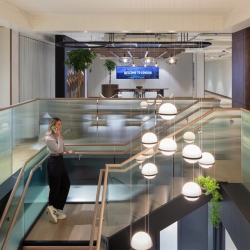
For workplace designers and strategists, this translates to a deeper engagement with the broader business challenges faced by their clients. For occupiers, it means articulating a clear vision of what they expect their workplace to achieve and maintaining a steadfast commitment to that vision long after the initial project has been delivered. As industry experts suggest, the pertinent question is no longer whether we can design better offices, but rather how we can empower businesses to derive maximum value and efficacy from the excellent workplaces that we now possess the knowledge and capability to create.
Supporting Data and Context:
The concept of a dynamic workplace aligns with broader economic and social trends. For instance, the rise of hybrid and remote working models, accelerated by global events, has fundamentally altered how employees interact with office spaces. A 2023 report by Global Workplace Analytics indicated that 57% of US employees work remotely at least one day a week, a significant increase from pre-pandemic levels. This shift necessitates office designs that cater not only to focused individual work but also to collaborative activities, serendipitous encounters, and the fostering of company culture, all of which require adaptable spaces.
Furthermore, the increasing emphasis on Environmental, Social, and Governance (ESG) factors by investors and corporations alike places a premium on sustainable and adaptable building solutions. The Ellen MacArthur Foundation, a leading advocate for a circular economy, highlights that the construction and built environment sector accounts for a substantial portion of global resource consumption and waste. Designing for adaptability, reuse, and longevity directly contributes to reducing this environmental impact, making it a key consideration for long-term asset value.
Implications for the Real Estate Market:
The shift towards continuous workplace evolution has significant implications for the commercial real estate market. Landlords who invest in flexible infrastructure, modular design, and building management systems that allow for easy reconfiguration will be better positioned to attract and retain tenants in a competitive market. This could lead to a greater demand for flexible office solutions and a potential premium for buildings designed with future adaptability in mind. Conversely, older, less adaptable stock may face challenges in attracting premium rents and tenants.
Timeline of Change:
The current approach to workplace investment has evolved over decades, often tied to the traditional lease cycles of 5-10 years. However, the pace of technological change and evolving work practices has compressed the relevant lifespan of workplace design. The COVID-19 pandemic acted as a significant catalyst, accelerating the adoption of flexible working and highlighting the limitations of static office environments. This has prompted a re-evaluation of workplace strategy, with many organizations now considering shorter-term agile leases or investing in more adaptable fit-outs. The ongoing trend suggests a move towards a more fluid, responsive model that is not dictated by rigid, long-term contracts but by ongoing operational needs and strategic objectives.