A confluence of unprecedented economic and technological shifts is precipitating a significant decline in global employee engagement rates, posing a critical challenge for organizations worldwide. New research highlights a complex interplay of factors, including a constrained job market, pervasive layoff anxiety, the burgeoning uncertainty surrounding artificial intelligence, and a persistent rise in employee burnout, as primary drivers of this disengagement. This downturn signals a crucial moment for leadership to reassess strategies for fostering a resilient and committed workforce in an increasingly volatile environment.
The findings, reported by HRDive on November 6, 2026, underscore a worrying trend that extends beyond mere dissatisfaction, pointing instead to a fundamental erosion of trust and psychological safety within the workplace. The research indicates that while some of these pressures are cyclical, others, particularly those related to the rapid integration of artificial intelligence, represent novel challenges requiring innovative solutions.
The Landscape of Disengagement: A Deep Dive into Contributing Factors
The current state of employee engagement is not a monolithic issue but rather a symptom of several interconnected stressors. Each factor contributes to a cumulative sense of unease and detachment among workers, making it increasingly difficult for organizations to cultivate a high-performing and motivated workforce.
1. A Constrained Job Market and Hiring Slowdown
The global economy has experienced a period of significant fluctuation in recent years, transitioning from a post-pandemic hiring boom to a more conservative, low-hire job market. This shift is largely attributed to persistent inflationary pressures, rising interest rates, and broader economic uncertainties that have prompted companies to exercise greater caution in their recruitment and expansion plans. Businesses, wary of potential downturns, have often opted for hiring freezes, reduced new positions, and consolidated roles, creating an environment where opportunities for career advancement and external mobility appear limited.
For employees, a tight job market translates into fewer options, diminishing their perceived leverage and increasing feelings of being "stuck." The psychological impact of a perceived lack of alternatives can be profound, leading to decreased motivation, a reluctance to innovate, and a diminished sense of agency. When employees feel that their professional growth is stagnant and external opportunities are scarce, their intrinsic drive to contribute meaningfully to their current organization can wane significantly. This stagnant environment contrasts sharply with the "Great Resignation" era, where employees felt empowered to seek better opportunities, highlighting a complete reversal of dynamics that now favors employers but at the cost of employee morale.
2. Pervasive Layoff Anxiety
Perhaps one of the most potent inhibitors of engagement is the escalating fear of job loss. While actual layoff numbers have fluctuated across sectors, particularly in the technology industry which saw significant workforce reductions in late 2023 and early 2024, the anxiety surrounding potential layoffs has consistently outpaced the reality. This phenomenon, highlighted by recent Glassdoor research, suggests that the psychological impact of layoff rumors, restructuring announcements, and even general economic news is creating a pervasive atmosphere of insecurity.
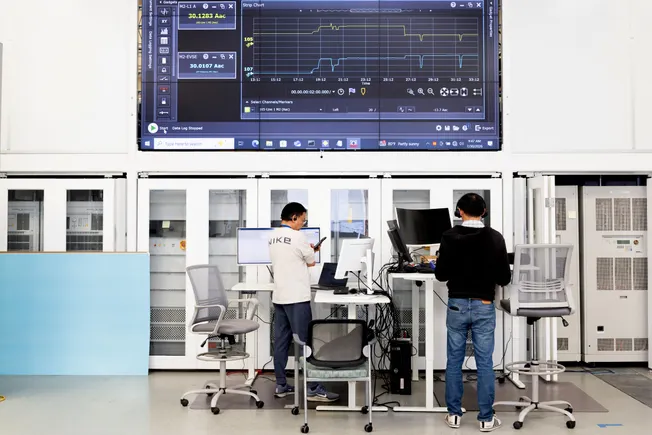
Layoff anxiety creates a "survival mode" mentality among employees, where energy is diverted from productive work towards self-preservation. Workers may become hesitant to take risks, share innovative ideas, or invest fully in long-term projects, fearing that such efforts might be futile if their position is ultimately eliminated. The constant threat of redundancy can lead to chronic stress, reduced focus, and a significant drop in morale. Furthermore, the perceived lack of transparency from leadership during periods of economic uncertainty can exacerbate this anxiety, fueling rumors and eroding trust, even in organizations that ultimately avoid widespread layoffs. The image of employees working at a gas and electric facility in San Ramon, California, amidst stress surrounding layoffs, starkly illustrates the tangible impact of this psychological burden on the modern workforce.
3. The Double-Edged Sword of Artificial Intelligence Uncertainty
The rapid advancement and integration of artificial intelligence into various aspects of work present a unique and multifaceted challenge to employee engagement. While AI holds immense potential for boosting productivity and automating mundane tasks, its introduction into the workplace has simultaneously generated significant uncertainty and apprehension among workers. Zhao’s research specifically points out that companies introducing AI often "create significant uncertainty for workers," thereby exacerbating existing feelings of insecurity.
The primary concern among employees regarding AI is job security. This worry is not confined to individuals whose roles are directly impacted by AI automation but extends broadly across the workforce. The fear of being replaced by machines, or of their skills becoming obsolete, is a potent source of anxiety. This is particularly pronounced among Generation Z workers, who are often entering the workforce with an expectation of rapid technological evolution but also carry concerns about their long-term career viability. Women within this demographic, in particular, express heightened concerns about how AI will reshape their professional trajectories, potentially due to historical biases in technology development or existing inequalities in career progression.
The lack of clear communication and strategic planning around AI implementation further fuels this uncertainty. When organizations adopt AI without a well-articulated vision for how it will augment human capabilities, facilitate skill development, or create new roles, employees are left to speculate, often imagining worst-case scenarios. This speculative fear can paralyze innovation and collaboration, as workers become hesitant to engage with new technologies they perceive as a threat rather than an aid.
4. The Pervasive Shadow of Burnout
Even before the current economic and technological pressures, burnout had become a widespread epidemic in the global workforce, and recent trends indicate it is only intensifying. Zhao notes, "Burnout is on the rise. Leaders have pushed hard for productivity and efficiency over the last few years, but the question is whether that faster pace is sustainable or not." This relentless pursuit of efficiency has often come at the expense of employee well-being, leading to unsustainable workloads and an erosion of work-life boundaries.
Many employees are effectively "doing the jobs of multiple people," a consequence of leaner staffing models, hiring freezes, and the increasing complexity of modern roles. Without adequate support systems, resources, or recognition, this increased burden inevitably leads to mental and physical exhaustion. The symptoms of burnout – cynicism, emotional depletion, reduced personal accomplishment – directly counteract the conditions necessary for high engagement. A burned-out workforce is less innovative, more prone to errors, and significantly more likely to disengage or seek opportunities elsewhere, even in a tight job market. The long-term effects on organizational health include increased absenteeism, higher turnover rates, and a decline in overall productivity and quality.
5. Eroding Trust and Skepticism Towards Leadership
Compounding all these issues is a significant decline in trust and satisfaction with senior leadership. Glassdoor’s senior leadership satisfaction scores are reportedly declining swiftly, with employees vocalizing concerns about a range of issues including communication efficacy, organizational culture, and strategic direction. This widespread skepticism is particularly damaging in times of uncertainty, as employees look to their leaders for clarity, reassurance, and a clear path forward.
When leadership is perceived as opaque, inconsistent, or out of touch with the realities faced by the frontline workforce, it creates a chasm of mistrust. Employees may feel that their concerns are not being heard, their contributions are not valued, or that the company’s stated values do not align with its actions. This erosion of trust can manifest in cynicism, disengagement, and a reluctance to fully commit to organizational goals. Effective leadership is a cornerstone of employee engagement, providing direction, fostering a positive culture, and instilling confidence. A deficit in these areas leaves employees feeling adrift and unmotivated, further exacerbating the impact of economic pressures and technological shifts.

Chronology and Context: A Shifting Workplace Paradigm
The current engagement crisis is not an overnight phenomenon but the culmination of several years of significant transformations in the world of work. The initial shock of the COVID-19 pandemic in 2020 forced a rapid shift to remote work, which, while offering flexibility, also blurred work-life boundaries for many. The subsequent "Great Resignation" of 2021-2022 saw millions of workers re-evaluating their priorities, demanding better pay, flexibility, and purpose, leading to a period of high employee mobility and talent shortages for employers.
However, as global economic conditions began to tighten in late 2022 and throughout 2023, driven by inflation and geopolitical instability, the job market started to cool. Companies, facing increased costs and uncertain demand, shifted their focus from talent acquisition to retention and efficiency. This period saw a rise in corporate restructuring and, notably in the tech sector, high-profile layoffs, which seeded the current widespread layoff anxiety. Simultaneously, the accelerating pace of AI development, particularly with the emergence of powerful generative AI tools in late 2022, introduced a new layer of technological disruption and existential questioning for many roles, pushing the issue of AI uncertainty to the forefront of workplace concerns by 2024 and 2025. By late 2026, these previously distinct trends have converged, creating the complex and challenging landscape now observed in employee engagement.
Mitigation and the Path Forward: Rebuilding Engagement Through Transparency and Support
Despite the daunting nature of these challenges, research also points to clear pathways for organizations to mitigate disengagement and foster a more positive, productive work environment. The key lies in proactive, transparent, and employee-centric strategies.
Transparency in AI Integration: One of the most critical findings relates to the implementation of AI. Studies have shown a remarkable "15-point higher engagement rate" in workplaces where AI has been introduced alongside a clearly explained plan for integration, compared to companies that adopted AI without that level of transparency. This indicates that the fear of AI is often rooted in the unknown. When leaders communicate how AI will be used, how it will impact roles, and what opportunities exist for reskilling and upskilling, employees are significantly more likely to embrace the technology rather than fear it.
Active Managerial Support for AI: Beyond strategic transparency, direct managerial support plays a pivotal role. Employees who reported that their managers actively supported their team’s AI use demonstrated a "48% engagement rate," starkly contrasting with the 30% engagement rate observed among employees who did not experience such support. This highlights the crucial role of middle management in translating corporate strategy into practical, empathetic guidance. Managers who can articulate the benefits of AI, provide training, and address individual concerns act as vital bridges between technology and human workforce, transforming apprehension into adoption.
Addressing Burnout Proactively: To combat rising burnout, organizations must move beyond superficial wellness programs and address the root causes of excessive workload and pressure. This includes realistic workload distribution, adequate staffing, setting clear boundaries for work-life integration, and empowering employees with greater autonomy over their work. Regular check-ins, mental health support resources, and a culture that genuinely values employee well-being over relentless productivity are essential. Leaders must lead by example, demonstrating healthy work habits and encouraging their teams to do the same.

Rebuilding Leadership Trust: Restoring confidence in leadership requires a concerted effort to improve communication, foster a transparent culture, and demonstrate genuine empathy. This involves regular, honest dialogue about company performance, strategic shifts, and the rationale behind difficult decisions. Leaders must actively solicit employee feedback, act on it, and show that they are responsive to the concerns of their workforce. Investing in leadership development programs that emphasize emotional intelligence, effective communication, and inclusive management practices can also play a crucial role in building a more trustworthy and respected leadership cadre.
Cultivating a Culture of Growth and Security: In a constrained job market, organizations must find internal ways to provide employees with opportunities for growth and development. This includes robust internal mobility programs, mentorship, continuous learning initiatives, and clear career pathways. While job security may be challenging to guarantee, fostering psychological safety—where employees feel safe to speak up, take risks, and learn from mistakes without fear of retribution—can significantly mitigate layoff anxiety. Companies that invest in their employees’ long-term development and demonstrate a commitment to their well-being, even during difficult times, are more likely to retain talent and maintain engagement.
Broader Impact and Implications
The implications of widespread employee disengagement extend far beyond individual companies, posing significant risks to national economies and societal well-being. A disengaged workforce is inherently less productive, less innovative, and more prone to errors, which can dampen overall economic growth. Furthermore, high turnover rates resulting from disengagement lead to increased recruitment and training costs, diverting resources that could otherwise be invested in innovation or expansion.
From a societal perspective, chronic burnout and job insecurity contribute to a mental health crisis, placing additional strain on healthcare systems and impacting individuals’ quality of life. The erosion of trust in institutions, including corporate leadership, can also have broader societal consequences, contributing to a climate of cynicism and instability.
For policymakers, the insights from this research underscore the need for initiatives that support workforce reskilling, particularly in the context of AI, and policies that promote fair labor practices and employee well-being. For businesses, the message is clear: overlooking employee engagement is no longer merely a human resources issue but a strategic imperative that directly impacts financial performance, reputation, and long-term sustainability. The path forward requires a holistic approach, recognizing that a thriving workforce is the bedrock of a successful organization and a robust economy.