The American labor market faces a quiet but significant vulnerability: companies that fail to invest in the development of their female leaders are unknowingly undermining their future leadership pipeline. This emerging challenge is rooted in a confluence of demographic shifts and persistent systemic barriers that, if unaddressed, threaten to create a leadership deficit in the years to come. While women now represent a majority of the U.S. non-farm workforce, their progression into top executive roles remains remarkably stagnant, creating a critical disconnect that forward-thinking organizations are beginning to address.
For years, male participation in the workforce has seen a steady decline, a trend that has effectively closed the gender participation gap. Data from sources like Indeed Hiring Lab indicates that women now hold more than half of all non-farm jobs in the United States. This significant presence of women in the overall workforce, however, does not translate into proportionate representation at the highest levels of corporate leadership. According to McKinsey & Company’s comprehensive "Women in the Workplace 2025" report, women occupy a mere 29% of C-suite positions. This stark disparity between their overall workforce participation and their representation in senior leadership roles presents a clear and present danger for companies seeking sustainable growth and effective governance.
The implications of this leadership gap are profound. Without a robust pipeline of experienced female leaders ready to step into senior roles, companies risk a future characterized by a shrinking pool of qualified talent, potentially leading to less diverse decision-making, reduced innovation, and a missed opportunity to leverage the full spectrum of talent available. This is not merely a social equity issue; it is a strategic imperative for business continuity and success in an increasingly competitive global landscape.
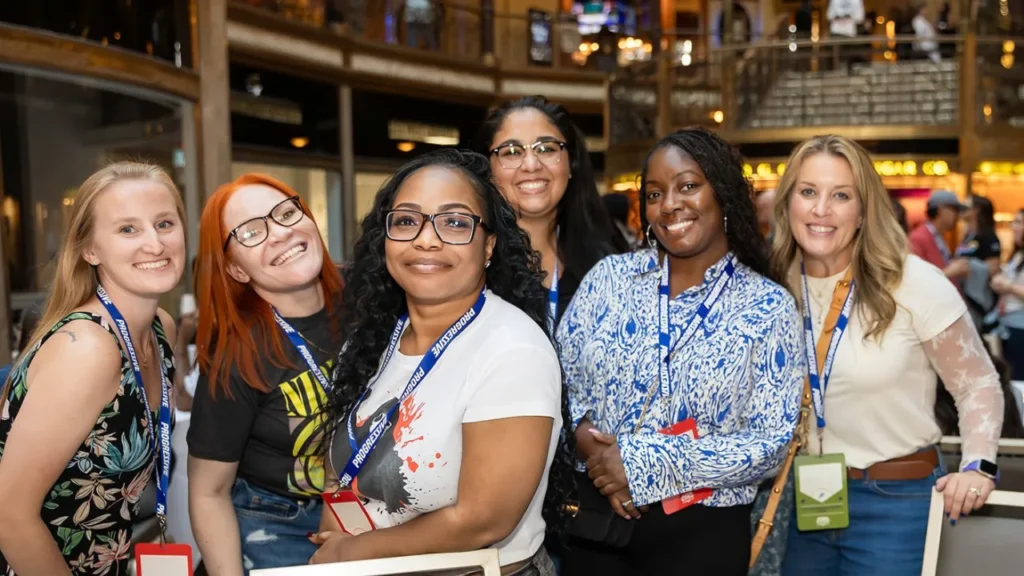
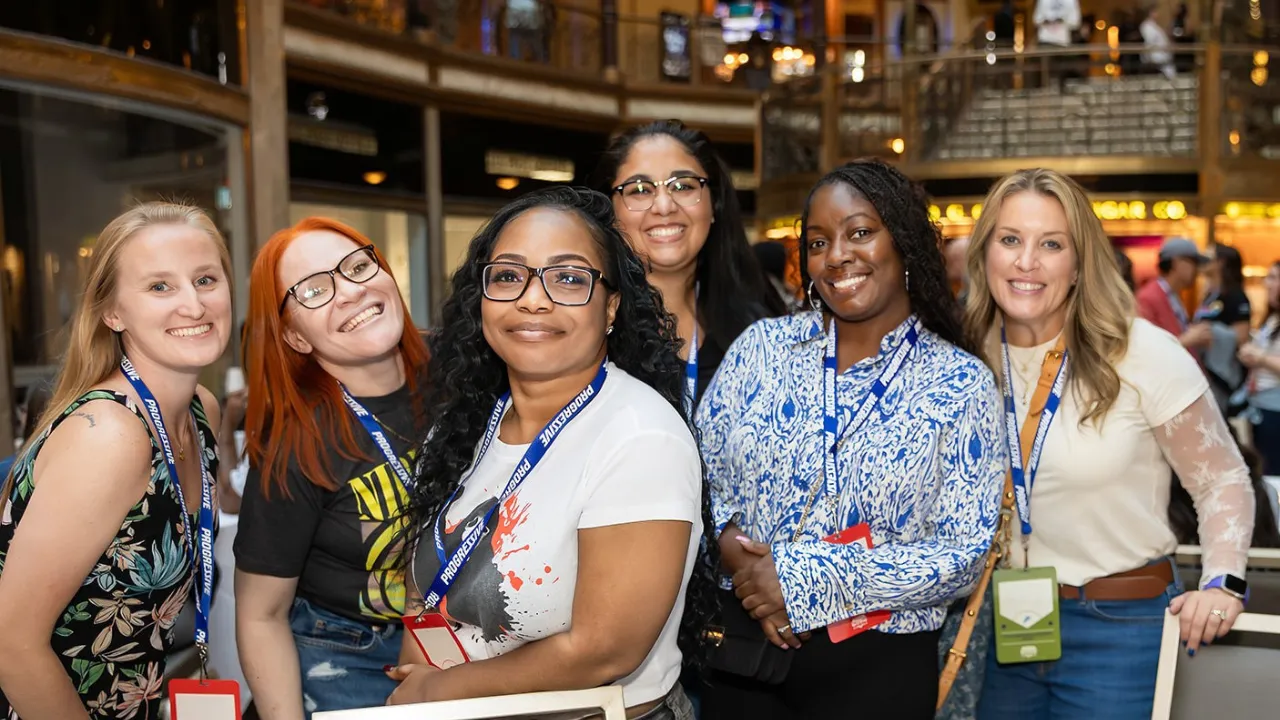
Amidst this evolving landscape, companies like Progressive Insurance, a consistent honoree on the Fortune Best Workplaces for Women list, stand out for their proactive and intentional approach to fostering female leadership. Lori Niederst, Chief Personal Lines Officer at Progressive, articulates the company’s philosophy: "We aim to create an environment where our people don’t have to choose between a career and their home life. For women, that means investments in flexibility, career development, meaningful connections, and benefits that reflect the realities of life."
Progressive’s commitment comes at a time when some organizations are scaling back on critical support structures for women, such as flexible work arrangements, mentorship programs, and community-building initiatives. In contrast, Progressive has doubled down on its values, with the vast majority of its employees – 89% – working remotely or in hybrid roles. This emphasis on flexibility is particularly crucial given the disproportionate burden of unpaid caregiving that women often carry. Research consistently shows that women shoulder a larger share of responsibilities for elderly family members, making up nearly 60% of unpaid caregivers in the U.S., and also tend to bear a heavier workload in parenting. Supporting women in the workplace, therefore, necessitates acknowledging and accommodating these external responsibilities.

"The breadth of support matters because we recognize women not only as leaders, mentors, and individuals, but that they may be caregivers as well," Niederst explains. "When our people feel supported as their whole self, they’re able to thrive personally and professionally." This holistic approach underscores a fundamental understanding that employee well-being and professional success are intertwined, particularly for women navigating multifaceted personal and professional lives.
Building a Sustainable Leadership Pipeline Through Intentional Development
Progressive’s journey toward empowering female leaders is not a recent development; it is built on a long-standing legacy of breaking barriers. The company holds the distinction of being the first Fortune 500 company to have women in both the CEO and Board Chair positions simultaneously. "That representation matters," Niederst emphasizes. "When people can see leaders who look like them, it helps them imagine what’s possible." This visibility is a powerful catalyst for aspiration and career ambition among emerging female talent.
To actively cultivate this pipeline, Progressive has established the "Network for Empowering Women," an employee resource group dedicated to supporting women in achieving both their professional and personal aspirations. This network sponsors a variety of activities designed to guide women in charting their own career paths. Among these initiatives are "Learning Circles," structured sessions offering in-depth learning and networking opportunities. These circles are designed to equip participants with essential skills and provide valuable insights into the business. "Growth rarely happens alone," Niederst states, highlighting the collaborative ethos. "I believe the most valuable learning opportunities come from conversations with people whose backgrounds or experiences differ from your own." This approach fosters cross-pollination of ideas and provides diverse perspectives, crucial for holistic professional development.

Beyond these employee-led initiatives, Progressive also invests in traditional development programs. These include intensive training such as analyst and programmer bootcamps, alongside comprehensive mentorship and leadership development programs. These multifaceted offerings ensure that women have access to a range of resources tailored to different stages of their career progression and learning styles.
The Criticality of Open Communication and Adaptable Support
A crucial lesson emerging from Progressive’s success is the understanding that support for women in the workplace cannot be a one-size-fits-all model. As Niederst points out, "Support doesn’t look the same for everyone. People’s needs change throughout their careers and lives, which is why listening and acting on what you hear needs to be the heartbeat of your culture." This dynamic approach requires a constant feedback loop and a willingness to adapt programs and benefits based on the evolving needs of the workforce.
Progressive places significant emphasis on actively soliciting employee feedback through initiatives like "Progressive Listens," a company-wide campaign designed to capture diverse perspectives on employee experiences. This commitment to listening ensures that all employees, including women, have a platform to voice their concerns and suggestions. "Trust grows when people know their voices are heard and they see their feedback results in meaningful change," Niederst asserts. "The insights we get shape the programs, benefits, and experiences that matter most to our people."

This feedback-driven approach has led to tangible improvements in employee support. For instance, recognizing the importance of women’s health, Progressive proactively enhanced access to mammogram screenings by bringing services on-site at many of its U.S. office campuses. Furthermore, the company offers specialized support for menopause through a partnership with Visana Health, a virtual women’s health clinic, demonstrating a commitment to addressing specific health needs that can impact professional lives.
The cornerstone of building enduring trust lies not just in soliciting feedback, but in demonstrating a genuine commitment to acting upon it. "Listening builds trust, but action is what makes people believe they matter," Niederst wisely concludes. The impact of this philosophy is evident in the company’s employee survey data. According to Great Place To Work’s Trust Index™ Survey, nine in 10 women at Progressive report feeling cared for at work, and a similar proportion indicate a strong desire to remain with the company long-term.
Niederst reflects on her nearly three decades at Progressive: "In my 29 years with Progressive, I’ve been fortunate to work alongside people who challenged me, encouraged me, and helped me grow." This sentiment encapsulates the essence of a truly supportive and empowering workplace culture. The company’s guiding principle, as Niederst articulates, is a simple yet profound commitment: "We prioritize treating others the way they want to be treated," a value that extends equally to both men and women.
The Tangible Benefits of an Inclusive Culture
The deliberate cultivation of an inclusive and supportive culture at Progressive yields measurable results, impacting both the company’s financial performance and its internal workplace dynamics. This intentional approach, built by individuals who genuinely care and invest in each other’s success, fosters a vibrant and productive environment. The company’s sustained success on lists like Fortune‘s Best Workplaces for Women is a testament to its effectiveness.
For organizations seeking to emulate Progressive’s success, the path forward involves a deep commitment to understanding the diverse needs of their workforce, fostering environments where women can thrive both personally and professionally, and actively investing in their leadership development. As the labor market continues to evolve, companies that prioritize flexibility, listen intently to their employees, and translate feedback into meaningful action will not only build stronger, more resilient organizations but will also secure a competitive edge in the future of leadership.
The evidence suggests that a culture built on mutual respect, genuine care, and a commitment to individual growth is not just a feel-good initiative; it is a strategic imperative that drives innovation, enhances employee retention, and ultimately, contributes to long-term business success. Companies that recognize and act upon the vital importance of developing their female leaders are positioning themselves for a more equitable, dynamic, and prosperous future. As Ted Kitterman, content manager at Great Place To Work, notes in his analysis of Progressive’s strategy, "It’s a simple test that goes back to core values." This underscores the foundational truth that prioritizing people and their well-being is inherently linked to organizational strength and sustained achievement.