The modern workplace is in a constant state of flux, demanding agility and adaptability from both organizations and their employees. This rapid evolution has cast a critical spotlight on traditional performance review processes, which are increasingly being recognized as outdated and insufficient. The once-a-year performance review, a long-standing corporate fixture, is now widely criticized for failing to meet the dynamic needs of today’s workforce, often leading to employee disengagement, uncertainty, and even anxiety. Forward-thinking organizations understand that performance reviews should transcend mere annual evaluations; they are strategic opportunities to foster continuous growth, ensure alignment with company objectives, and cultivate a shared sense of purpose. When executed effectively, performance reviews transform from backward-looking judgments into forward-looking guides for individual and collective success. This analysis delves into the practical, people-centric strategies and best practices that can help organizations reimagine performance reviews as meaningful conversations, effectively bridging individual development with overarching organizational goals and championing a culture of perpetual improvement.
The Evolving Purpose of Performance Reviews
At its core, the modern employee performance review aims to initiate a dynamic, two-way dialogue. This conversation serves to clarify expectations, assess progress against objectives, and provide robust support for employee growth. A truly optimal review looks beyond the rearview mirror of the past year. Instead, it aligns employees and their managers around what is succeeding, what requires attention, and what lies ahead. The ultimate objective is to drive performance enhancement, bolster employee engagement, and cultivate a thriving ecosystem of continuous development.
What an Effective Performance Review Aims to Achieve
When performance criteria, expectations, and standards are clearly defined and intrinsically linked to an organization’s values and strategic direction, performance reviews evolve from simple evaluations into foundational tools for growth, engagement, and retention. An effective review process helps organizations achieve several key outcomes:
- Enhanced Employee Engagement: By providing regular, constructive feedback and opportunities for dialogue, employees feel more valued and connected to their work and the organization.
- Improved Performance: Clear goals, regular feedback, and targeted development plans empower employees to enhance their skills and achieve higher levels of performance.
- Stronger Alignment: Reviews ensure that individual contributions are directly aligned with team and organizational objectives, fostering a unified approach to achieving business goals.
- Development of Talent: Performance reviews identify areas for growth and development, paving the way for targeted training, skill-building, and career progression.
- Increased Accountability: Clear expectations and regular feedback loops foster a sense of accountability among employees for their performance and development.
- Higher Retention Rates: Employees who feel supported, recognized, and invested in are more likely to remain with an organization long-term.
The Significance of Effective Performance Management
The impact of well-executed performance reviews cannot be overstated. When managers diligently apply effective performance review strategies, such as scheduling timely and frequent check-ins, establishing clear evaluation criteria, and guiding future-oriented discussions, these reviews transcend mere assessments. They become the strategic engine that drives motivation, reinforces accountability, and underpins sustained organizational success. Research from Quantum Workplace consistently indicates that ongoing feedback and consistent one-on-one conversations with managers are significantly more impactful in improving employee performance than formal, infrequent review processes or static performance ratings.
The Shortcomings of Traditional Annual Reviews
The traditional annual performance review model is plagued by several inherent limitations. A primary concern is the issue of recency bias, where recent events disproportionately influence an evaluation, potentially leading to an inaccurate and unfair assessment. This can stifle an employee’s professional development and create feelings of injustice. Furthermore, the rigid, infrequent structure of annual reviews often fails to keep pace with the agile and rapidly evolving nature of the contemporary workforce, which necessitates continuous performance management and real-time feedback.
Employees often experience significant anxiety and apprehension in the lead-up to their annual reviews, fearing criticism or negative repercussions. The traditional model can also be perceived as a one-way communication channel, lacking genuine employee input and engagement. This deficit means employees miss out on the regular, constructive feedback that is indispensable for their growth and development.

The Imperative for Modernized Performance Review Systems
Given these pervasive challenges, there is a clear and pressing need for HR leaders to architect and implement performance review systems that are not only efficient and effective but also deeply engaging. A modern performance management cycle must prioritize continuous evaluation, consistent feedback delivery, and ongoing coaching. By adopting such a forward-looking approach, organizations can significantly enhance employee engagement, drive tangible performance improvements, and ultimately fuel sustainable organizational growth.
More Efficient Processes
In today’s high-paced work environment, managers and employees are increasingly pressed for time. Clunky tools and excessive paperwork are significant deterrents. HR departments must focus on simplifying and standardizing the review process, making each step as frictionless as possible. A user-friendly performance management platform is no longer a luxury but a necessity. Such platforms should facilitate the aggregation of performance data and streamline the process of conducting effective review conversations. Current data suggests a gap in efficiency, with only 48% of employees finding their organization’s performance management approach efficient.
More Effective Outcomes
A crucial question for any organization is whether its performance reviews are genuinely contributing to improved employee performance. Every performance conversation should be anchored by clear, measurable goals and actionable feedback designed to foster employee growth. However, a significant portion of employees, 49%, report that their organization’s performance management approach is not effective. This underscores the need for a more impactful methodology.
More Engaging Experiences
The impact of a performance review process on employee engagement can be profoundly positive, neutral, or negative. Organizations must strive to create a transparent, two-way process where employees feel genuinely heard and valued. Conversations should remain centered on growth and improvement, with employees actively participating in goal setting, performance assessment, identification of development opportunities, and discussions about career pathing. Disappointingly, only 48% of employees find their organization’s performance management approach motivating, highlighting a significant opportunity for improvement.
Foundational Elements of an Effective Performance Review Process
Performance reviews offer a critical juncture for employees and managers to discuss performance and collaboratively identify pathways for improvement. When executed correctly, these reviews can significantly engage and motivate employees, ensuring their efforts are aligned with organizational objectives. Conversely, poorly managed reviews can trigger a spiral of disengagement and even diminish performance. Several key elements are paramount in constructing a robust performance review process.
The Cadence of Performance Reviews: Frequent and Consistent
To truly cultivate employee success, organizations must move beyond the confines of the traditional annual review. The dynamics within an organization and the circumstances of its employees can change dramatically over a single year. Maintaining alignment and ensuring continuous communication are vital during these shifts.
A recommended practice is to implement quarterly or monthly performance conversations, supplemented by a year-end review that consolidates general themes, notes progress, and outlines future steps. This approach ensures managers and employees remain synchronized on goals, progress, and overall performance. It also facilitates:

- Proactive Issue Resolution: Addressing challenges as they arise, rather than waiting for an annual review.
- Continuous Feedback Loop: Providing timely and actionable insights for ongoing improvement.
- Agility and Adaptability: Enabling quick adjustments to goals and strategies in response to changing business needs.
- Enhanced Employee Motivation: Regular acknowledgment of progress and opportunities for growth.
Quantum Workplace research demonstrates that more frequent performance conversations (monthly) yield a 21% increase in review effectiveness, an 11% boost in engagement, an 8% improvement in perceived fairness, and a 5% increase in performance improvement. While the prospect of quarterly or monthly reviews might seem daunting due to perceived time commitment, frequent, concise conversations can be highly effective. These ongoing dialogues better equip teams to navigate unforeseen changes.
The Nature of Employee Reviews: Two-Way Conversations
Performance conversations should not only be more frequent but also more engaging. Both managers and employees should be active contributors, with employees invested in the preparation process. Constructive criticism is a powerful tool for identifying areas for improvement and fostering personal and professional growth.
While a universally applicable format for all performance discussions doesn’t exist, every conversation should aim to build trust, alleviate anxiety, establish clarity, and demonstrate alignment. Furthermore, these conversations can extend beyond performance metrics to encompass:
- Career Development: Discussing aspirations, skill gaps, and potential career paths.
- Professional Growth: Identifying training needs and development opportunities.
- Workload Management: Addressing challenges related to task distribution and capacity.
- Employee Well-being: Creating a space to discuss challenges and support needs.
- Feedback on Processes: Gathering input on how to improve team operations.
The Focus of Performance Reviews: Future-Oriented
Traditionally, performance reviews have been heavily anchored in the past—evaluating how the year unfolded, what went well, and what did not. However, focusing solely on past events, which employees cannot change, can be disengaging.
The real power lies in shaping the future. Employees have the agency to influence what happens next, and performance conversations should predominantly focus on this forward-looking aspect. While reflecting on past performance is valuable, managers and employees should dedicate significant time to planning for the upcoming year.
The Principle of Transparency in Performance Reviews
Performance reviews can inherently induce anxiety. One of the most effective strategies to mitigate this is to involve employees in the process early on. Managers should collaborate with each employee to develop a clear, shared, and cooperative agenda, outlining the key discussion points.
Both parties should have a precise understanding of what to anticipate, eliminating unwelcome surprises. Transparency is paramount, and managers must solicit honest employee feedback to foster professional growth effectively.

The Mandate of Objectivity in Performance Reviews
In today’s data-rich environment, subjective performance reviews are increasingly difficult to justify. Managers should gather data from multiple sources to inform their evaluations. These sources can include recognition received, feedback from colleagues, ratings from talent reviews, notes from one-on-one meetings, and progress toward set goals.
Performance evaluations should prioritize specific examples and measurable results over vague generalizations. Crucially, every statement made should be substantiated by data, not merely by a manager’s personal opinion.
The Role of Technology in Performance Reviews
If the performance review process is cumbersome and outdated, participation will wane. Performance review software plays a vital role in simplifying the process and enhancing effectiveness across the board.
Organizations need to transition their performance reviews from spreadsheets to digital platforms that facilitate agenda sharing, note-taking, and year-round performance documentation. Such technology empowers managers with diverse data sources, enabling them to become more effective coaches, conduct better reviews, and minimize subjectivity in performance evaluations.
Research indicates a strong correlation between effective technology use and managerial effectiveness. When managers are rated as proficient users of technology, employees perceive them as 3.4 times more effective in their management roles.
To summarize, the differences between traditional and modern performance reviews are stark:
| Traditional Performance Review | Modern Performance Review |
|---|---|
| Frequency: Annually | Frequency: Continuous (monthly/quarterly check-ins) |
| Focus: Past performance, evaluation, judgment | Focus: Future growth, development, coaching |
| Format: One-way communication, top-down | Format: Two-way dialogue, collaborative |
| Goal: Assess past performance, determine ratings | Goal: Drive development, align goals, improve performance |
| Feedback: Infrequent, often critical | Feedback: Regular, constructive, and balanced |
| Data: Subjective manager opinion | Data: Objective, data-driven, multi-source |
| Technology: Manual, paper-based, spreadsheets | Technology: Digital platforms, integrated software |
| Outcome: Potential anxiety, disengagement, little growth | Outcome: Engagement, clarity, continuous improvement |
Conducting Performance Reviews: Who and How
The responsibility for conducting performance reviews primarily rests with HR and line managers. Their collaborative efforts are essential in creating a more efficient, effective, and engaging review process.
Tips for Preparing for a Performance Review
Thorough preparation is the bedrock of a successful performance review. It ensures fairness, clarity, and a focus on actionable outcomes.
Aligning Performance Criteria, Employee Goals, and Progress
Managers and employees must share a clear understanding of what constitutes high performance. This begins with organizations transparently communicating performance criteria. Managers play a crucial role as interpreters of this data, supplementing quantitative performance metrics with qualitative context, such as progress on goals and 360-degree feedback. They should adopt a coaching mindset, distilling information to make it accessible and actionable for employees. The use of metrics and measurements provides valuable clarity and a framework for future planning and prioritization.
Gathering Employee Data and Examples
Performance conversations should no longer rely on subjective managerial opinions. In today’s data-driven world, managers must approach these discussions armed with comprehensive employee data from a variety of sources. This data should guide the conversation and foster a more meaningful relationship between manager and employee. Key data points include notes from one-on-one meetings, progress on goals, role competencies, 360-degree feedback, and recent recognition. Leveraging this data adds context to both positive and challenging discussions, making them more authentic and impactful. This data-driven approach also enhances the perceived fairness of review outcomes.
Preparing Notes and Agenda
No one thrives on ambiguity. Performance conversations are no exception. To facilitate a meaningful dialogue, both managers and employees should collaboratively prepare a shared agenda and notes detailing key discussion points. This proactive approach reduces anxiety and allows employees to contribute their perspectives and prepare effectively. When employees are encouraged to introduce topics they wish to discuss, managers can focus on active listening rather than lecturing.
Aligning on Expectations with Employees
Performance conversations can sometimes be challenging. When employees are not meeting goals or objectives, these meetings provide an opportunity to understand the reasons and develop strategies for improvement. Setting clear expectations for the meeting itself is crucial. Key tips include:
- Communicate the Purpose: Clearly state the objective of the meeting – to discuss performance, growth, and future development.
- Explain the Process: Outline how the review will be conducted and what information will be discussed.
- Share the Agenda: Provide the employee with the agenda in advance, allowing them to prepare their thoughts.
- Emphasize Two-Way Communication: Reassure the employee that their input is valued and that it is a collaborative discussion.
- Focus on Growth: Frame the conversation as an opportunity for development and support, rather than solely an evaluation.
Ultimately, managers and employees should share a common understanding of what constitutes strong performance. Managers must provide clarity regarding each employee’s role and how their contributions are perceived by the organization. Aligning expectations with established organizational performance criteria ensures employees are not taken by surprise.
How to Conduct the Review: Performance Review Tips
Effective performance reviews require managers to understand several key principles:
- Be Prepared: Review all relevant data, notes, and goals beforehand.
- Create a Safe Environment: Foster a comfortable and private setting for the discussion.
- Start Positively: Begin by acknowledging strengths and accomplishments.
- Be Specific: Use concrete examples to illustrate points, both positive and constructive.
- Listen Actively: Pay close attention to the employee’s perspective and responses.
- Focus on Behavior and Impact: Discuss observable behaviors and their consequences, not personality traits.
- Collaborate on Solutions: Work together to develop action plans for improvement.
- Look Ahead: Emphasize future goals and development opportunities.
- Document Clearly: Record agreements, action steps, and timelines.
- Follow Up: Schedule future check-ins to monitor progress.
Reflecting on the Past, but Focusing on the Future
While traditional reviews emphasize past behavior, an exclusive focus risks neglecting future performance enhancement. Performance conversations should offer employees opportunities to address and correct performance issues in real-time, continuously linking their work to organizational goals. Future-focused reviews resonate with employee desires for more feedback and development opportunities. Employees seek immediate feedback for on-the-job improvement, rather than waiting for an annual assessment. They also want to know that their future, whether within the organization or beyond, is a consideration.
Asking the Right Performance Review Questions
The ability to ask—and encourage—the right performance review questions is critical. These questions help maintain focus on topics vital to both employee and organizational success. Pro Tip: Utilize a performance review template that encourages honest, genuine feedback and uncovers actionable avenues for improvement.
Here are some effective questions:
- "What are your key accomplishments since our last review?"
- "What challenges did you face, and how did you address them?"
- "What skills do you want to develop further in the coming year?"
- "What support do you need from me or the organization to achieve your goals?"
- "How do you see your role contributing to our team’s objectives?"
- "What are your career aspirations, and how can we support them?"
- "What is working well within our team or department?"
- "What could we improve to make our work more effective or enjoyable?"
Managers who approach performance conversations with an evaluative mindset may make employees feel scrutinized. Asking these questions helps shift the perspective from judge to coach. Encouraging employees to ask questions of their managers fosters a collaborative approach, enabling them to achieve their goals together.
Choosing Phrases Carefully
Words carry significant power. They can either motivate employees or undermine their efforts and perceived value. When engaging with employees, thoughtful consideration and preparation are essential. Understanding what not to say in a performance review is as important as knowing what to say. Effective phrasing includes:
- Positive Reinforcement: "I’ve been impressed with your initiative on X project, especially how you handled Y."
- Constructive Feedback: "I’ve noticed that [specific behavior] can sometimes lead to [specific outcome]. Let’s explore ways to adjust this."
- Collaborative Problem-Solving: "How can we work together to address this challenge?"
- Future-Oriented Language: "Looking ahead, I’d like us to focus on developing your skills in Z area."
- Acknowledging Effort: "I appreciate the effort you’ve put into [task], even though the outcome wasn’t as expected."
- Seeking Input: "What are your thoughts on how we can improve this process?"
Active Listening
Performance conversations are inherently dialogues. Facilitating an exchange and actively listening is crucial. Listening helps managers learn and understand, rather than merely ensuring equal speaking time. Asking follow-up questions can help delve deeper and create a more complete picture. Participating in the conversation isn’t always about sharing one’s own viewpoint; after an employee shares feedback, paraphrasing what was heard confirms accurate understanding. Allocating sufficient time for the employee to share their feedback and taking notes ensures follow-up.
Concluding with Next Steps
A performance conversation should extend beyond the meeting itself. Managers and employees should review notes, define clear next steps, and follow up with shared comments and feedback. Without these elements, conversations can feel unresolved. To genuinely improve performance, creating an action plan is vital.
Types of Performance Reviews
A variety of performance conversation types exist, each impacting employee engagement and development differently. HR leaders can select the most appropriate review types based on organizational needs and objectives. A blend of different review formats helps keep pace with workplace changes, facilitates faster feedback, and maintains team alignment.
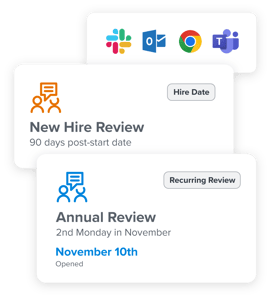
Annual Performance Review
The annual review remains a critical opportunity to reflect on employee achievements and areas for improvement. Managers can acknowledge outstanding work, address broader concerns, and provide valuable feedback for growth. This is a time for both managers and employees to reset, align on expectations, adapt to changes, and collaboratively develop plans for the upcoming year.
Mid-Year Performance Appraisal
The mid-year review serves as an excellent checkpoint for goal progress and allows for adjustments or the establishment of new objectives. Employees can discuss obstacles and opportunities related to agreed-upon next steps from the annual review. Managers can help address key challenges and course-correct to keep critical work on track, supporting employee skill development and meaningful engagement in development opportunities.
Quarterly Performance Conversation
Quarterly reviews are valuable milestone discussions focused on continuous improvement. Tracking goal progress and adapting to changes are essential components. Employees can align their efforts and seek necessary training promptly, rather than waiting for the annual review. Managers can provide coaching around emerging obstacles and opportunities.
Monthly 1-on-1 Meetings
Monthly evaluations are instrumental in providing employees with consistent and actionable feedback. This regular feedback loop empowers managers to better manage performance and ensures employees feel heard and valued. Managers and employees can delve into specific examples and data, thoroughly examining the work and its associated challenges. Monthly performance conversations also provide a pathway for employees to navigate their development and achieve continuous improvement through consistent, constructive feedback.
Weekly Check-Ins
Weekly performance check-ins form the backbone of a robust feedback culture. They offer valuable opportunities for quick, timely, and constructive input as critical work progresses. By fostering two-way dialogue, managers and employees can proactively address emerging performance concerns and nurture continuous improvement. Managers can recognize employee accomplishments in real-time, maintaining motivation. Weekly check-ins enhance communication, connect team efforts, and promote a supportive and proactive work environment.
360-Degree and Self-Performance Reviews
In 360-degree reviews, feedback is gathered from multiple sources, including peers, subordinates, and customers, offering a holistic view of an employee’s performance and identifying areas for improvement. These reviews cultivate a growth mindset, encouraging skill enhancement and personal development. Incorporating 360-degree and self-performance reviews can significantly enhance team dynamics and foster a culture of feedback and continuous improvement.
Performance Review Templates: Streamlining and Enhancing Feedback
Crafting effective performance review templates can significantly elevate the feedback process. By leveraging these templates, HR professionals can transform performance reviews from a routine administrative task into a strategic initiative that empowers the organization to foster a culture of continuous development and high performance.
Streamline and Customize
Performance review templates offer a dual benefit: streamlining the feedback process and allowing for customization. Templates ensure that all managers and employees discuss the most critical aspects of performance. These foundational templates can be tailored to specific teams and roles, reflecting organizational culture and values. Embracing streamlined and customizable templates nurtures growth, aligns expectations, and boosts employee success across the organization.
Align to Employee Goals
Clear and attainable performance objectives are fundamental to effective and fair performance reviews. Employee goals must align with the overarching company and team objectives. Managers and employees should regularly revisit and adapt performance goals as business priorities evolve. Goal setting should be a reciprocal conversation, fostering a sense of ownership and commitment among employees.
Weave in Performance Competencies
Performance competencies help employees focus on job-specific skills and areas for growth. These competencies should seamlessly integrate with job roles, goals, and development plans. Utilizing performance competencies as benchmarks allows organizations to holistically measure critical behaviors, skills, and attributes essential for job proficiency. This empowers employees to develop tangible skills and pursue additional training, facilitating growth and advancement within the organization.
Performance Review Software for Enhanced Efficiency, Effectiveness, and Engagement
Performance conversations need not be arduous. Keeping managers and employees synchronized requires engaging performance review tools. Performance review software provides teams with reliable context to facilitate more objective and engaging conversations. Key features of such software include:
- Customization: The ability to tailor reviews to specific organizational needs and cultural nuances.
- Habit Building: Facilitating manager coaching by integrating the review process into existing workflows and establishing formal conversation cycles.
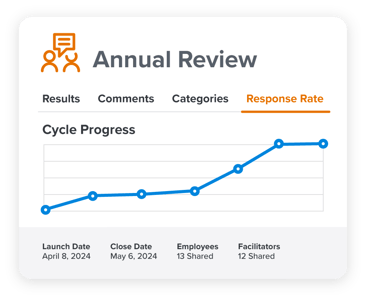
- Tracking: Easy monitoring of review response rates and performance ratings in real-time.
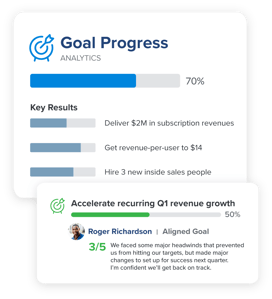
- Goal Integration: Embedding performance goals directly into reviews for objective and growth-oriented discussions.
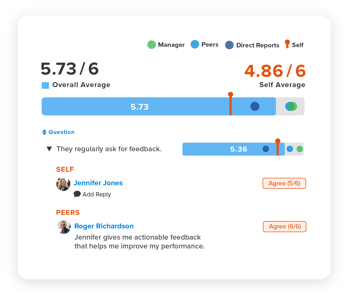
- Multi-Rater Feedback: Incorporating feedback from various sources to gain comprehensive insights.
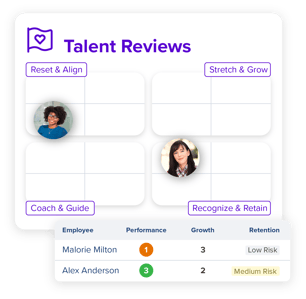
- Visualization: Providing a clear, data-driven overview of organizational talent for informed decision-making.
Regardless of whether an employee is preparing for a review, a manager is leading the conversation, or an HR professional is designing the process, effective performance reviews demand clarity, structure, and diligent follow-through. These performance review tips and best practices help transform the experience from a stressful obligation into a meaningful, growth-focused conversation that both employees and managers can anticipate, thereby fostering stronger workplace connections.
Preparing for the Performance Review
The foundation for a successful review is laid through objective information gathering, honest reflection, and aligned expectations. Robust preparation ensures the review is fair, future-focused, and grounded in actual performance.
1. Review Goals, Expectations, and Past Notes
- Revisit established goals, key performance indicators (KPIs), and job responsibilities.
- Consult notes from previous reviews and regular check-ins to track progress and identify recurring themes.
- Review any formal or informal feedback received throughout the review period.
2. Collect Supporting Data
- Gather objective evidence of achievements, such as project outcomes, sales figures, or customer feedback.
- Compile examples of how the employee has demonstrated key competencies or values.
- Include any peer or 360-degree feedback that has been collected.
3. Identify Growth Areas Proactively
- Reflect on areas where the employee has shown potential for development or improvement.
- Consider skills that would benefit the employee and the organization in the future.
- Prepare constructive suggestions for how these areas can be addressed.
What HR Can Do to Prepare
- Ensure performance management software is up-to-date and accessible.
- Provide training and resources for managers on conducting effective reviews.
- Establish clear guidelines and timelines for the review process.
- Offer support to managers who may be facing challenging review conversations.
During the Review
A performance review should be a structured, two-way conversation, not a one-sided evaluation. This is the critical moment for alignment, clarification, and collaboration.
4. Create a Supportive, Distraction-Free Environment
- Schedule the meeting in a private location where interruptions are minimized.
- Allocate sufficient time to allow for a thorough discussion without rushing.
- Ensure technology is working and minimize distractions like mobile phones.
5. Lead with Strengths, Then Discuss Growth Areas
- Begin by acknowledging the employee’s contributions and positive attributes.
- Provide specific examples of their successes and positive impact.
- Transition to areas for development, framing them as opportunities for growth.
6. Make it a Two-Way Conversation
- Actively listen to the employee’s perspective, concerns, and aspirations.
- Ask open-ended questions to encourage dialogue and deeper understanding.
- Allow the employee ample time to share their thoughts and provide feedback.
7. Set Future-Focused Goals Together
- Collaboratively define SMART (Specific, Measurable, Achievable, Relevant, Time-bound) goals for the next review period.
- Discuss development plans, including training, mentorship, or new project opportunities.
- Ensure mutual understanding and agreement on expectations and next steps.
What HR Can Do During the Review
- Offer guidance on navigating difficult conversations or sensitive topics.
- Ensure consistency in the application of performance standards across the organization.
- Provide resources for career development and training.
Follow Up
The review process does not conclude with the meeting. Effective follow-up transforms insights into actionable steps and ensures continuous progress.
8. Document Agreements and Next Steps
- Summarize key discussion points, agreed-upon goals, and action plans.
- Share these notes with the employee to ensure clarity and alignment.
- Establish a timeline for completing agreed-upon actions.
9. Maintain Ongoing Check-Ins
- Schedule regular follow-up meetings to monitor progress on goals and development plans.
- Provide ongoing feedback and support as needed.
- Be available to address any questions or challenges that arise.
10. Track Progress Using Clear Metrics
- Regularly assess progress against established goals and KPIs.
- Use data to inform future discussions and adjustments to development plans.
- Recognize milestones and achievements along the way.
What HR Can Do After the Review
- Analyze review data to identify organizational trends and talent development needs.
- Ensure performance data is securely stored and accessible for future reference.
- Evaluate the effectiveness of the review process and identify areas for improvement.
Breaking Down Performance Reviews: Tips for Employees and Managers
Performance reviews are most effective when both employees and managers understand expectations and preparation strategies. Whether giving or receiving feedback, these performance review tips and best practices promote transparency, equity, and a focus on growth.
Tips for Employees
- Prepare Thoroughly: Review your accomplishments, challenges, and goals. Gather examples and data to support your perspective.
- Be Honest and Open: Share your thoughts, concerns, and aspirations candidly.
- Focus on Growth: Discuss your development goals and what support you need.
- Ask Questions: Seek clarification on feedback and expectations.
- Listen Actively: Pay attention to your manager’s feedback and perspective.
- Collaborate on Goals: Work with your manager to set achievable and meaningful future objectives.
- Follow Up: Take ownership of your action items and follow through on commitments.
Tips for Managers
- Prepare Objectively: Gather data and specific examples to support your feedback.
- Create a Safe Space: Foster an environment of trust and open communication.
- Be Specific and Balanced: Provide concrete examples of both strengths and areas for development.
- Listen Empathetically: Understand the employee’s perspective and acknowledge their contributions.
- Focus on Development: Frame feedback as opportunities for growth and skill enhancement.
- Collaborate on Goals: Work with employees to set clear, actionable, and future-oriented objectives.
- Follow Through: Document agreements, provide ongoing support, and monitor progress.
Final Thoughts
Modernizing performance reviews is imperative for HR leaders seeking to cultivate a more engaging and efficient system. By acknowledging the limitations of traditional annual reviews and embracing a dynamic, continuous approach, organizations can significantly boost employee motivation and productivity. Regular check-ins, meaningful goal setting, and the strategic use of performance review tools are pivotal strategies for success in today’s evolving workplace.
Embracing change and implementing these best practices can lead to a more positive and impactful performance review process. Organizations looking to revolutionize their performance reviews should explore solutions that support a culture of continuous development and high performance, ultimately driving both individual and organizational success. Quantum Workplace’s performance review software is designed to equip managers and teams with the tools and insights needed to prepare for, facilitate, and follow up on reviews, leading to better outcomes and enhanced performance.